Last updated:


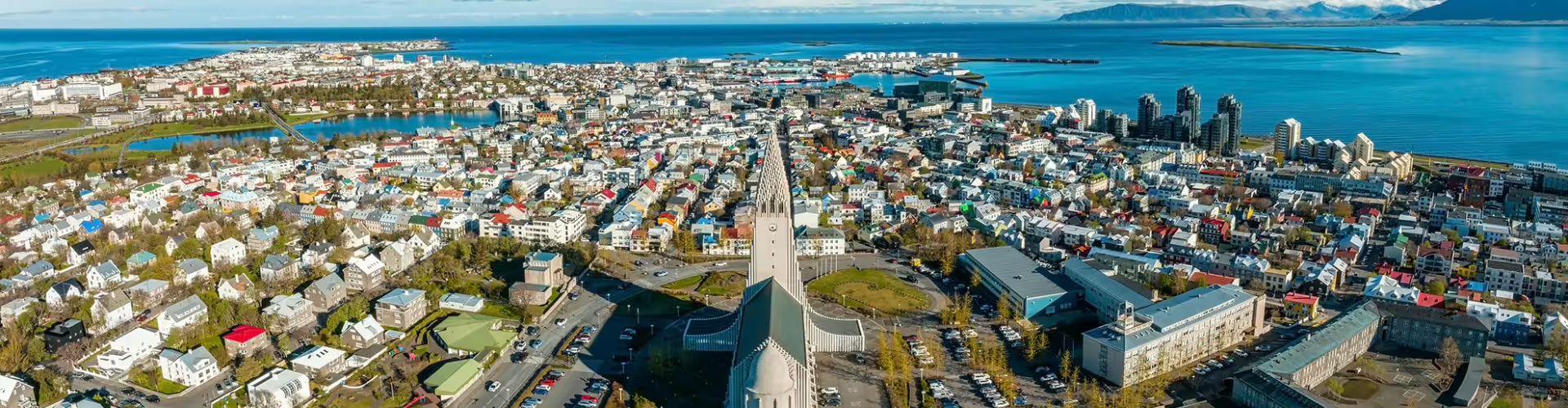
Reykjavík, Iceland's capital on Faxaflói Bay, can be a city break with a separate day for the Golden Circle.
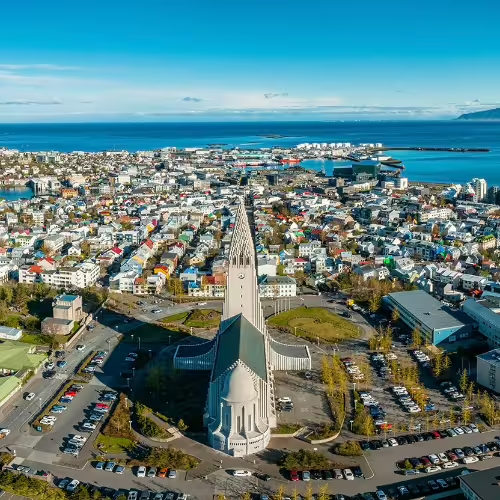
Hallgrímskirkja offers city and mountain views, while Perlan brings an ice cave and a northern lights show into an indoor visit.
Hallgrímskirkja and Harpa suit an interest in architecture; Perlan and Laugardalslaug offer different ways to spend the rest of a city day. At Hallgrímskirkja, basalt columns inspired the design, and a lift reaches the viewing deck of the 73-metre tower. Harpa, a concert hall and conference centre opened in 2011, has patterned glass that mirrors the changing light over Faxaflói Bay.
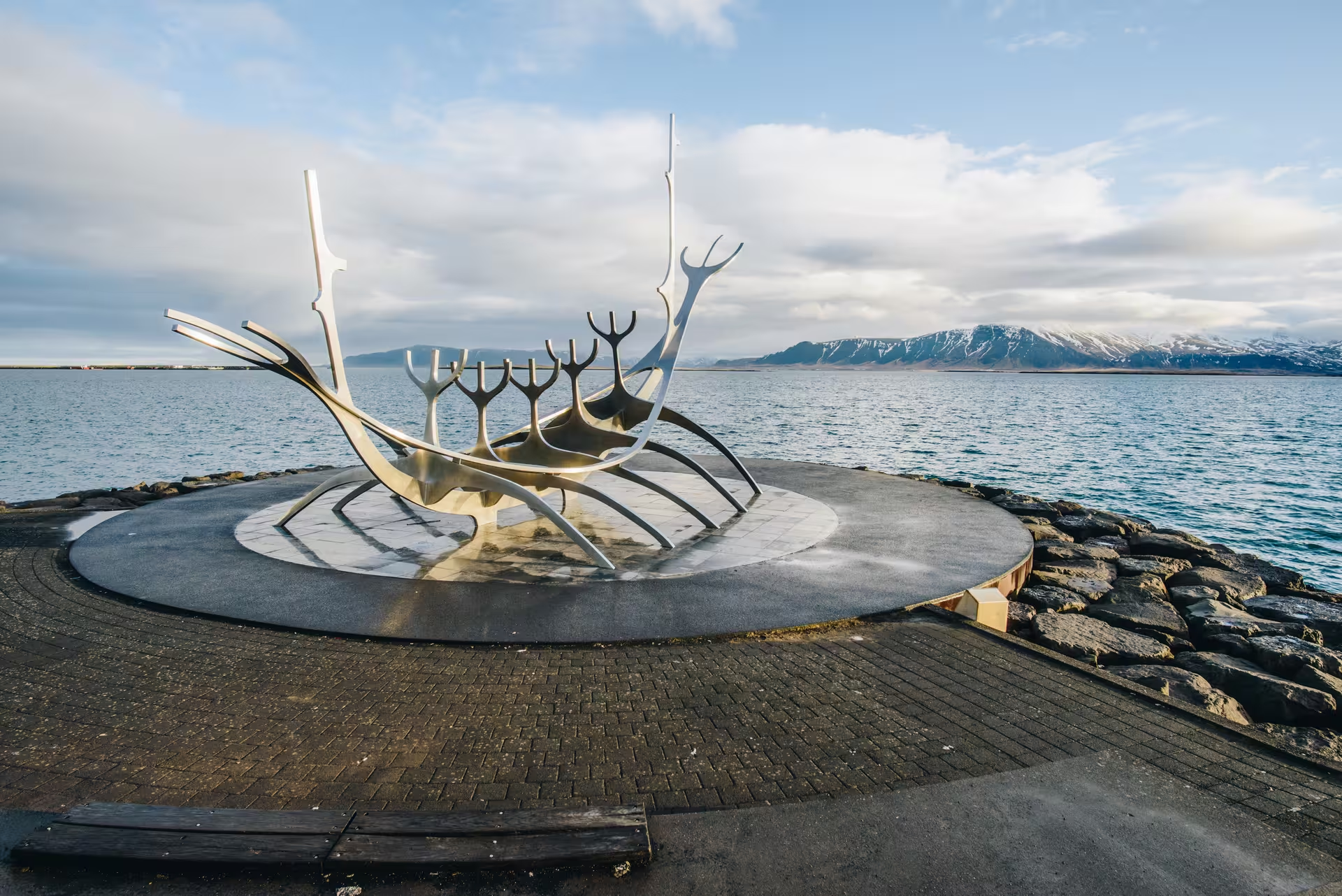
Perlan suits a visit focused on ice and the northern lights: its ice cave stretches for 100 metres, and its planetarium presents the Áróra northern lights show. For a swim instead, Laugardalslaug is a public thermal bathing complex with several hot pots at different temperatures. Pools also have a social role here, with Sundhöllin and Vesturbæjarlaug serving as places where people gather.
Three days is a useful plan for city sights and the Golden Circle: a day for Hallgrímskirkja, Harpa and Tjörnin, another for Perlan and Laugardalslaug, and a separate day for the excursion. Tjörnin adds birdwatching to the city day: nearly 50 bird species are regularly seen at the lagoon beside City Hall. Inside City Hall, a large three-dimensional map offers a look at Iceland.
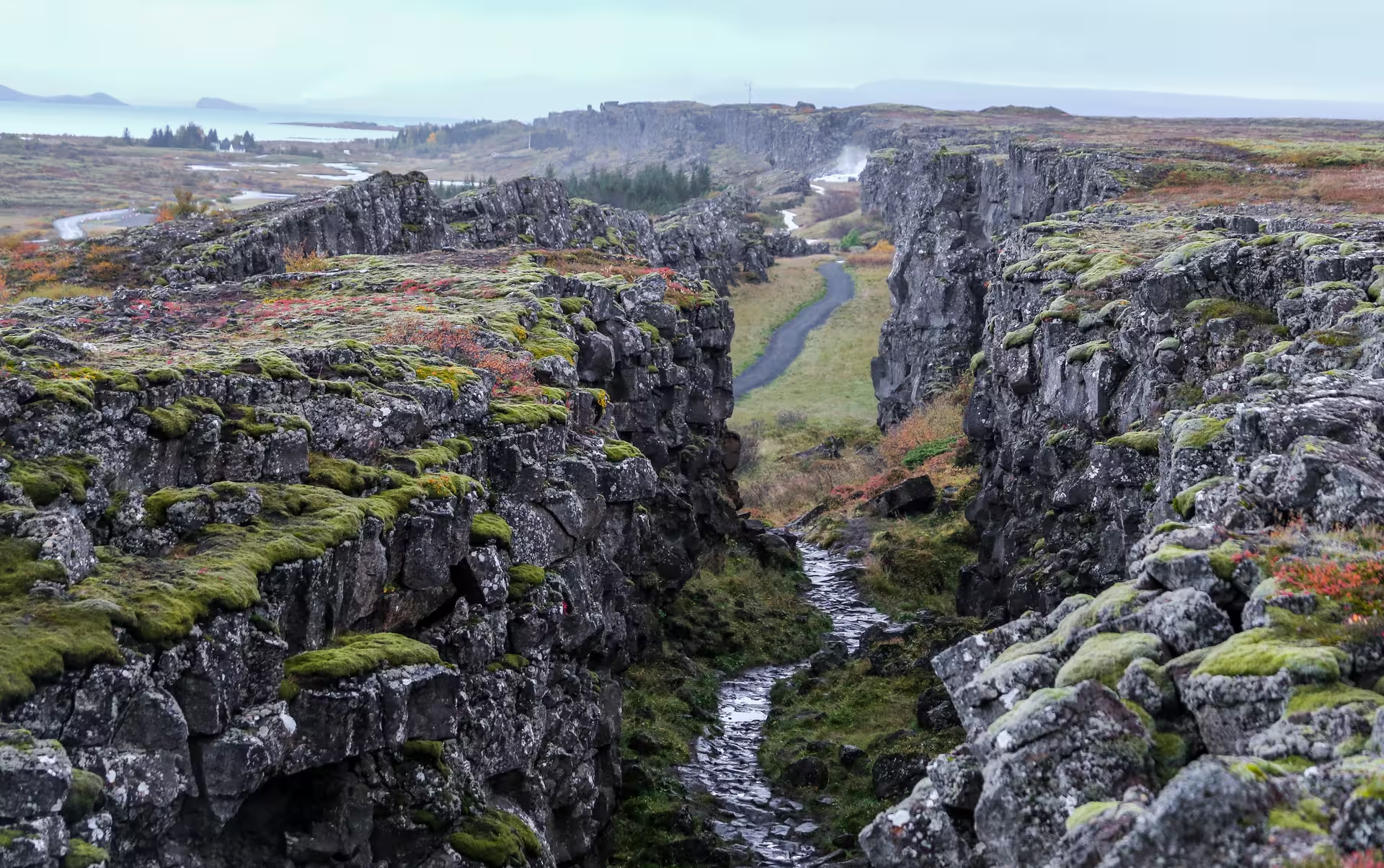
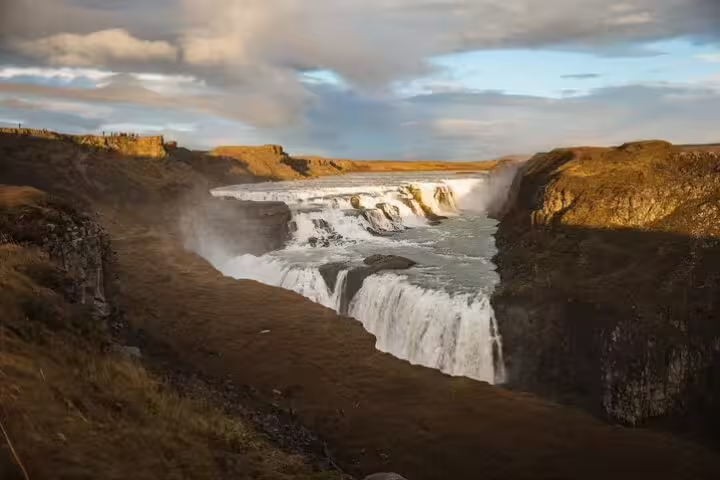
The Golden Circle merits its own day in this plan because the return loop through southwest Iceland is about 300 km. Its main stops are Þingvellir National Park, Gullfoss and the geothermal area of Haukadalur. At Þingvellir, the rift valley marks the boundary of the North American and Eurasian tectonic plates. Gullfoss offers a different landscape, dropping 11 and 21 metres in successive stages within the Hvítá river canyon.
A full-day guided Golden Circle tour from Reykjavík lasts 8 hours and includes minibus transport and an English-speaking guide.
January suits a plan with short outdoor visits and time inside Perlan rather than a trip built around long daylight walks. Daylight grows from about 4 hours at the start of January to about 7 hours by the end of the month, and average temperatures range from around -3°C to 3°C. Weather can shift suddenly in Iceland, particularly inland and in winter, so keeping the order of outdoor visits flexible makes sense. From late May to July, daylight lasts around 20 hours or more, which suits long walks and day trips.
Walking tours offer a way to explore Reykjavík on foot, while Strætó provides a public transport option across the capital area. The Strætó network has 29 routes in the capital area.
A private Reykjavík walking tour explores stories, legends and landmarks. A self-guided Reykjavík walking tour comes with an audio guide app.
An area around Laugavegur is worth considering if restaurants and nightlife matter to your stay. This central shopping street has restaurants, bars and nightclubs; the area around Tjörnin offers a different focus, with the lagoon and City Hall.
Three days allows the suggested plan: Hallgrímskirkja, Harpa and Tjörnin, then Perlan and Laugardalslaug, then the Golden Circle.
January suits short outdoor visits paired with Perlan, with about 4 to 7 daylight hours and average temperatures from around -3°C to 3°C.
Walking tours and Strætó are options; the capital-area Strætó network has 29 routes.
The Golden Circle is a return loop of about 300 km, with Þingvellir, Gullfoss and Haukadalur as main stops.
Around Laugavegur is worth considering for its restaurants, bars and nightclubs.