Israel
Plan a smart trip to Israel with essential experiences, 1 to 3 day itineraries, local food picks, transport guidance, day trips like the Dead Sea and Masada, plus practical traveler tips and FAQs.

Plan a smart trip to Israel with essential experiences, 1 to 3 day itineraries, local food picks, transport guidance, day trips like the Dead Sea and Masada, plus practical traveler tips and FAQs.

Israel packs ancient history, beach city energy, desert landscapes, and world important sacred sites into a compact map. It is a place where you can shift from Mediterranean cafes to stone alleyways, then end the day under wide desert skies. This guide focuses on practical planning and high impact experiences so you can choose what fits your pace, interests, and comfort level.
Israel feels fast and layered, modern design and nightlife sit minutes from archaeological ruins and centuries old quarters. Come for the contrast, sunrise in the desert, lunch in a market, sunset on the sea, and evenings that can be as quiet or as social as you want. It is especially rewarding if you like destinations where food, culture, and day trips are easy to combine without long transit days.
Israel is in Western Asia on the eastern edge of the Mediterranean. Many itineraries anchor on Tel Aviv for coastal city time and Jerusalem for history, museums, and religious heritage, then branch to the Dead Sea area and the Negev Desert for landscapes. For international arrivals, most travelers use the main gateway airport serving the Tel Aviv area, then connect onward by train, bus, or private transfer depending on schedule and comfort.
For most travelers, spring and autumn tend to balance comfortable temperatures with strong sightseeing conditions. Summer can bring intense heat, especially away from the coast and in desert regions, which affects hiking and midday touring. Winter can be cooler and brings a different rhythm for cities and outdoor plans, so packing layers and planning flexible indoor options is helpful.
Expect a mix of price levels, with major cities and popular areas often feeling more expensive than smaller towns. Cards are widely used, but it is still smart to carry some cash for markets, small eateries, and tips. Build a buffer into your daily budget for spontaneous museum entries, guided tours, and short taxi or ride share hops when heat or timing makes walking less appealing.
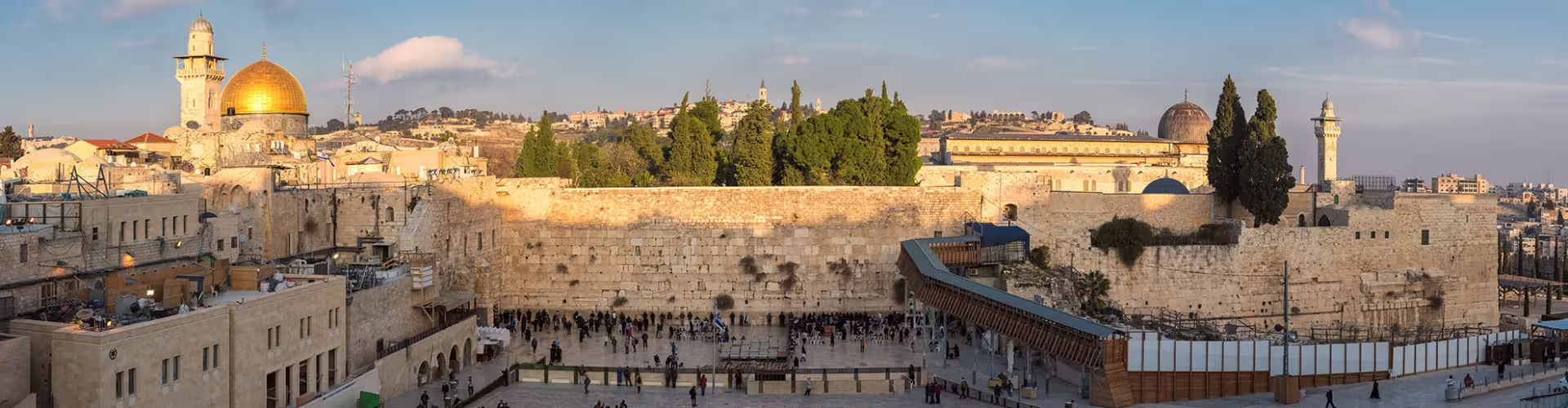
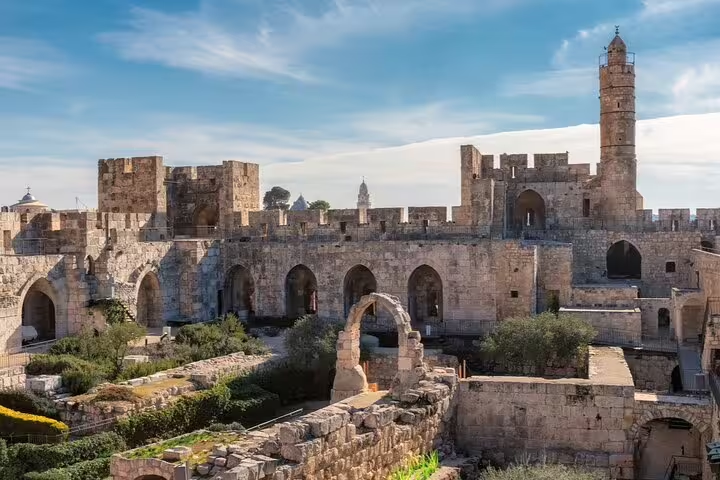
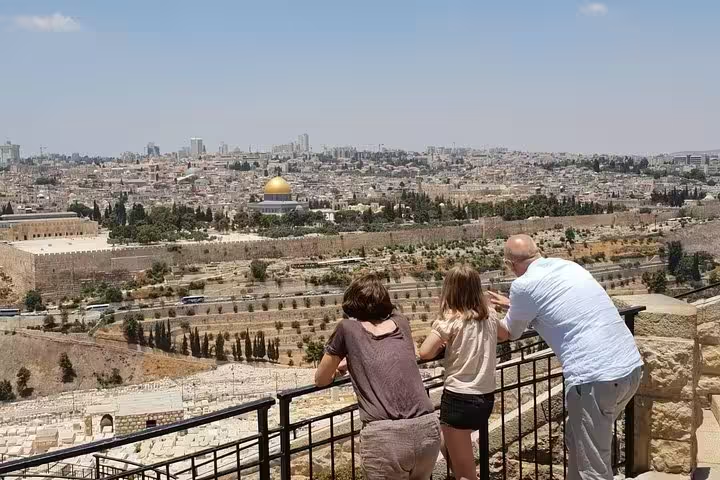
Jerusalem Old City: Walking the stone lanes is a powerful way to understand why the city matters to multiple faiths and cultures. The atmosphere shifts by quarter, with quiet courtyards, busy shops, and viewpoints that make the scale of history feel immediate. Practical tip: go early in the day for cooler temperatures and a calmer experience, then return near sunset for softer light and a different mood.
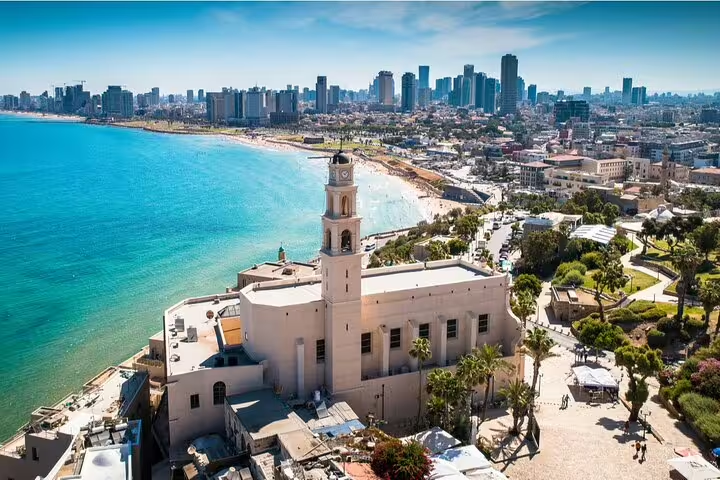
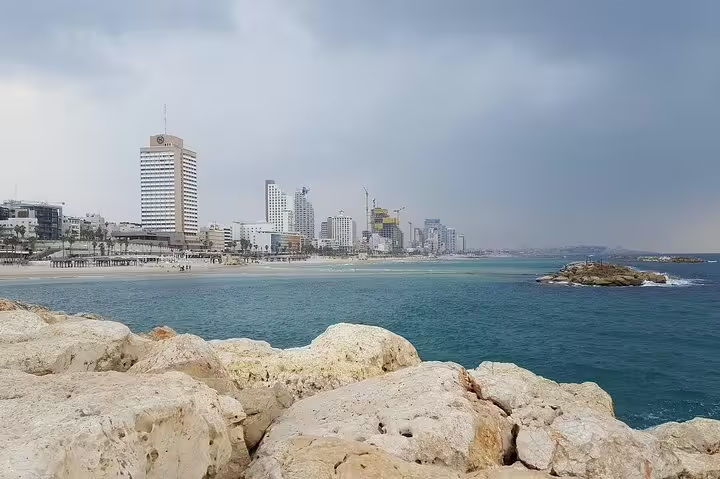
Tel Aviv Beaches and Promenade: Tel Aviv’s coastline is where the city exhales, with long walking and cycling paths and a casual, sporty vibe. It is ideal for resetting between museums and markets, or for a simple sea and sun afternoon. Practical tip: bring a light layer for breezy evenings and plan a seaside walk before dinner to time your day around the best light.
Dead Sea Float: The Dead Sea experience is about landscape as much as the water, bright mineral edges, desert hills, and an otherworldly shoreline. Floating is memorable, but the surrounding viewpoints and short photo stops are equally rewarding. Practical tip: protect your skin, avoid shaving right before, and bring water, the heat and salt can be dehydrating.
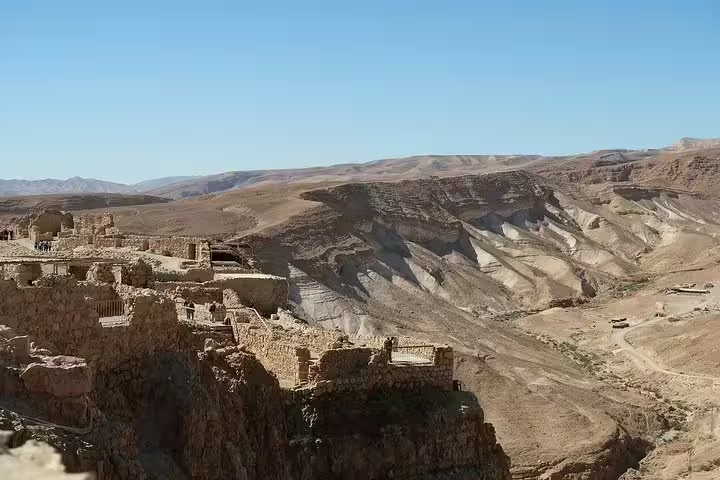
Masada at Sunrise: Masada combines dramatic geology with a story that many visitors find emotionally resonant. The views over the desert and the Dead Sea are the real payoff, especially in early light. Practical tip: start early to reduce heat exposure and crowds, and wear shoes with grip because paths can be uneven.
Negev Desert Landscapes: The Negev delivers big horizons, quiet, and a sense of scale that contrasts with the cities. Even a short stop can feel like a reset, and stargazing can be exceptional when conditions are clear. Practical tip: pack sun protection and a warmer layer for night, desert temperatures can drop quickly after sunset.
Haifa and the Northern Coast: Haifa offers a different coastal rhythm and is a convenient base for exploring northern scenery. It is a good choice if you want viewpoints, gardens, and a less hectic city feel. Practical tip: plan your route for uphill and downhill walking, and consider public transport or short rides if mobility is a concern.
Acre, Akko Old Port and Walls: Acre’s layered history shows up in its fortifications, port atmosphere, and old streets. It is a strong option for travelers who enjoy places that feel lived in rather than curated. Practical tip: pair it with a food focused visit and allow time to wander without a strict schedule.
Israel Museum and Cultural Stops: Museums add context, especially if you want to connect archaeological sites with the broader story of the region. They also offer a comfortable break from midday heat. Practical tip: visit in the middle of the day, then return outdoors in late afternoon when walking is easier.
Start in Jerusalem for an early walk through key quarters and viewpoints while the streets are quieter. Shift to a museum or indoor cultural stop around midday, then take time for a market style lunch to sample local flavors efficiently. If you can, end the day in Tel Aviv with a beach promenade stroll and dinner, the contrast between the two cities is part of what makes a short visit feel complete.
Day 1 focuses on Jerusalem, with a slower pace through the Old City and nearby cultural sites, plus time for an unplanned wander that lets you notice details, courtyards, and street life. Day 2 shifts to Tel Aviv for neighborhoods, cafes, and the coast, then adds a market visit for food and people watching. Day 3 is your landscape day, choose the Dead Sea and Masada for iconic desert views, or go north toward Haifa and Acre for coastal history and a different urban feel.
Hummus: Creamy, nutty, and often served warm with olive oil and toppings that change by place. Ordering tip: ask for a local house style plate and share, it is usually more satisfying than a small side.
Falafel: Crispy chickpea fritters with herbs, usually tucked into pita with salads and sauces. Ordering tip: request extra pickles and a bit of spicy sauce if you like heat, it balances the richness.
Shakshuka: Eggs poached in a tomato and pepper sauce, comforting and bold. Ordering tip: order it with bread for dipping and consider sharing as a brunch centerpiece.
Sabich: A pita filled with fried eggplant and flavorful additions, often including egg and salads. Ordering tip: eat it soon after it is made, the contrast of hot eggplant and fresh toppings is the point.
Jerusalem mixed grill: Savory, spiced, and filling, a classic for meat lovers. Ordering tip: pair it with salads and a lighter side so the meal stays balanced.
Malabi: A chilled, creamy dessert with fragrant notes, often topped with syrup and nuts. Ordering tip: look for a version with a tart topping to cut the sweetness.
In dense areas of Tel Aviv and central Jerusalem, walking is often the most efficient way to absorb neighborhoods, but heat and hills can change the equation quickly. Public transport and trains help connect major hubs, and taxis or ride sharing can be useful for short hops, late evenings, or when you are carrying bags. For accessibility, plan realistic walking blocks, choose accommodations near the areas you want to explore, and keep hydration and sun protection as part of your daily routine.
Dead Sea: A classic day trip for floating and surreal desert scenery. Travel time varies by starting point, so begin early to maximize cooler hours and photo stops.
Masada: Often paired with the Dead Sea, it is best known for sunrise views and its dramatic setting. Travel time depends on your base, so consider joining a tour if you want streamlined logistics.
Haifa: A northern city option with viewpoints and a calmer coastal pace than the main nightlife centers. It is a good day trip if you want a change of rhythm without going fully off grid.
Acre, Akko: Ideal for history lovers and travelers who enjoy port towns with fortifications and layered streets. Give yourself enough time to wander, the atmosphere is the attraction.
Negev Desert: Best for wide open landscapes and a quieter side of Israel. Travel time can be longer, but the payoff is a strong contrast to the coastal cities.
Q1: How many days do I need to see the main highlights?
A: A single day can cover a fast overview, but it will feel rushed. Two to three days lets you combine city time with one major landscape day trip.
Q2: Is it realistic to combine Jerusalem and Tel Aviv in one trip?
A: Yes, many travelers pair them because the experiences are very different. Plan your lodging so you minimize backtracking and keep transfer time simple.
Q3: What is the best time of day for the Dead Sea and Masada?
A: Early hours are usually the most comfortable for desert conditions. Sunrise at Masada is popular, then you can move to the Dead Sea before midday heat peaks.
Q4: Do I need cash when traveling in Israel?
A: Cards are widely accepted in cities, but cash is useful for markets and small purchases. Carry a modest amount so you are not searching for an ATM at the wrong time.
Q5: What should I pack for a first trip to Israel?
A: Bring comfortable walking shoes, sun protection, and a light layer for evenings. If you are heading to desert areas, add extra water capacity and a warmer layer for after sunset.