Tunisia
Explore Tunisia’s rich history, stunning landscapes, and top attractions, from Carthage to the Sahara. A must-visit destination for all travelers!
Explore Tunisia’s rich history, stunning landscapes, and top attractions, from Carthage to the Sahara. A must-visit destination for all travelers!

Tunisia is a captivating blend of ancient history, breathtaking landscapes, and modern luxuries. Whether you're an adventure seeker looking to explore the vast Sahara, a culture enthusiast eager to uncover Roman ruins, or a beach lover craving Mediterranean serenity, Tunisia has something for everyone.
This guide will walk you through everything you need to know about visiting Tunisia, including must-see attractions, travel tips, and why this North African gem should be your next destination.
Tunisia is home to some of the most fascinating historical sites in the world. From the legendary ruins of Carthage to the breathtaking El Jem Amphitheater, history buffs will find plenty to explore. Tunisia's medinas, such as those in Tunis, Kairouan, and Sousse, are UNESCO World Heritage sites that offer a glimpse into the country’s past through their intricate architecture, bustling souks, and historic mosques.
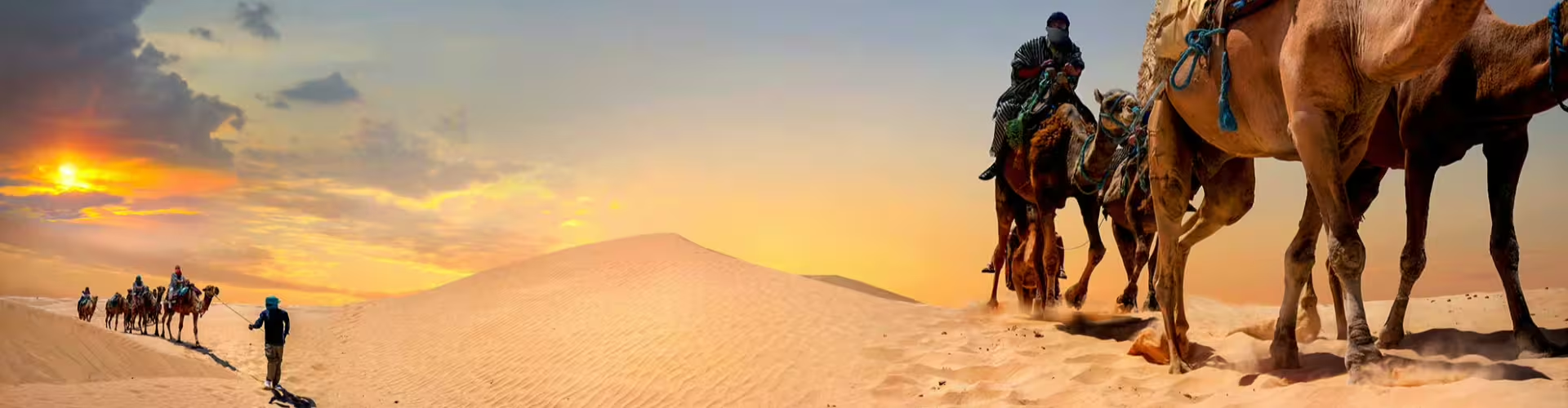
Tunisia’s landscapes are incredibly diverse. The golden dunes of the Sahara Desert offer unforgettable camel treks and 4x4 adventures, while the turquoise waters of the Mediterranean coast are ideal for beach lovers. The Atlas Mountains in the northwest provide breathtaking hiking opportunities, while the oases of Tozeur and Douz showcase the country’s unique desert beauty.
Tunisia offers travelers unique experiences that are hard to find elsewhere. Visit Matmata, a Berber village with underground houses that doubled as Star Wars filming locations. Indulge in thalassotherapy, a relaxing sea-based wellness treatment that has made Tunisia a leading destination for spa lovers. And, of course, don't miss the delicious Tunisian cuisine, which blends Mediterranean and North African flavors.
One of Tunisia’s biggest advantages is its affordability. Whether you're staying in a luxury hotel in Hammamet, a beachfront resort in Djerba, or a cozy riad in Sidi Bou Said, you'll find world-class accommodations at a fraction of the cost compared to European destinations.
Tunisians are known for their hospitality and friendliness. While it’s always good to take standard travel precautions, Tunisia is considered a safe destination for tourists. The country’s well-developed tourism industry ensures that visitors feel comfortable and welcomed throughout their stay.
Tunis is a mix of old and new, where you can explore the historic Medina of Tunis, shop at modern malls, and visit the impressive Bardo Museum, which houses one of the world’s largest collections of Roman mosaics.
The ruins of Carthage, once a powerful Phoenician city, are a must-visit for history lovers. Explore the remnants of this ancient empire, including the Antonine Baths and the Punic Ports.
This picturesque coastal village, with its blue doors and whitewashed walls, is a favorite among travelers. Stroll through its charming streets, enjoy a cup of mint tea with a view of the Mediterranean, and take in the artistic ambiance.
The island of Djerba is known for its stunning beaches, luxury resorts, and rich Jewish heritage. Visit the El Ghriba Synagogue, one of the oldest synagogues in the world, and explore the island’s unique cultural blend.
For adventure seekers, a trip to the Sahara Desert is a must. Experience the vast golden dunes, go on a camel trek, and spend a night under the stars in a desert camp. The oasis towns of Tozeur and Douz serve as gateways to this spectacular region.
The El Jem Amphitheater is one of the best-preserved Roman colosseums in the world. Standing in this ancient structure, you can almost hear the echoes of gladiator battles from centuries ago.
Hammamet is Tunisia’s top beach resort town, known for its white sandy shores, luxury hotels, and vibrant nightlife. It’s a perfect place to unwind after exploring Tunisia’s historical and cultural sites.
Many travelers, including those from the EU, USA, and Canada, can enter Tunisia visa-free for up to 90 days. Always check with your local embassy for updated visa requirements.
Tunisia’s currency is the Tunisian Dinar (TND). Credit cards are accepted in most hotels and restaurants, but it’s best to carry some cash for local markets and small shops.
The official language is Arabic, but French is widely spoken, and English is understood in tourist areas.
The best time to visit Tunisia is during spring (March-May) and autumn (September-November) when the weather is pleasant and perfect for exploring. Summers can be hot, especially in the desert, while winters remain mild.
Tunisia has a good transportation system, including taxis, trains, and rental cars. Louages (shared taxis) are a popular and affordable way to travel between cities.
Yes, Tunisia is generally safe for tourists. Popular tourist areas have good security, and locals are friendly and welcoming.
Tunisia is a moderate Muslim country, so while tourists are not required to dress conservatively, it’s best to wear modest clothing in cities and religious sites.
Yes, alcohol is available in hotels, bars, and some restaurants. Tunisia produces its own wine and beer, which are worth trying.
Some must-try dishes include:
You can book directly through online travel agencies, hotel websites, or local tour operators offering customized experiences.
Tunisia is a country full of history, adventure, and relaxation, making it a perfect destination for all types of travelers. Whether you're exploring ancient ruins, riding a camel in the Sahara, or enjoying the Mediterranean beaches, Tunisia promises an unforgettable experience.
Start planning your journey today and discover why Tunisia is one of North Africa’s best-kept secrets!