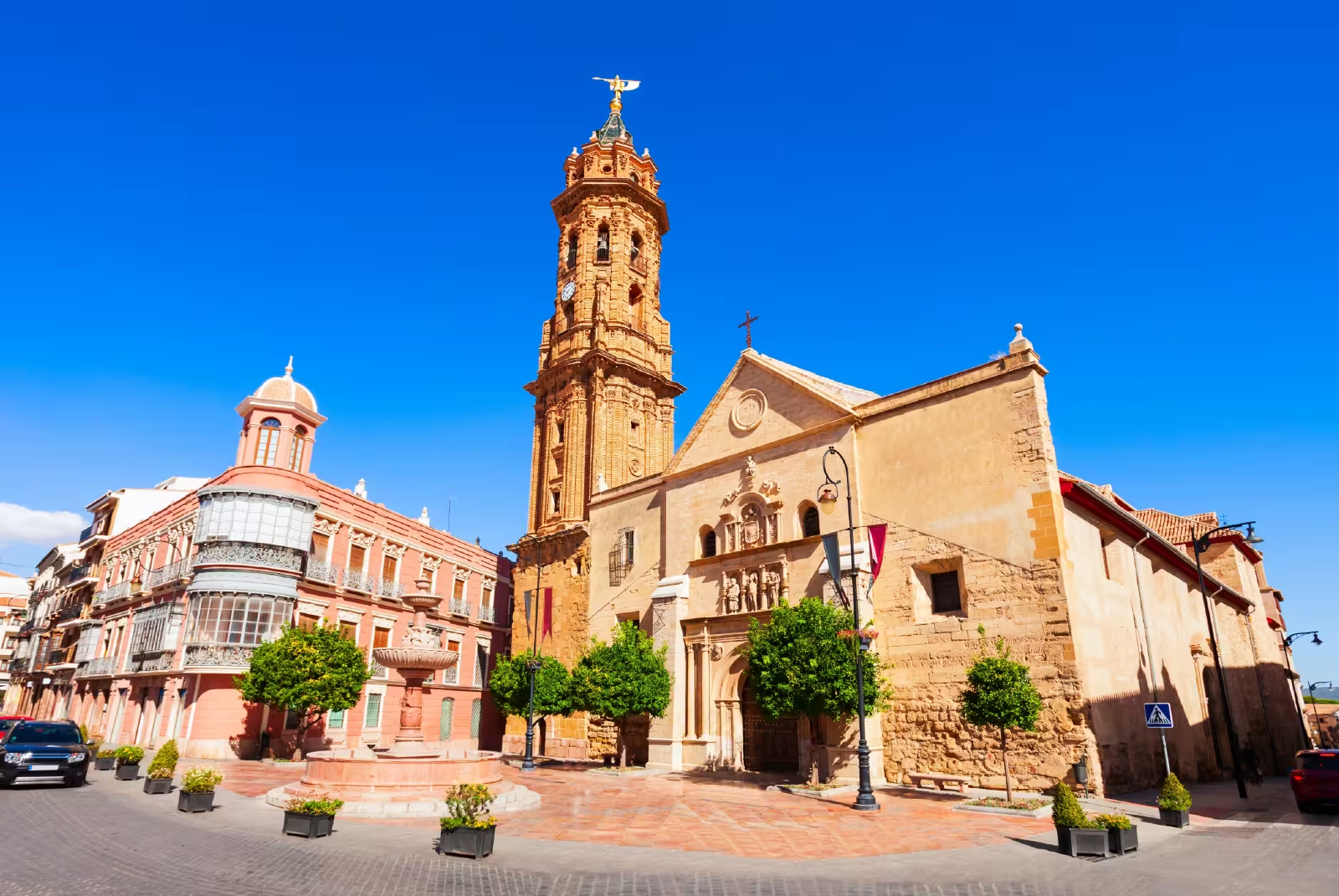
Malaga
Plan a smart Malaga trip with practical logistics, top things to do, easy itineraries, local flavors, transport tips, and the best day trips across Andalusia.

Plan a smart Malaga trip with practical logistics, top things to do, easy itineraries, local flavors, transport tips, and the best day trips across Andalusia.

Malaga balances beach-city ease with a lived-in Andalusian rhythm, where historic streets lead naturally to waterfront promenades and late, social meals. It is a destination that works for first-timers who want iconic sights and for repeat visitors who prefer neighborhoods, markets, and slow evenings. Use this guide to plan smart routes, choose the right season, and build a trip that fits your pace.
Malaga feels bright, coastal, and cultural, with a daily flow that moves from cafés and museums to sunset walks by the sea. Go when you want a city break that also delivers beach time, easy day trips, and a strong food scene without complicated logistics. It is especially appealing if you like compact cities where you can do a lot on foot and still have room for spontaneity.
Malaga sits on Spain’s southern coast in Andalusia, facing the Mediterranean. It is a key hub on the Costa del Sol and a practical base for exploring nearby towns and landscapes across the region. For arrivals, the main gateway is Malaga Airport, and the city also connects well by rail and long-distance buses from other Spanish cities.
Expect a classic Mediterranean pattern, with warmer months drawing the biggest crowds and the most beach-focused energy. Shoulder seasons typically suit travelers who want comfortable sightseeing conditions and a calmer feel in popular areas. Winter is generally quieter and can be a good fit if your priorities are museums, food, and a city-first itinerary rather than long beach days.
Spain uses the euro, and you can plan on using cards for most everyday payments, with cash useful for small purchases and tips. Costs vary by neighborhood and season, so staying flexible with meal times and booking strategy can help manage your budget. If you are traveling in peak periods, reserving key experiences early often protects both availability and overall spend.
1) Explore the historic center
The center is where the city’s layers are easiest to feel, with pedestrian streets, small plazas, and an atmosphere built around walking and lingering. It is ideal for first orientation because many highlights cluster close together. Practical tip, start earlier in the day for clearer photos and easier navigation, then return in the evening for a livelier dining scene.
2) Walk the waterfront and beaches
The coast is part of the city’s identity, and a seaside walk quickly explains why Malaga works so well as a relaxed city break. Even if you are not planning a full beach day, the promenade is perfect for resetting between museums and meals. Practical tip, time your walk for late afternoon so you can transition straight into sunset views and dinner.
3) Prioritize a museum or two
The cultural offering is a major reason the city appeals beyond summer, and museums add texture to a trip focused on food and neighborhoods. Choosing a couple of focused visits often works better than trying to do everything. Practical tip, decide your must-sees in advance and group them by area to avoid backtracking.
4) Seek out local markets
Markets are a practical way to understand daily life, seasonal produce, and local snacking culture. They also help you eat well without committing to a long sit-down meal. Practical tip, go with a light plan, taste as you browse, and keep a small amount of cash available for quick purchases.
5) Take in viewpoints and hilltop perspectives
Elevated views give you an instant mental map, from the old town to the port and the Mediterranean beyond. They also add variety to an itinerary that might otherwise stay flat and coastal. Practical tip, bring water and take your time, the best moments often come from pauses rather than rushing.
6) Plan a tapas focused evening
Eating here is social and paced, and a tapas night is one of the easiest ways to try multiple flavors in a single outing. It is also a great strategy for groups with different preferences. Practical tip, share a couple of dishes per stop and keep moving, rather than ordering too much in the first place.
7) Make room for neighborhoods beyond the main streets
A short walk away from the busiest lanes, the city feels more local, with quieter cafés and everyday plazas. This is where you can slow down and notice details that do not show up on a checklist. Practical tip, pick one area per day and explore it on foot, using a single anchor stop like a café or market to start and finish.
8) Use day trips from Malaga to add contrast
One of the strongest advantages of the city is how easily you can change scenery, from coastal towns to inland landscapes. Day trips keep a longer stay feeling fresh without needing to move hotels. Practical tip, decide early whether you prefer guided tours or independent travel, then lock in transport plans around your top priority.
Start with a morning walk through the historic center to get your bearings and enjoy the city before it is at its busiest. Choose one museum experience, then break for a relaxed lunch, keeping the afternoon open for the waterfront and a beach or promenade walk. Finish with a tapas-style evening, moving between a few stops so you sample more than one specialty.
Day one, focus on the old town, a museum, and a sunset coastal walk. Day two, add a market visit and a slower neighborhood afternoon, then commit to a longer dinner that highlights local seafood and Andalusian classics. Day three, take one of the day trips from Malaga to see a different side of Andalusia, then return for a final evening stroll and a simple dessert stop.
Espetos, typically sardines cooked over open flames, taste smoky, salty, and intensely coastal. Ordering tip, ask what fish is freshest that day and consider sharing so you can try other dishes too.
Fried fish, often served as a mixed plate, is crisp, light, and made for casual seaside meals. Ordering tip, request a mix if available, it is a good way to compare textures and flavors.
Gazpacho, a chilled tomato based soup, is refreshing and tangy, ideal in warmer weather. Ordering tip, pair it with something simple and savory so it stays the star of the meal.
Salmorejo, thicker and creamier than gazpacho, is rich and satisfying with a smooth texture. Ordering tip, it often works well as a starter to share before seafood or tapas.
Jamón and local cheeses bring a salty, nutty depth that fits perfectly into a tapas crawl. Ordering tip, order smaller portions at first, then repeat what you like most.
Churros with chocolate are crisp outside, soft inside, and best enjoyed slowly with thick hot chocolate. Ordering tip, consider it a late afternoon treat if dinner will be late.
The center is very walkable, and walking is often the fastest way to move between sights, cafés, and the waterfront. For longer distances, public transport and taxis or ride-sharing can help you save time, especially in hot weather or after a late night out. Keep standard city awareness in busy areas, and if you have mobility needs, plan routes that minimize steep climbs and prioritize accessible promenades and main streets.
1) Costa del Sol beach towns
Short travel times make nearby coastal stops an easy add-on for swimming, promenades, and casual seafood lunches. Primary reason to visit, a change of beach and neighborhood atmosphere without a long journey.
2) Inland white villages
These villages offer a different Andalusian mood, with tighter streets, viewpoints, and a slower pace. Primary reason to visit, scenic architecture and a sense of regional character beyond the coast.
3) Granada
A classic Andalusian pairing with Malaga, Granada adds a stronger inland, historic contrast to a coastal base. Primary reason to visit, a concentrated cultural and architectural day with a distinct city atmosphere.
4) Seville
If you want a bigger urban day out, Seville brings grander scale and a different rhythm to your trip. Primary reason to visit, major landmarks and a full day of classic Andalusian city energy.
5) Córdoba
Córdoba is another high impact option for travelers who enjoy history and a compact, walkable center. Primary reason to visit, a rewarding cultural day that complements the coastal feel of Malaga.
Is Malaga a walkable city for first-time visitors?
Yes, the central areas are compact and designed for walking, which makes it easy to combine sights, food, and the waterfront in one day. For longer distances, use public transport or taxis to save time and energy.
How many days do I need in Malaga?
One day covers the highlights at a quick pace, but two to three days lets you add neighborhoods, markets, and a more relaxed food plan. If you want to include multiple day trips, extend your stay so your schedule does not feel rushed.
When is the best time of year to visit?
Warmer months suit beach time and late evenings outdoors, but they also bring bigger crowds. Shoulder seasons are often better for sightseeing comfort and a calmer atmosphere.
Do I need cash, or can I use a card most of the time?
Cards are widely accepted for everyday spending, so most travelers can rely on them for meals and transport. It still helps to carry some cash for small purchases and quick market stops.
What are the easiest day trips from Malaga?
Coastal towns are simple for a quick change of scenery, and inland white villages add a different Andalusian feel. For bigger cultural days, consider Granada, Seville, or Córdoba depending on your interests and pace.