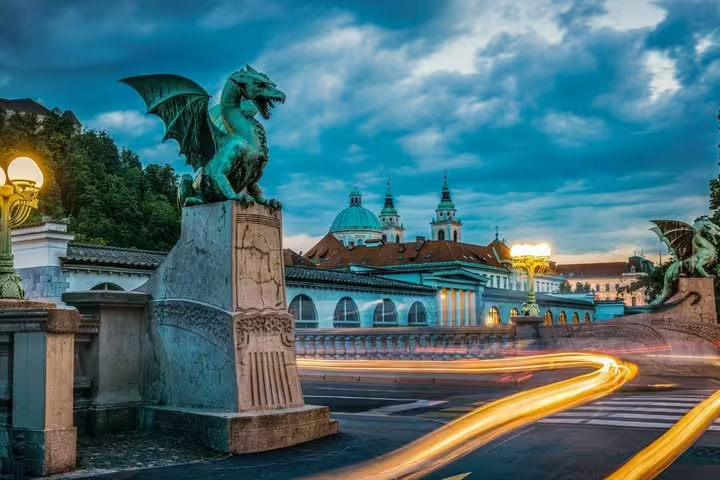
Ljubljana, the capital of Slovenia, is a charming European city nestled between the Alps and the Mediterranean. This vibrant cultural hub is known for its iconic green dragon bridge, historic old town, and thriving artistic community that brings creativity to every corner.
What to see in Ljubljana
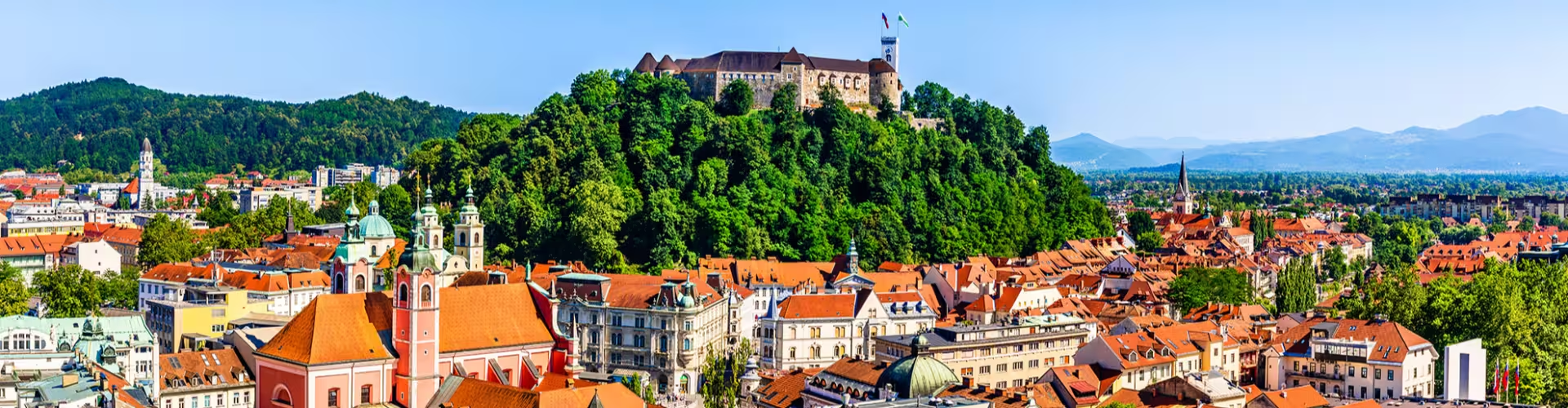
Visitors should not miss the stunning Ljubljana Castle, which overlooks the city from a limestone hill, offering panoramic views and fascinating history. The Central Market, with its colorful stalls and Art Nouveau architecture, showcases local produce and crafts. The Preseren Square and its surrounding baroque architecture reflect the city's rich heritage and serve as the heart of the old town.
Things to do in Ljubljana
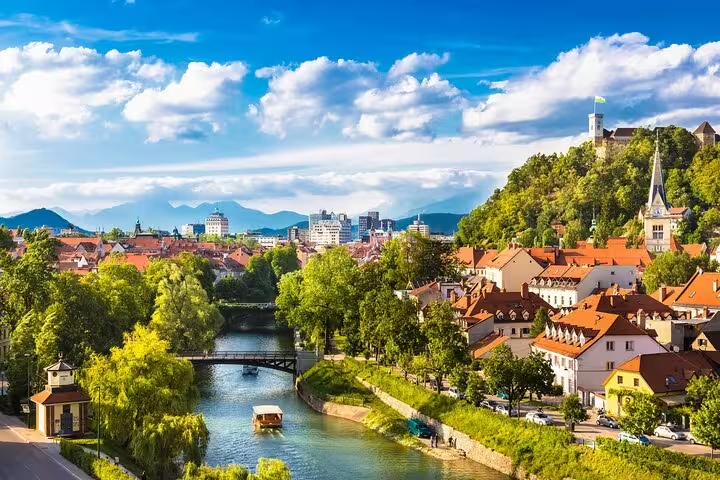
Explore the city by bike on the extensive cycling network or take a leisurely boat tour down the Ljubljanica River. Visit world-class museums such as the National Museum of Slovenia, or simply stroll through the lush Tivoli Park, one of Europe's oldest urban parks. The city's vibrant cafe culture and frequent cultural events make it perfect for both active exploration and relaxed discovery.
Ljubljana's Green and Sustainable Culture
Ljubljana earned the title of European Green Capital for its commitment to sustainability and eco-friendly living. The city prioritizes cycling infrastructure and organic markets, making it a leader in environmental innovation among European capitals. This progressive approach creates a unique atmosphere where nature and urban life blend seamlessly.
Ljubljana is Slovenia's capital and largest city, located in central Slovenia between the Alps and the Mediterranean. The city serves as the country's cultural, economic, and political center, with a population of around 280,000 people. Its strategic location makes it an ideal base for exploring both Slovenia's mountain regions and Mediterranean coast. The city's architecture reflects centuries of Central European history, from Roman settlements to Austro-Hungarian influence.
European capitals, Central European cities, Green capital destinations, UNESCO heritage sites, Sustainable travel, Cultural city breaks, River destinations, Park cities