


Walking Tours in Rome
Rome, Italy
98 experiences

Last updated:


Rome rewards a plan that leaves room for both ancient sites and art, rather than treating every stop as another ruin. The Roman Forum tells the story of public life, and the city's art offers another thread to follow.
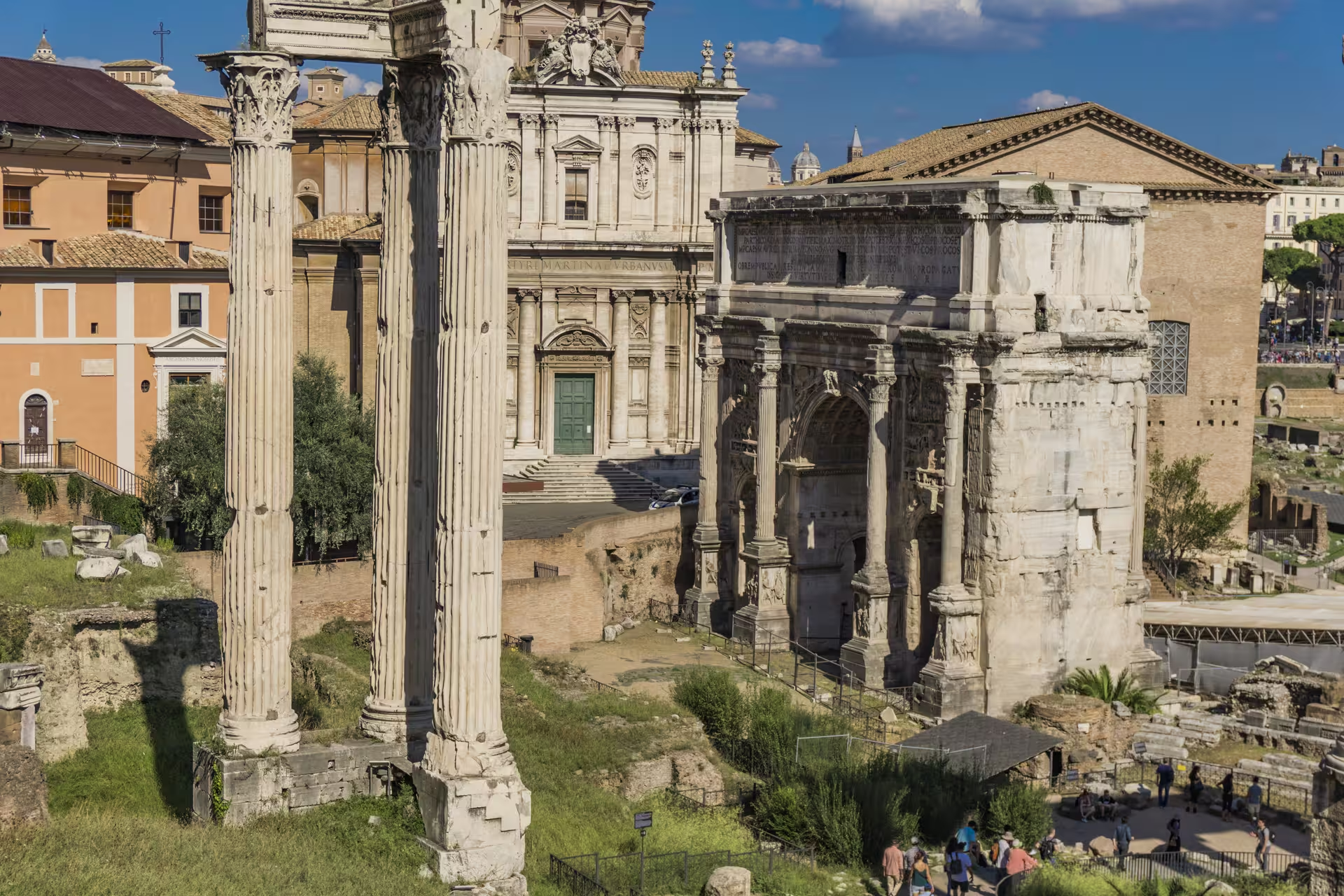
The Roman Forum and Palatine Hill belong together if you want to understand ancient Rome beyond a single monument. Public life revolved around the Forum for more than a thousand years, so think of it as a place where the city functioned, rather than just a collection of ruins. The Arch of Septimius Severus celebrates victories over the Parthians, giving you a concrete example of how power was commemorated here.
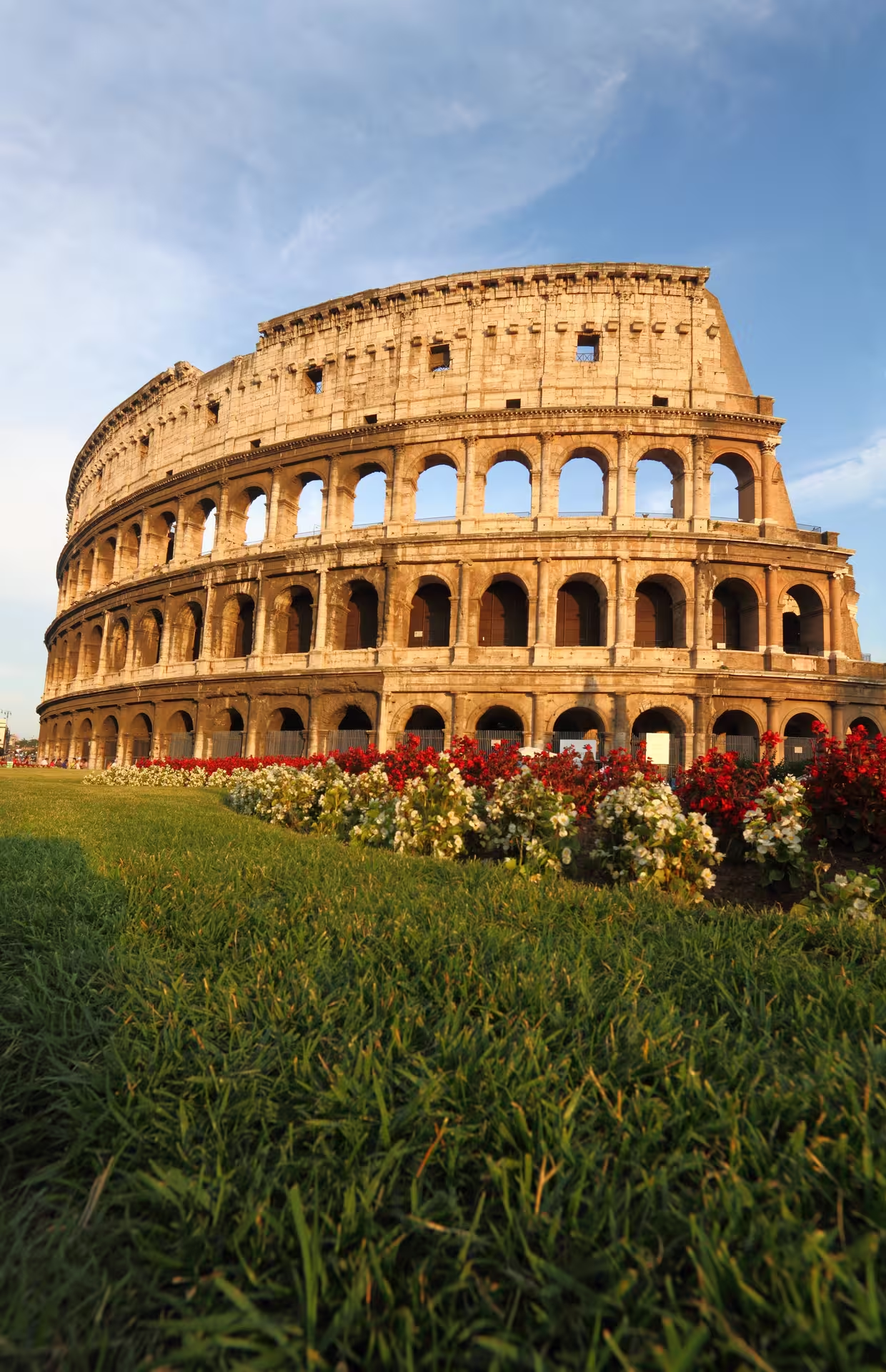
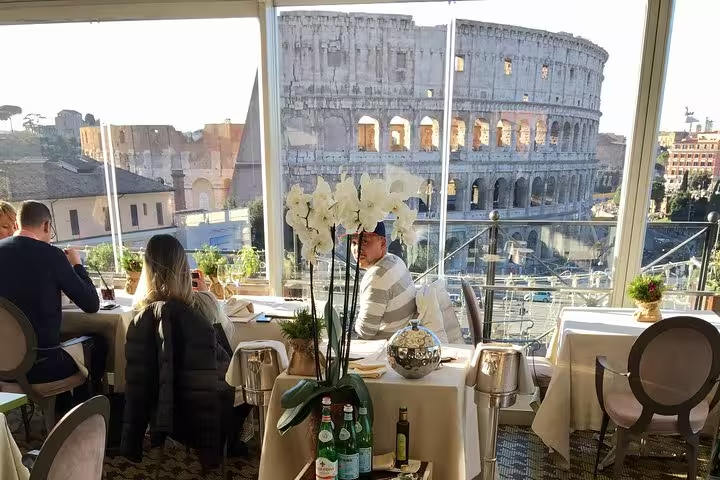
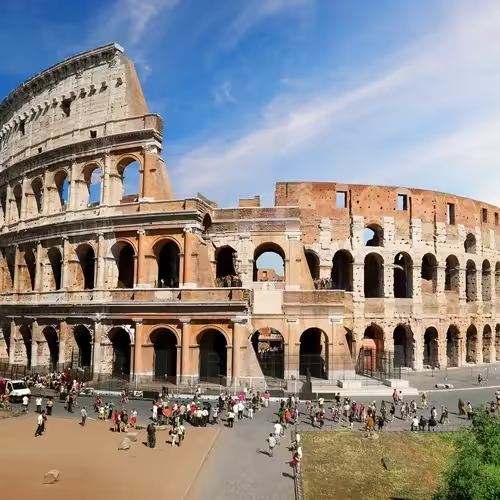
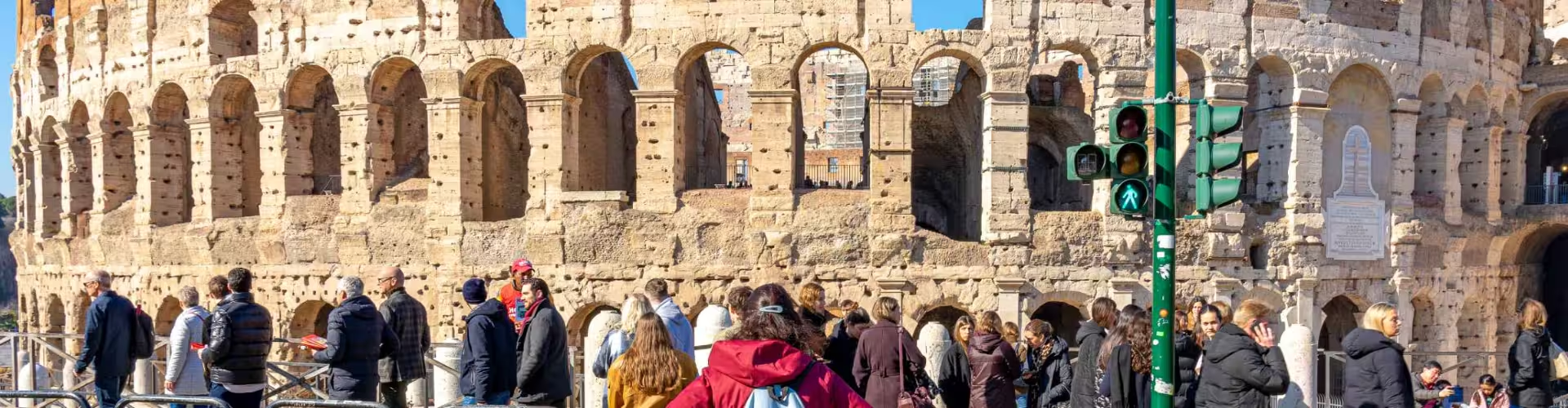
Palatine Hill shifts the focus towards settlement and home: Iron Age remains connect it to Rome's beginnings, and Augustus later selected the hill for his own house. The Colosseum, built at the behest of the Flavian emperors, completes that ancient itinerary.
The Pantheon deserves a stop for its interior scale: its dome spans 43.30 metres. At the Trevi Fountain, look for Pietro Bracci's statue of Oceanus on the façade, rather than trying to take in every detail at once.
For a museum stop, Castel Sant'Angelo connects a museum visit with a funerary monument: Hadrian originally built it as a mausoleum, and it later became a national museum.
Allow three days for an outline that separates ancient sites, art and food instead of putting them all into one day. The first day can centre on the Colosseum, Roman Forum and Palatine Hill; the second can focus on the Pantheon and Trevi Fountain.
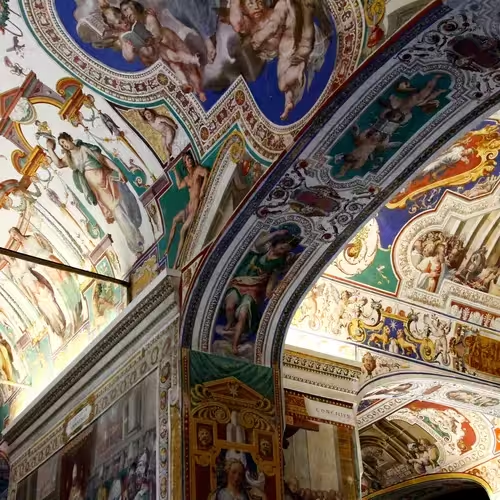
If you want a guided walk alongside museum entry on that second day, the six-hour Rome walking tour with guided entry to the Vatican Museums also provides access to the Sistine Chapel.
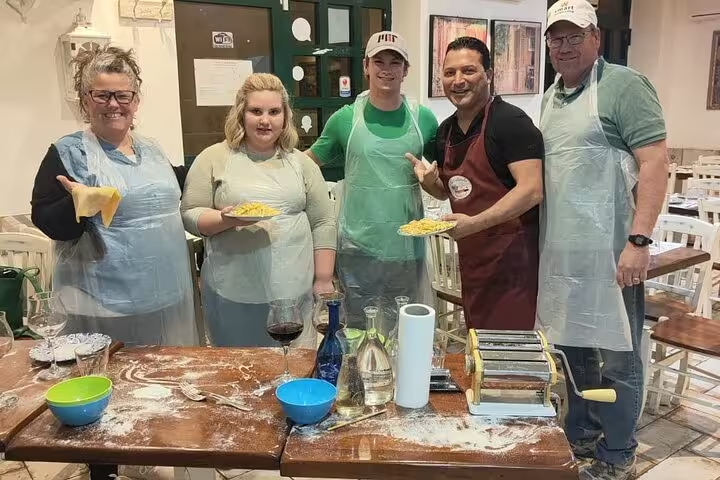
The third day can turn towards Roman cooking, with carbonara, amatriciana and pizza al taglio as dishes to look for.
Pasta is only part of the picture: supplì, saltimbocca and carciofi alla giudia show other sides of Roman cooking. Carbonara and amatriciana are the classics, while carciofi alla giudia are fried artichokes from Jewish-Roman cuisine.
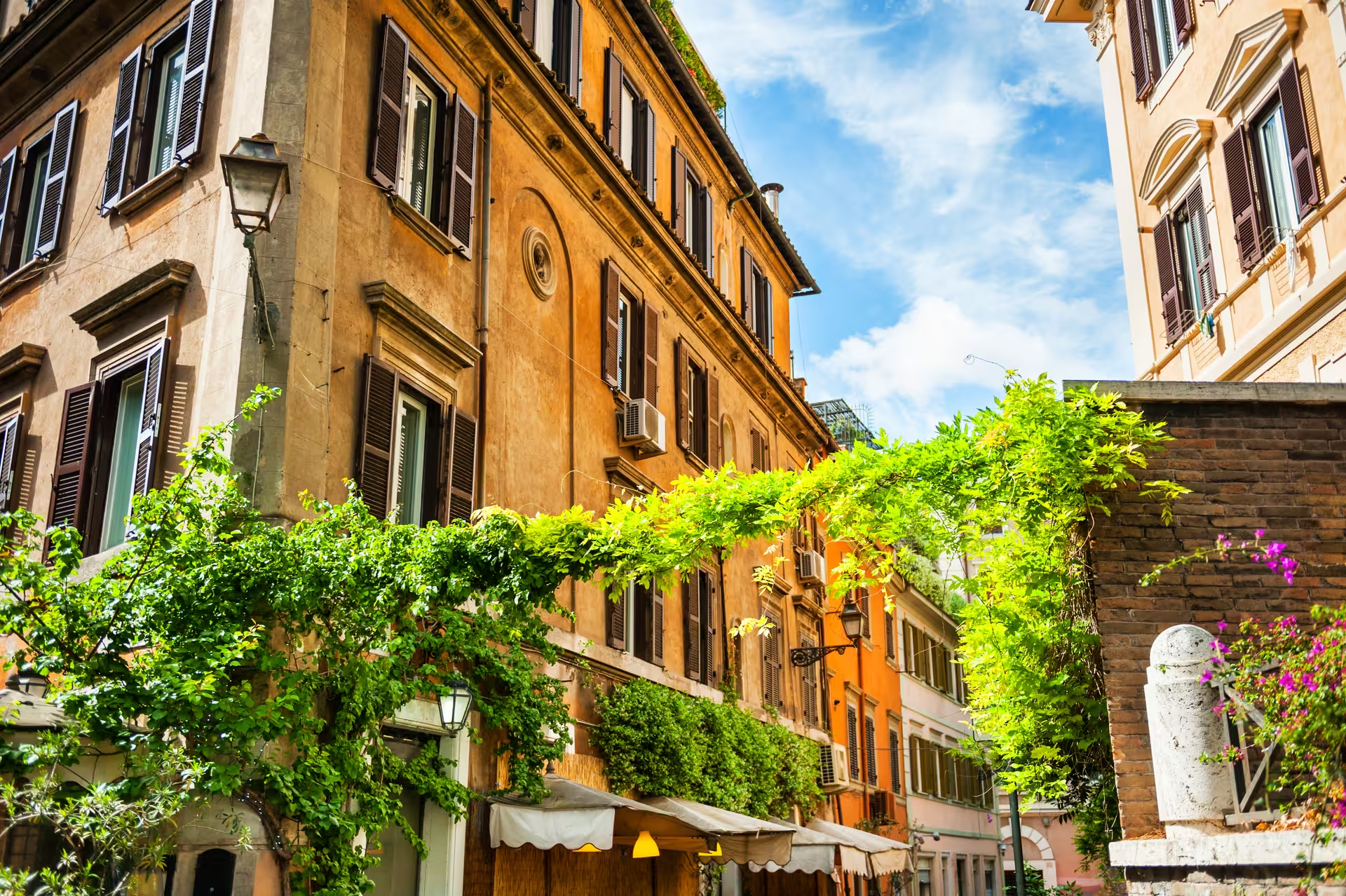
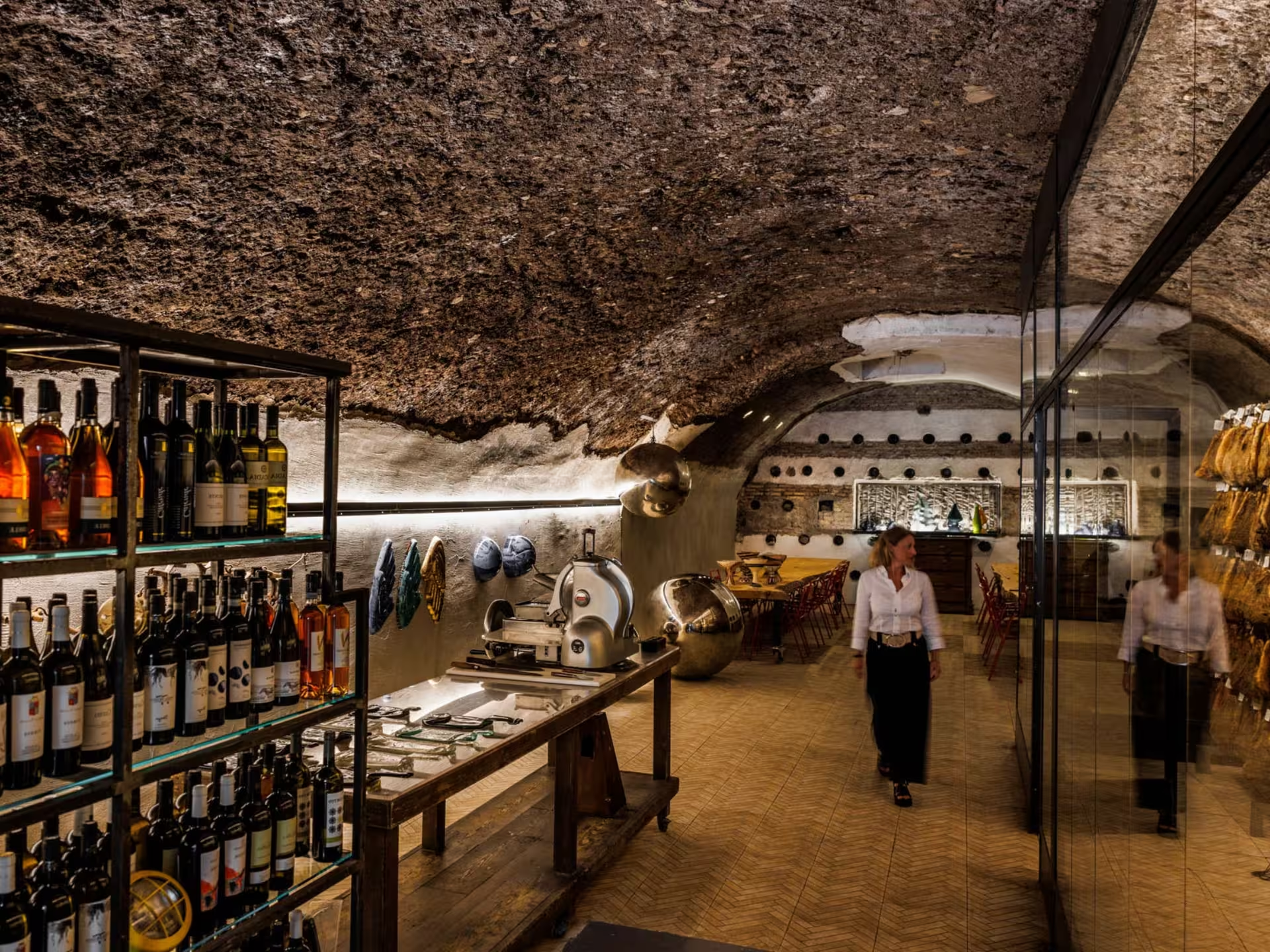
If tasting local food while exploring neighbourhood history appeals, a Trastevere food walking tour brings those interests together with food tastings.
For a walking trip, consider avoiding July and August if you prefer cooler conditions.
Match the airport train to your destination in Rome: Leonardo Express serves Roma Termini, while the regional line serves Roma Tiburtina. From Rome Fiumicino Airport, Leonardo Express takes 32 minutes without intermediate stops.
Aqueduct Park is the place for aqueduct remains, while Caffarella Valley follows a river the ancient Romans held sacred. The park contains arcades of the Claudian Aqueduct, and the Felice Aqueduct also runs through it. Through Caffarella runs the Almone, a tributary of the Tiber that Roman mythology counted as a minor deity.
If you want Florence alongside Rome, reserve a separate day for the 12-hour private guided day trip from Rome to Florence, with a guided visit to the historic centre.
Yes, the Historic Centre of Rome was inscribed on the UNESCO World Heritage List in 1980.
Yes, the Natale di Roma marks the city's birthday on 21 April, the date the legend recounted by Varro gives for its founding in 753 BC.
Yes, the Appia Antica Regional Park was established by regional law on 10 November 1988.
Sources: Ministero della Cultura (cultura.gov.it) (CC BY 3.0): centro-storico-di-roma-le-proprieta-extraterritoriali-della-santa-sede-nella-citta-e-san-paolo-fuori-le-mura.