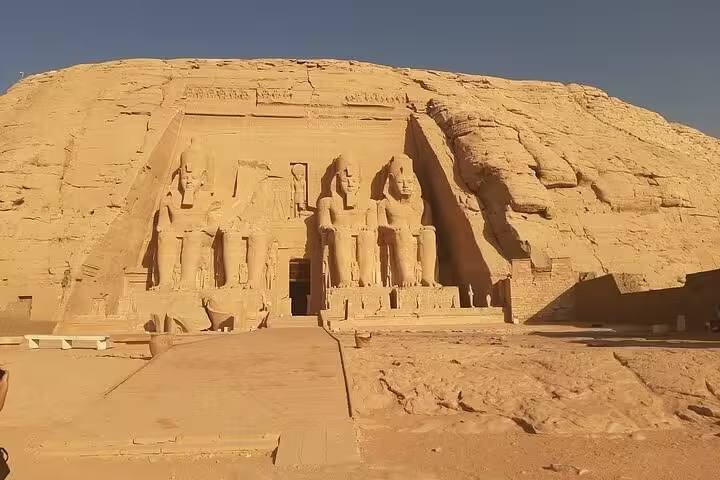
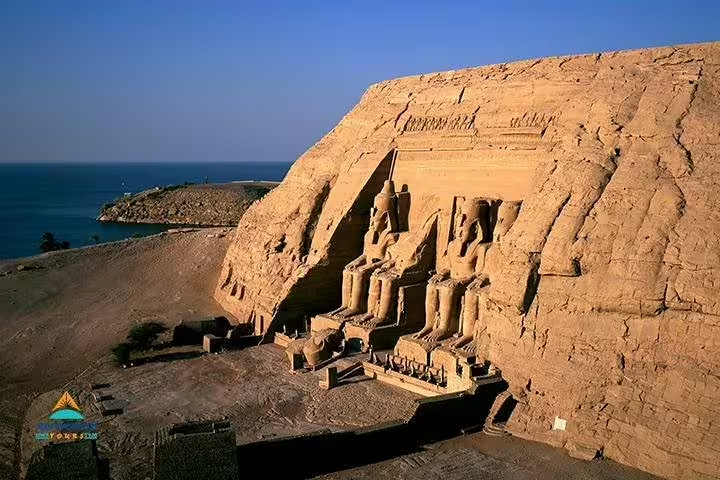
The Great Temple of Abu Simbel, in Nubia near Egypt's southern border, was cut into the living rock by King Ramesses II of the Nineteenth Dynasty, around 1264 BC.
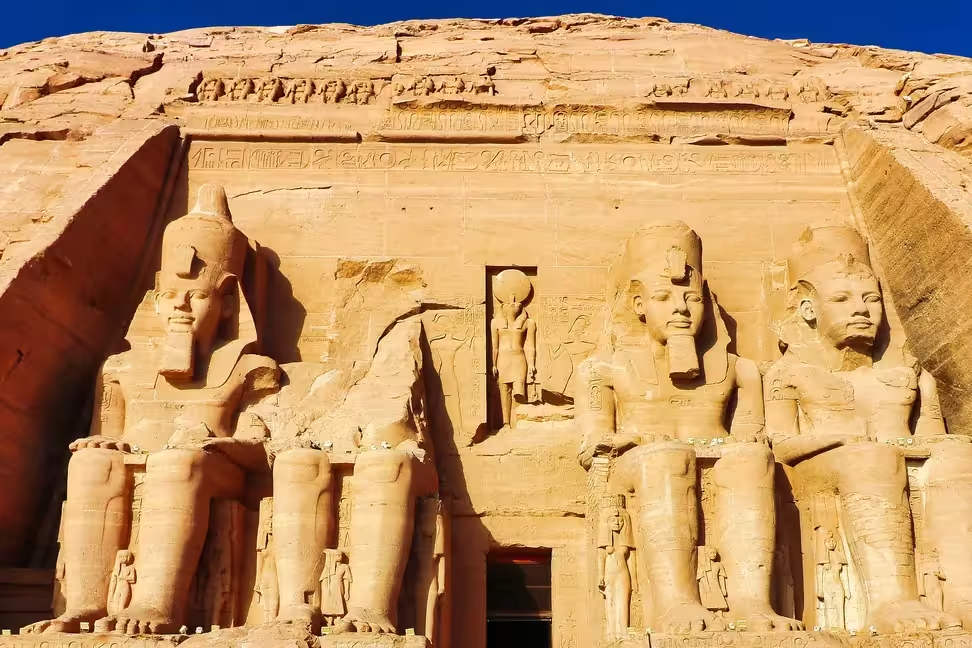
Four seated colossal statues dominate the façade. One of them collapsed in an ancient earthquake, and its fragments can still be seen on the ground.
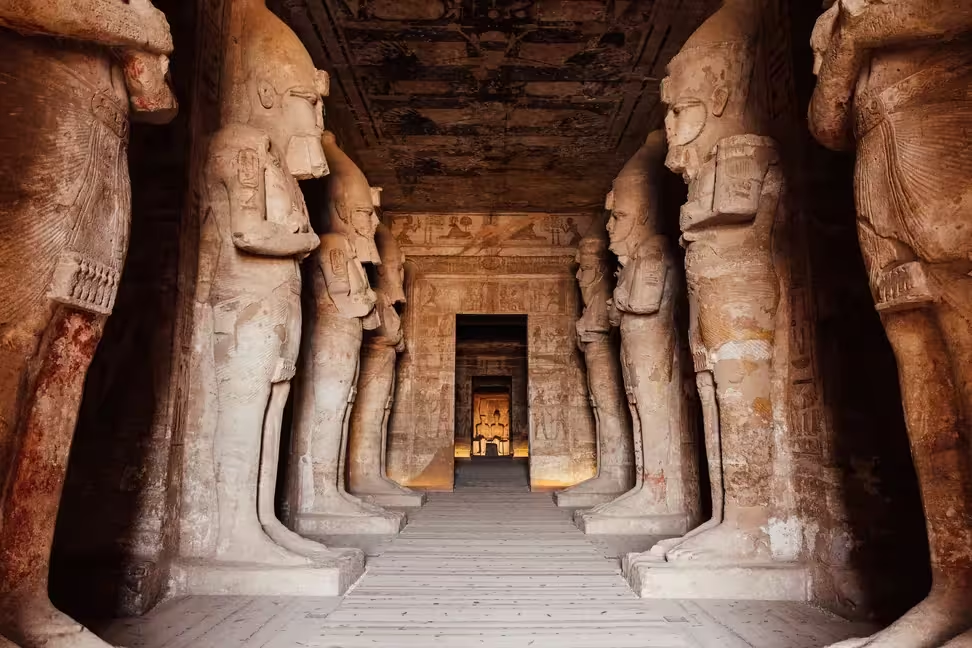
Inside, colossal standing statues of the king line the main hall, which leads to the sanctuary where four deities sit: Amun Ra, Ra Horakhty, Ptah and a deified Ramesses II.
On two days a year, 22 February and 22 October, the sun's rays enter the temple, cross the main hall and light up the innermost statues.
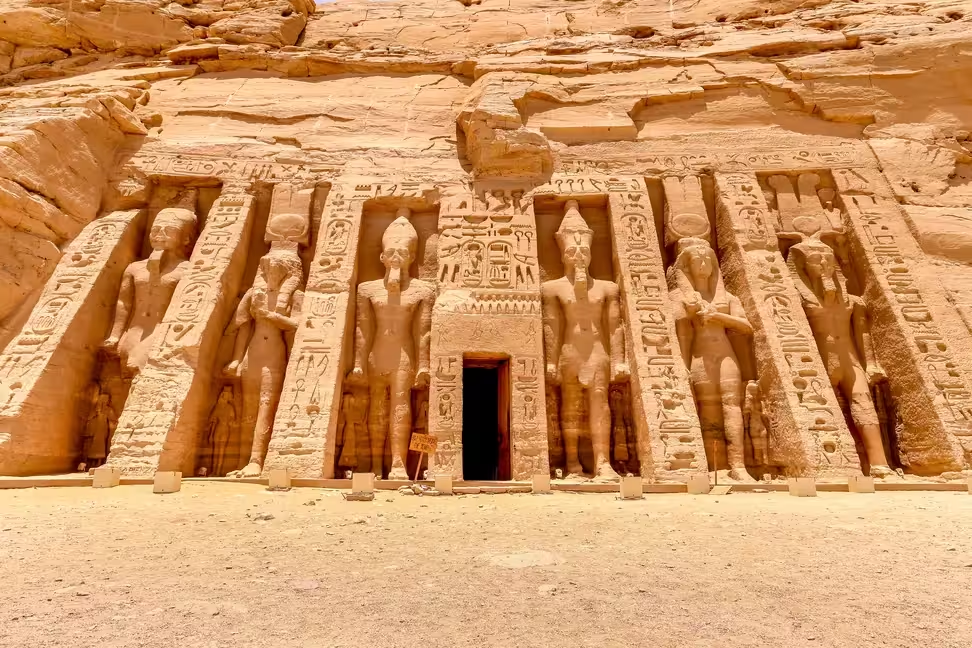
The Small Temple, another rock-cut temple to the north, is dedicated to the goddess Hathor and to Queen Nefertari, Ramesses II's Great Royal Wife. On its façade her colossi are the same size as those of her husband.
The two temples were moved from their original location in 1968, after the Aswan High Dam was built, because the dam threatened to submerge them. The relocation was completed thanks to an international effort led by UNESCO, and Abu Simbel was admitted into its list of World Heritage Sites in 1979.
Abu Simbel opens every day from 6 am (06:00) to 5 pm (17:00).
The temple of Isis at Philae, also saved from the flooding caused by the Aswan High Dam, has its own page: our Philae guide. If you are choosing a cruise, our article Nile Cruise from Luxor to Aswan: How Many Days and Which Cruise compares those between Luxor and Aswan.
Every trip that starts or stops here is also on our destination page.
On 22 February and 22 October, when the sun's rays cross the main hall and reach the innermost statues.
Ramesses II, a king of the Nineteenth Dynasty, had it cut into the rock around 1264 BC.
The Aswan High Dam threatened to submerge the two temples, so they were moved in 1968.
The goddess Hathor and Queen Nefertari, the Great Royal Wife of Ramesses II.
Daily, between 6 am and 5 pm (06:00 to 17:00).
Facts from the official website of Egypt's Ministry of Tourism and Antiquities (egymonuments.gov.eg), checked on 13 October 2026.