Abu Simbel is one of Egypt’s most powerful cultural landmarks, famous for monumental rock cut temples that feel both remote and cinematic. The journey is part of the appeal, desert horizons, Lake Nasser, and a sense of arrival that rewards early starts and careful planning. This guide focuses on practical decision support so you can choose the right timing, transport style, and pace for your trip to Abu Simbel.
Abu Simbel delivers a signature vibe of vast desert scale, quiet intensity, and awe-inspiring ancient engineering. People come for the temples, the light, and the feeling of standing face to face with history in a place far from Egypt’s busiest streets. Go now if you want a high impact highlight that pairs well with Aswan and Lake Nasser, especially if you plan transport and timing in advance.
Abu Simbel sits in southern Egypt within the Aswan Governorate, close to Lake Nasser and near the Sudan border. Most travelers route through Aswan, which functions as the main regional hub for onward travel planning. For gateways, look at domestic connections into Aswan, then continue overland or by air depending on your schedule and comfort level.
Expect a desert climate, which typically means big sun, dry air, and strong temperature swings between day and night. Cooler months are generally more comfortable for long outdoor viewing and photography, while hotter months can feel intense, especially around midday when shade is limited. For crowd strategy, aim for early morning visits, and consider building flexibility into your day so you can linger when the site feels calmer.
Bring cash in Egyptian pounds for small purchases and tips, and keep smaller notes handy to avoid awkward change situations. Cards can be useful in larger hotels or established operators, but do not rely on them as your only option in remote areas. Budget wise, the biggest cost variable is transport style, private car, group tour, or flight, so decide that first and build the rest of the day around it.
Secondary keywords: Abu Simbel temples, Aswan to Abu Simbel, day trip to Abu Simbel, Lake Nasser, Ramses II temple, Nefertari temple
1) See the Great Temple of Ramses II
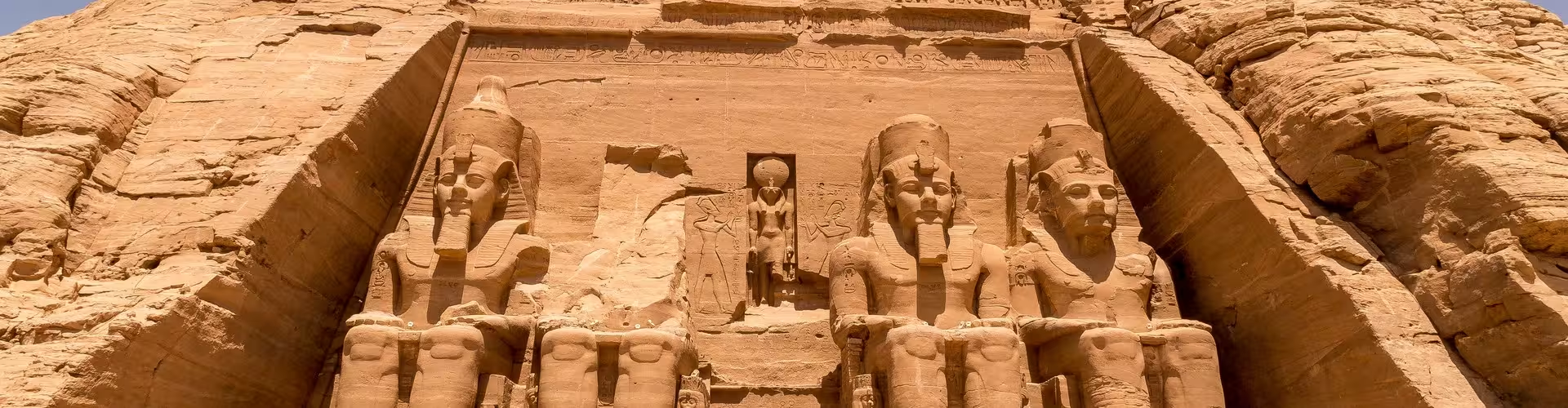
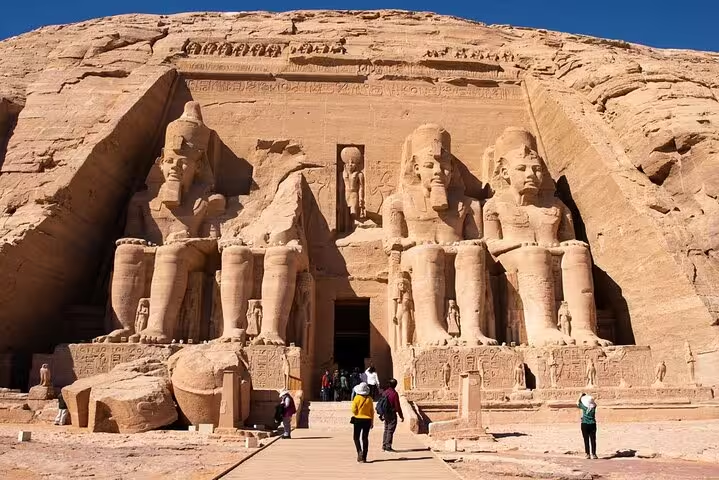
This is the headline experience, the monumental facade and colossal statues set the tone before you even step inside. The interior chambers add atmosphere, shifting from bright entrance light to cooler, darker spaces that heighten the sense of scale. Practical tip, arrive early for softer light and a calmer first impression, and keep a light layer for the interior temperature change.
2) Visit the Temple of Nefertari
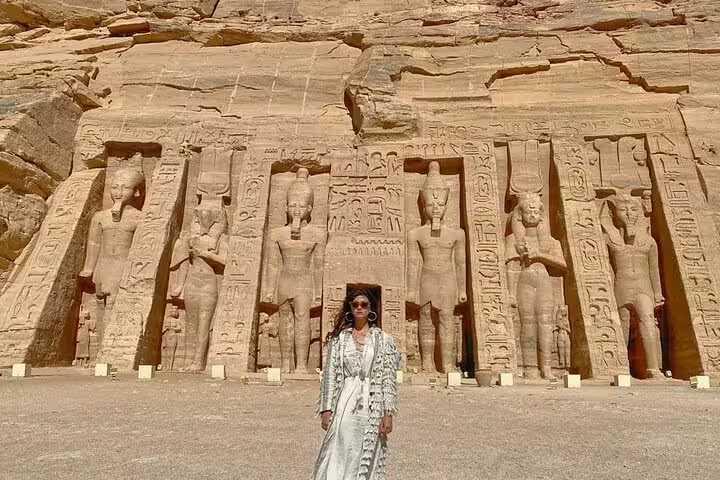
Often paired with the main temple, this site adds emotional range and a different visual rhythm. It is a reminder that Abu Simbel is not only about size, it is also about symbolism, devotion, and artistic detail. Practical tip, slow down and look for smaller carved elements, they photograph well in angled light.
3) Walk the shoreline views near Lake Nasser
The presence of Lake Nasser changes the mood, it brings openness, reflections, and a sense of distance from city life. Even a short walk helps you reset after the intensity of the temples. Practical tip, carry water and sun protection, and plan this for a cooler part of the day.
4) Plan a photography focused visit
The temples reward patient framing, wide shots for scale, and tighter details for texture and storytelling. Light can be harsh in the desert, so timing matters as much as gear. Practical tip, use early morning for exteriors, then switch to details and interiors when the sun is higher.
5) Choose your transport style from Aswan
The route matters because it shapes your energy, private transfers offer control, group tours offer simplicity, and flights reduce road time. This is the most important decision for anyone doing Aswan to Abu Simbel in a single day. Practical tip, confirm pick up timing the day before, and keep snacks and water with you regardless of the option.
6) Do a structured day trip to Abu Simbel with a buffer
Many travelers underestimate how the early start and desert travel affect stamina. A buffer gives you room for unhurried viewing, breaks, and photo stops without feeling rushed. Practical tip, avoid stacking a late night activity in Aswan the day before, and keep the following morning flexible if possible.
7) Learn the story behind the relocation and preservation
The modern history of safeguarding the temples is part of what makes the site feel globally significant, not only locally important. Understanding that context adds depth to what you see and helps you notice the engineering choices around the complex. Practical tip, read a short overview before you arrive, then use your time on site to connect the story to the physical layout.
8) Build a respectful, quiet moment inside the complex
Beyond the photos, Abu Simbel is a place that benefits from stillness. A few minutes of quiet observation can make the visit feel more personal and memorable. Practical tip, step aside from the main flow, lower your voice, and let others pass so you can absorb the atmosphere.
Start with an early departure from Aswan to protect your time on site and avoid the harshest midday conditions. Visit the Great Temple first, then the Temple of Nefertari while your focus is sharp and the crowds are manageable. Afterward, take a short pause for water and shoreline views near Lake Nasser, then begin the return with enough buffer to handle road conditions and rest stops.
Use day one for arrival and a relaxed first look at the temples, focusing on exterior scale and broad orientation. Day two can be your detail day, interiors, carvings, photography angles, and a slower walk to absorb the setting around the lake. If you have a third day, keep it flexible for revisiting at a different time of day, or for adding a Lake Nasser focused experience through a local operator.
Food options vary by hotel and local eateries, and the best approach is to keep expectations simple and prioritize freshness and hydration.
Most visitors approach Abu Simbel via Aswan using a tour, private car, or a flight option depending on availability and your schedule. Walking is mainly relevant within the temple complex itself, where paths are straightforward, but sun exposure can be strong. For comfort and safety, plan for water, sun protection, and a calm pace, and if anyone in your group has mobility needs, choose transport and timing that reduce long standing in heat.
Is Abu Simbel best as a day trip or an overnight stay?
A day trip works well if you plan an early departure and keep a buffer for travel time. An overnight stay suits travelers who want a slower pace and more flexibility for light and crowds.
What is the easiest way to plan Aswan to Abu Simbel transport?
Choose between a group tour, a private transfer, or a flight based on your time and comfort level. Confirm timings in advance and carry water and snacks for the journey.
When is the best time of day to visit Abu Simbel?
Early morning is usually the most comfortable and can offer softer light for exterior photos. Midday can be hotter, so plan interiors and breaks during the brightest hours.
Do I need cash while visiting the area?
Yes, carrying cash in Egyptian pounds is a smart backup for small purchases and tips. Keep smaller notes so you can pay quickly and avoid needing change.
How much time should I set aside at the temples?
Give yourself enough time to see both main temples, pause for photos, and take short breaks. Rushing makes the experience feel flat, especially after a long travel day.