Portugal

logoBlack

Build your dream
experience

dreamimg

More to know about Portugal

Embracing Portugal's Diversity: A Comprehensive Guide to Culture, Cuisine, and Hidden Gems

Portugal. The name conjures images of sun-drenched coastlines, historic cities, and the melancholic strains of Fado. But beyond the picture-postcard views lies a deeper truth: Portugal is a land of genuine warmth and welcome, a place where visitors are embraced with open arms. This guide invites you to discover the heart of Portugal, exploring its rich culture, delectable cuisine, and hidden gems, all while experiencing the renowned Portuguese hospitality.

A Warm Embrace: Portugal's Welcoming Spirit

From the moment you arrive, you'll be struck by the genuine kindness of the Portuguese people. Their inherent politeness and willingness to assist visitors create a truly welcoming atmosphere. Whether you're asking for directions in a bustling city or sharing a meal in a small village taverna, you'll find yourself met with smiles and a genuine desire to make your experience memorable. This inherent sympathy and understanding are woven into the fabric of Portuguese culture, making it a truly special destination.

Iconic Experiences: A Journey Through Portugal's Treasures

Portugal boasts a wealth of iconic attractions that showcase its diverse beauty:

  • Douro Valley River Tours: Drift along the majestic Douro River, surrounded by terraced vineyards that produce the world-famous Port wine. The stunning landscapes and the relaxed pace of the river offer a truly immersive experience. The local people's pride in their heritage adds another layer to this unforgettable journey.

  • Porto Wine & UNESCO Heritage: Explore the historic cellars of Vila Nova de Gaia, where Port wine has been aged for centuries. This UNESCO World Heritage city is a treasure trove of architectural wonders and cultural experiences, reflecting the rich history and welcoming spirit of the region.

  • The Soulful Sounds of Fado: Experience the evocative melodies of Fado, Portugal's traditional music. This expressive art form, often performed in intimate settings, tells stories of love, loss, and longing, offering a glimpse into the Portuguese soul. The performers often connect with the audience on a personal level, fostering a sense of shared emotion.

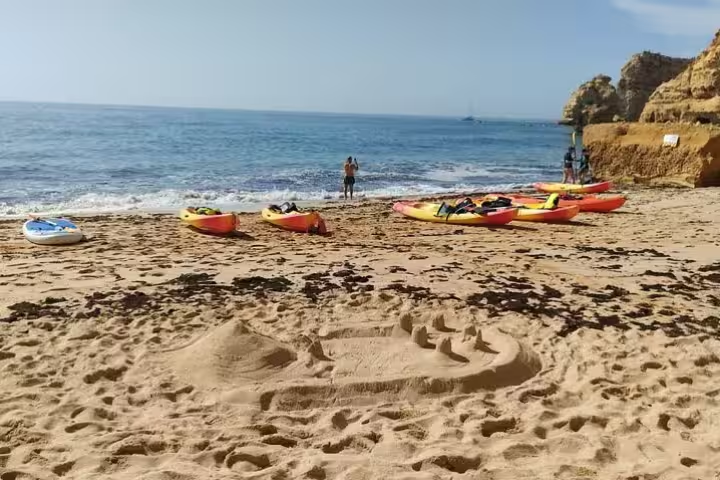
  • Coastal Paradise: Algarve, Sintra, and Alentejo Beaches: From the dramatic cliffs and golden sands of the Algarve to the wilder, more serene shores of Alentejo, Portugal's coastline is a paradise for beach lovers. Sintra, while known for its palaces, also offers access to beautiful beaches nearby. The relaxed beach culture and warm hospitality of the locals make these destinations truly special.

Unearthing Hidden Gems: Beyond the Tourist Trail

Venture beyond the well-trodden paths to discover the true heart of Portugal:

  • Local Neighborhoods of Porto: Wander through the charming backstreets of Porto, where you'll encounter local shops, traditional cafes, and friendly residents eager to share their stories. This authentic experience offers a true taste of Portuguese life.

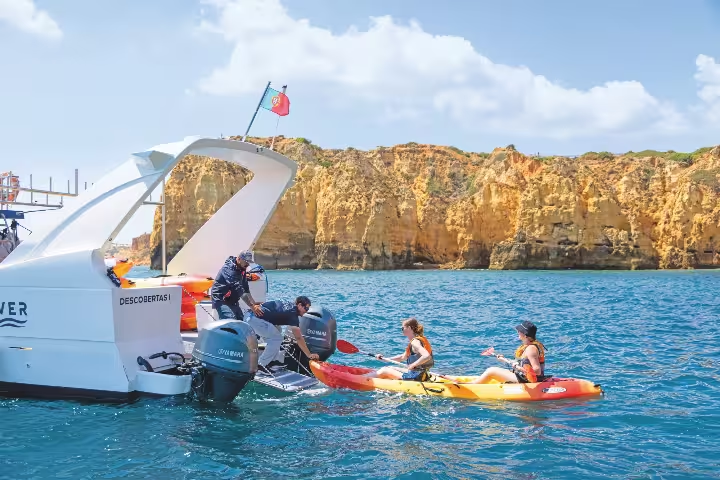
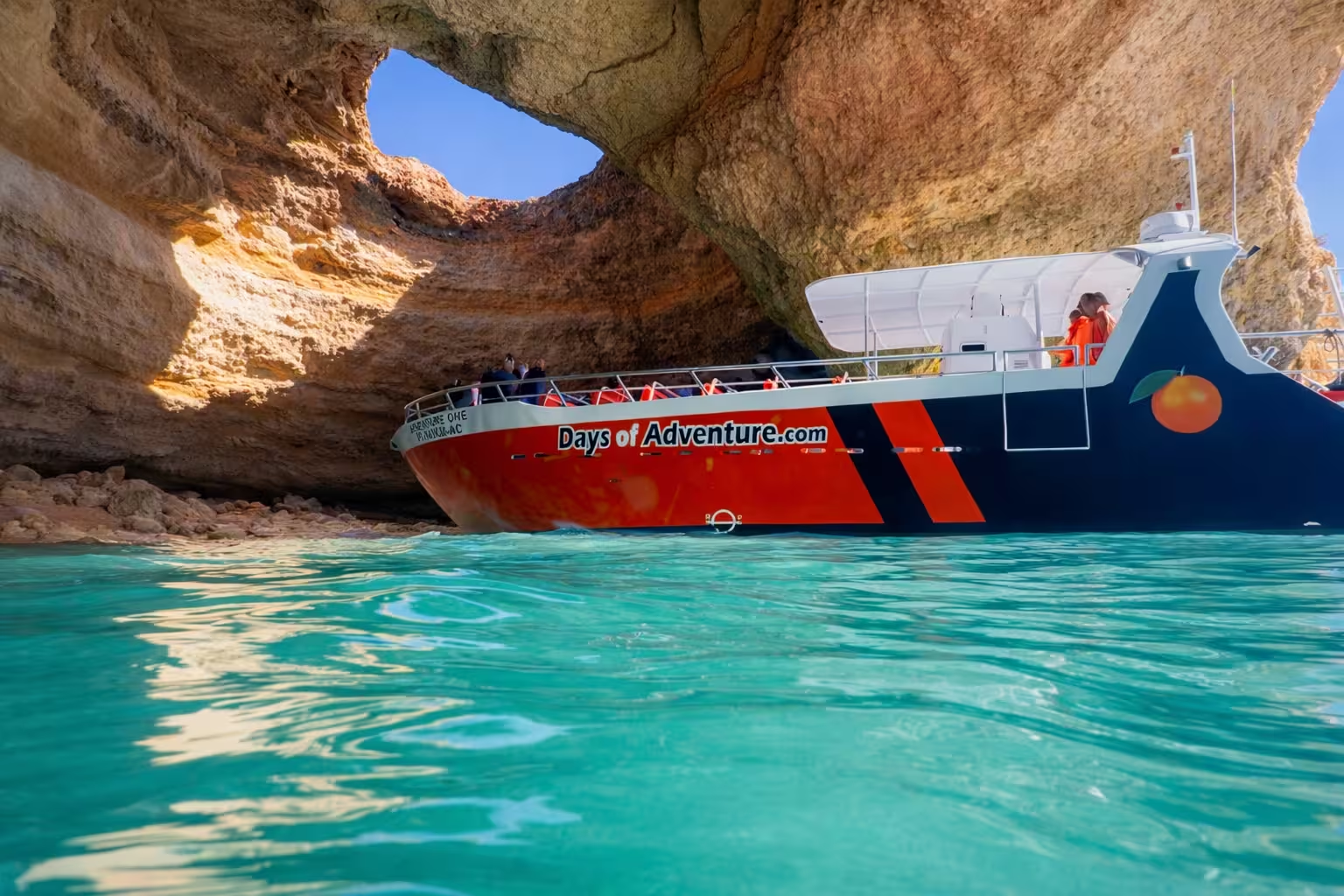
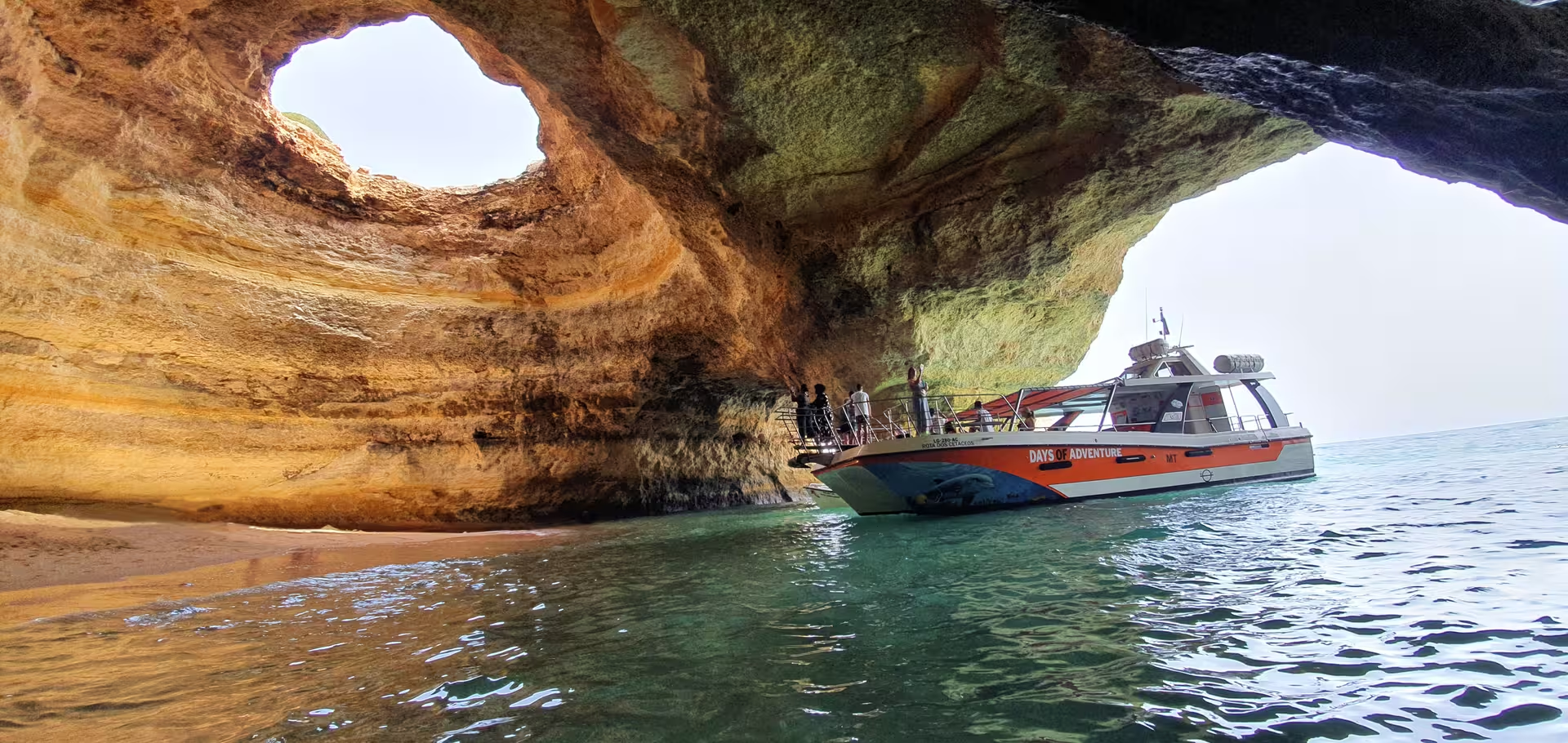
  • The Magical Benagil Cave (Algarve): Explore this breathtaking sea cave, accessible by boat or kayak. The stunning natural beauty and the sense of adventure create a truly unforgettable experience.

  • Sintra's Mystical Charm: While not exactly "hidden," Sintra's magical palaces and gardens, nestled amidst lush forests, offer a unique and enchanting experience. The town's mystical atmosphere and welcoming locals contribute to its charm.

  • Alentejo's Serene Landscapes: Discover the vast plains, cork forests, and charming villages of Alentejo. This region offers a slower pace of life and a chance to connect with nature and experience genuine rural Portuguese hospitality.

A Taste of Portugal: Culinary Delights and Cultural Immersion

Immerse yourself in the rich tapestry of Portuguese culture through its food and experiences:

  • Savoring Portuguese Cuisine: From fresh seafood and hearty stews to the iconic Pastel de Nata, Portuguese cuisine is a feast for the senses. Sharing a meal with locals is a wonderful way to experience their warm hospitality.

  • Exploring UNESCO Heritage Sites: Portugal is home to numerous UNESCO World Heritage sites, each offering a glimpse into the country's rich history and cultural heritage.

  • Experiencing the Algarve, Sintra and Alentejo: Each region offers unique experiences, from the vibrant beach life of the Algarve to the fairytale palaces of Sintra and the tranquil landscapes of Alentejo.

Practical Information for Your Journey:

  • Best Time to Visit: Spring and autumn offer pleasant weather and fewer crowds.

  • What to Wear: Pack comfortable walking shoes and layers, as the weather can vary.

  • Must-Try Cuisine: Pastel de Nata, Bacalhau (codfish), Francesinha (Porto sandwich).

  • Activities: Fado performances, Douro Valley river tours, exploring Sintra's palaces and gardens, hiking in Alentejo.

Embrace the Portuguese Spirit:

Portugal is more than just a destination; it's an experience. It's a place where you'll be greeted with open arms, where you'll discover breathtaking landscapes and rich cultural traditions, and where you'll create memories that will last a lifetime. Come and experience the sympathetic culture and unforgettable charm of Portugal, including the magical Sintra and the serene Alentejo. We invite you to embrace the warmth and welcome that awaits you in this beautiful corner of the world.


Here are some common Q&A made by tourists wanting to visit Portugal:

1. What is the best time to visit Portugal?

  • Answer: The best time to visit Portugal depends on your interests. Spring (April-May) and autumn (September-October) offer pleasant weather, fewer crowds, and lower prices. Summer (June-August) is ideal for beach holidays, but it can be hot and crowded, especially in the Algarve. Winter (November-March) is mild in the south but can be rainy and cooler in the north. If you're interested in specific festivals or events, research their dates as they can influence your travel plans.

2. Do I need a visa to visit Portugal?

  • Answer: Portugal is part of the Schengen Area. Citizens of many countries, including the US, Canada, Australia, and most EU countries, can enter Portugal visa-free for stays of up to 90 days within a 180-day period. It's always best to check the specific visa requirements based on your nationality before you travel, as rules can change. You can usually find this information on the website of the Portuguese embassy or consulate in your country.

3. What is the currency in Portugal?

  • Answer: The currency in Portugal is the Euro (€).

4. What language is spoken in Portugal?

  • Answer: The official language is Portuguese. While English is widely spoken in tourist areas, especially in hotels, restaurants, and shops, learning a few basic Portuguese phrases will be appreciated.

5. How do I get around in Portugal?

  • Answer: Portugal has a good public transportation system. Trains and buses connect major cities and towns. Within cities, there are metro systems, buses, and trams. Renting a car can be a good option for exploring more rural areas, but be aware of tolls and parking difficulties in some cities. Taxis and ride-sharing services are also available.

6. What are some must-see places in Portugal?

  • Answer: Portugal offers a variety of attractions. Some popular destinations include Lisbon (for its historic neighborhoods, vibrant culture, and delicious food), Porto (for its port wine cellars and charming architecture), the Algarve (for its stunning beaches and golf courses), Sintra (for its fairytale castles and palaces), and the Douro Valley (for its scenic vineyards and wine tasting). This is just a small sample; there are many other beautiful and interesting places to discover.

7. What is Portuguese food like?

  • Answer: Portuguese cuisine is delicious and diverse. Seafood is a staple, with dishes like bacalhau (codfish) being very popular. Other specialties include sardinhas assadas (grilled sardines), francesinha (a meat sandwich), and pastel de nata (custard tart). Don't forget to try the local wines, including Port wine and Vinho Verde.

8. Is Portugal expensive?

  • Answer: Portugal is generally considered to be more affordable than many other Western European countries. However, prices can vary depending on the location and time of year. Lisbon and the Algarve tend to be more expensive than other regions.

9. What are some cultural customs I should be aware of?

  • Answer: Portuguese people are generally friendly and welcoming. It's customary to greet people with a handshake. Tipping is appreciated in restaurants and cafes (around 10%). Dress modestly when visiting churches. Be aware that punctuality is not always strictly observed.

10. Is it safe to travel in Portugal?

  • Answer: Portugal is considered a very safe country with a low crime rate. However, as with any travel destination, it's always wise to take precautions against petty theft, especially in crowded tourist areas.

11. What kind of electrical outlets are used in Portugal?

  • Answer: Portugal uses Type C and Type F electrical outlets. The standard voltage is 230 V and the frequency is 50 Hz. You will likely need a plug adapter if your devices use a different plug type.

12. What should I pack for a trip to Portugal?

  • Answer: Pack light, comfortable clothing suitable for the time of year you are visiting. Layers are always a good idea, as the weather can change quickly. If you plan on doing a lot of walking, bring comfortable shoes. Don't forget essentials like sunscreen, a hat, and sunglasses, especially if you're visiting during the summer. A universal adapter is also useful for charging your electronics.

13. Do I need travel insurance for Portugal?

  • Answer: While not mandatory, travel insurance is highly recommended. It can protect you against unexpected events such as medical emergencies, lost luggage, and trip cancellations.

14. Are credit cards widely accepted in Portugal?

  • Answer: Credit cards are widely accepted in most shops, restaurants, and hotels, especially in tourist areas. However, it's always a good idea to carry some cash for smaller purchases and tips.

15. What are some useful Portuguese phrases for tourists?

  • Answer:
    • Olá (Hello)
    • Bom dia (Good morning)
    • Boa tarde (Good afternoon/evening)
    • Boa noite (Good night)
    • Obrigado/Obrigada (Thank you - masculine/feminine)
    • De nada (You're welcome)
    • Por favor (Please)
    • Com licença (Excuse me)
    • Quanto custa? (How much does it cost?)
    • Não falo português (I don't speak Portuguese)
    • Onde é...? (Where is...?)

This is not an exhaustive list but covers many frequently asked questions laugh