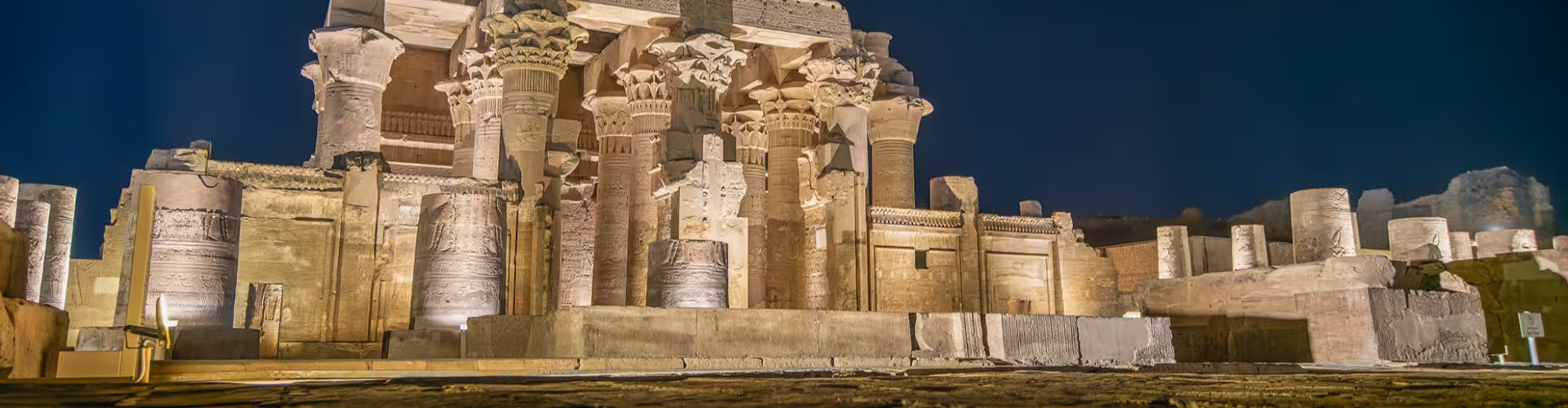


Kom Ombo is a Nile-side town in Upper Egypt that travelers often experience between Aswan and Luxor, yet it rewards anyone who slows down. The signature vibe is calm and river-facing, with a strong sense of ancient history and everyday local life sharing the same waterfront. Come with a plan, because Kom Ombo works best as a focused stop that blends archaeology, scenery, and simple, satisfying food.
Kom Ombo feels like a pause button on the Nile, less hectic than the big-name cities, but still deeply connected to Egypt’s pharaonic story. The main draw is its temple heritage and the river views that make even a short visit feel cinematic. Go now if you want a quieter, more manageable stop that still delivers iconic Upper Egypt atmosphere.
Kom Ombo sits in Upper Egypt within Aswan Governorate, along the Nile corridor that links Aswan with Luxor. For most travelers, the practical gateways are Aswan as the nearest major hub, and Luxor as the northern counterpart, with onward travel by road, rail, or Nile cruise itineraries that follow the river’s classic sightseeing route. Because it is positioned on a well-traveled tourism spine, Kom Ombo can be visited as a day stop or as a short overnight base depending on your pace.
Upper Egypt is known for strong sun and big seasonal swings, so timing shapes your comfort more than almost anything else. Cooler periods generally make walking and temple visits more pleasant, while hotter periods can be challenging in exposed areas near stone monuments and open promenades. Crowds often track the broader Aswan and Luxor flow, so starting early in the day can help you experience the riverfront and major sites with more space and better light.
Plan to carry cash for small purchases, local transport, and quick meals, since smaller vendors may not reliably accept cards. Keep smaller notes handy to simplify everyday transactions and reduce the need for change. For a smoother trip, set a daily budget that covers transport, food, and any site entries, then keep a separate reserve for unexpected needs like extra rides or last-minute schedule changes.
Kom Ombo is best enjoyed through a handful of high-impact experiences that balance history, scenery, and local rhythm. Use these ideas as a flexible checklist, especially if you are visiting on a tight timeline.
Visit the Temple Complex
This is the defining experience in Kom Ombo, and it anchors the destination’s identity as part of the Nile’s ancient heritage route. The setting near the river adds atmosphere, and the stonework helps you connect the town to the broader story of pharaonic Upper Egypt. Practical tip, go early for softer light and a cooler walk, then return to the waterfront later for photos.
Walk the Nile Riverfront at Golden Hour
The river is the town’s main stage, and a simple walk can feel like a guided tour of daily life, fishing scenes, and passing boats. The light near sunset tends to be the most flattering, and the breeze can make the evening more comfortable. Practical tip, bring water and pace yourself, then choose a spot to sit and watch the Nile traffic before dinner.
Photograph Upper Egypt Landscapes
The wide Nile views, palm-lined edges, and open skies give Kom Ombo a strong sense of place. Even without a packed itinerary, you can capture classic Upper Egypt visuals that feel distinct from the busier temple centers. Practical tip, use the early morning for crisp shadows and the late afternoon for warmer tones.
Plan a Nile Cruise Stop Wisely
Many travelers encounter Kom Ombo as part of a Nile cruise route, which can be efficient if you want a streamlined experience. The key is to be ready to move quickly, since cruise stops can be time-bound and shared with other groups. Practical tip, confirm your meeting point and timing in advance, and prioritize the main site first before browsing.
Try Local Cafes and Simple Restaurants
Food in Kom Ombo is often about comfort and familiarity, with Egyptian staples that travel well and suit hot weather. A relaxed meal also lets you reset between travel legs, especially if you are moving between Aswan and Luxor. Practical tip, choose places with steady turnover, and order familiar classics if you want predictable flavors.
Shop for Small Practical Souvenirs
Rather than focusing only on big-ticket items, look for lightweight keepsakes that are easy to pack and meaningful as trip markers. In a town like Kom Ombo, the best buys are often simple, useful, and easy to carry onward. Practical tip, decide what you want before you browse, and keep your budget in mind to avoid impulse purchases.
Use Kom Ombo as a Calm Overnight Break
If your schedule allows, an overnight can turn Kom Ombo from a quick stop into a restful pause. The benefit is less rushing, more time for river views, and a more local feel after day-trippers move on. Practical tip, plan your arrival with enough daylight to orient yourself and take a first river walk.
Start early with the main temple visit to beat heat and crowds, then follow with a slow riverfront walk to absorb the Nile-side atmosphere. Break for a simple lunch and a short rest, then spend the late afternoon taking photos and browsing for small souvenirs. Keep the evening flexible, because travel connections between Aswan and Luxor can shape how late you stay.
On day one, focus on the major heritage site and the immediate waterfront, then settle into a relaxed dinner rhythm. On day two, spend more time observing everyday life along the Nile, with unhurried photo stops and a longer meal break to escape the midday sun. If you have a third day, use it as a buffer for onward travel, a second golden-hour walk, and any missed shopping or café time.
Meals in Kom Ombo often revolve around well-known Egyptian staples that are filling, affordable, and easy to order. Focus on familiar dishes if you want reliability, and consider timing your biggest meal for the evening when the temperature is more comfortable.
Koshari
A hearty mix built for comfort, with layered textures that feel both filling and simple. Ordering tip, ask for a mild version first if you are unsure about spice levels.
Ful Medames
A classic fava bean dish that is savory and satisfying, often eaten as a straightforward breakfast or light meal. Ordering tip, pair it with bread and request extra lemon if you like brighter flavor.
Taameya
Egypt’s fava-based take on falafel, crisp outside and soft inside, ideal for quick bites between stops. Ordering tip, eat it fresh and hot for the best texture.
Baladi Bread and Local Dips
Simple, warm bread can turn small plates into a full meal, especially in casual settings. Ordering tip, ask what is freshly made that day, and build your meal around it.
Grilled Kofta
A familiar grilled option that works well when you want something substantial after a day in the sun. Ordering tip, choose grilled items in the evening when you can take your time and hydrate.
Mint Tea
Sweet and aromatic, often served as a social drink and a gentle end to a meal. Ordering tip, if you prefer less sweetness, ask for lighter sugar.
Kom Ombo is typically navigated with a mix of short walks and quick rides, depending on where you are staying and how tightly your schedule is set. Walking is best for the waterfront and any nearby clusters of cafés and shops, especially in the cooler parts of the day. For longer hops, use local drivers or arranged transport through your accommodation or tour provider, and confirm the pickup point clearly to avoid confusion. In strong sun, plan shaded breaks, carry water, and keep a hat or sun protection handy for exposed stretches.
Because Kom Ombo sits on the main Upper Egypt travel corridor, it pairs naturally with nearby destinations that many travelers already have on their route. Travel times vary by your transport choice and road conditions, so treat these as practical add-ons rather than rigid commitments.
Aswan
Often the closest major hub, Aswan is a natural pairing for logistics, river scenery, and broader sightseeing. Primary reason to visit, it functions as a key base for Upper Egypt travel planning.
Luxor
A major heritage center along the Nile route, commonly linked with onward travel from this region. Primary reason to visit, it expands your temple and tomb context dramatically.
Nile Cruise Routing Stops
If you are traveling by ship, nearby stops are part of the classic Nile cruise rhythm that connects multiple heritage sites. Primary reason to visit, it is an efficient way to chain experiences without repacking daily.
Is Kom Ombo better as a quick stop or an overnight?
It works well as a quick stop if your main goal is the key heritage site and a short Nile walk. An overnight is better if you want a calmer pace and more time for photos and meals.
How do I fit Kom Ombo into an Aswan to Luxor route?
Most travelers place it between the two as part of the Nile corridor, either by road, rail, or cruise routing. Build your day around early sightseeing, then continue onward once the heat rises.
What time of day is best for photos in Kom Ombo?
Early morning gives cleaner light and more comfortable temperatures for walking. Late afternoon and sunset add warmer tones along the riverfront.
Should I rely on cards or bring cash?
Bring cash, especially smaller notes, for local transport, snacks, and small purchases. Cards can be useful in some situations, but they are not always reliable for everyday transactions.
What should I pack for a day visit?
Pack water, sun protection, and comfortable walking shoes for exposed areas near stone sites and the riverfront. A light layer can also help if you are out early or staying into the evening.