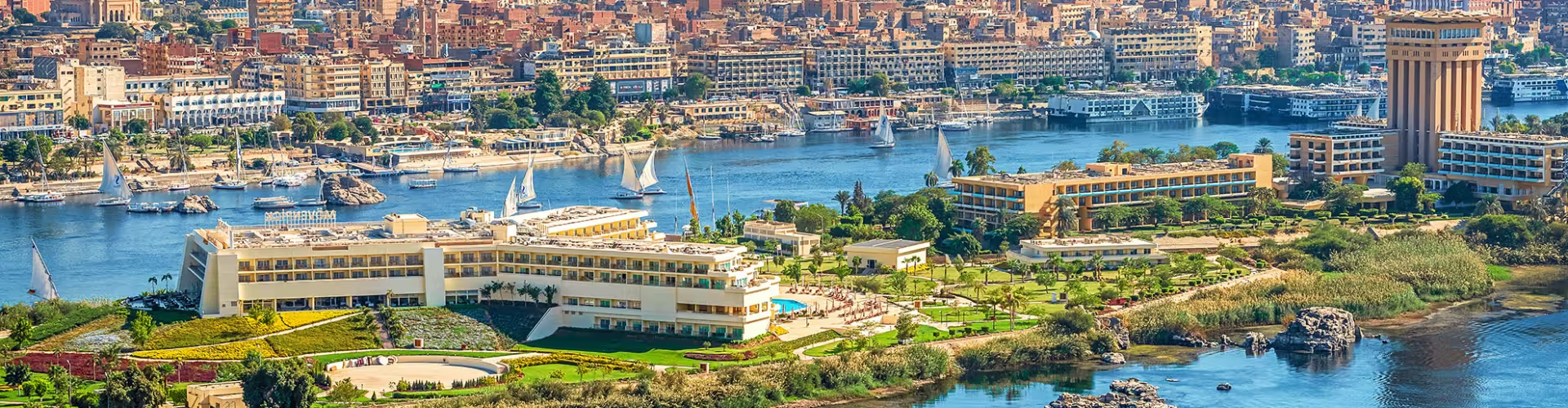
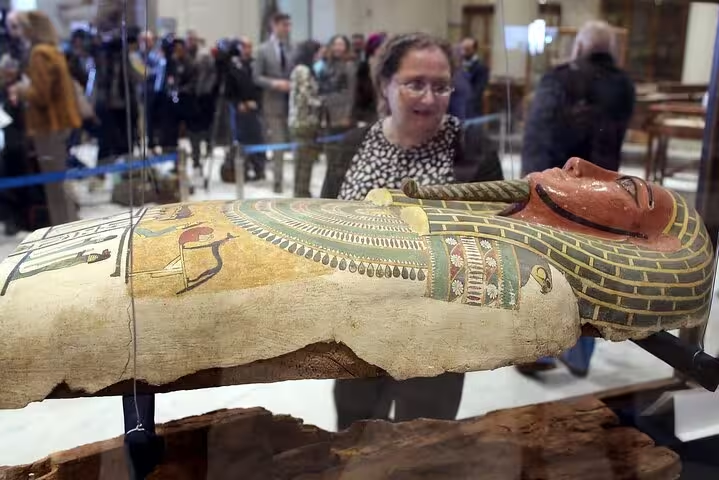
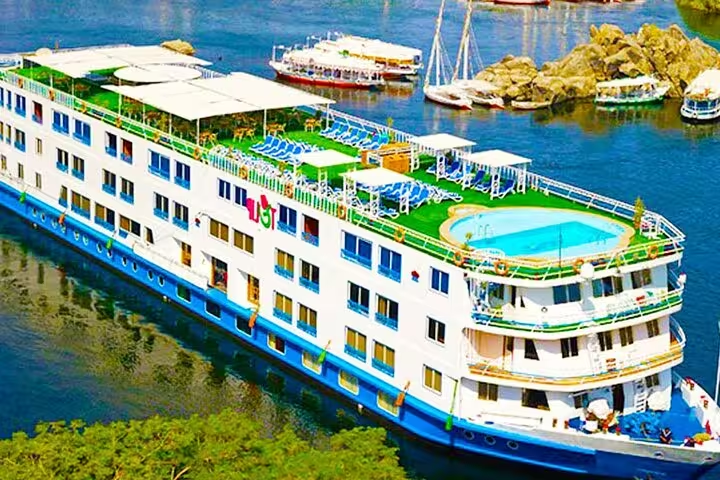
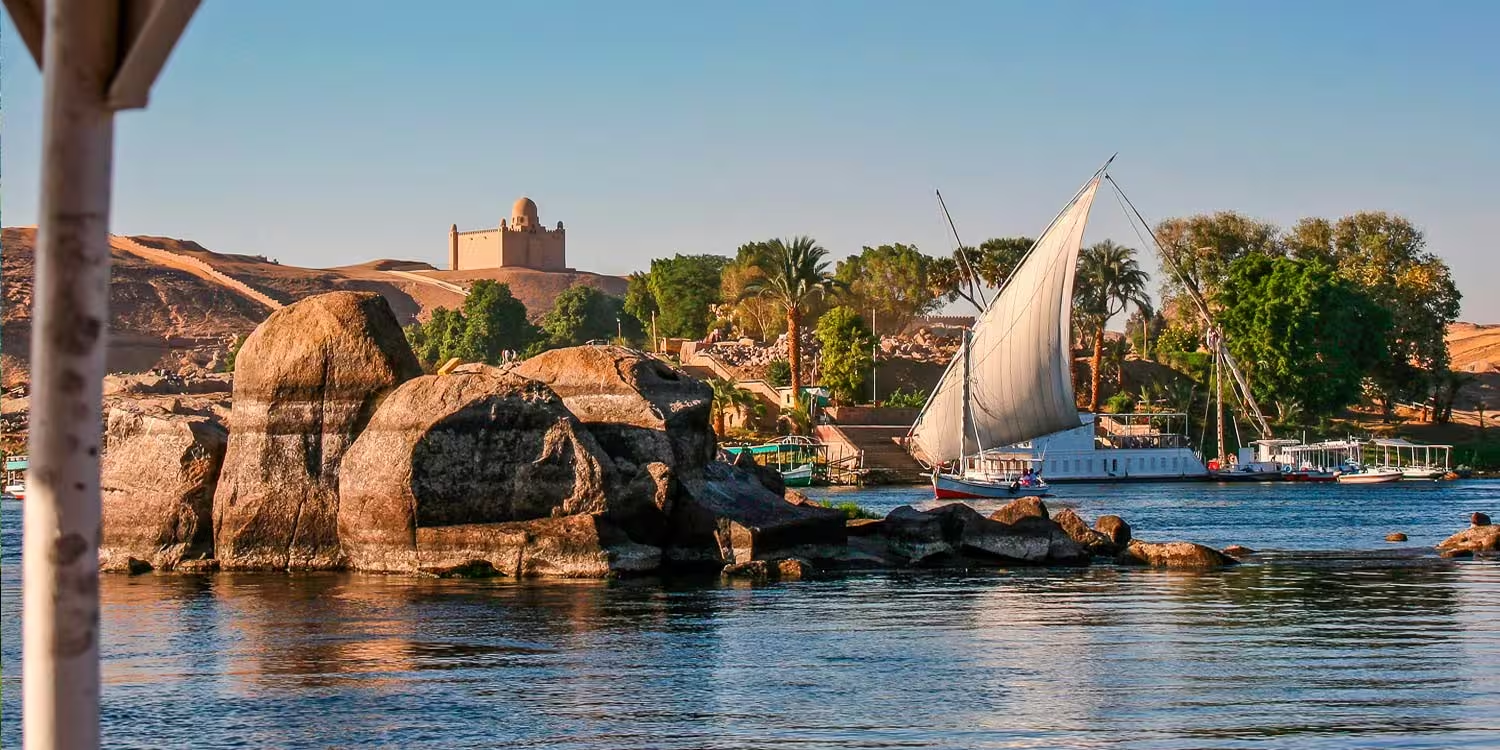
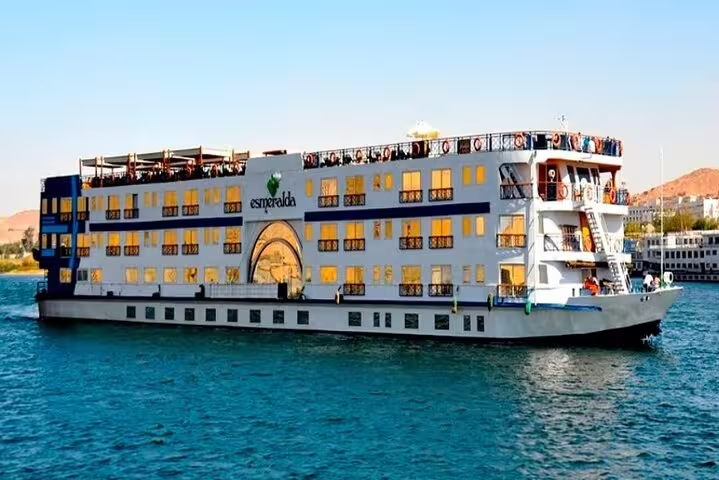
Aswan feels calmer than Egypt’s biggest cities, with a riverfront rhythm shaped by feluccas on the Nile, granite islands, and Nubian culture. Come for golden light, waterside walks, and a slower pace that still delivers major history and memorable scenery. It is an excellent base for combining temples, villages, and day trips while keeping your days simple and well paced.
Aswan sits in southern Egypt on the Nile, serving as a natural gateway to Upper Egypt’s monuments and Nubian heritage. Most travelers arrive via domestic flights into Aswan’s airport, or by train from Cairo and Luxor, then continue by taxi or hotel transfer to the riverfront. The city’s layout is easy to understand, with the Corniche as the main riverside spine and boat piers connecting islands and nearby villages.
Plan around heat and daylight. Cooler months generally make sightseeing more comfortable, especially for temple visits and long outdoor walks, while hotter months can push activities toward early mornings and late afternoons. If you prefer a quieter feel, aim for shoulder periods when you can still enjoy the Nile views without peak crowd intensity.
Egypt uses the Egyptian pound, and carrying cash is practical for tips, small shops, boats, and quick rides. Cards are more likely to work at larger hotels and established businesses, but do not rely on them for every purchase. For smoother budgeting, keep small denominations handy, confirm totals before paying, and set aside a daily buffer for transport, boat crossings, and spontaneous stops.
1) Nile Corniche Stroll
The Corniche is Aswan’s easiest introduction, with river breezes, boat traffic, and a constant sense of place. It is ideal for orienting yourself and deciding what to do next based on what you see on the water. Practical tip, go in the late afternoon for softer light and a more comfortable walk.
2) Felucca Sailing on the Nile
A felucca ride is not just transportation, it is the signature mood of the city, quiet, wind-driven, and scenic. Sailing gives you a different perspective on islands, riverbanks, and daily life along the water. Practical tip, agree on the route and duration before boarding, and bring sun protection even when it feels breezy.
3) Philae Temple by Boat
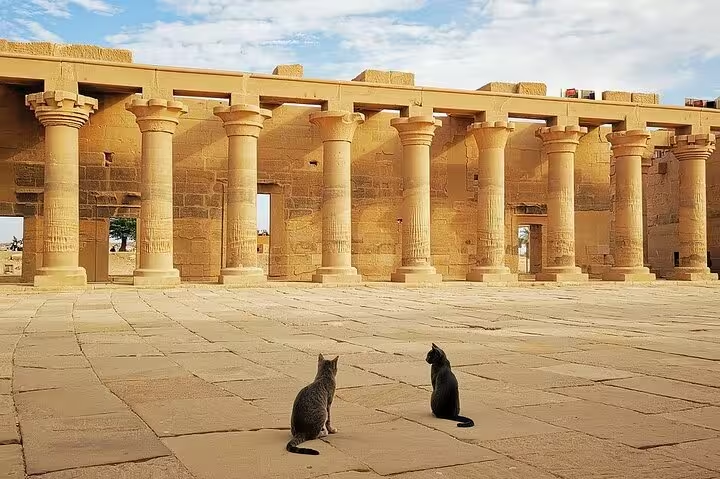
Philae is one of the most atmospheric temple experiences near Aswan, partly because you approach it on the water. The island setting adds drama and makes the visit feel like an event rather than a quick stop. Practical tip, time your visit for early morning or later in the day to reduce heat and improve photos.
4) High Dam Viewpoints
The Aswan High Dam is a modern landmark that helps explain how the region’s water and agriculture are managed. Even a short stop adds context to the Nile’s role in Egypt’s economy and daily life. Practical tip, combine it with nearby sites on the same route to keep travel efficient.
5) Unfinished Obelisk
This quarry site makes ancient engineering feel tangible, showing how monumental stonework began long before temples were assembled. It is a strong complement to temple visits because it focuses on process, not just finished beauty. Practical tip, wear sturdy shoes and watch your footing on uneven stone surfaces.
6) Nubian Village Visit
A Nubian village visit highlights a cultural layer many travelers miss, with distinctive architecture, color, and local hospitality. It is a chance to slow down, talk with residents, and understand how river life shapes traditions. Practical tip, go with a respectful mindset, ask before taking photos, and consider buying small crafts directly from makers.
7) Aswan Souk Browsing
The souk is where you feel the city’s everyday energy, spices, textiles, and practical goods mixed with visitor-friendly stalls. Shopping here can be as much about conversation and discovery as it is about buying. Practical tip, compare prices across a few stalls, keep cash ready, and take breaks if the lanes feel intense.
8) Sunset Riverbank Photos
The warm light in Aswan is famous for a reason, it turns the Nile into a mirror and softens the city’s edges. A simple sunset session can become a highlight even without a formal tour. Practical tip, pick a spot with a clear view of the water and arriving boats, then stay a little after sunset for deeper colors.
Start with a morning temple visit to prioritize cooler temperatures and clearer light. Follow with the Unfinished Obelisk for a quick, high-impact look at ancient stonework, then take a midday pause for lunch and shade. In the afternoon, browse the souk at an unhurried pace, then finish with a felucca sail or a Corniche sunset walk to end the day on the Nile.
Day 1, focus on the riverfront and core sights, Corniche orientation, souk browsing, and a felucca ride to understand the city’s geography. Day 2, add Philae by boat and a Nubian village visit, balancing history with living culture and time for conversation. Day 3, reserve for flexible plans, return to your favorite viewpoint, schedule a slower sail, and keep space for a day trip if you want to expand beyond the city.
Grilled Nile fish, often simply seasoned, highlights freshness and pairs well with rice or bread. Ordering tip, ask what was caught recently and choose the simplest preparation for the clearest flavor.
Ful medames, a hearty fava bean dish, is comforting and filling, especially for breakfast. Ordering tip, request extra lemon and a little chili if you like brighter, sharper notes.
Taameya, Egypt’s fava-based falafel, is crisp outside and soft inside, usually served in bread with salad. Ordering tip, eat it fresh, it is best when it is just out of the fryer.
Koshari, a mix of pasta, rice, lentils, and tomato sauce, is a classic budget-friendly meal with big texture. Ordering tip, start with a medium spice level, then add more sauce gradually.
Molokhia, a green soup-like dish with a distinctive savory depth, is often served with rice or bread. Ordering tip, ask what protein it is served with, then choose based on how rich you want the meal.
Sugarcane juice is sweet, cooling, and popular in hot weather. Ordering tip, choose a busy spot so you are more likely to get a freshly pressed glass.
Aswan is manageable on foot along the Corniche and central areas, but heat can make short taxi rides worth it. Boats are essential for island visits and for reaching certain riverside attractions, so build in time for crossings and confirm the pickup point before you depart. For comfort and safety, keep valuables secure in crowded areas, carry water, and plan accessible routes if mobility is limited, since some historic sites involve uneven ground.
Abu Simbel, a major temple complex, is one of the most famous excursions from Aswan. Travel time is longer than local sights, so it works best as an early start day focused on a single headline experience.
Kom Ombo Temple, often visited en route to or from other Nile stops, adds variety with a riverside setting and a distinct atmosphere. It is a good option if you want more ancient sites without committing to a full multi-day plan.
Edfu Temple, another key Upper Egypt monument, is commonly paired with Nile travel routes. It suits travelers who want a deeper temple circuit beyond the immediate city area.
Nile islands and river villages near the city offer a softer day focused on scenery and daily life. They are ideal when you want a lower-effort outing with strong photo potential.
One day covers the main riverfront feel and a couple of key sights. Two to three days lets you add Philae, a Nubian village, and a slower Nile sail without rushing.
Late afternoon is popular because the light softens and temperatures are usually more comfortable. Confirm the route and duration before you board so you get the experience you expect.
Yes, central areas are walkable and taxis can handle longer hops when heat is high. Boats are the main extra step, so plan crossings carefully and confirm where you will return.
Carry cash for markets, tips, and smaller transport, since card acceptance can be inconsistent. Use cards mainly for larger hotels or established businesses when available.
Yes, it is commonly done as a single long excursion focused on the temples. Plan for a very early start and keep the rest of your day light afterward.