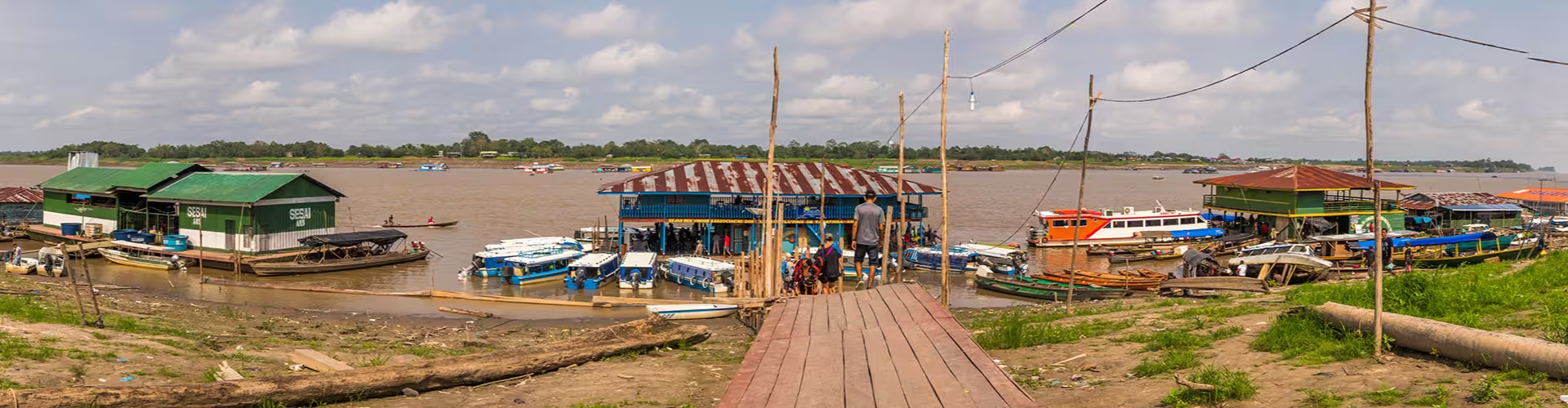
State of Amazonas: what to see and do
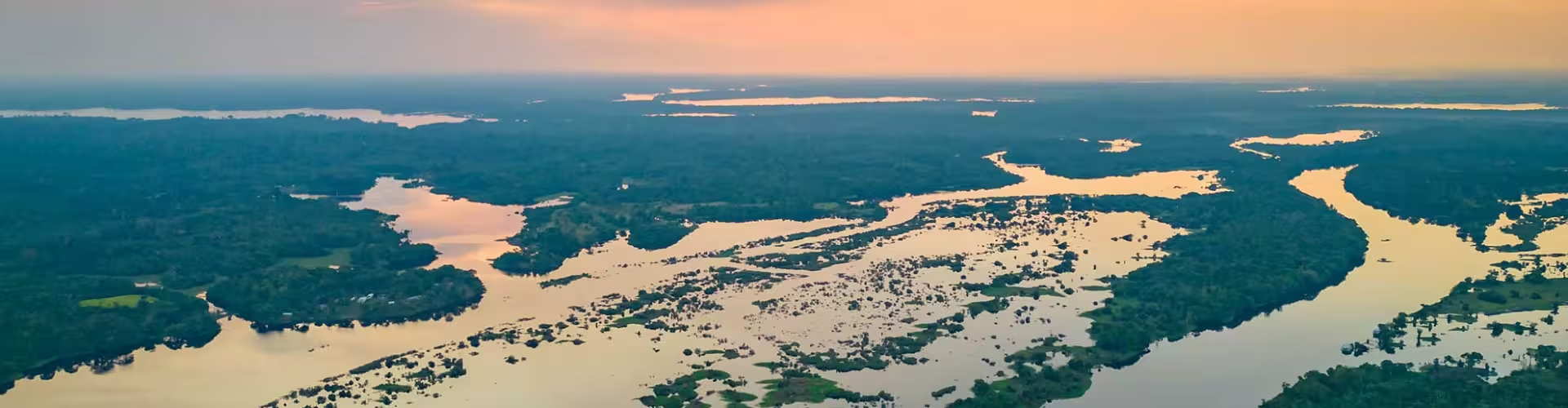
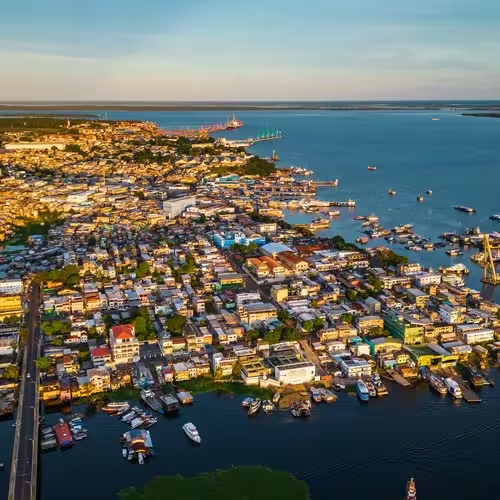
With Manaus as its capital, Amazonas has an area of about 1,558,704 square kilometres. Its international neighbours are Peru, Colombia and Venezuela. Statehood came in 1889, during the First Brazilian Republic.
Manaus tours and heritage
The origins of Manaus go back to 1669 and the Fort of São José da Barra do Rio Negro. During the late nineteenth century, the city played a central role in the Amazon region's rubber boom. The Mercado Adolpho Lisboa opened in 1883. Teatro Amazonas opened on 31 December 1896. Its dome has 36,000 decorated ceramic tiles in the colours of the Brazilian flag, and the auditorium accommodates 701 people.
The Amazon day tour from Manaus with dolphins and a river village lasts 8 hours and includes speedboat transport throughout, a local guide, observation of wild dolphins and a visit to an Indigenous Dessano and Tucano village.
The Amazon rainforest and Anavilhanas
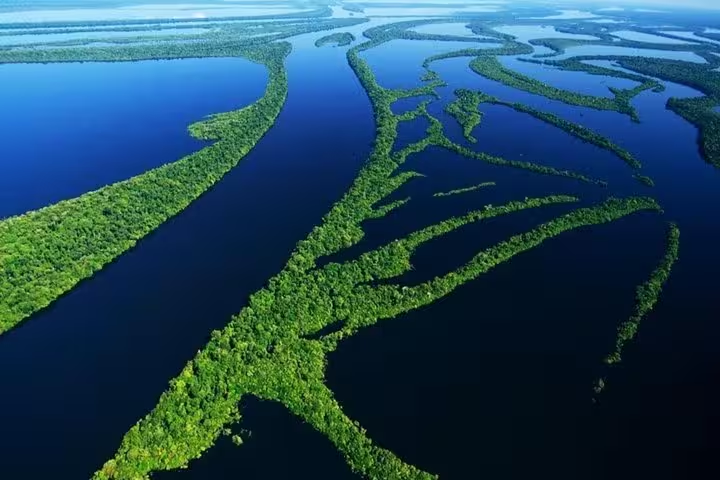
Brazil contains 60% of the Amazon rainforest. Anavilhanas National Park extends across 350,469.8 hectares. Water levels at Anavilhanas can change by as much as 10 metres between flood and ebb. The flood season lasts from March to August, while the dry season from September to February brings accessible white sand beaches. Anavilhanas, then an ecological station, became part of UNESCO's Central Amazon Conservation Complex in 2003.
The Amazon rainforest and Anavilhanas day tour from Manaus lasts 8 hours, with a local jungle guide, river boat transport, a guided rainforest walk, an Anavilhanas boat tour, lunch and wildlife observation with commentary.
The Amazon stand up paddle tour through forests and creeks lasts 2 hours and includes a paddleboard and paddle, guidance from a certified instructor, a safety briefing and a session on the Tarumã.
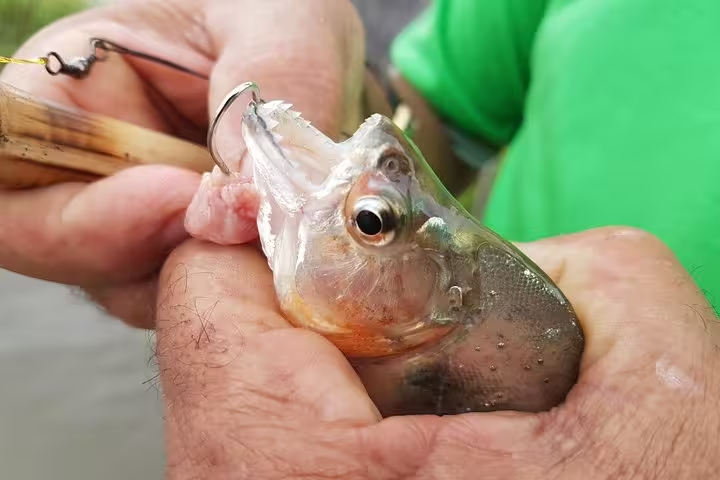
The guided Amazon jungle tour with culture and wildlife lasts 4 days and includes a bilingual jungle guide, lodge accommodation without air conditioning, 3 breakfasts, 4 lunches, 3 dinners, piranha fishing equipment and a wildlife expedition at night.
The Amazon jungle survival tour from Manaus lasts 4 days and includes 3 nights camping, a hammock with a mosquito net, all meals, guided jungle walks, canoe trips through flooded forest and channels, a boat excursion to spot caimans at night and piranha fishing.
The Meeting of Waters
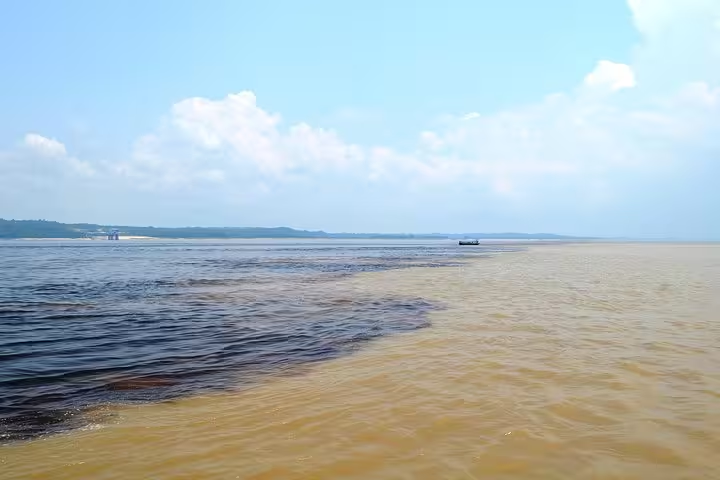
The Meeting of Waters attracts visitors to Manaus. Here, the Rio Negro and Solimões remain separate as they flow alongside each other for 6 km. In Brazil, the upper Amazon River is called the Solimões. Decaying leaves and other plant material give the Rio Negro its black colour, and its water contains little sediment. The lighter water of the Solimões carries abundant sediment originating in the Andes. At the meeting, the Rio Negro water is 28 °C and the Solimões water is 22 °C. The Rio Negro flows more slowly than the Solimões, which runs at about 4 to 6 km/h.
Parintins culture and Amazonian food
The Parintins Folklore Festival usually occupies three nights on the final weekend of June. Its performances are held at the Parintins Cultural Centre, also known as the Bumbódromo. Tucupi, a yellow sauce, comes from wild manioc root in Brazil's Amazon jungle.
The Parintins festival experience with music and dinner in Manaus lasts 1 hour and includes a local Amazonian folklore dance performance, an Amazonian dinner, regional drinks, traditional Amazonian desserts and a cultural presentation.
Frequently asked questions
Which city is the capital of Amazonas?
Manaus serves as the capital of Amazonas.
When did Teatro Amazonas open?
The opening of Teatro Amazonas took place on 31 December 1896.
How long is the rainforest and Anavilhanas tour?
The Amazon rainforest and Anavilhanas day tour from Manaus lasts 8 hours.
What happens at the Meeting of Waters?
The Rio Negro and Solimões flow next to each other without blending for 6 km.
Where are the Parintins Folklore Festival performances held?
The festival uses the Parintins Cultural Centre, known as the Bumbódromo.