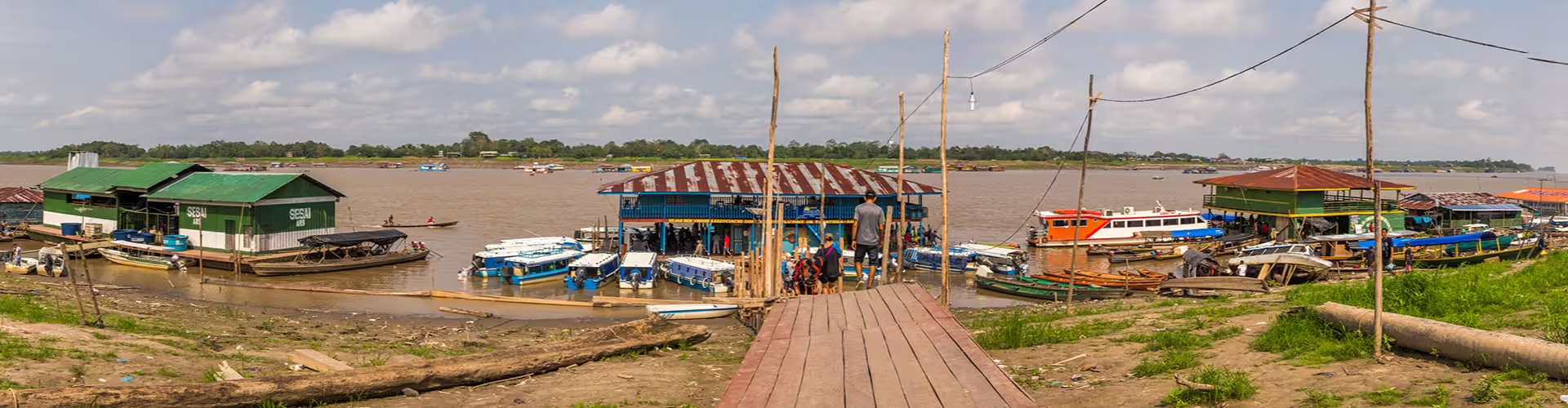


Tabatinga sits on Brazil’s far western edge in the State of Amazonas, where the Amazon River region meets Colombia and Peru. The city’s signature appeal is its frontier energy, a blend of river life, border-town commerce, and access to vast rainforest landscapes. Come for a practical base in the Upper Solimões area, stay for the cultural mix and the sense that every day here is shaped by water, weather, and movement.
Tabatinga is a triple-border gateway with a working-river-city rhythm, best experienced slowly and with curiosity. The vibe is functional and lively, with markets, docks, and everyday cross-border flow forming the backdrop. It is a strong choice when you want Amazon context that feels real and immediate, plus easy connections to nearby border communities.
Tabatinga is in Brazil’s State of Amazonas, positioned in the Upper Solimões region near the borders with Colombia and Peru. It functions as a regional hub for river travel and overland movement within the border area, with the urban fabric closely tied to nearby communities across the frontier. For most travelers, the practical gateways are regional transport links that connect the Amazon interior to the wider Brazil network, then onward to local connections in the triple-border zone.
In the Amazon, seasons are generally felt through rainfall patterns and river conditions rather than temperature swings. Plan your timing around what you want to do, because higher water can change access, boat routes, and the feel of riverfront areas. Crowds tend to be driven by regional travel cycles, so flexibility helps, especially if you are coordinating boats, onward border plans, or multi-stop itineraries.
Brazil uses the Brazilian Real, and it is smart to carry some cash for small purchases, markets, and simple transport. Card acceptance can vary, especially in informal settings, so have a backup plan and keep small notes for easier transactions. Budget expectations should account for the realities of remote logistics, where availability and transport complexity can influence costs more than luxury demand.
Borderfront Walk and City Orientation Loop
Start by walking key streets to understand how Tabatinga functions day to day, with commerce, transport, and community life intersecting. This is where you feel the frontier character and the practical pace of a working Amazon town. Practical tip, go in the cooler hours and keep your phone and documents secure while you learn the layout.
Port and Riverbank Observation
The river is the city’s main artery, and time near the port area helps you read the rhythms of arrivals, departures, and cargo movement. It is not just scenic, it is a living lesson in Amazon logistics and how communities connect. Practical tip, ask locally which areas are best for visitors and stay aware of footing, traffic, and weather changes.
Market Browsing for Everyday Amazon Life
Local markets are where you can see regional produce, pantry staples, and household goods that reflect rainforest and river realities. It is also a good way to practice basic Portuguese phrases and understand what people actually buy and cook. Practical tip, carry small bills and be ready for quick, friendly transactions.
Cross Border Culture Awareness Stop
The triple-border setting creates a layered cultural environment with languages, accents, and habits overlapping. Observing how people navigate identity and daily routines can be as meaningful as any landmark. Practical tip, keep your plans document-ready, and follow local guidance about what is appropriate to photograph and where.
Rainforest Mindset Moment
Even without a long excursion, you can tune into the Amazon environment by paying attention to humidity, bird calls, cloud build-up, and the way water shapes streets and schedules. This reframes Tabatinga as part of a much larger ecological system. Practical tip, pack light rain protection and protect electronics from moisture.
Sunset Light on the Water
As daylight softens, the river atmosphere changes and the city feels calmer, with warmer tones and slower movement. This is a simple experience, but it delivers strong photos and a memorable sense of place. Practical tip, choose a safe, well-trafficked viewpoint and arrive early to pick your spot.
Local Conversation and Etiquette Practice
A destination like Tabatinga rewards respectful curiosity more than checklist tourism. Short conversations can unlock practical tips about transport, weather, and what is worth your time. Practical tip, be polite, avoid sensitive border questions, and learn a few key phrases before you go.
Start with a morning orientation walk to map your essentials, then spend time near the river and port to understand how the city moves. Midday, browse a market for regional foods and practical souvenirs, then take a slower afternoon loop to revisit any area that felt especially lively. Finish with sunset light near the water, then choose a simple dinner that lets you sample local flavors without overplanning your first day.
On day one, focus on orientation, markets, and riverfront rhythm. On day two, build in extra time for cultural context, observe cross-border flow from a respectful distance, and plan a longer stretch for photography when the light is best. If you have a third day, keep it flexible for weather and transport realities, and use it to revisit the places that felt most authentic, then consolidate plans for onward travel.
Fresh River Fish Dishes
Expect clean, delicate flavors that can range from grilled simplicity to richer stews depending on preparation. Ordering tip, ask what fish is freshest that day, and choose a straightforward preparation if you want to taste the ingredient.
Farofa and Everyday Sides
Farofa adds a toasted, savory crunch that pairs well with fish and sauces. Ordering tip, ask for it as a side to make a simple plate feel more complete.
Tropical Fruit Juices
Juices are a practical way to explore Amazon produce, usually bright, aromatic, and refreshing in the humidity. Ordering tip, ask for the house favorite fruit, and consider less sweet options if available.
Rice and Beans, Amazon Style
This staple combination is comforting and filling, often forming the base of everyday meals. Ordering tip, look for a daily set plate option if you want value and a local routine.
Simple Grilled Plates
Grilled meals tend to be reliable, balancing protein with basic sides that travel well through busy days. Ordering tip, choose grilled when you want something predictable between transport connections.
Getting around is often a mix of walking for short distances and local transport for longer hops, with the river and port areas acting as natural reference points. Plan your day with weather in mind, because rain can slow movement and change comfort levels quickly. For safety, keep valuables discreet, use well-lit routes at night, and build buffer time if you are connecting to boats or cross-border logistics.
Nearby Border Communities
Short trips can add cultural contrast and help you understand the triple-border region’s shared routines. Travel time depends on your route and transport mode, so confirm locally before committing. Primary reason to visit, see how daily life shifts across borders while the Amazon environment stays constant.
River Excursions on the Solimões Corridor
A river outing highlights the Amazon’s scale and the way communities depend on waterways. Travel time varies by boat type and conditions, so plan conservatively. Primary reason to visit, experience the river as infrastructure, not just scenery.
Forest Edge Experiences
Even a short venture toward greener outskirts can deliver a stronger sense of the rainforest’s presence. Travel time depends on access and weather, so ask for current conditions. Primary reason to visit, connect the city’s daily life to the surrounding ecosystem.
Is Tabatinga a good base for exploring the triple-border region?
Yes, it can work well as a practical hub because daily life is shaped by border movement and river logistics. Keep plans flexible and confirm local transport details before you commit.
How many days should I plan for Tabatinga?
One day covers the main orientation, markets, and riverfront atmosphere. Two to three days gives you breathing room for weather changes and a more grounded sense of local rhythm.
Do I need cash in Tabatinga?
Having cash is helpful for markets and small purchases, especially where card acceptance varies. Carry small notes and use cards when you see consistent acceptance.
What is the best time of day for photos by the river?
Early morning and late afternoon typically offer softer light and a calmer feel. If rain builds, prioritize quick sessions and protect your gear from humidity.
How should I plan transport connections in the Amazon region?
Add buffer time, because conditions and schedules can change with weather and river realities. Confirm details locally and keep your day plan simple if you have onward connections.