Last updated:


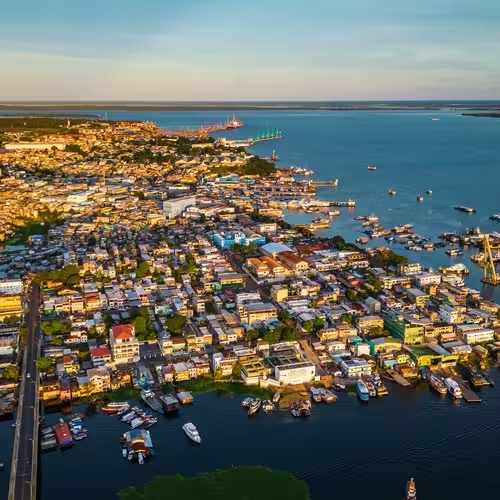
Manaus makes a practical base for an Amazonas trip that combines city heritage with river and rainforest visits. The state capital is a gateway to the Central Amazon Conservation Complex, while Teatro Amazonas gives the city itself a place in the itinerary.
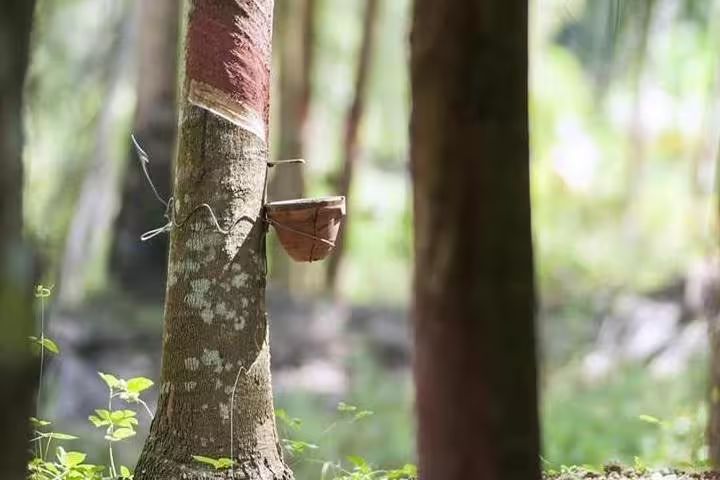
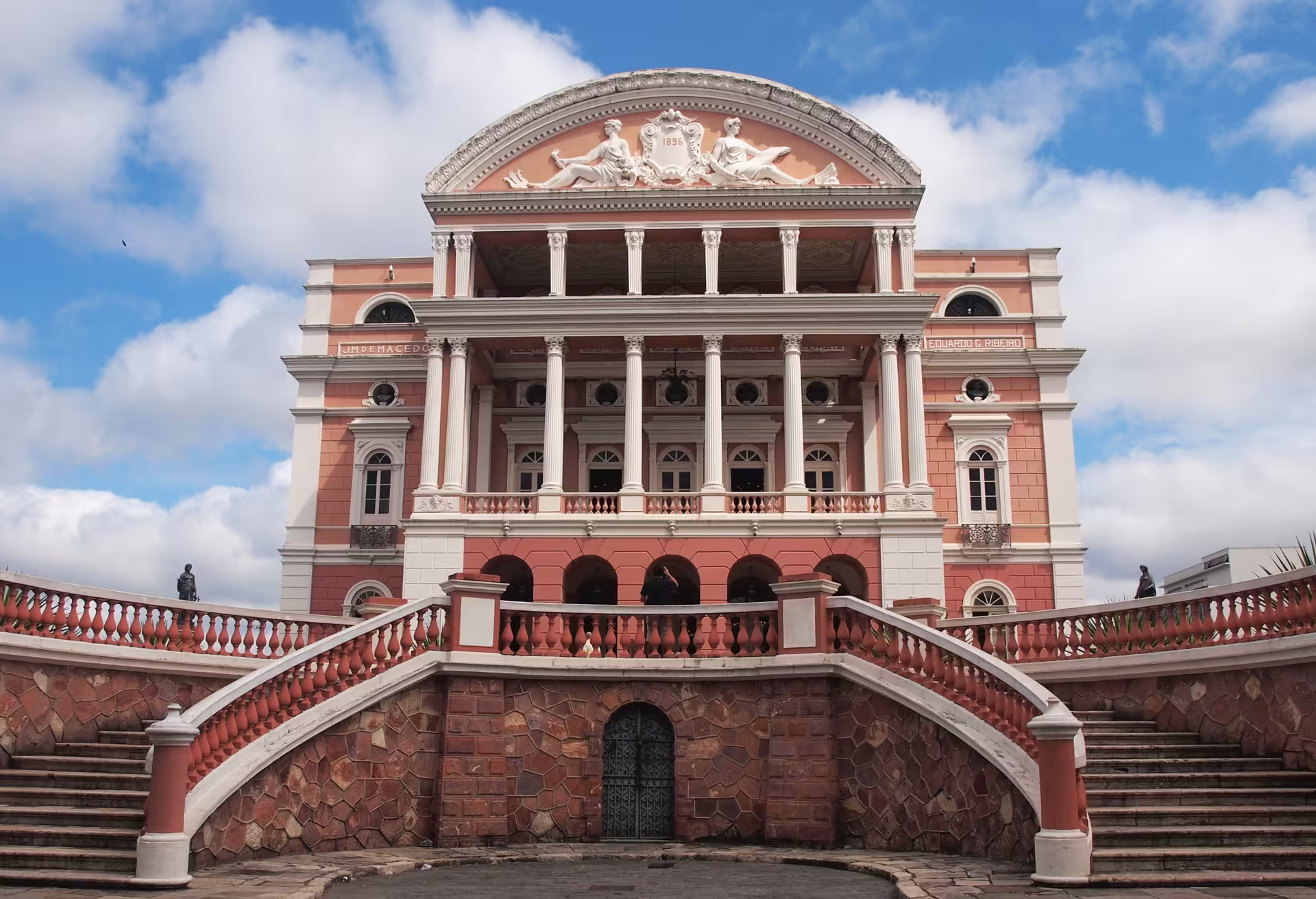
Teatro Amazonas and Mercado Adolpho Lisboa make a useful pairing for a day focused on city heritage. The theatre opened on 31 December 1896, and its dome carries 36,000 decorated ceramic tiles in the colours of the Brazilian flag. The market opened in 1883, while the city played a central part in the Amazon rubber boom in the late nineteenth century.
For music and food, the Parintins festival experience in Manaus lasts 1 hour and includes a local Amazonian folklore dance performance, an Amazonian dinner, regional drinks, traditional desserts and a cultural presentation.
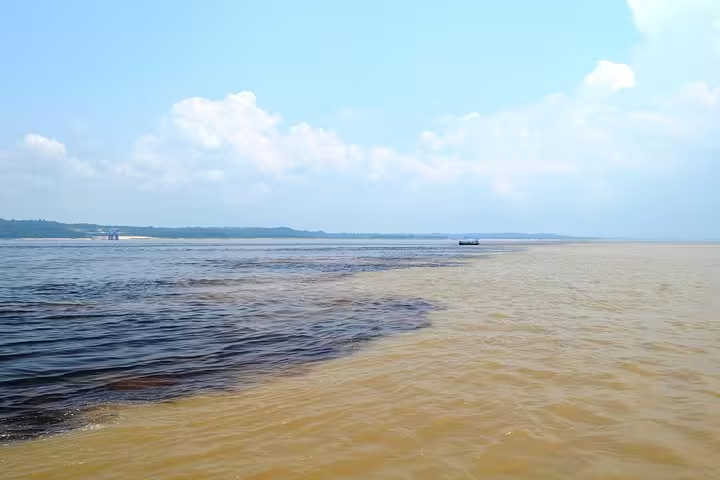
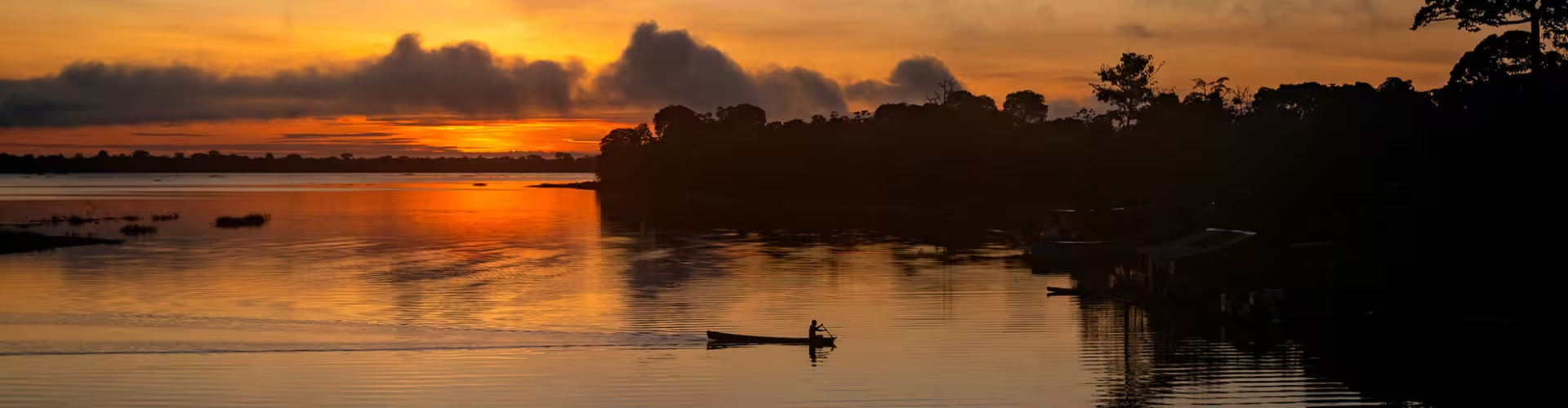
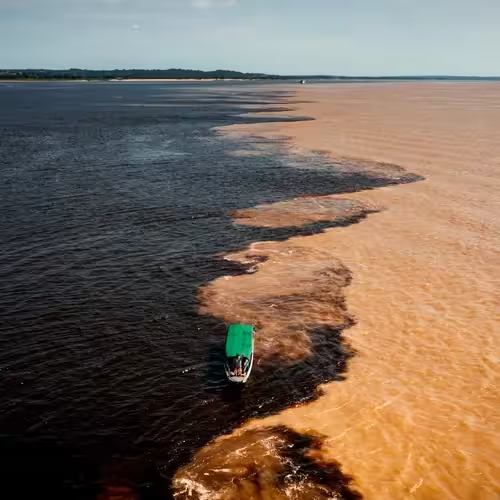
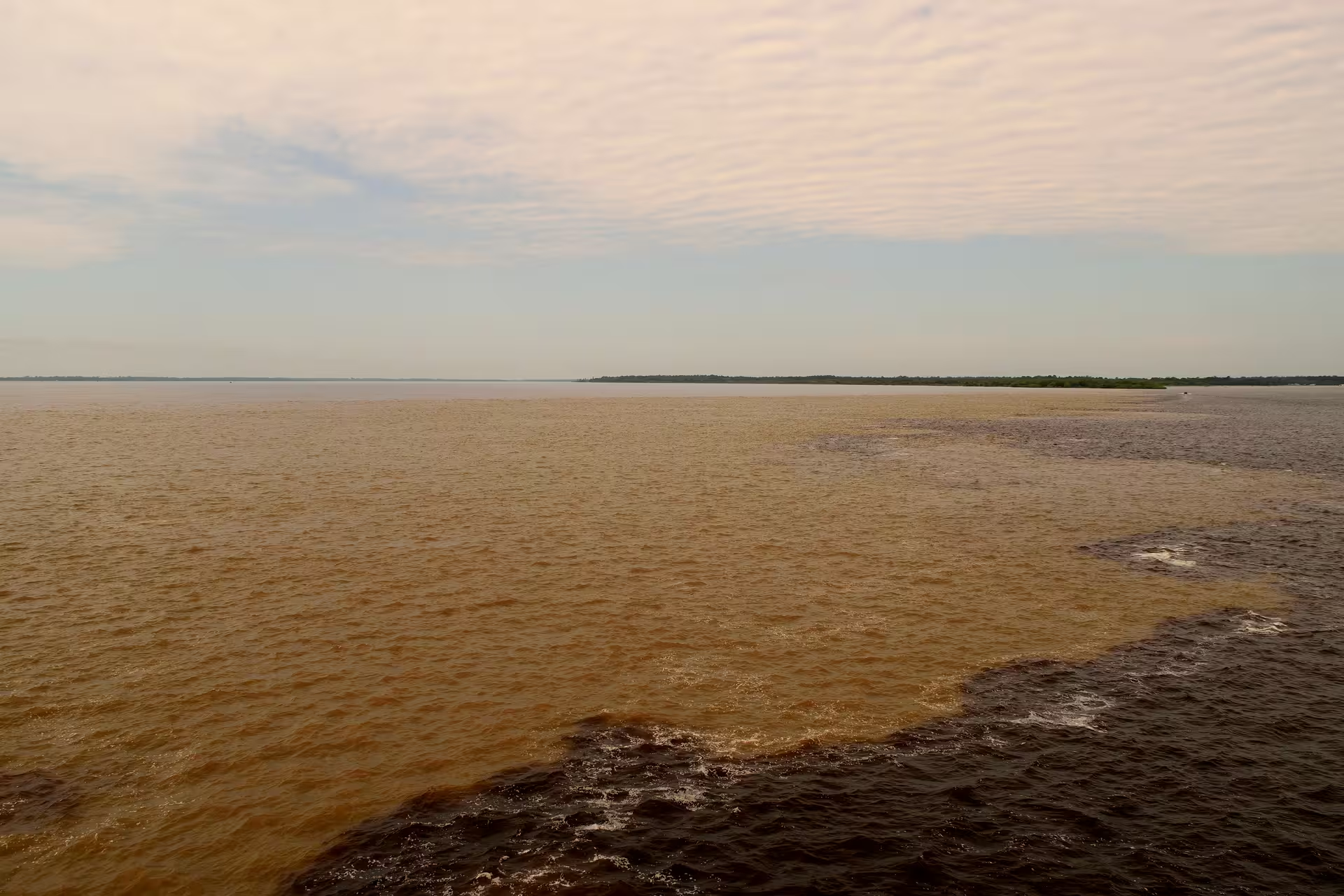
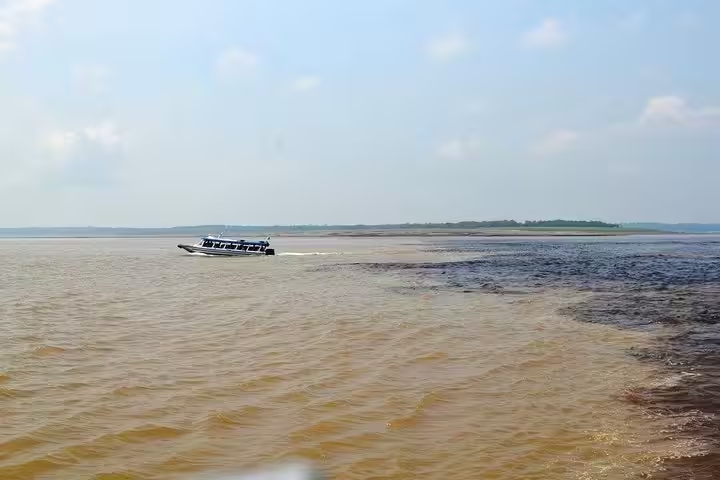
The Meeting of Waters belongs on a river-focused itinerary for the visible contrast between the Rio Negro and the Solimões. Their waters travel alongside each other for about 6 km before they start to blend. Decaying leaves and plants darken the Rio Negro, whose water contains little sediment; the lighter Solimões carries sediment from the Andes Mountains.
Three days would cover a Manaus heritage day, an Anavilhanas rainforest day and a dolphins and river village day from Manaus. That gives the city its own day rather than squeezing it around either of the 8-hour excursions.
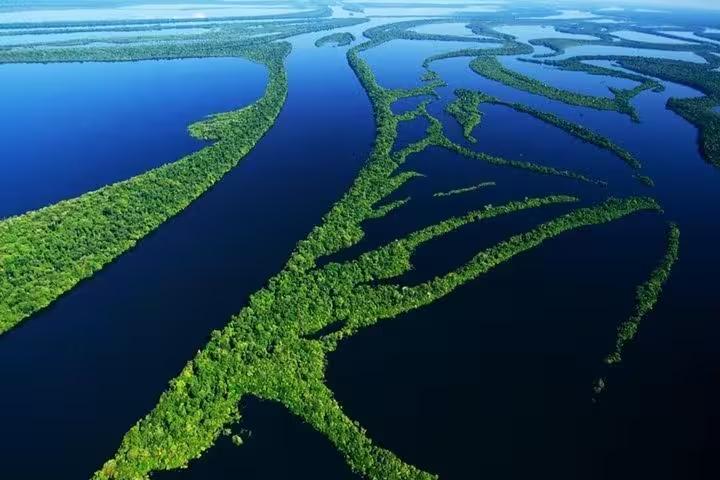
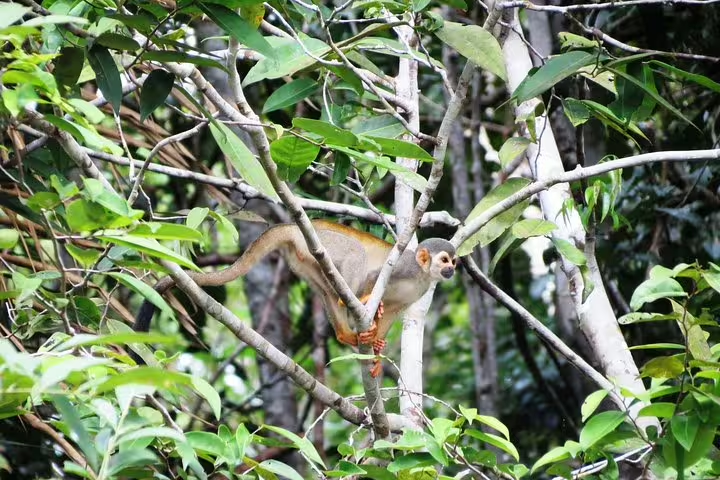
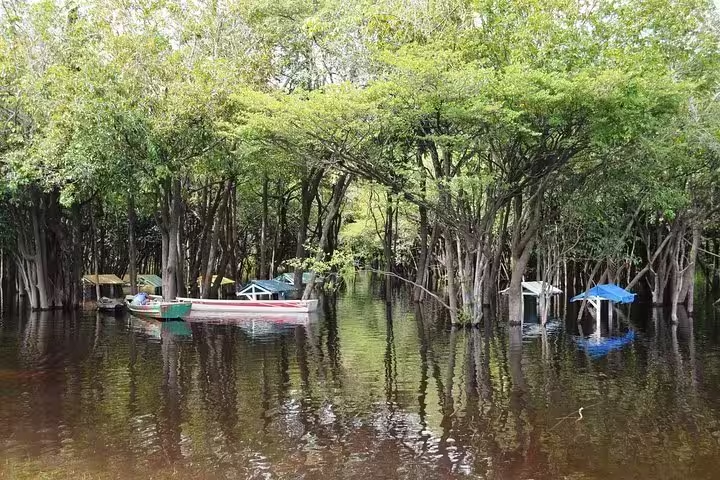
The rainforest and Anavilhanas day tour from Manaus lasts 8 hours and includes a local jungle guide, river boat transport, a guided rainforest walk, an Anavilhanas boat tour, lunch and wildlife observation with commentary.
The Amazon day tour from Manaus with dolphins and a river village lasts 8 hours and includes speedboat transport throughout, a local guide, wild dolphin observation and a visit to an Indigenous Dessano and Tucano village.
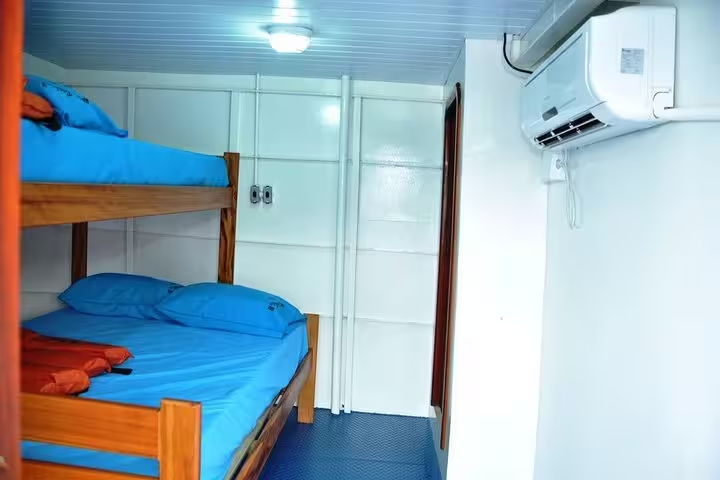
A 4-day guided Amazon jungle tour with culture and wildlife includes a bilingual jungle guide, lodge accommodation without air conditioning, 3 breakfasts, 4 lunches, 3 dinners, piranha fishing equipment and a nocturnal wildlife expedition.
September to February suits an Anavilhanas trip focused on white sand beaches, while March to August is the flood season. Water levels there can change by around 10 metres between flood and ebb, so the season matters when deciding what kind of river landscape to visit.
For walking in Manaus, allow for rain particularly from December to May, its very rainy period. The city receives around 2,300 mm of rain a year, so beach season at Anavilhanas should not be taken as a promise of dry weather in Manaus.
For the Parintins Folklore Festival, plan around the final weekend of June: it usually runs for three nights at the Parintins Cultural Centre, known as the Bumbódromo.
Manaus is a practical base for the day trips described here, with boat transport included in both full-day options. Eduardo Gomes International Airport lies 14 km north of central Manaus, while the Rio Negro Bridge connects Manaus and Iranduba. For a trip focused on Mamirauá instead, Tefé is a starting point; the reserve is recognised under the Ramsar Convention for its wetland importance.
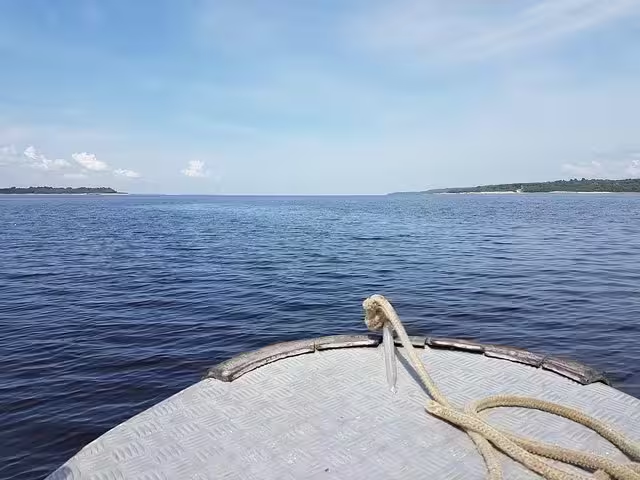
From Manaus, Novo Airão is about 180 km upstream on the Rio Negro.
The Rio Negro Bridge spans 3,595 metres.
There is seating for 701 people in the Teatro Amazonas auditorium.