Last updated:


Architecture and the waterfront make a useful focus for a Rotterdam visit, from the Laurenskerk to the Erasmus Bridge and the Markthal. The contrast has a historical context: German bombing on 14 May 1940 destroyed much of the historic centre in about thirteen minutes.
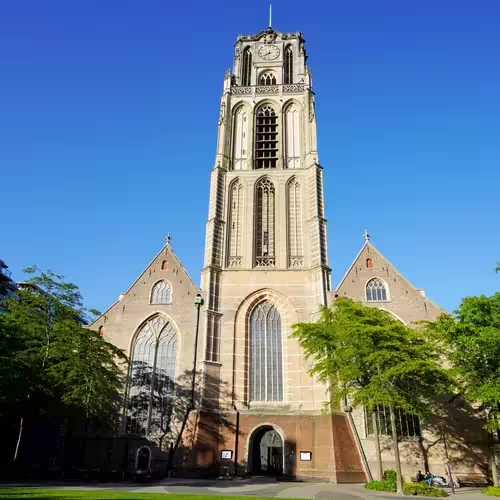
The Laurenskerk, Markthal and Lijnbaan offer a walk focused on medieval architecture, art and the rebuilt city. Built from around 1449 to 1525, the Laurenskerk preserves late Gothic architecture from medieval Rotterdam. Queen Juliana laid the foundation stone for its restoration in May 1952, and the restored church came back into use in December 1968.
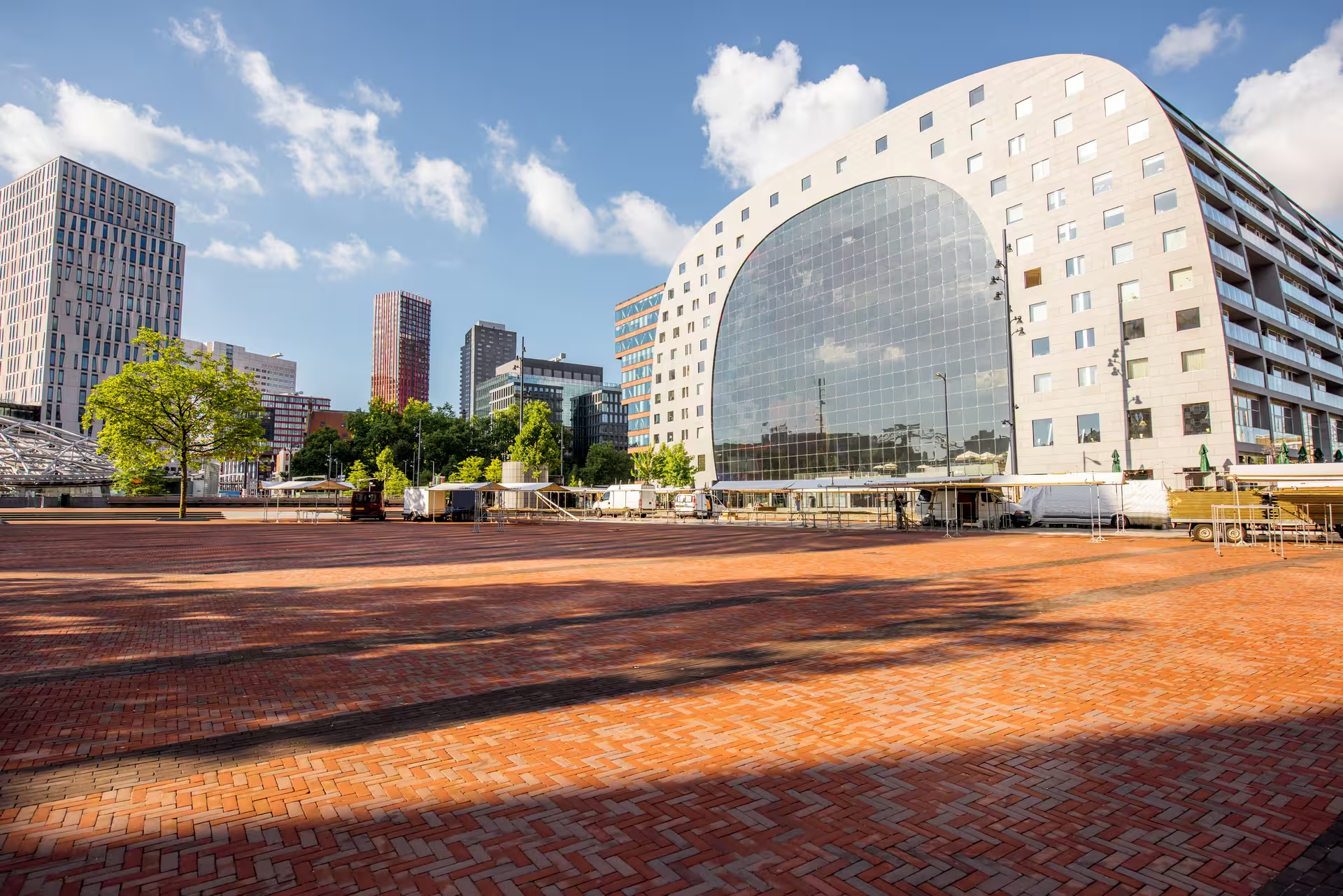
At the Markthal, the inside of the arch carries a mural of about 11,000 square metres created by Arno Coenen and Iris Roskam. The Lijnbaan shopping precinct opened in October 1953 as the centre of the rebuilt city, making it a relevant next stop for that architectural theme.
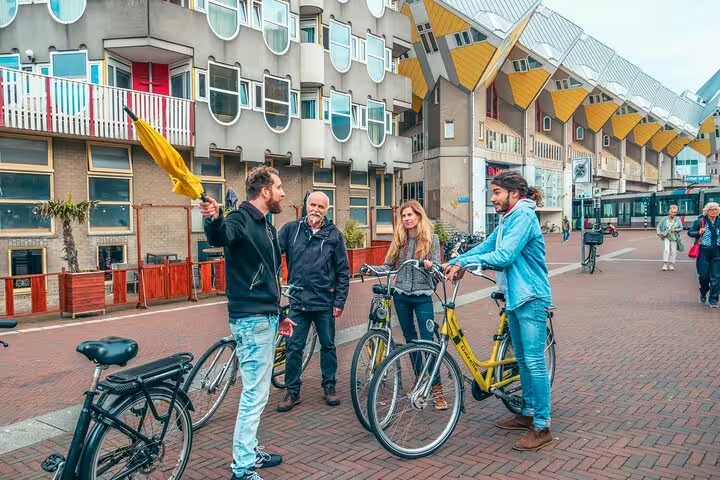
A self-guided architecture and history walk lasts 1 hour and 20 minutes and includes digital escape-game access, location-based clues and challenges, and historical and architectural information at each stop.
For an alternative focused on art, the Rotterdam street art walking tour lasts 3 hours and includes a guide, commentary on artworks and artists, and a route through street art locations.
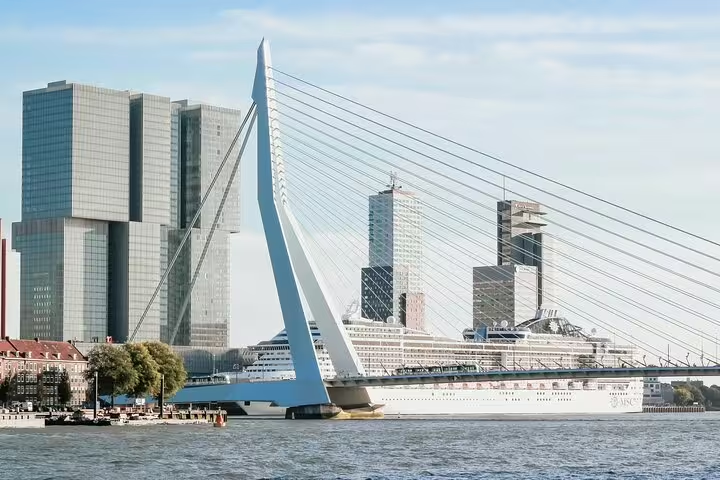
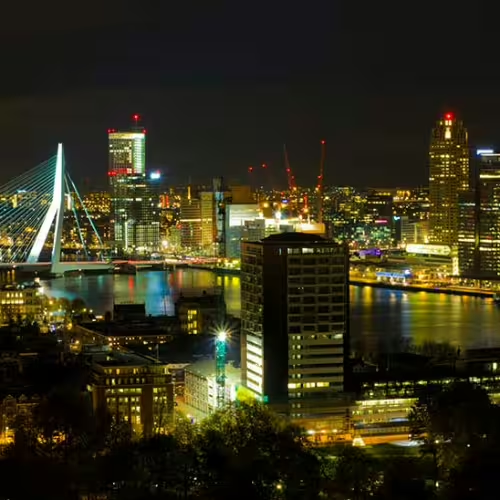
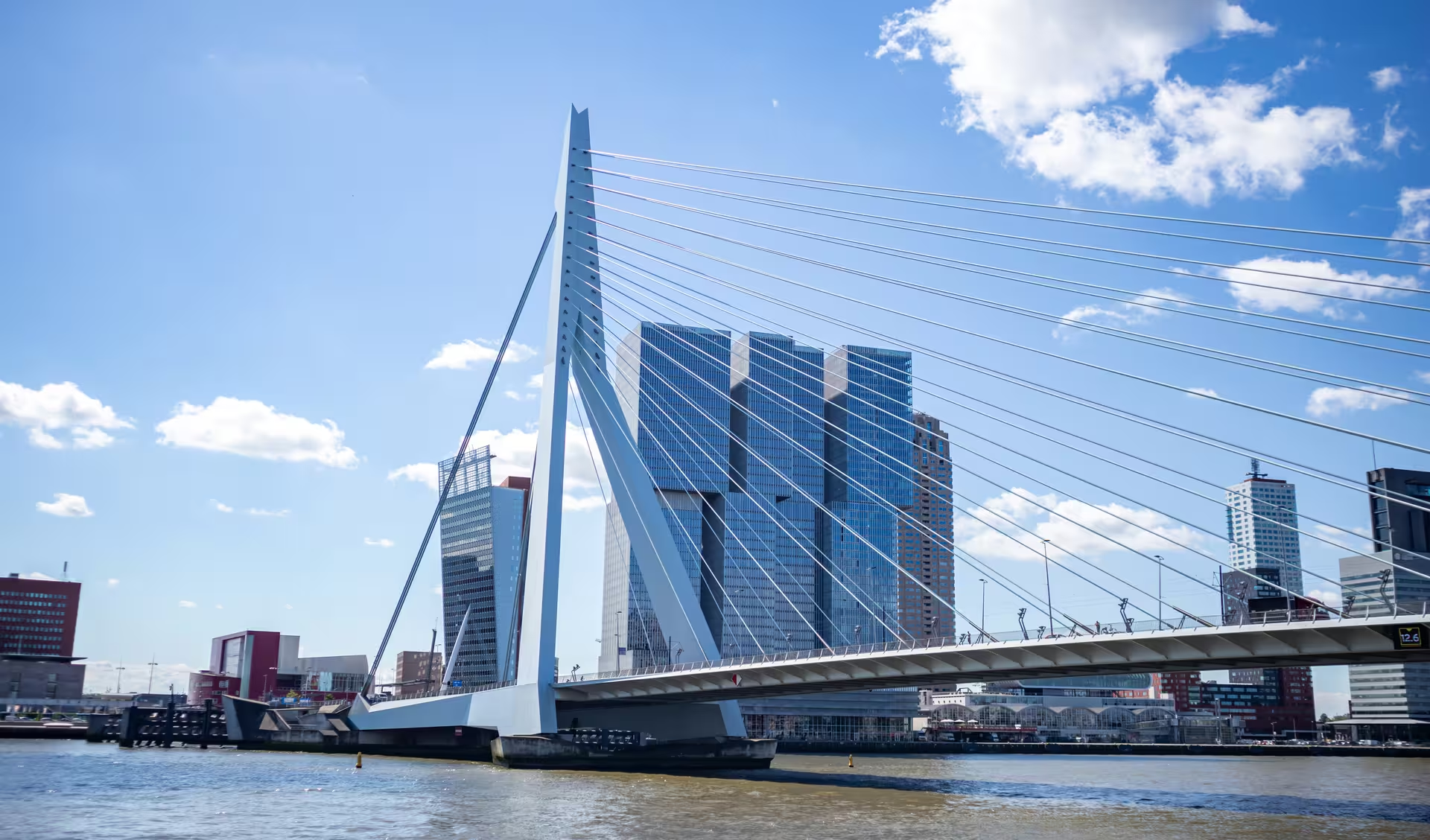
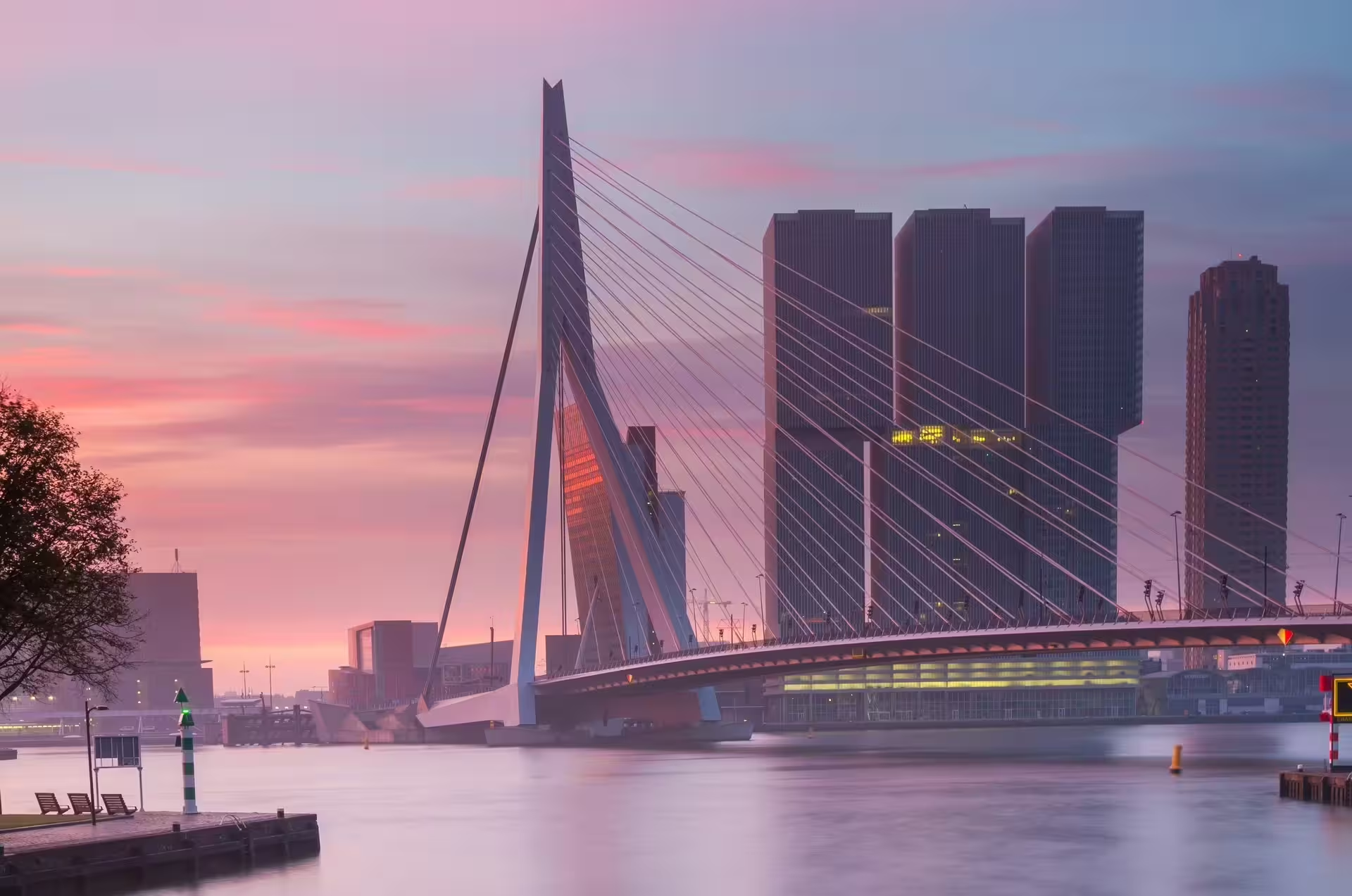
Two days is a suggested plan: spend the first on the Laurenskerk, Markthal and Lijnbaan, then devote the second to the Erasmus Bridge, Kop van Zuid and Fenix. The bridge has linked the city centre with Kop van Zuid since 1996; its bent steel pylon, designed by Ben van Berkel of what is now UNStudio, earned it the nickname 'the Swan'. Fenix opened in Katendrecht in 2025, occupying a former harbour warehouse dating from 1923.
For a self-guided activity within that plan, the Rotterdam City Explorer app scavenger hunt lasts 3 hours and includes app access, a GPS-guided route, location-based questions and tasks, and facts about Rotterdam landmarks.
January calls for planning around cold conditions: its mean temperature is 3.6 °C, with a mean daily minimum of 0.8 °C in the 1981-2010 climate averages. Those averages put annual rainfall at 855.6 mm, so rain deserves a place in your packing plans. These figures do not establish which months suit walking or which months are hottest.
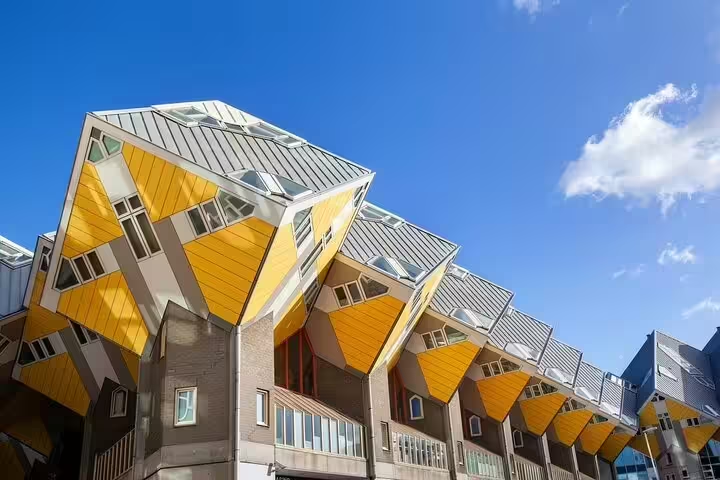
Walking and the metro are options for exploring: the metro network covers more than 100 km, while walking activities offer routes through the city. Rotterdam Central Station is also an architectural stop, designed by Team CS and opened in 2014.
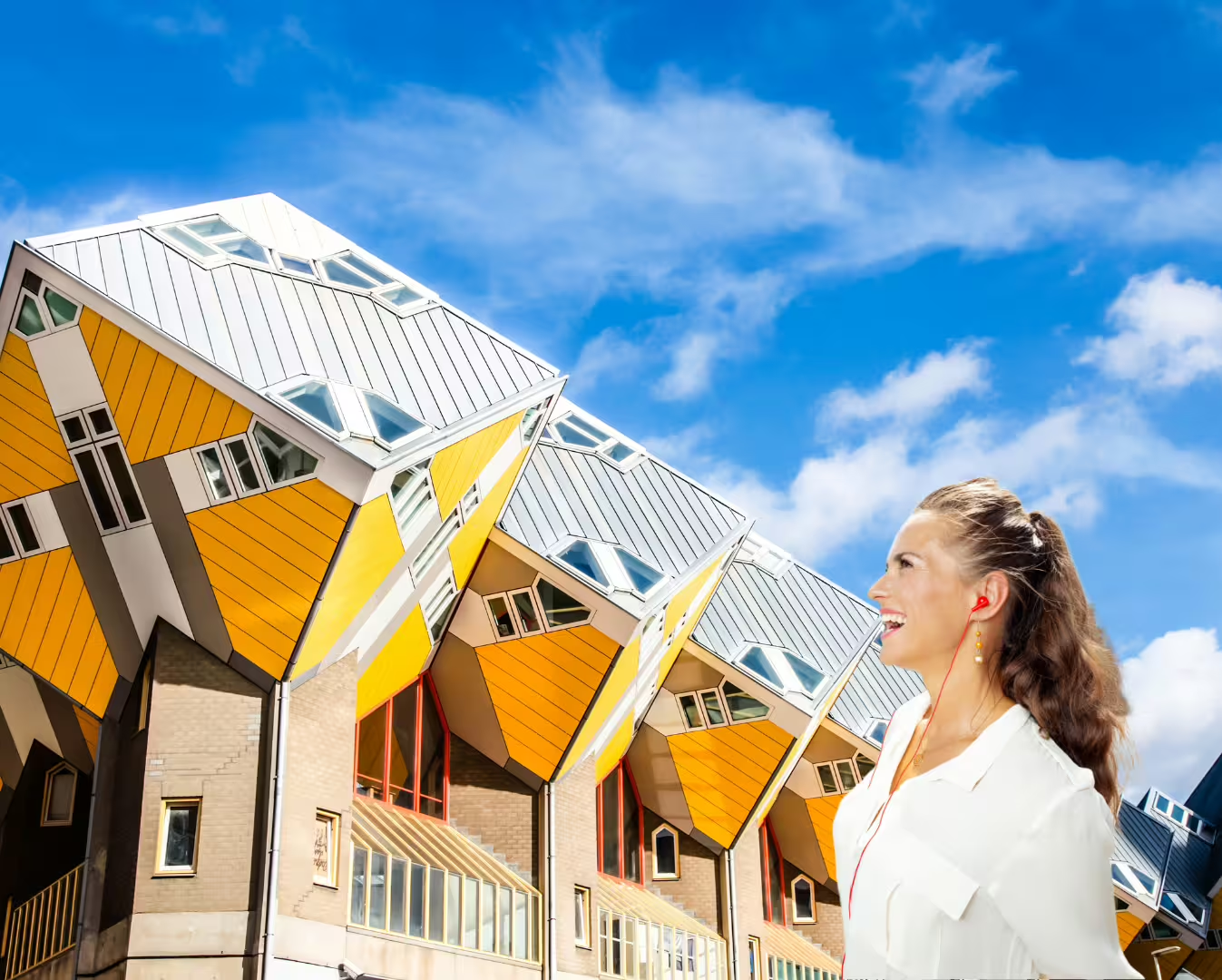
For walking with audio commentary, the self-guided Rotterdam audio tour in seven languages lasts 3 hours and includes commentary in seven languages and a walking-route map.
The Maeslantkering near Rotterdam is a possible focus for a day trip if engineering interests you. This movable storm surge barrier stretches 420 metres, and its two gates each measure 210 metres across and 22 metres high.
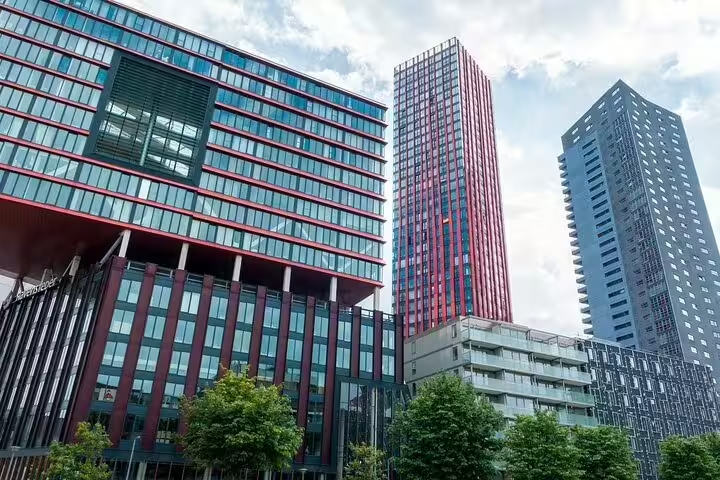
The city centre or Kop van Zuid are areas to weigh up if the Erasmus Bridge is central to your plans, since the bridge links them.
Rotterdam holds an annual commemoration of the 1940 aerial bombardment on 14 May.
The climate averages for 1981 to 2010 put the annual mean temperature at 10.4 °C.
Construction of the Maeslantkering took six years and was completed in 1997.