Delft

logoBlack

Build your dream
experience

dreamimg

More to know about Delft


Delft Travel Guide

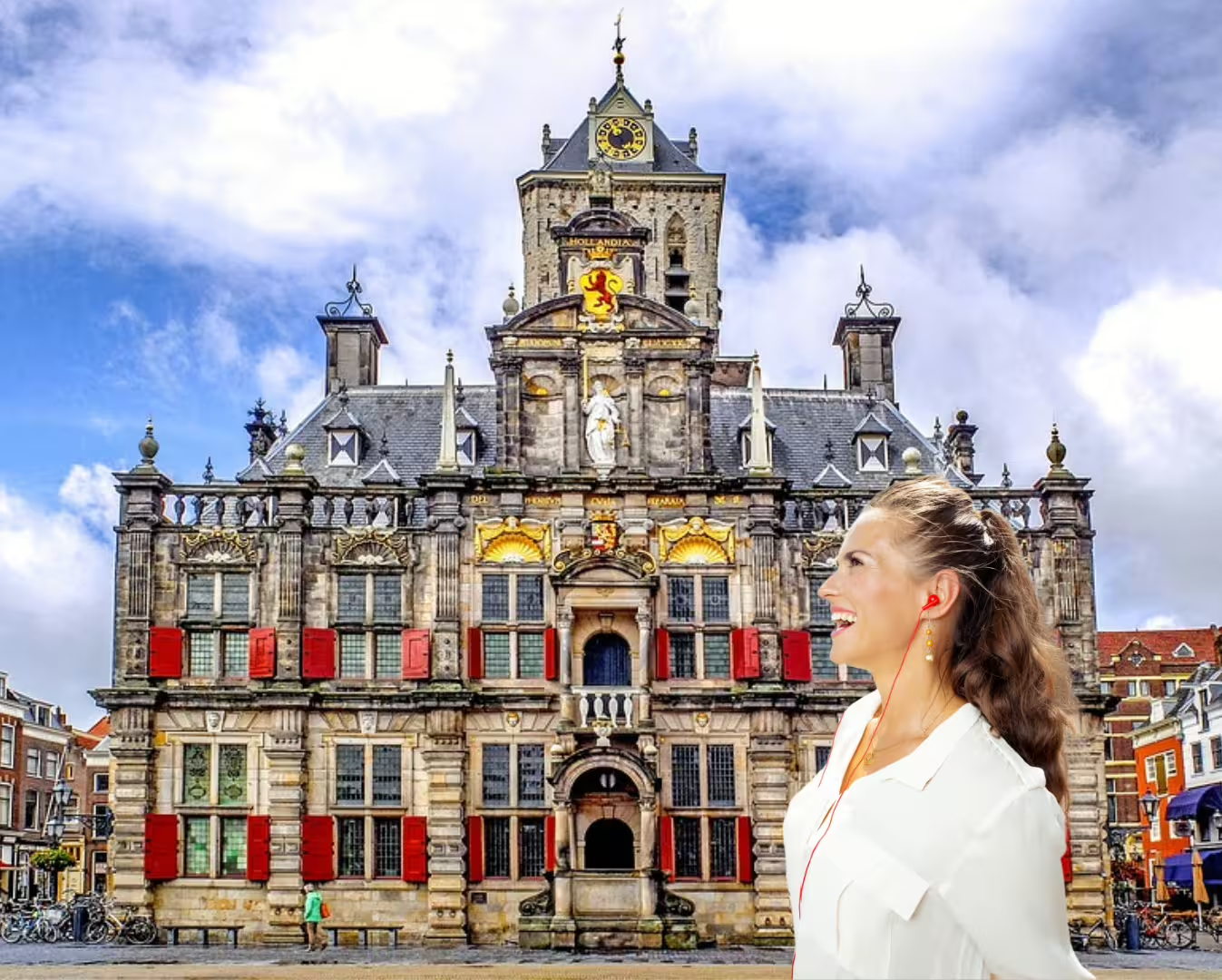
Delft is a compact Dutch city where canal reflections, gabled houses, and centuries of craft sit within an easy day trip radius of the Netherlands biggest hubs. It is best known for blue and white ceramics, a historic market square, and a calm, student fueled energy that keeps the streets lively without feeling overwhelming. Use this guide to plan what to see, how to get around, what to eat, and how to structure one to three days in Delft.


Snapshot

Delft delivers a signature vibe that feels quietly cinematic, canals and courtyards by day, warm cafe windows by night, and a walkable center that rewards slow wandering. It is an ideal choice when you want classic Netherlands scenery with fewer crowds than the biggest headline cities. Go now if you want a high impact, low stress city break that pairs easily with nearby Rotterdam and The Hague.


๐Ÿ—บ๏ธ Geography and Logistics

๐Ÿ“ Orientation: Where is it within South Holland and Netherlands? Name key gateway airports or hubs.

Delft sits in the province of South Holland in the western Netherlands, positioned between Rotterdam and The Hague. That location makes it simple to combine with major urban attractions while sleeping in a smaller, calmer base. For international arrivals, the most common gateway is Amsterdam Airport Schiphol, with onward rail connections into South Holland, and Rotterdam The Hague Airport also serves the region for select routes.

๐Ÿ•’ When to Go: Seasonal breakdown. Weather patterns vs. crowd levels.

Spring and early summer bring longer daylight and a fresh, photogenic feel along canals and squares, but they also tend to be busier across the Netherlands. Mid summer can feel lively in the center, especially around terraces and student areas, while shoulder seasons often offer a quieter rhythm for museums and strolling. Winter days are shorter and cooler, which can shift the experience toward cozy interiors, warm drinks, and atmospheric evening walks.

๐Ÿ’ฐ Budget & Currency: Practical money tips, local price levels, and card vs. cash advice.

The Netherlands uses the euro, and travelers generally find card payments widely accepted in cities and towns. Keep a small amount of cash for occasional small purchases, but plan on tapping or chip and pin for most transactions. To manage your budget, prioritize one or two paid cultural stops, then balance them with free pleasures like canal walks, window shopping for ceramics, and lingering in the main square.


โญ Essential Things to Do List

Stroll the canals and bridges
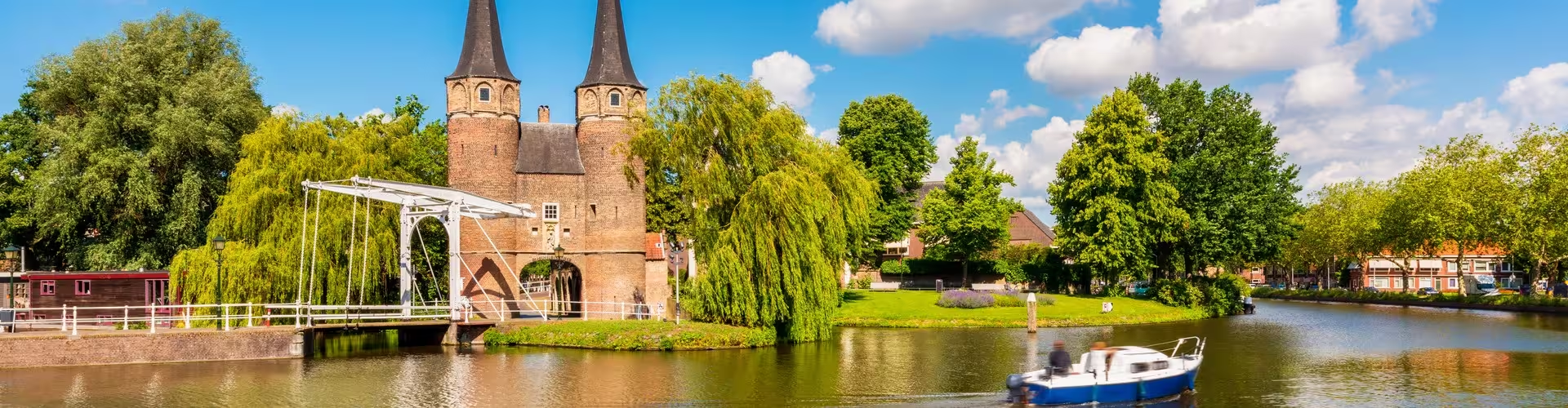
The canals give Delft its signature calm, and they are the best way to understand the city layout without trying to see everything at once. Wandering along the water reveals quiet lanes, houseboats, and postcard angles that change with the light. Practical tip, walk a loose loop in the morning for softer light, then return near dusk for reflections.

Explore the historic center on foot
The center is compact, which makes it easy to build a day around short walks and frequent stops. You will feel the blend of heritage and everyday life, with students, locals running errands, and visitors moving between landmarks. Practical tip, use the main square as your navigation anchor, then branch out into side streets to escape the busiest flow.

Seek out Delft Blue craftsmanship
The city is closely associated with blue and white ceramics, and seeing the motifs in shops and displays adds cultural depth beyond a quick photo stop. Even if you do not buy anything, noticing patterns, brushwork, and modern reinterpretations helps you connect the craft to the place. Practical tip, compare a few pieces in different shops to understand quality differences before purchasing.

Spend time in the market square
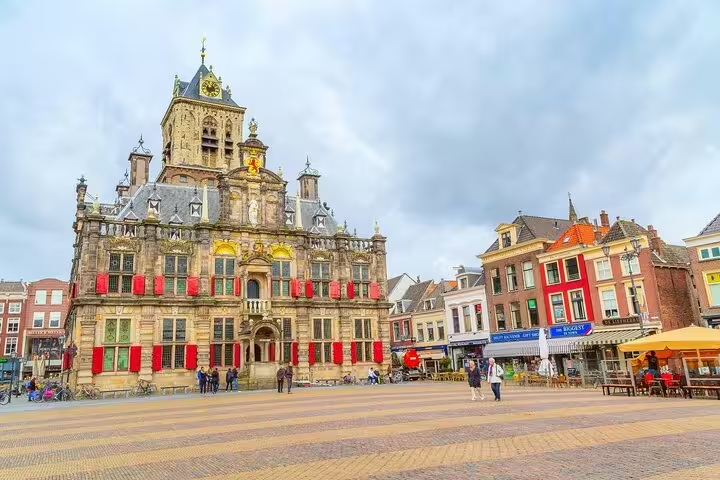
A central square in a Dutch city is more than scenery, it is where the city feels most alive, with terraces, conversation, and a steady rhythm of arrivals and departures. In Delft, this is the easiest place to pause, people watch, and decide what to do next. Practical tip, grab a table slightly off the main flow for a calmer break without leaving the atmosphere.

Visit a museum or heritage site for context
Museums and historic interiors are where you can turn a pleasant stroll into a richer story about the Netherlands Golden Age, local innovation, and civic life. A well chosen visit also helps on rainy days, which can happen in any season in the region. Practical tip, plan one indoor stop per day so your itinerary stays weather proof.

Take a photo focused walk
The city rewards travelers who slow down and look for details, tiled signs, doorways, canal edges, and the way brick and water frame each other. A simple photo walk can become your most memorable activity because it matches the pace of Delft. Practical tip, pick one theme, reflections, blue and white details, or bridges, so you do not feel pulled in every direction.

Do a cafe and terrace crawl
Part of the appeal here is how easy it is to settle in, warm up, and watch the city move. A short crawl, one coffee, one sweet, one local beer, turns downtime into a curated experience. Practical tip, go earlier in the day for easier seating, then return in the evening for a more social atmosphere.

Use Delft as a base for South Holland
Because the city sits between major hubs, it can be a smart base for travelers who want day trips without constantly changing hotels. You get a quieter home base with fast access to bigger museums, modern architecture, and coastal options nearby. Practical tip, cluster your day trips by direction to reduce backtracking and keep travel time predictable.


๐Ÿšถ Curated Itineraries

โฐ The Highlights (1 Day): A fast-paced Best Of route.

Start with a morning canal loop to get oriented, then head into the historic center for a focused walk through the most photogenic streets and bridges. Pause in the market square for lunch and a terrace break, then choose one museum or heritage stop to add context to what you have been seeing outside. Finish with a slow evening walk along the water, and end with a relaxed dinner close to the center so you can enjoy the night atmosphere without planning extra transport.

โฐ Deep Dive (2-3 Days): Adding neighborhood exploration and local secrets.

On day one, follow the highlights route but keep your pace intentionally slow, adding time for ceramics browsing and cafe stops. On day two, explore beyond the most obvious lanes, using the canals as your guide and prioritizing quieter streets where daily life is more visible. If you have a third day, use Delft as a launchpad for nearby cities in South Holland, then return for a final evening in the center, which often feels more intimate once you recognize landmarks.


๐Ÿฝ๏ธ Flavors of Delft

Stroopwafels
Thin waffle cookies with a syrupy caramel center, sweet, sticky, and best when slightly warm. Ordering tip, ask for one that is freshly made if you see a stand preparing them on the spot.

Poffertjes
Small, fluffy mini pancakes often served with butter and powdered sugar, light but indulgent. Ordering tip, share a portion if you are sampling multiple sweets in one afternoon.

Haring
Dutch herring is a classic street food with a clean, briny flavor, often paired with onions and pickles. Ordering tip, if you are new to it, start with a smaller portion and eat it with bread to ease into the taste.

Bitterballen
Crisp, deep fried snack balls with a rich, savory filling, commonly enjoyed with mustard. Ordering tip, pair with a local beer and eat them hot, the filling can be very warm.

Patat with sauces
Dutch style fries are typically thick and served with a range of sauces, from mayonnaise to peanut satay style options. Ordering tip, try one classic sauce and one more adventurous choice if you are sharing.

Dutch cheese plates
Cheese is a natural fit in the Netherlands, with flavors ranging from mild and creamy to aged and nutty. Ordering tip, ask for a mixed plate so you can compare ages and textures in one sitting.


๐ŸšŒ Navigation & Transport

Delft is highly walkable, and walking is the best way to experience canals, bridges, and small details you would miss from a vehicle. For longer hops, the Netherlands rail network and local public transport make it easy to connect to nearby cities, which is why many travelers treat this area as a multi city cluster rather than isolated stops. Ride services and taxis can be useful late at night or in bad weather, but most visitors will not need them within the center.

For safety, keep the usual city awareness, especially around busy streets and cycling lanes. Watch for bikes when stepping off curbs or crossing narrow streets, and give cyclists space on shared paths. If you have mobility concerns, plan a route with fewer bridges and allow extra time, since historic street layouts can include uneven surfaces.


๐ŸŒ„ Beyond the Center: Day Trips

The Hague
A short trip away, The Hague offers a more governmental and cultural feel, with big city museums and a different urban rhythm. Primary reason to visit, major cultural institutions and a polished city experience. Travel time, typically short by train within South Holland.

Rotterdam
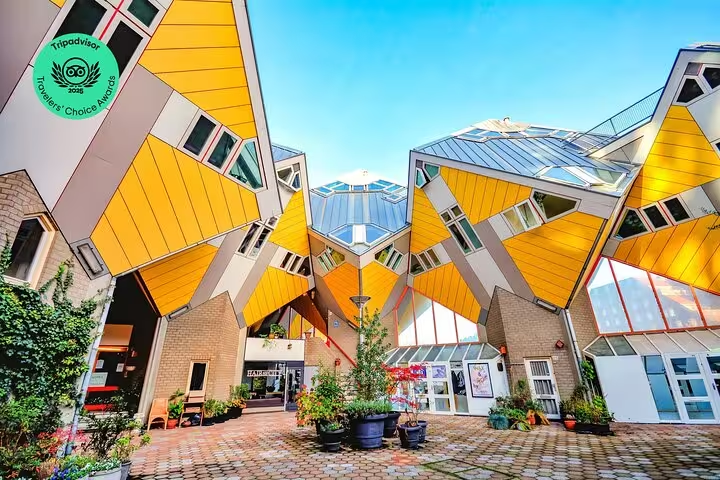
Rotterdam contrasts beautifully with Delft, known for modern architecture and a more contemporary cityscape. Primary reason to visit, cutting edge design, skyline views, and a faster pace. Travel time, typically short by train.

Amsterdam
Amsterdam is a longer day trip but still feasible with rail connections, offering world famous canals, museums, and neighborhoods. Primary reason to visit, iconic attractions and a dense concentration of cultural highlights. Travel time, longer than Rotterdam or The Hague, plan for a fuller day.

Leiden
Leiden is another historic Dutch city with canals and a lively student atmosphere, offering a different variation on the same regional charm. Primary reason to visit, compact heritage streets and a relaxed cultural scene. Travel time, generally manageable by train within the region.


โœ… Insider Tips for Travelers

  • Build your day around walking loops along canals, then add one indoor stop so weather does not derail your plans.
  • When buying ceramics, compare multiple shops and look closely at finish and detail before committing.
  • Use the market square as your meeting point, it simplifies navigation when your group splits up.
  • Stay aware of cycling lanes, especially when stepping out of shops or taking photos near the street edge.
  • For day trips, travel early to maximize time on the ground, then return to Delft for a calmer evening.
  • Pack a light rain layer and comfortable walking shoes, canal side exploring is best done on foot.

โ“ Frequently Asked Questions, FAQ

Is Delft walkable for first time visitors?
Yes, the historic center is compact and easy to explore on foot. Using the market square and canals as reference points makes navigation straightforward.

How many days do you need in Delft?
One day covers the main highlights at a brisk pace. Two to three days lets you slow down, add museums, and include day trips to nearby cities.

What is the best way to reach Delft from major hubs?
Trains are a practical choice in the Netherlands and connect South Holland cities efficiently. Many travelers arrive via Amsterdam Airport Schiphol and continue by rail toward the region.

Can you visit Rotterdam and The Hague while staying in Delft?
Yes, Delft is positioned between Rotterdam and The Hague, which makes both easy to combine. Plan your day trip around one main area in each city to avoid rushing.

What should I watch out for when walking around the center?
Pay attention to bikes and cycling lanes, especially near bridges and busy streets. Also plan for occasional rain and bring a layer so you can keep exploring comfortably.