The Hague
Plan a smart trip to The Hague with practical logistics, top cultural picks, Scheveningen beach time, easy itineraries, local flavors, transport tips, and simple day trips to Delft, Rotterdam, Leiden, and Amsterdam.

Plan a smart trip to The Hague with practical logistics, top cultural picks, Scheveningen beach time, easy itineraries, local flavors, transport tips, and simple day trips to Delft, Rotterdam, Leiden, and Amsterdam.

The Hague blends royal grandeur, international diplomacy, and a laid-back seaside rhythm into one easy-to-navigate city. Museums and landmark institutions sit close to elegant avenues, while tram rides lead you toward dunes and beach cafés. This guide focuses on practical choices, what to prioritize, and how to shape your days around the city’s distinct mix of culture and coast.
The Hague feels polished and purposeful, with a calm confidence that comes from being both a political capital and a beach city. Come for world-class art and civic history, stay for long walks in Scheveningen and café culture that runs on good bread, strong coffee, and people watching. It is a smart pick when you want a Netherlands trip that balances big-ticket sights with breathing room.
The Hague sits in South Holland on the western side of the Netherlands, close to the North Sea. It is part of the Randstad, the dense urban network that also includes Rotterdam, Amsterdam, and Utrecht, which makes day trips straightforward. For arrival, travelers commonly route through major Dutch gateways and then continue by train to Den Haag Centraal or Den Haag Hollands Spoor, depending on where you are staying.
Expect a maritime climate, which means changeable skies and breezes that can make the city feel cooler than the temperature suggests. Warmer months suit beach time in Scheveningen and long evenings on terraces, although popular areas can feel busier. Cooler months shift the focus to museums, indoor cafés, and neighborhood strolling, which can be ideal if you prefer a quieter pace and shorter lines.
The Netherlands uses the euro, and card payments are common across cities like The Hague. Keep a small amount of cash for small purchases or places that may prefer it, but plan on tapping or chip-and-pin as your default. Budget-wise, costs can vary by neighborhood, with beach areas and central districts often feeling pricier than residential zones, so consider staying slightly outside the core and using trams to reach the highlights.
Mauritshuis Museum
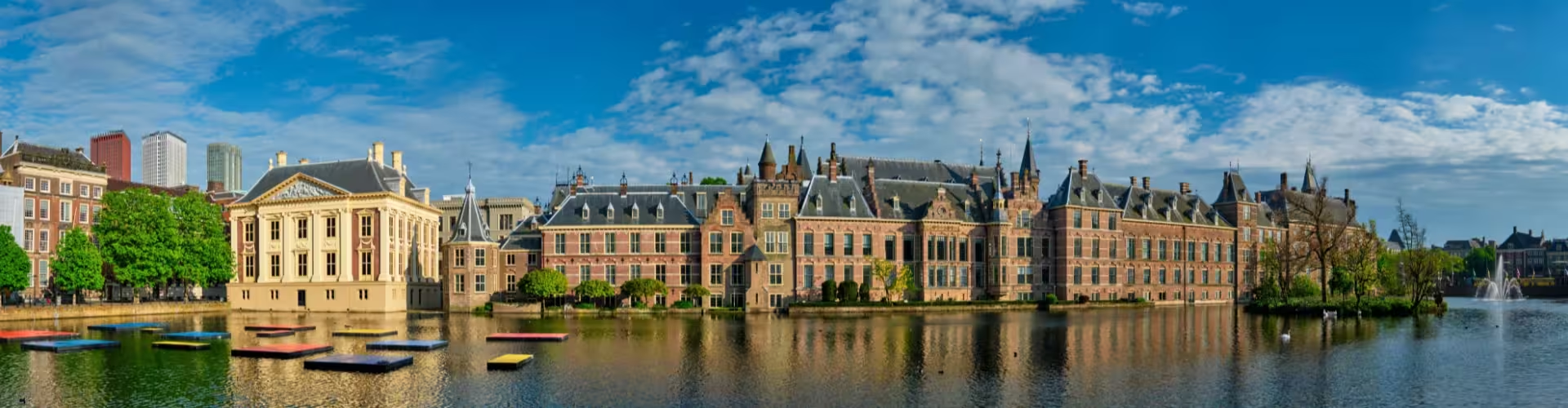
This intimate museum is one of the most rewarding cultural stops in The Hague, especially if you love Dutch Golden Age painting and quieter galleries. The setting adds to the experience, since the collection feels curated rather than overwhelming. Practical tip, go early in the day for a calmer visit and pair it with a walk around the nearby historic center.
Binnenhof and the Political Heart
The Binnenhof area anchors the city’s identity as the seat of government, and it is where the civic story of the Netherlands becomes tangible. Even if you focus on exteriors, the architecture and courtyards give you a strong sense of place. Practical tip, visit as part of a morning loop so you can continue on foot to museums and cafés without backtracking.
Peace Palace Area
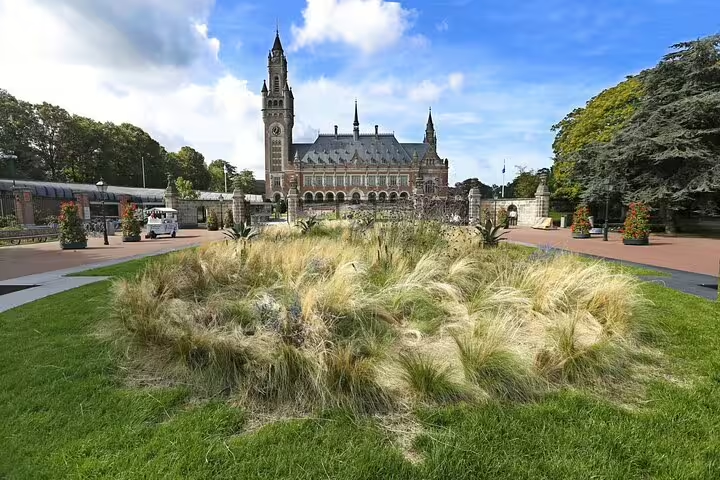
This is the symbolic core of The Hague as an international city, linked to law, diplomacy, and global institutions. The surrounding streets feel stately and calm, which makes it a good contrast to the busier shopping lanes. Practical tip, plan a photo stop and then continue to nearby parks for a slower, greener afternoon.
Scheveningen Beach and Promenade
Scheveningen brings a classic North Sea beach scene, sea air, and a wide horizon that changes with the weather. It is ideal for resetting your trip rhythm, especially after museum-heavy days. Practical tip, check the wind before you go and bring a light layer, even when it looks sunny.
Stroll the Historic Center
The center is compact and walkable, with a mix of grand streets and smaller lanes that reward wandering. It is the easiest way to absorb the city’s day-to-day character, from local shops to café terraces. Practical tip, build in unstructured time here, since the best moments are often spontaneous.
Panorama Mesdag
This immersive artwork experience offers a different kind of museum visit, one that feels atmospheric and memorable. It works well if you want a cultural stop that is not a traditional gallery sequence. Practical tip, go when you want a break from crowds and aim to slow down, since the impact grows the longer you look.
Madurodam
This miniature park is a playful way to understand the Netherlands through scale models and storytelling. It is popular with families, but it can also be a fun, low-effort visit for adults who want a lighter attraction between more serious sights. Practical tip, pair it with a nearby neighborhood walk so the day does not become only one attraction.
Shopping and Street Life in Key Districts
Retail streets and mixed-use neighborhoods show how The Hague balances local life with international residents and visitors. You can combine browsing with snack stops and coffee breaks without committing to a rigid schedule. Practical tip, make this your late afternoon plan, then transition into dinner nearby.
Start in the historic center with a walking loop that includes the Binnenhof area and nearby streets for context and architecture. Choose one major museum, such as the Mauritshuis, then keep lunch flexible so you can follow your energy and the weather. In the afternoon, head to Scheveningen for a long promenade walk, then finish with a relaxed dinner near the sea or back in the center depending on wind and crowds.
Day one focuses on the political and historic core, plus a flagship museum to ground your understanding of the city. Day two layers in the international identity around the Peace Palace area, a slower museum stop like Panorama Mesdag, and extended café time in neighborhoods that feel less touristic. If you have a third day, dedicate it to the coast and dunes, or use The Hague as a base for nearby cities in South Holland by train.
Haring
A classic Dutch bite with a clean, briny taste that is often paired with onion and pickles. Ordering tip, ask how it is typically served and follow the local style for the full experience.
Stroopwafels
Thin waffle cookies with a caramel syrup center, sweet, sticky, and best when slightly warm. Ordering tip, try one fresh if you see them being made, since texture is part of the appeal.
Bitterballen
Crisp fried snacks with a rich, savory filling, commonly enjoyed with mustard. Ordering tip, order them with a drink and share, since they are ideal as a casual bar snack.
Poffertjes
Small, fluffy pancakes typically served with butter and powdered sugar, comforting and lightly sweet. Ordering tip, treat them as a mid-afternoon break during walking-heavy days.
Patat with Sauces
Dutch-style fries are often paired with bold sauces, which makes them more of an experience than a side dish. Ordering tip, ask what the house favorite is if you are unsure which sauce to choose.
Local Café Coffee and Apple Pie
Café culture in The Hague leans into unhurried breaks, and apple pie is a common companion. Ordering tip, choose a window seat when possible for people watching, especially on cooler, breezy days.
The Hague is easy to handle without a car, thanks to a walkable center and strong public transport connections. Trams and buses help you bridge longer distances, especially between central districts and Scheveningen, while trains make regional trips simple from the main stations. Walking is ideal for the historic core, but pack comfortable shoes and a light layer, since the coastal wind can add extra fatigue. As in any city, keep an eye on belongings in busy areas and on public transport, and plan step-free routes in advance if you need accessible entrances.
Delft
A classic canal city known for its historic atmosphere and compact center. It is a natural pairing with The Hague because it complements the political and coastal vibe with a more intimate old-town feel. Travel time is short by train.
Rotterdam
A modern, design-forward city that contrasts with the traditional elegance of The Hague. Go for contemporary architecture, museums, and a different urban energy. Travel time is straightforward by train.
Leiden
A charming city with canals and a strong cultural feel, often associated with student life and museums. It makes an easy, low-planning day out when you want scenery and relaxed wandering. Travel time is quick by train.
Amsterdam
The country’s biggest tourism hub offers major museums and iconic canals, and it is doable as a day trip if you start early. It is best for travelers who want to combine The Hague with the headline sights of the Netherlands. Travel time is convenient by train.
Walking works well in the historic center, while trams and buses help connect longer routes such as trips to Scheveningen. Trains are useful if you plan day trips to nearby cities in South Holland.
The Hague fits well into one full day for highlights, especially if you focus on one museum and the historic center. Two to three days lets you add the coast, slower neighborhoods, and an easy day trip.
Yes, the promenade and wide sea views can be memorable even on breezy or cloudy days. Bring a light layer and treat it as a scenic walk with warm café stops rather than a sunbathing plan.
Card payments are widely used, so most travelers can rely on cards for daily expenses. Keeping a small amount of cash can still be handy for small purchases.
Delft, Rotterdam, and Leiden are all convenient by train and each offers a different atmosphere. Amsterdam is also doable as a longer day trip if you start early and keep your plan focused.