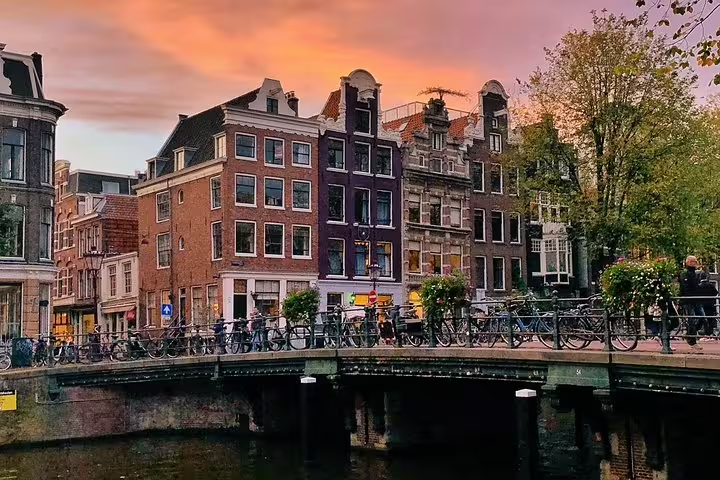
The Netherlands is a country defined by its intricate network of canals, cycling culture, and artistic heritage. From the picturesque waterways of Amsterdam to the tulip fields of Keukenhof, this European destination offers a blend of historic charm and modern vibrancy. Visitors discover a landscape where water, windmills, and bicycles shape daily life.
What to see in Netherlands
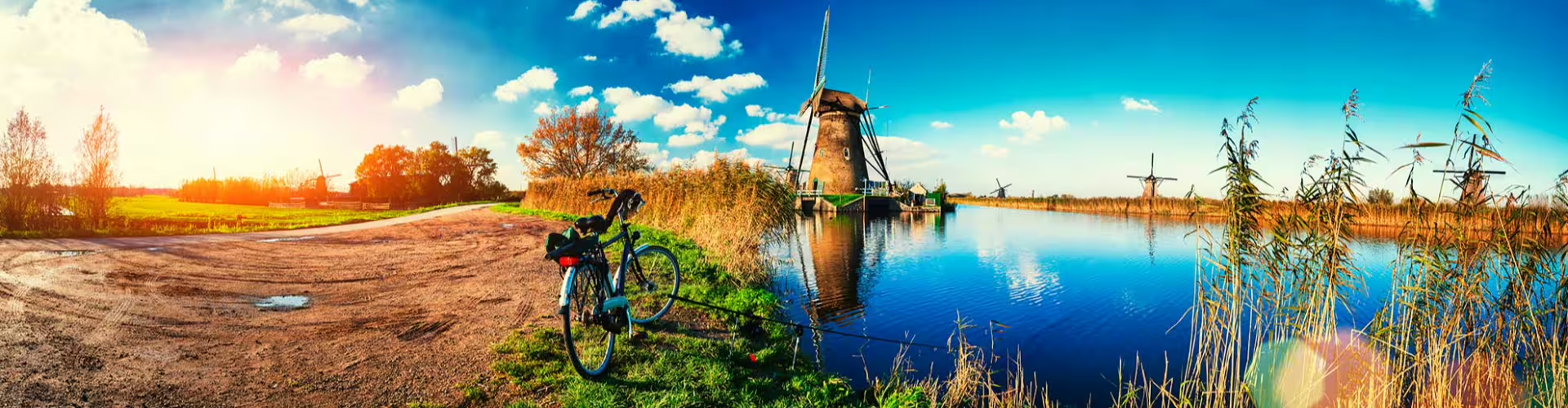
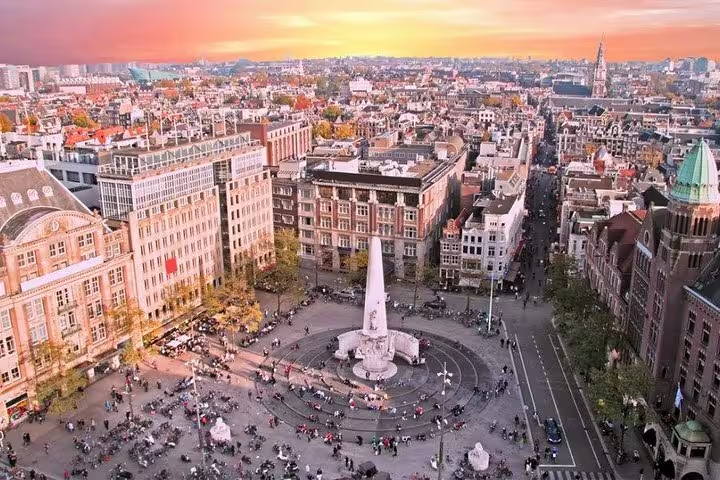
Amsterdam's canal rings, designated as a UNESCO World Heritage site, showcase 17th-century architecture and museums housing world-class art collections. The Anne Frank House provides poignant historical insight, while Keukenhof displays millions of flowering bulbs each spring. Windmills at Kinderdijk represent traditional Dutch engineering and remain iconic symbols of the nation.
Things to do in Netherlands
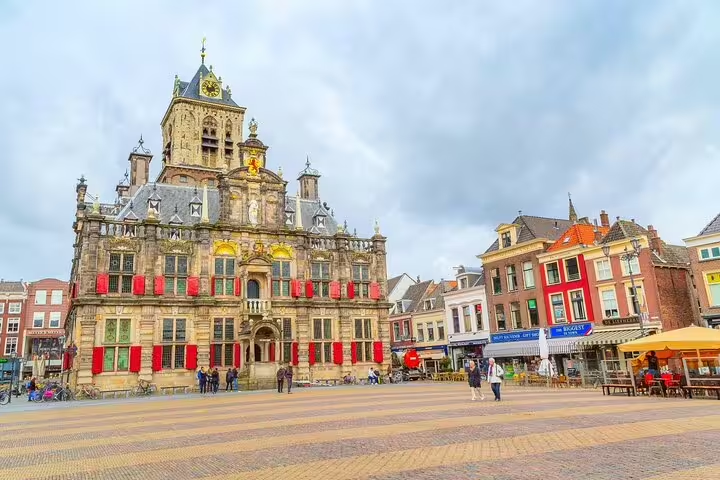
Cycling through rural provinces like Friesland and North Holland offers immersive countryside experiences. Canal cruises through Amsterdam provide leisurely perspectives of the city's layout and neighborhoods. Day trips to cheese markets in Alkmaar and pottery towns like Delft combine cultural exploration with local traditions.
Dutch Cycling and Waterway Culture
The Netherlands pioneered cycling infrastructure that now influences urban planning worldwide. Amsterdam and Utrecht feature extensive bike lanes where locals outnumber cars on roads. Waterway management through dikes and locks reflects centuries of Dutch innovation in living alongside water.
The Netherlands is a low-lying country in Western Europe bordered by Belgium and Germany. Known for below-sea-level regions protected by an extensive system of dikes and water management infrastructure, it has developed unique adaptations to its geography. The landscape features vast flat plains, intricate waterways, and cycling paths connecting towns and countryside villages across provinces like North Holland, South Holland, and Friesland.
Netherlands, Western Europe, Canal Cities, Cycling Destination, Cultural Heritage, Tulip Season, UNESCO Sites