Western Europe / Atlantic Coast
Portugal: A Complete Travel Guide
From sun-drenched coastlines to medieval hilltop villages, a nation where history and hospitality meet the Atlantic.
Portugal is one of Europe's most rewarding destinations, blending centuries of maritime history with dramatic landscapes, world-class cuisine, and a deeply welcoming culture. From the tiled facades of Lisbon to the vineyard terraces of the Douro Valley, every corner of this country offers a distinct and memorable experience. Whether you arrive for a weekend or a month, the country rewards curiosity at every turn.
Portugal Geography and Logistics
Essential Things to Do
Curated Itineraries
The Highlights: 1 Day
Begin at dawn in the Alfama district, climbing the narrow lanes toward the castle for views over the city and the Tagus estuary before tour groups arrive.
Take Tram 15E or the metro to Belem to visit the UNESCO-listed monastery and the iconic riverfront tower, both masterpieces of Manueline architecture.
Head to the LX Factory creative market for a relaxed lunch at one of its independent restaurants, followed by browsing local design and bookshops.
Walk the formal park for a panoramic view down the central boulevard to the river, then settle into Chiado for dinner at a traditional tasca or contemporary Portuguese restaurant.
Deep Dive: 2 to 3 Days
Spend the first day between Alfama, Mouraria, and Intendente, absorbing the multicultural layers of the capital, then attend a live Fado performance in the evening at a respected house in Alfama.
Dedicate the afternoon to the Belem cultural strip, including the Museum of Art, Architecture and Technology (MAAT) and the Berardo Collection Museum for contemporary art.
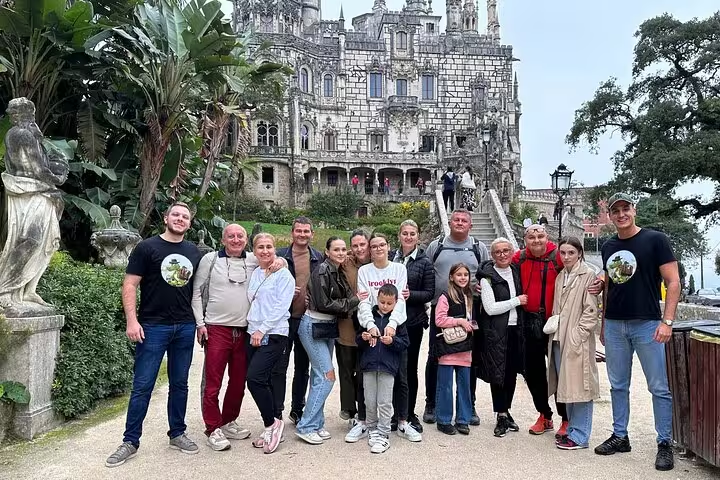
Take the early Sintra train from Rossio station, spend the morning at Pena Palace and Quinta da Regaleira, then continue by bus to the coastal resort town of Cascais for a seafood lunch and an afternoon by the Atlantic.
Board an intercity train to Porto, arriving in time for an afternoon walk through the Ribeira, a visit to a Port wine cellar across the river, and dinner at a traditional tasca in the Bonfim neighbourhood.
Explore the Rua das Flores area for craft cocktail bars and the Mercado do Bolhao for late-evening snacks, ending the trip with a sense of the city's rapidly evolving culinary scene.
Flavors of Portugal
Local Dishes
- Bacalhau a Bras: Shredded salt cod scrambled with thin-cut potatoes and eggs, garnished with black olives and parsley, representing one of the country's most beloved comfort dishes.
- Francesinha: A Porto-born sandwich of cured meats and melted cheese, drowned in a spiced tomato and beer sauce, usually served alongside a heap of fried potatoes.
- Caldo Verde: A simple but deeply satisfying soup of potato puree, finely shredded kale, and sliced chourico sausage, particularly popular in the cooler northern regions.
- Leitao da Bairrada: Slow-roasted suckling pig from the Bairrada region, renowned for its crackled skin and herb-infused meat, often paired with sparkling Bairrada wine.
- Pasteis de Nata: Custard tarts with a flaky puff pastry shell and a slightly caramelised egg custard filling, dusted with cinnamon and served warm from the oven.
- Cataplana de Mariscos: A fragrant seafood stew cooked in a traditional copper clam-shell vessel, typically combining clams, prawns, and chorizo with white wine and herbs.
Drinks and Ordering Tips
- Vinho Verde: A lightly sparkling, low-alcohol white wine from the Minho region in the northwest, best drunk young and chilled alongside fresh seafood.
- Port Wine: A fortified wine produced exclusively in the Douro Valley, available in tawny, ruby, white, and vintage styles, traditionally served as an aperitif or dessert wine.
- Ginjinha: A sour cherry liqueur typically sold in small chocolate cups from street kiosks in Lisbon and Obidos, a quick and affordable local ritual.
- Super Bock and Sagres: The two dominant domestic lager brands, available everywhere and best ordered as an imperial (draft) for maximum freshness.
- Galao: A tall, milky espresso drink similar to a latte, served in a glass and preferred by locals for a mid-morning break in a traditional pastelaria.
- Ordering Tips: Ask for the prato do dia (dish of the day) for the best value at lunch. Bread and butter brought to the table without asking is charged separately, so decline if not wanted.
Navigation and Transport
Lisbon and Porto both operate reliable metro systems that connect major neighbourhoods, airports, and train stations at low cost. In Lisbon, the historic trams (particularly lines 28E and 15E) are scenic but extremely crowded, making them impractical during peak hours for anything other than the experience itself. The Carris and Andante transport cards offer convenient tap-on access across buses, trams, metro, and suburban rail within their respective cities.
Intercity travel is well served by Comboios de Portugal (CP), the national rail operator, with frequent and affordable services between Lisbon, Porto, Coimbra, and Faro. The Alfa Pendular high-speed service covers the Lisbon to Porto journey in approximately 2 hours 45 minutes. For reaching smaller towns, rural villages, and the Alentejo interior, renting a car provides the most flexibility, as bus connections outside major corridors can be infrequent or slow.
Ride-hailing apps including Uber and Bolt operate in Lisbon and Porto, providing a reliable and transparent alternative to metered taxis. For island travel, TAP Air Portugal and SATA Air Azores offer domestic flights to Madeira and the Azores, with journey times under two hours from Lisbon.
Beyond the Center: Day Trips
Nazare: Located roughly 120 kilometres north of Lisbon, this fishing town is known worldwide for its record-breaking big waves at Praia do Norte, best observed from the clifftop lighthouse viewpoint between October and March.
Obidos: A perfectly preserved medieval walled town just 80 kilometres from Lisbon, where the village streets are lined with whitewashed houses trimmed in yellow and blue, and the castle has been converted into a luxury pousada.
Aveiro: Often called the Venice of Portugal, Aveiro is a compact university city threaded with canals and navigated by traditional moliceiro boats, located about an hour south of Porto by train.
Guimaraes: Considered the birthplace of the Portuguese nation, this northern city preserves its medieval centre in exceptional condition, including a 10th-century castle and a well-restored ducal palace, both easily reached from Porto in under an hour.
Coimbra: Home to one of the oldest universities in Europe, founded in 1290, Coimbra offers a distinctive academic atmosphere, baroque libraries, and its own melancholic style of Fado, midway between Lisbon and Porto on the main rail line.
Insider Tips for Travellers
Lisbon is a hilly city, and comfortable walking shoes are essential. The historic tram routes are scenic but extremely crowded with tourists, so locals rely on buses and the metro for practical commuting.
Book major attractions such as Pena Palace in Sintra, the Jeronimos Monastery, and Porto's Lello bookshop online well in advance, particularly between June and August, to avoid multi-hour queues.
Dinner is typically eaten late, with most locals sitting down between 8pm and 10pm. Arriving at a restaurant before 7:30pm means you will often be the only table, which can work in your favour for service.
Card payments are widely accepted across cities, but smaller villages, local markets, and traditional tascas often prefer cash. Carrying 20 to 30 EUR in small notes is advisable outside urban centres.
EU residents can use their mobile data plans without roaming charges. Non-EU visitors should consider purchasing a local SIM from NOS, MEO, or Vodafone Portugal at the airport, which provides affordable data coverage across the country.
Learning a few basic phrases in Portuguese, such as obrigado (thank you), por favor (please), and com licenca (excuse me), is appreciated and will often result in warmer interactions with locals, who are genuinely proud of their language.