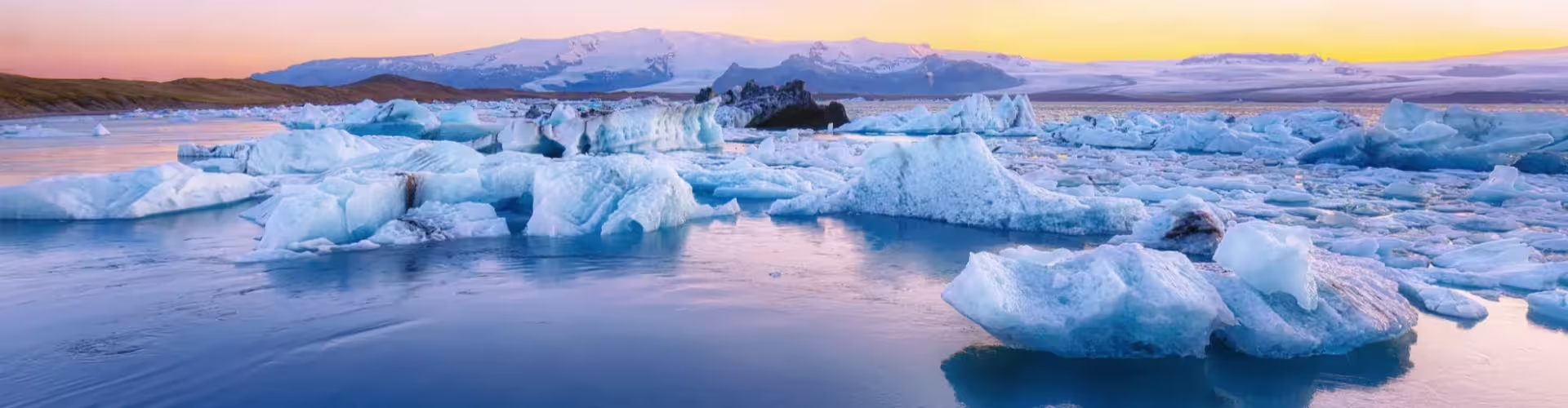
Jokulsarlon is Iceland's most visited glacier lagoon, located in southeast Iceland near Vatnajokull National Park. This stunning destination features icebergs floating in a proglacial lake, with the dramatic Breiðamerkurjökull glacier visible in the distance. The lagoon's otherworldly landscape of blue ice and dark sand creates one of Iceland's most photogenic settings.
What to see in Jokulsarlon
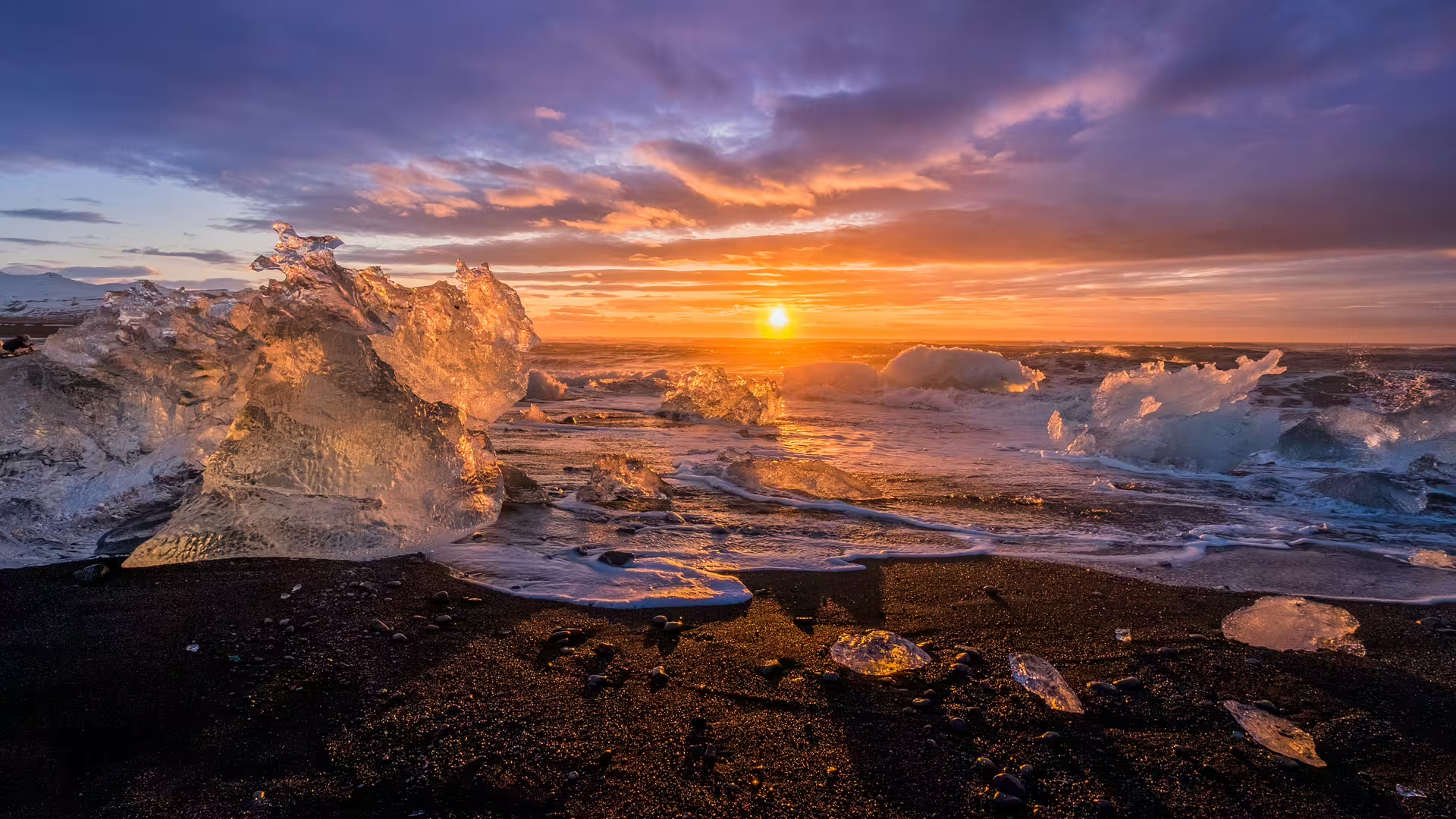
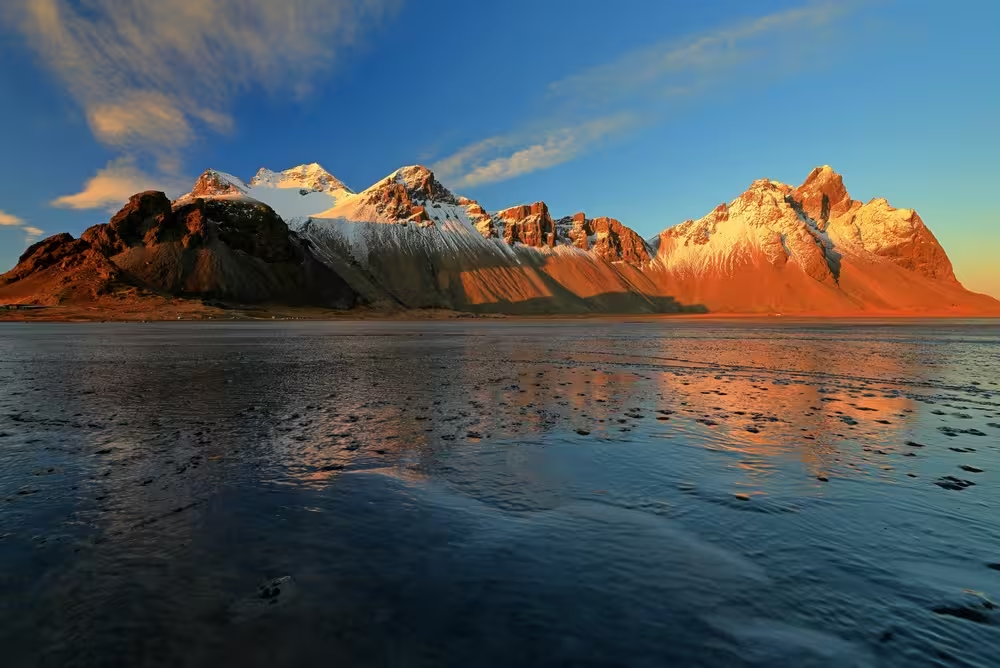
Visitors should not miss the iconic icebergs drifting across the lagoon, which vary in size and shape throughout the year. The nearby black sand beach, known as Diamond Beach, offers contrasting views where ice chunks wash ashore. The glacier face and surrounding mountain peaks provide dramatic backdrops for photography and exploration.
Things to do in Jokulsarlon
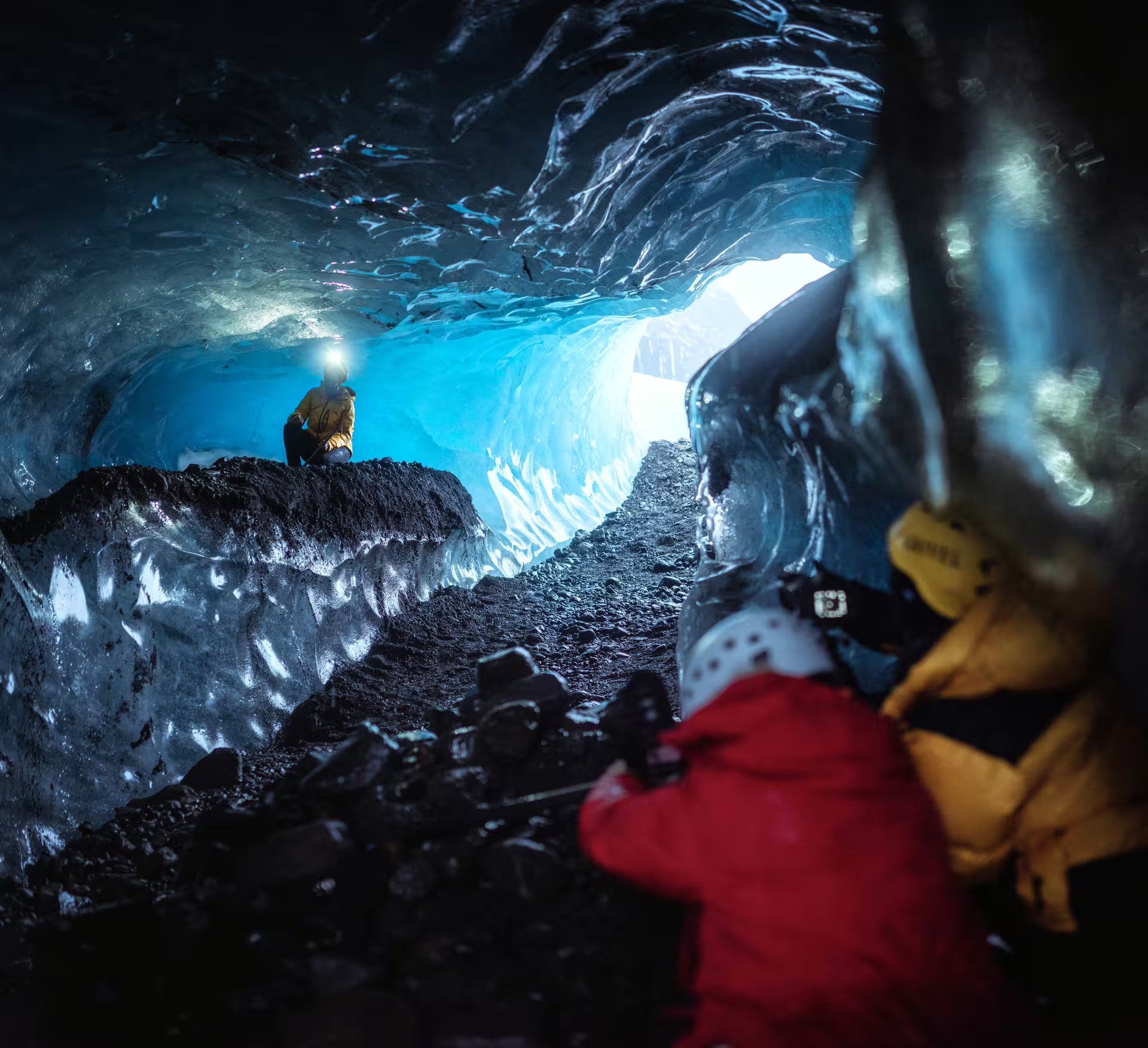
Amphibious boat tours allow visitors to navigate among the icebergs for up-close encounters with the floating ice. Walking along Diamond Beach offers accessible views and unique opportunities to examine ice formations. The location serves as an ideal base for exploring the wider Vatnajokull region and nearby waterfalls.
Jokulsarlon's Role in Film and Television
The lagoon has appeared in numerous major productions, including Batman Begins, James Bond films, and Interstellar. These iconic appearances have made Jokulsarlon one of Iceland's most internationally recognized natural attractions. Filmmakers continue to choose the location for its striking alien-like landscape and dramatic ice formations.
Jokulsarlon is located in southeast Iceland within Vatnajokull National Park, approximately 370 kilometers east of Reykjavik. The glacier lagoon sits at the terminus of Breiðamerkurjökull glacier, a major outlet glacier of Vatnajokull. The region features dramatic volcanic and glacial landscapes characteristic of Iceland's southeastern coast. The lagoon is accessible via Route 1 and serves as a major stop on Iceland's famous Ring Road. The area experiences significant seasonal variations, with longer daylight hours in summer and potential northern lights visibility in winter.