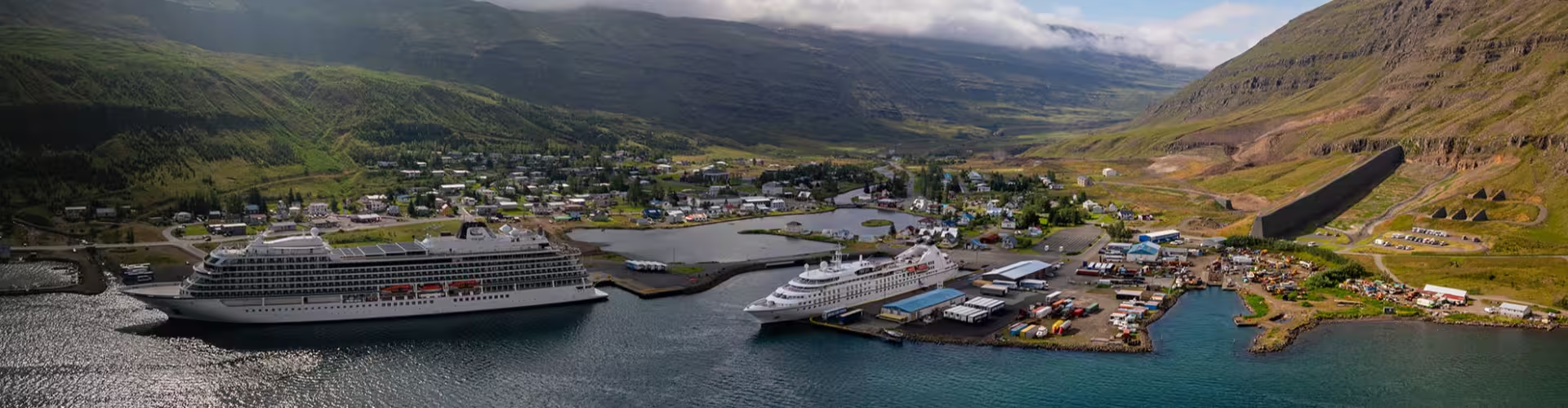
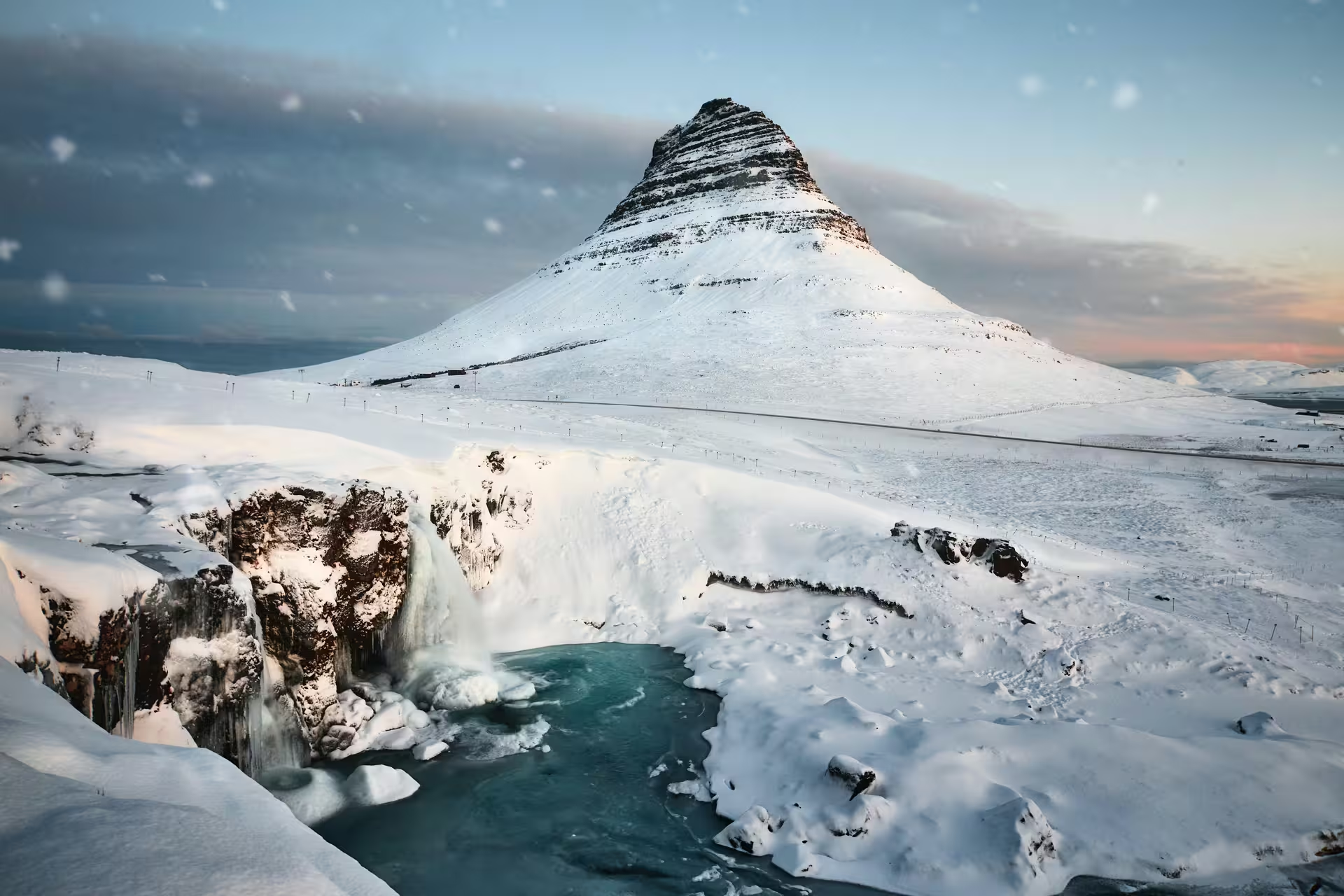
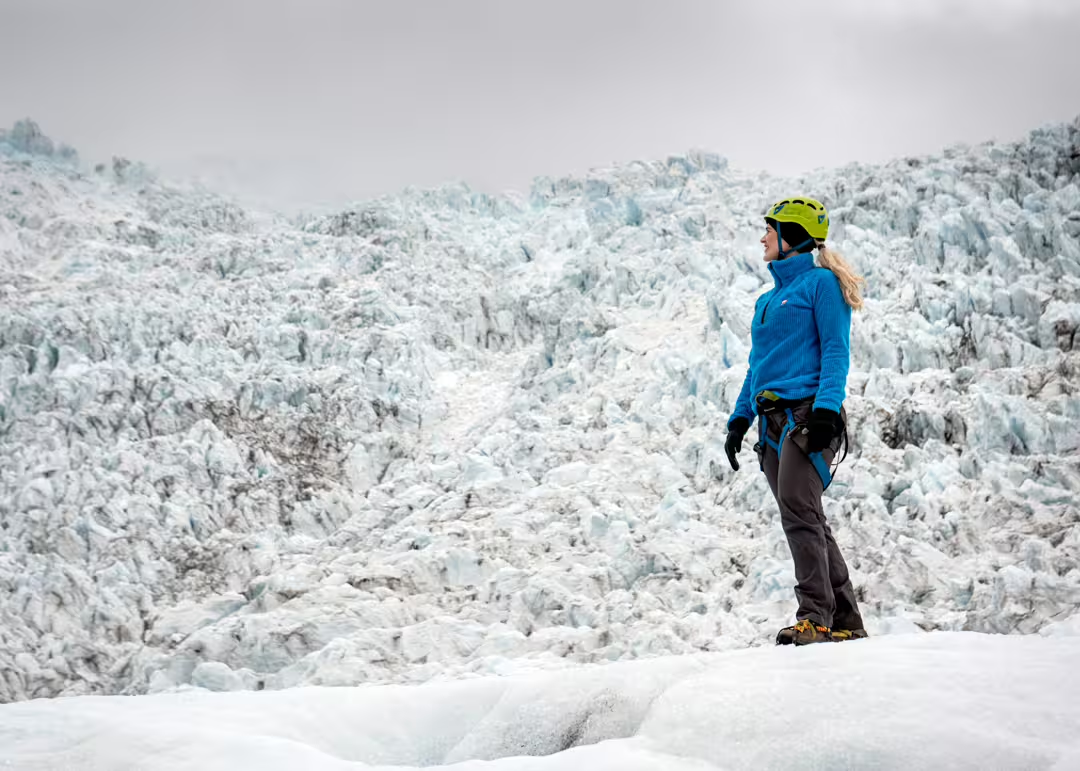
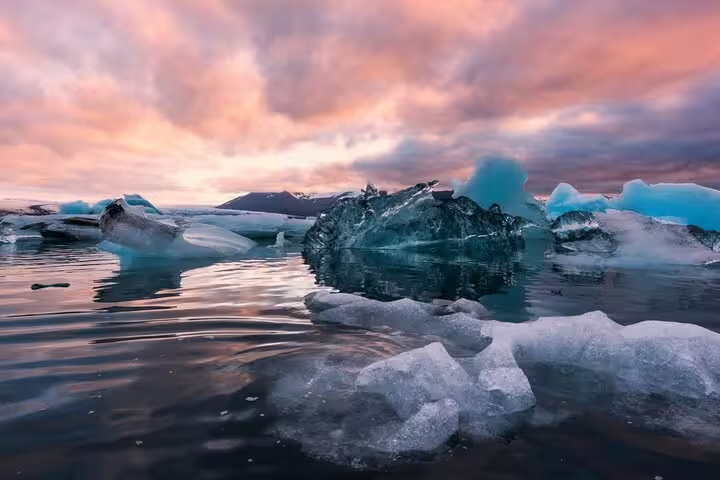
Eastern Region of Iceland is a wide-open corner of the country where fjords, fishing towns, and highland edges shape a slower, more scenic style of travel. This guide focuses on practical decisions, how to plan your route, what to prioritize, and how to experience the landscapes and communities with confidence. If you want a trip built around drives with constant viewpoints, local food stops, and outdoor time, Eastern Region of Iceland delivers.
Eastern Region of Iceland feels expansive and unrushed, with long coastal roads, quiet harbors, and mountain-backed fjords that reward travelers who like to linger. The signature vibe is road trip freedom paired with small-town warmth, where your day is shaped by weather, light, and spontaneous photo stops. Go now if you want a more relaxed pace than the busiest parts of the Ring Road, and you prefer nature-forward days with fewer crowds.
The Eastern Region of Iceland sits on the east side of the country, stretching along a dramatic coastline of fjords and inland areas that transition toward highland terrain. It is commonly approached as part of a Ring Road journey, linking the north and south with a scenic, less urban middle section. For planning, think in hubs, then branch out to fjords, valleys, and coastal villages for day loops.
Seasonality matters here because driving conditions and daylight strongly shape what you can comfortably do in a day. In brighter months, you can stack viewpoints, hikes, and fjord drives into longer itineraries, while in darker or stormier periods you will want shorter distances and more flexible plans. Crowd levels can feel lighter than Iceland’s busiest corridors, but weather can still influence road plans, so build in buffer time and keep your schedule adaptable.
Iceland is generally a higher-cost destination, so a smart approach is to plan your must-do experiences, then balance them with free scenic stops and self-guided drives. Cards are widely used across the country, and travelers often rely on contactless payments for day-to-day purchases. To control costs, consider setting a daily food budget, prioritizing one standout meal, and using grocery stops for breakfasts or road snacks.
1) Fjord-to-Fjord Scenic Drives
In the Eastern Region of Iceland, the road itself is often the main attraction, with curves that reveal new fjord views, mountain silhouettes, and changing light. These drives help you understand the geography, how communities cluster around sheltered harbors, and why the coastline feels so cinematic. Practical tip: start earlier than you think, because photo stops add up quickly and distances feel longer on winding roads.
2) Harbor Town Wandering
Fishing towns and small ports give the region its lived-in character, and they are ideal for slow travel moments between big landscapes. A short walk along the water can become a highlight when the weather shifts and the sea changes color. Practical tip: keep a flexible meal plan, and time your town stops around lunch so you can warm up indoors if conditions turn.
3) Viewpoints and Short Walks
Many of the most memorable scenes in the Eastern Region of Iceland come from simple roadside pull-offs and short paths rather than long treks. They are perfect for travelers who want big visuals without committing to a full-day hike. Practical tip: bring layers and a wind-resistant outer shell, because exposed viewpoints can feel colder than expected.
4) Waterfall and River Landscapes
Eastern Iceland’s terrain channels water through valleys and down mountain faces, creating frequent waterfall moments during drives. These stops add variety to fjord scenery and break up travel time with quick, high-impact nature. Practical tip: keep footwear that handles wet ground, and protect your camera gear from spray.
5) Geology Spotting, Cliffs, Basalt, and Coastal Formations
The region’s rugged edges make it easy to notice how volcanic forces and erosion shape Iceland. Paying attention to rock layers and coastal formations adds depth to your trip, turning a drive into a story about time and terrain. Practical tip: use a map app to pin viewpoints as you go, then revisit a favorite spot when the light improves.
6) Quiet Beach and Shoreline Stops
Shoreline stops in the Eastern Region of Iceland can feel meditative, especially when you find a stretch with no one else around. The appeal is not only the view, but the soundscape, wind, waves, and seabirds. Practical tip: check conditions before approaching exposed areas, and keep a safe distance from unpredictable surf.
7) Photography Loops at Golden Hour
Because the landscape is so open, light becomes a main character, especially near sunrise and sunset. Fjords catch soft reflections, and mountains gain definition when the sun sits low. Practical tip: pick one area to focus on for golden hour rather than trying to chase multiple spots, since travel time can eat the best light.
8) Slow-Travel Day, One Fjord, One Town, One Big View
A deliberate, simplified day plan often produces the most satisfying experience here. Instead of collecting checklists, you can spend time watching weather roll through a fjord, then end with a cozy meal in a small town. Practical tip: build your day around one anchor stop, then let the rest be flexible based on road conditions and visibility.
Start with a morning scenic drive through fjord landscapes, prioritizing the clearest weather window for your best viewpoints. Midday, choose one harbor town for a walk, a warm drink, and a simple lunch, then continue with short nature stops like waterfalls or cliff viewpoints. End the day with a golden-hour photo session at a single, carefully chosen overlook, then return to your base without rushing night driving.
Day 1 focuses on a fjord drive plus town time, with multiple short stops rather than one long hike. Day 2 adds inland variety, seek river valleys, waterfall areas, and geology-focused viewpoints to understand the region beyond the coast. Day 3 is your flex day, revisit the best fjord when the weather improves, add a longer walk if conditions are good, and schedule extra time for relaxed meals and unplanned discoveries.
Food in the Eastern Region of Iceland often leans toward what is practical, warming, and tied to the sea and countryside.
The best way to explore the Eastern Region of Iceland is usually by car, because distances between fjords and towns can be significant and scenic stops are spread out. Walking works well within towns and at viewpoints, but you will typically rely on driving to connect experiences. For safety, keep your plans weather-aware, avoid rushing long stretches late in the day, and prioritize rest if visibility or wind becomes challenging.
Day trips here are less about a single famous landmark and more about choosing a direction, then building a loop of viewpoints, towns, and short walks.
Yes, driving is typically the most practical way to connect fjords, towns, and viewpoints. It also lets you stop frequently for short walks and photos without relying on fixed schedules.
One day works for a highlights drive and one town stop, but 2 to 3 days creates a more relaxed trip. Extra time helps you adapt to weather and revisit viewpoints in better light.
Early morning and late evening often provide softer light and stronger landscape definition. Pick one area to focus on so you are not rushing between distant viewpoints.
Cards are widely used, and many travelers rely on contactless payments for most purchases. It is still wise to have a backup payment method in case of connectivity issues.
Bring layers, a wind-resistant outer layer, and shoes that handle wet ground. Weather can shift quickly, especially near exposed coastlines and viewpoints.