Last updated:


A Cappadocia trip can centre on rock-cut churches, underground cities and local crafts in Nevşehir Province, in central Turkey. The contrast is between places carved into rock and a landscape of volcanic peaks rising above a plateau more than 1,000 metres high.
Göreme suits a trip focused on churches, while Uçhisar offers a castle visit with views from the top. The Göreme Open Air Museum has over 30 rock-cut churches and chapels, with frescoes surviving in some interiors. Monastic life here spans roughly the 4th to the 13th century, and Göreme National Park joined the UNESCO World Heritage List in 1985.
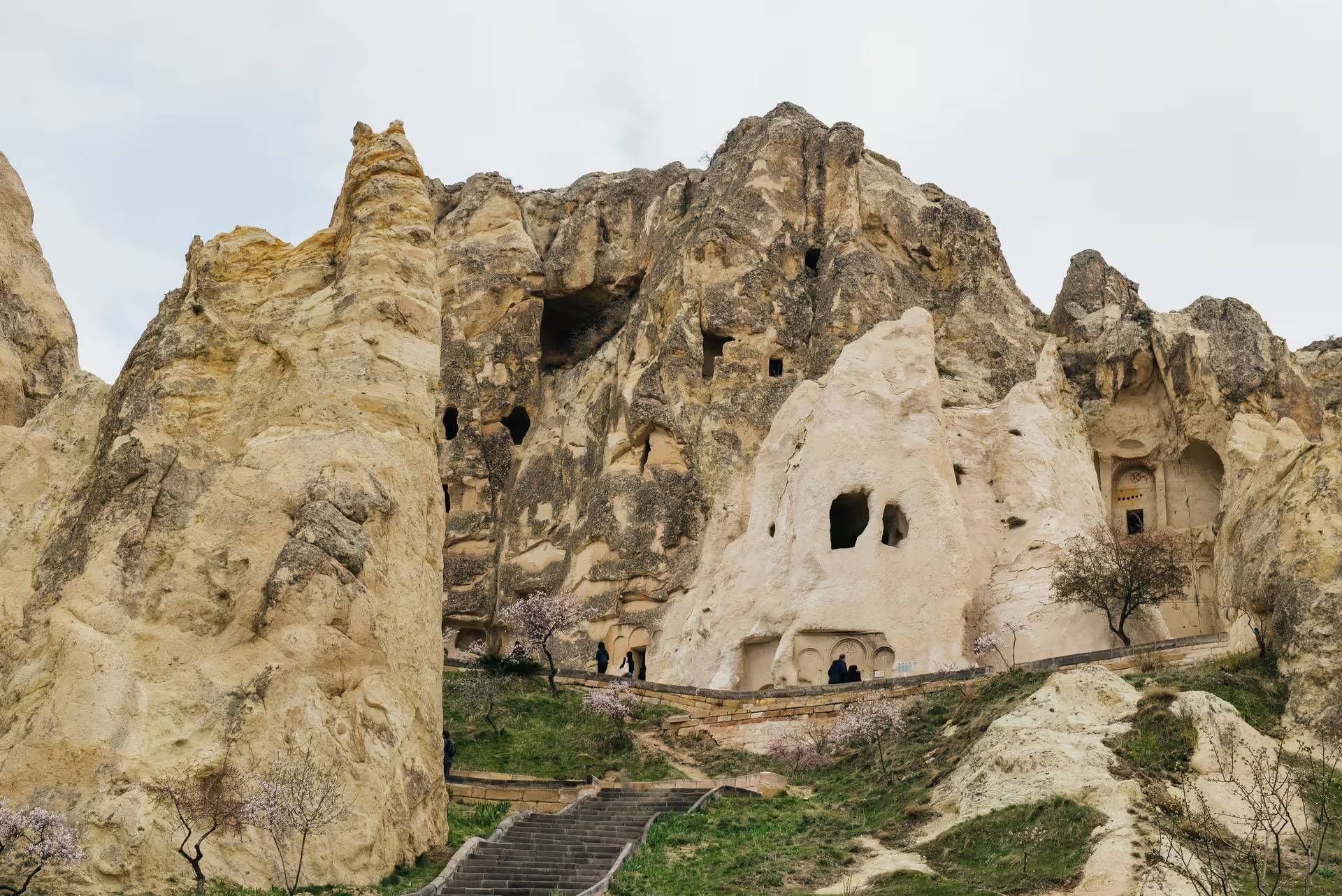
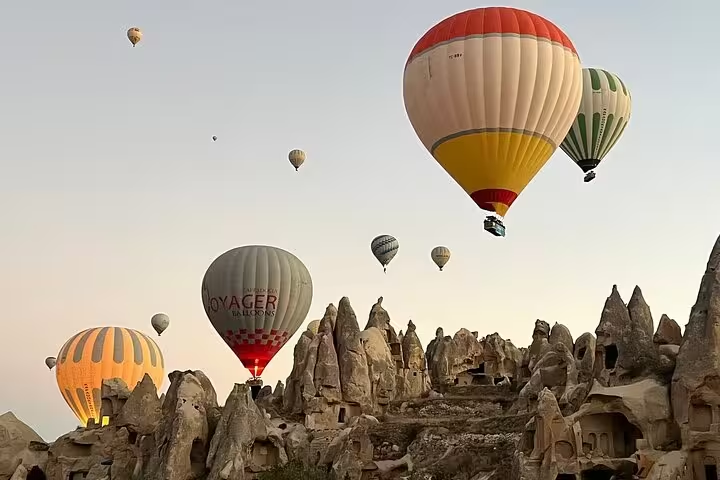
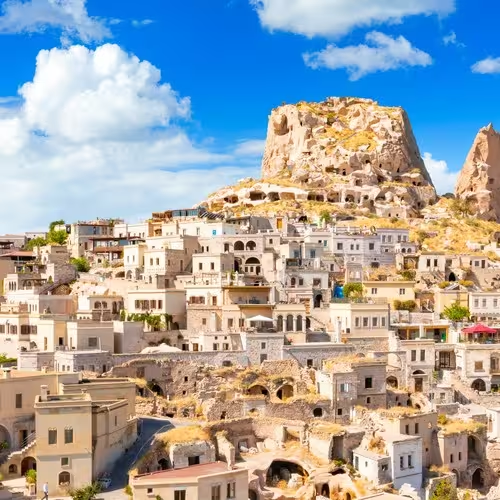
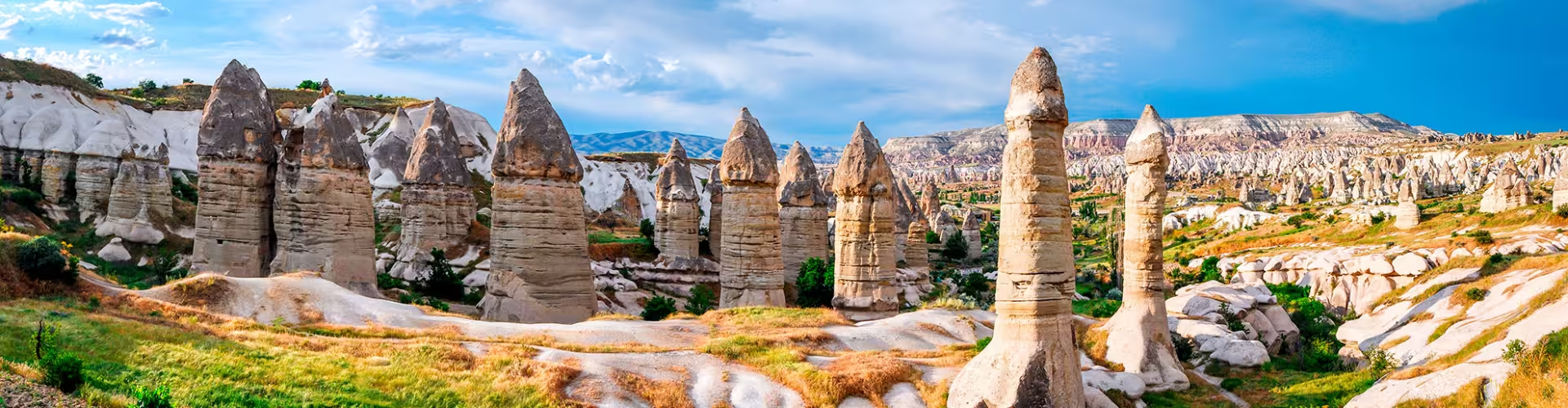
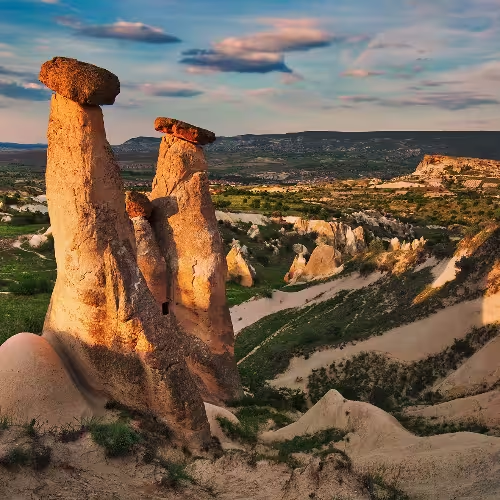
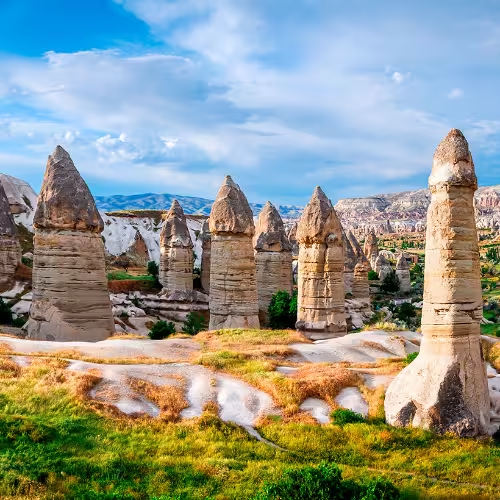
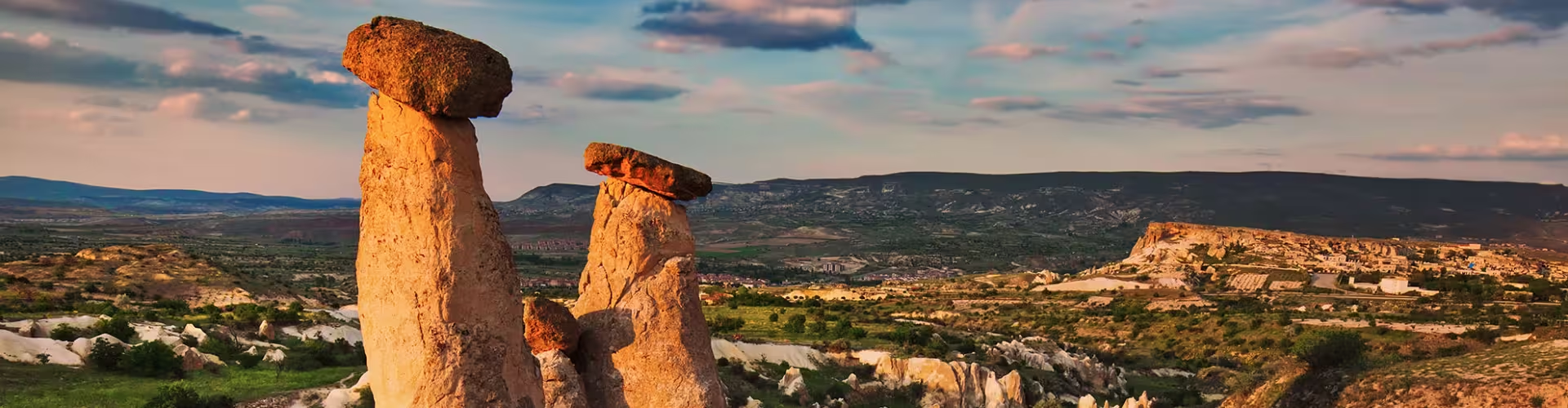
For the landscape itself, Uçhisar has a castle-like rock formation rising 60 metres, left standing by erosion of layered volcanic tuff, as at Ortahisar. Fairy chimneys are narrow rock spires shaped by erosion; in Cappadocia, some have houses hollowed into them.
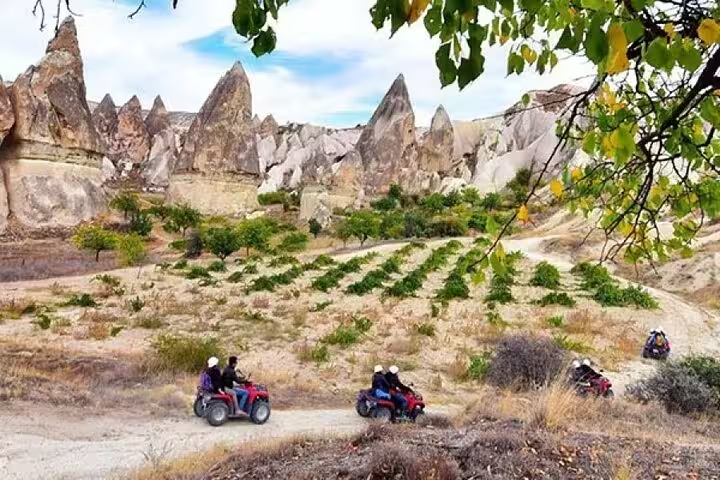
A guided ATV quad bike safari in Cappadocia lasts 2 hours and includes the quad bike, a helmet, basic safety equipment, a professional guide and a safety briefing.
Two days make a workable outline: devote a day to Göreme and Uçhisar, then another to Derinkuyu and Avanos. That gives the churches and castle their own day, with underground heritage and clay pottery shaping the other.
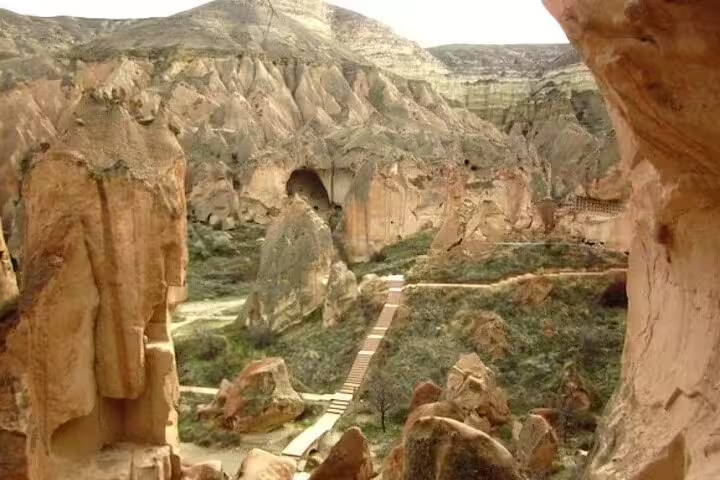
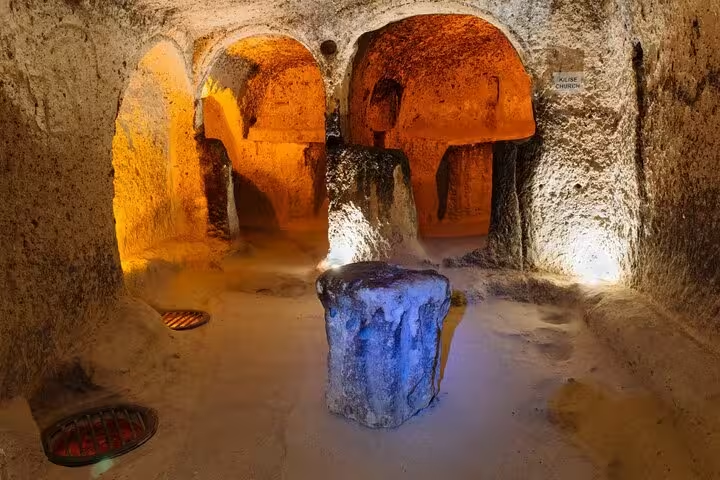
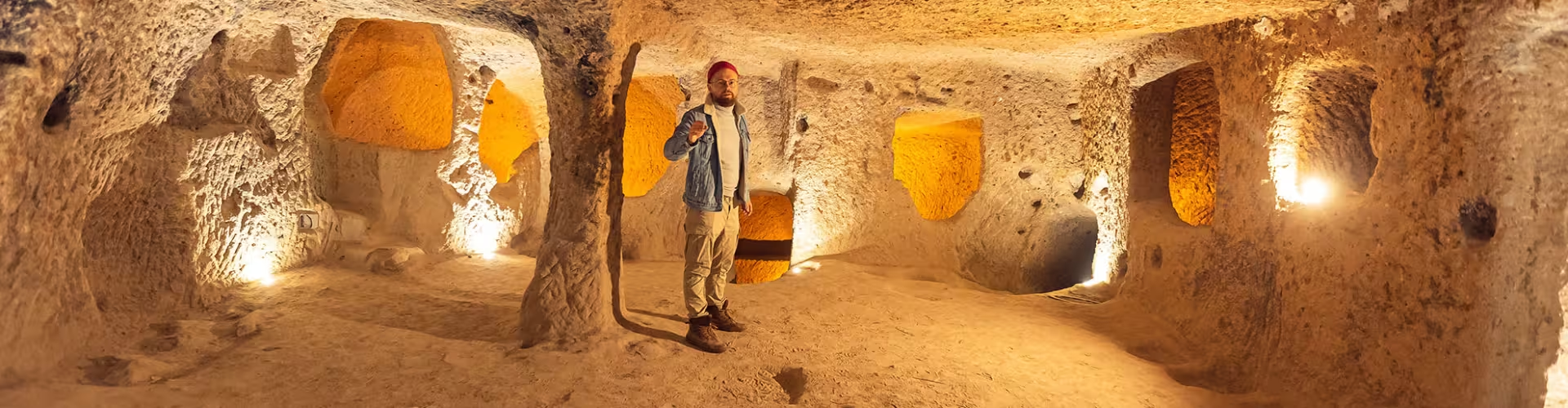
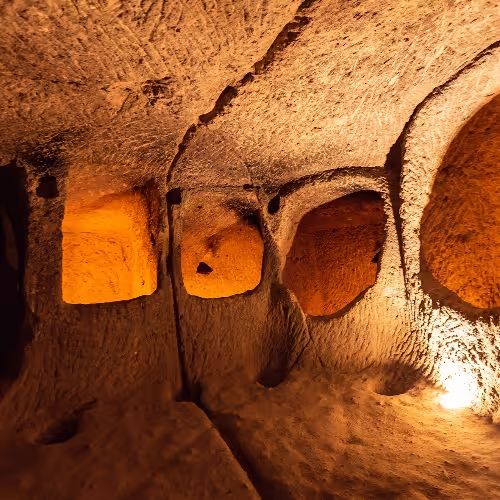
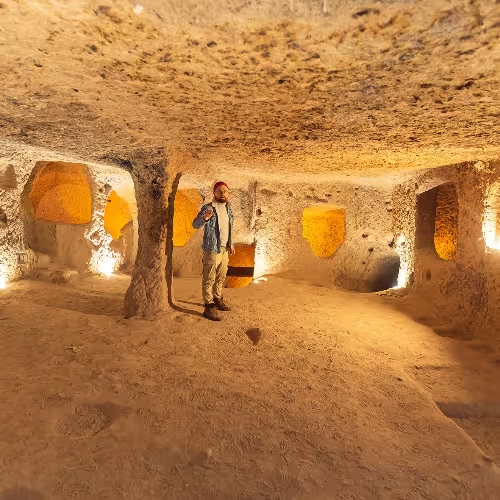
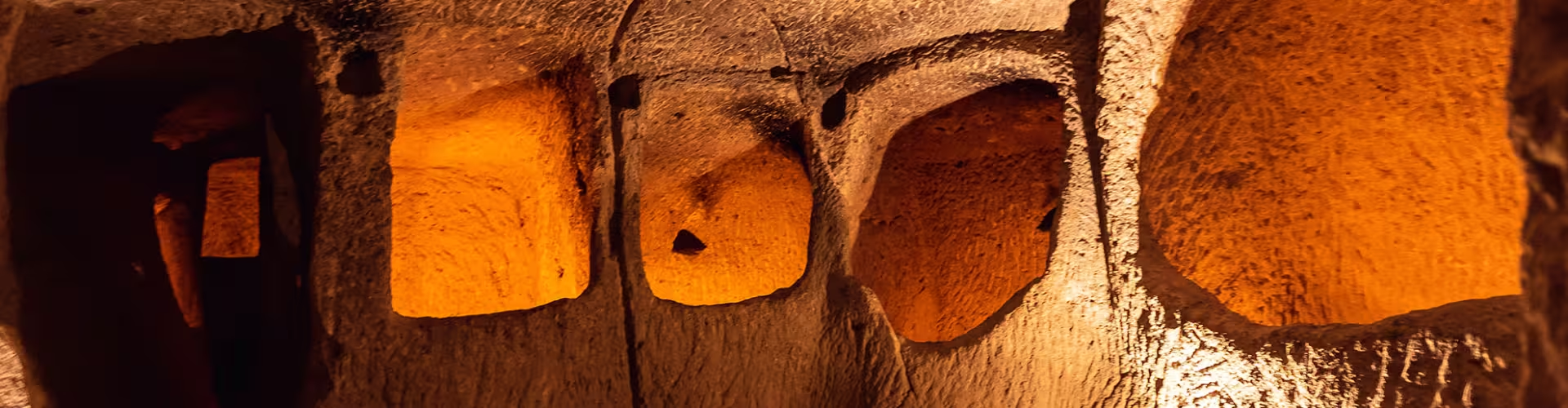
Derinkuyu is the underground visit to prioritise if you want to understand how a community could live below ground. It reaches roughly 85 metres deep and had room for up to 20,000 people, their livestock and food supplies. Stables, cellars, a dining hall and a church formed part of the complex, with vertical ventilation shafts and large stone doors that rolled shut from within.
Kaymaklı offers an alternative underground outing, with four floors accessible to visitors. Avanos gives a day trip a craft focus through its clay pottery, while Cappadocia is also home to handmade silk and wool carpets.
The full-day Cappadocia Green Tour in a small group lasts 8 hours and 30 minutes, with a licensed professional guide, lunch and air-conditioned transport included.
Spring (April to June) and autumn (September and October) are the most comfortable seasons, with mild days for walking. Summer is dry and the busiest time, with hot afternoons; winter brings snowy scenery and freezing temperatures. Cappadocia has a continental climate, so plan outdoor time around the season. Cappadocia has a continental climate, so the seasonal contrast matters when planning time outdoors. For walking, summer dryness comes with heat, while winter snow comes with cold: weigh those conditions against the outdoor time you want.
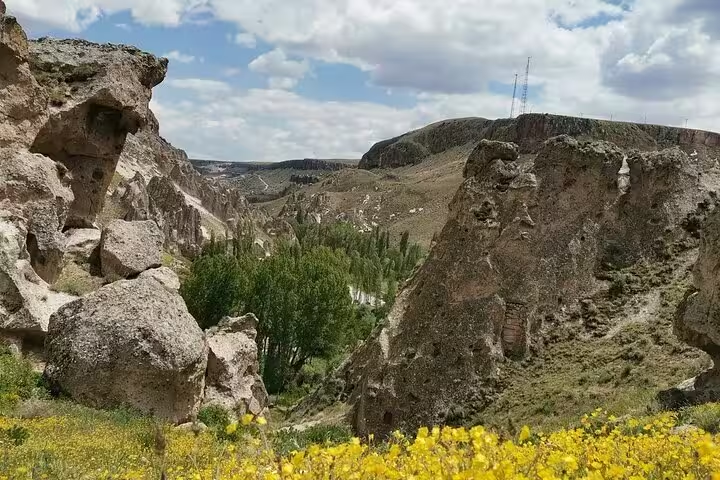
A guided tour with included transport is an option for getting around Cappadocia. A full-day private Cappadocia tour lasts 7 hours and includes a private van, a licensed local guide, underground city admission and a pottery workshop stop in Avanos. For arrival planning, Nevşehir Kapadokya Airport lies northwest of Nevşehir.
Göreme is a sensible base for a stay focused on rock-cut churches; Ürgüp is an alternative if wine-growing interests you. Ürgüp has both tourism and wine-growing, and its centre wraps around the rock formation Temenni Tepesi.
From Uçhisar, Nevşehir is 7 km to the west, Ürgüp 12 km to the east and Avanos 10 km to the north.
On the slopes of Mount İdiş, Özkonak underground city has galleries linked by tunnels.
In Nevşehir's city centre, Kurşunlu Mosque dates from the early 17th century.