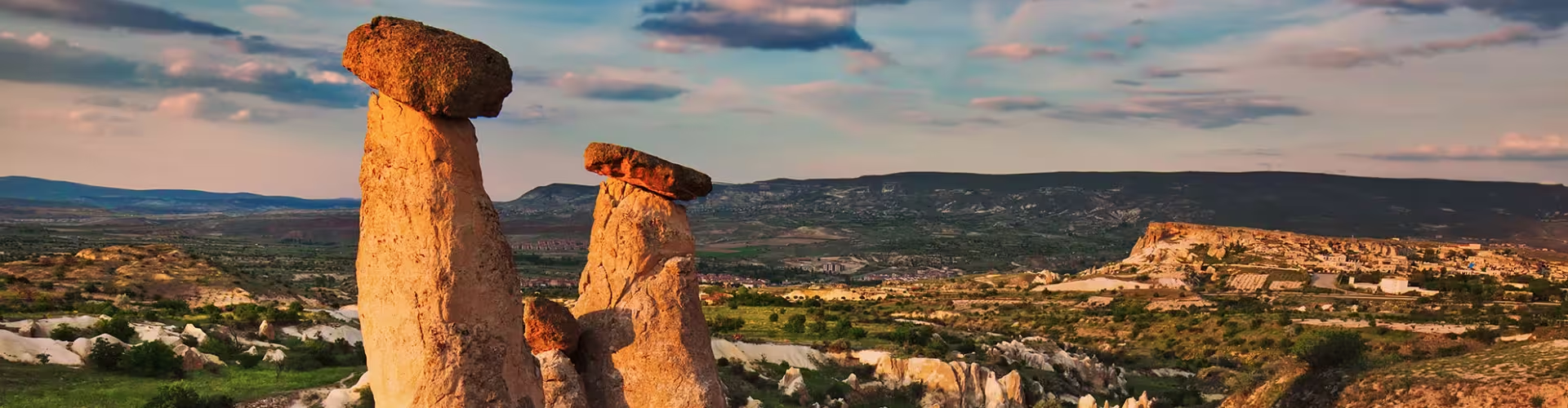
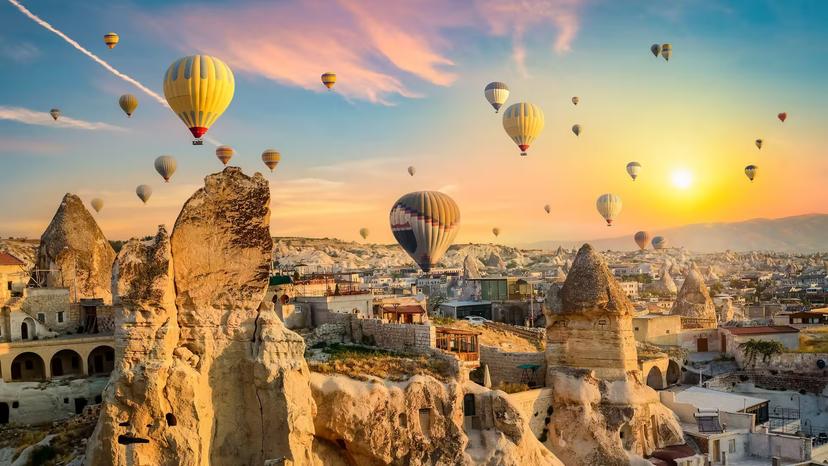
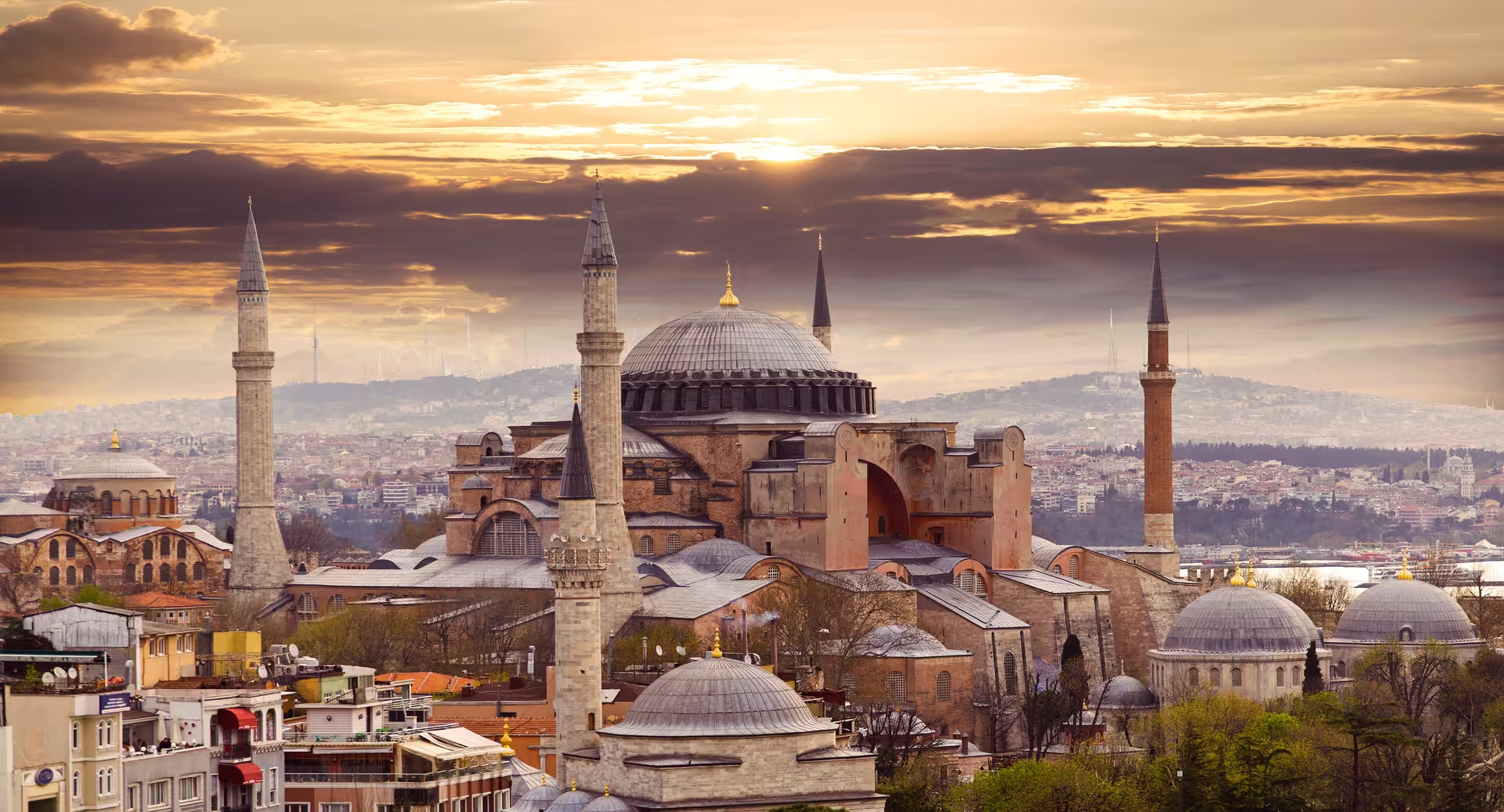
Urgup is one of Cappadocia's most rewarding base towns, offering a rare blend of ancient cave architecture, volcanic landscapes, and authentic Turkish hospitality. Perched among fairy chimneys and honeycombed hillsides in central Turkey, this compact town draws travelers who want more than just a postcard view. It is a place where you sleep inside carved rock, watch hot air balloons drift at sunrise, and wander lanes lined with Ottoman-era stone houses.
Urgup sits in Nevsehir Province in the heart of Cappadocia, roughly 80 kilometers from Kayseri and about 300 kilometers southeast of Ankara. The town itself is small and walkable, with its historic core built into and around a series of dramatic rock formations. Surrounding villages including Goreme, Avanos, and Uchisar are all within easy driving distance, making Urgup an ideal hub for exploring the wider region.
Spring (April to June) and autumn (September to November) are the finest seasons to visit, with mild temperatures and clear skies ideal for outdoor exploration. Summer brings heat and heavier tourist traffic but remains popular for balloon flights and valley hikes. Winter offers a quieter, more atmospheric experience, particularly when snow dusts the fairy chimneys, though some smaller guesthouses may close in January and February.
Turkey uses the Turkish Lira (TRY). Urgup is generally more affordable than major European destinations, with cave hotel stays ranging from budget to boutique luxury. Mid-range travelers can expect comfortable accommodation, meals, and activities for a reasonable daily spend. Credit cards are widely accepted in hotels and restaurants, though carrying some cash is advisable for smaller shops and local markets.
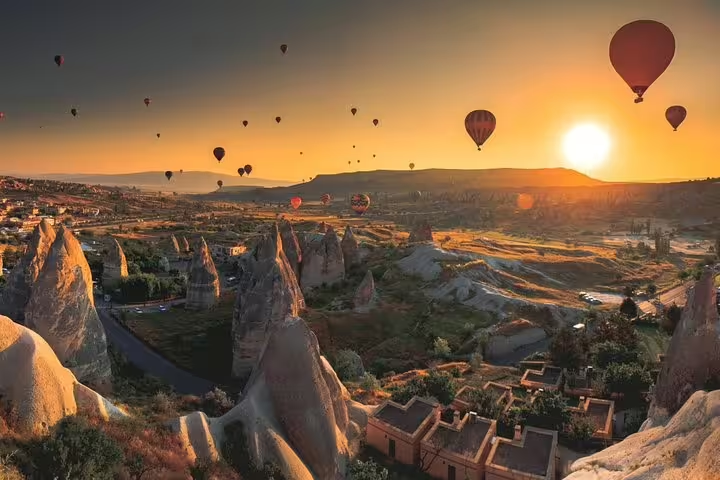
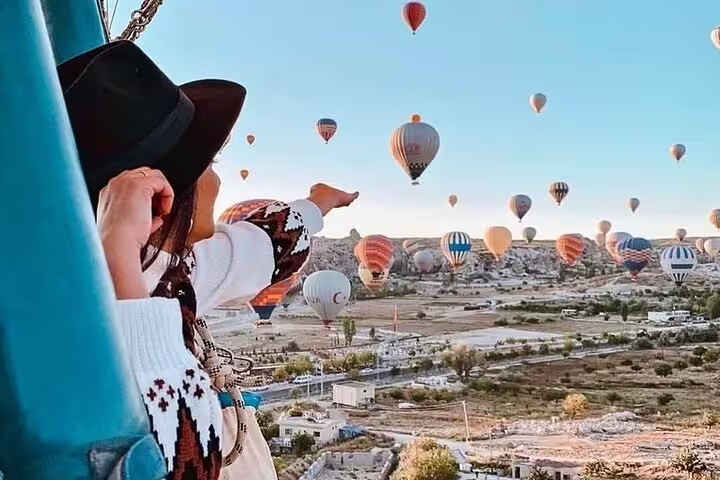
Hot Air Balloon Ride at Sunrise
A balloon flight over the valleys of Cappadocia is one of the most iconic experiences in all of Turkey. The landscape below, stitched with chimneys, vineyards, and ancient rock churches, is utterly transformed from the air. Flights typically launch just before dawn and last around one hour. Practical Tip: Book at least two or three days in advance during high season and check weather conditions, as flights are cancelled in strong winds.
Kaymakli and Derinkuyu Underground Cities
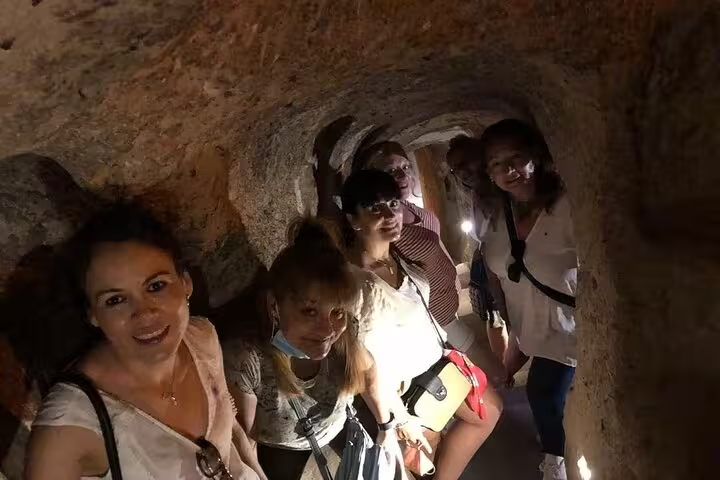
These vast subterranean complexes were carved thousands of years ago and once sheltered entire communities from invaders. Kaymakli, the closest to Urgup, features narrow corridors, ventilation shafts, and communal living spaces descending several floors underground. The scale and ingenuity of these spaces is genuinely astonishing. Practical Tip: Visit early in the morning before tour groups arrive to fully appreciate the atmosphere.
Goreme Open-Air Museum
A UNESCO World Heritage Site located a short drive from town, the museum contains an extraordinary collection of rock-cut churches decorated with vivid Byzantine frescoes. The paintings date primarily from the 10th to 12th centuries and depict scenes from the life of Christ and various saints. This is the cultural centerpiece of Cappadocia. Practical Tip: Purchase a combined museum pass to save on entry fees if you plan to visit multiple sites.
Rose Valley and Red Valley Hike
These adjacent valleys offer some of the most striking hiking in the region, with trails winding through pink and crimson rock formations carved by millennia of erosion. The late afternoon light turns the stone walls into glowing shades of amber and gold. The hike between the two valleys takes roughly two to three hours at a comfortable pace. Practical Tip: Start from the Cavusin end and finish near Goreme for a one-way downhill route.
Urgup Wine Tasting
The volcanic soil of Cappadocia produces distinctive wines, and the town is home to several respected wineries and tasting rooms. Local grape varieties including Emir and Oküzgözü yield wines with a character entirely their own. Tasting sessions are usually relaxed and informative, pairing well with local cheese and dried fruit. Practical Tip: Turasan Winery, just outside town, is one of the oldest and most visited producers in the region.
Temenni Hill Viewpoint
This rocky hill at the center of town offers sweeping panoramic views over the rooftops, cave dwellings, and surrounding valleys without any entrance fee. At sunset, it becomes a gathering point for both locals and visitors. The hill also contains a small mosque and ancient tomb carved into the rock face. Practical Tip: Arrive 30 minutes before sunset for the best light and to secure a good vantage point.
Mustafapasa Village
Formerly known as Sinasos, this quiet village a short drive south of town retains a remarkable collection of Greek Orthodox churches and carved stone mansions from the 19th century. It feels largely undiscovered compared to other Cappadocian sites. Walking its lanes offers a genuine sense of the multicultural history that shaped this region. Practical Tip: The village is best explored on foot; the central square has a small cafe where you can rest after sightseeing.
Begin before dawn with a hot air balloon flight to watch the landscape emerge from darkness. After landing and breakfast, head to the Goreme Open-Air Museum for two hours of fresco exploration. Spend the early afternoon hiking through Rose Valley, then return to town for a late lunch featuring local pottery kebab. End the day with a wine tasting at a nearby winery and sunset views from Temenni Hill.
On day two, venture underground at Kaymakli and then continue to the fairy chimney formations at Pasabag and Devrent Valley. Spend time in Avanos to watch traditional pottery being thrown on wheel. On day three, explore Mustafapasa village in the morning, then visit Soganli Valley in the afternoon for its remote rock churches and tranquil atmosphere. Finish with a long dinner at a cave restaurant, sampling Cappadocian cuisine with regional wine.
Testi Kebab (Pottery Kebab): Lamb or chicken slow-cooked inside a sealed clay pot and cracked open at the table. This theatrical dish is the signature of Cappadocian cuisine and worth ordering at least once. Look for it at traditional restaurants in the town center.
Manti: Tiny hand-folded dumplings filled with seasoned minced meat, served with garlic yogurt and a drizzle of paprika butter. This is Turkish comfort food at its finest and widely available throughout the region.
Pekmez and Tahin: A traditional breakfast pairing of grape molasses and sesame paste, served alongside fresh bread, white cheese, and olives. This is a staple of guesthouse breakfasts and a deeply satisfying way to start the day.
Cappadocian Wine: Local wines made from indigenous varieties are increasingly sophisticated. Emir produces crisp whites, while Kalecik Karasi offers approachable reds. Ask your hotel or restaurant for locally sourced bottles.
Gozleme: Thin flatbread filled with spinach, cheese, or potato and cooked on a flat griddle. Sold at markets and small eateries, it makes an excellent quick lunch while sightseeing.
Sutlac (Rice Pudding): A creamy baked version of rice pudding with a lightly caramelized top is a classic Turkish dessert found in most local restaurants. It pairs beautifully with Turkish tea after a long day of exploring.
Kayseri Airport (ASR) is the nearest major airport, approximately 75 kilometers from town, with direct flights from Istanbul and several European cities. Nevsehir Kapadokya Airport (NAV) is closer but serves fewer routes. Private shuttle transfers and shared minibuses connect both airports to town.
Within Cappadocia, renting a car or scooter offers the greatest flexibility for exploring valleys and villages at your own pace. Dolmus minibuses run between the main towns on a fixed schedule but are infrequent. Taxis are available and reasonably priced for short hops between attractions.
Ihlara Valley: A dramatic canyon carved by the Melendiz River, about 90 kilometers from town, lined with rock-cut churches and ideal for a half-day walk through lush greenery.
Soganli Valley: A quieter and less-visited valley with ancient Byzantine monasteries carved into towering rock cones. The village at its base is known for handmade cloth dolls sold by local women.
Sultanhan Caravanserai: One of the best-preserved Seljuk caravanserais in Turkey, located on the road to Konya. It offers a vivid glimpse into the Silk Road trading history of Anatolia.
Aksaray Salt Lake (Tuz Golu): The vast, flat salt lake is roughly two hours away and provides an otherworldly landscape, particularly in summer when the water evaporates to leave a white crust stretching to the horizon.