Explore Tours

Build your dream
experience

More to know about Mustafapasa
Mustafapasa Travel Guide
Snapshot
Mustafapasa is one of Cappadocia's most overlooked treasures, a quiet stone village frozen in time where Greek and Ottoman heritage blend into an atmosphere of rare authenticity. Unlike the tourist-heavy towns nearby, this village moves at a slower pace, inviting travelers to explore carved mansions, ancient churches, and cobbled lanes without the crowds. It is a destination for those who seek depth over spectacle.
Geography and Logistics
Orientation
Mustafapasa sits in the Urgup district of Nevsehir Province in central Turkey, nestled in the heart of the Cappadocia region. The village is approximately 6 kilometers southeast of Urgup, positioned along a valley flanked by soft volcanic tufa rock formations. Its compact layout makes it easy to explore on foot, and its elevated position offers sweeping views of the surrounding landscape.
When to Go
Spring (April to June) and autumn (September to November) are the ideal seasons to visit. Temperatures are mild, the light is golden, and the village feels alive without being overcrowded. Summer can be warm but is manageable, while winter brings a dramatic stillness that suits photographers and solitude seekers.
Budget and Currency
Turkey uses the Turkish Lira (TRY). Mustafapasa is significantly more affordable than larger Cappadocian hubs like Goreme, with modest guesthouses, local restaurants, and artisan shops offering good value. Credit cards are accepted at most accommodations, but carrying cash is recommended for smaller vendors and markets.
Essential Things to Do
Explore the Greek Mansion Architecture
The village was once a prosperous Greek Orthodox community known as Sinasos, and the grand stone mansions lining its streets reflect that legacy. These ornate facades, carved from local tufa stone, feature elaborate window frames, arched doorways, and decorative reliefs. Walking through the village feels like stepping into a living architectural museum. Practical Tip: Visit in the early morning for soft light and quieter streets ideal for photography.
Visit the Church of Agios Vasileios
This restored Greek Orthodox church stands near the village center and dates back to the 19th century. Its frescoed interior and elegant stonework are remarkably well preserved. The church offers a moving glimpse into the spiritual life of the former Greek population. Practical Tip: Check opening hours locally, as they can vary by season.
Discover the Monastery Valley
A short walk from the village leads into a quiet valley dotted with rock-cut monasteries and chapels carved directly into the tufa cliffs. The trail is easy and well-marked, winding through vineyards and orchid fields in spring. This is one of the most peaceful walks in all of Cappadocia. Practical Tip: Wear comfortable shoes and bring water, as shade is limited on the trail.
Wander the Mustafapasa Bazaar
The small weekly market draws locals from surrounding villages and offers a genuine slice of rural Turkish life. You will find fresh produce, handmade textiles, spices, and local pottery at fair prices. It is a wonderful contrast to the more curated tourist markets elsewhere in the region. Practical Tip: Saturday mornings are the best time to visit the bazaar.
Stay in a Cave or Stone Guesthouse
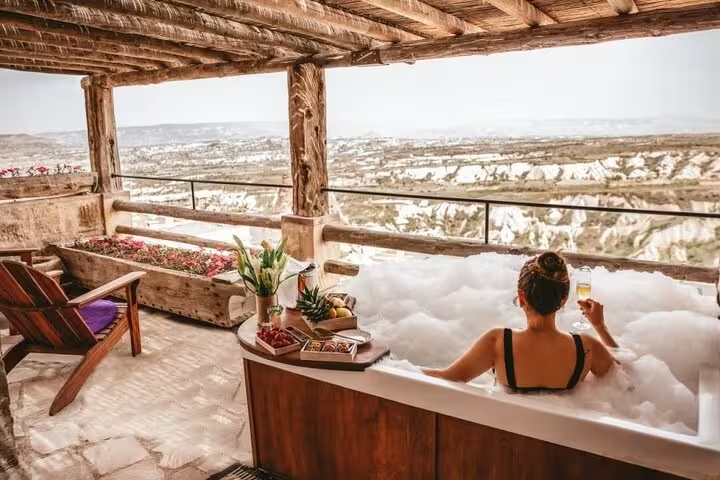
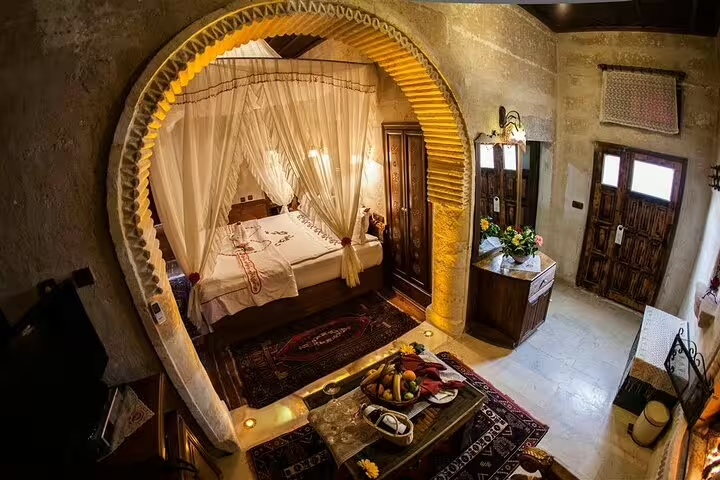
Several boutique guesthouses in the village are carved into the rock or built from traditional tufa stone, offering an immersive experience that larger hotels cannot replicate. Waking up in a centuries-old cave room with a view of the valley is an experience unique to this corner of Turkey. Practical Tip: Book well in advance during spring and autumn, as quality rooms fill quickly.
Visit the Cemil Village Rock Churches
Just a few kilometers from the village center, the Cemil area contains a cluster of Byzantine-era rock churches with original frescoes still visible on the walls. These sites receive far fewer visitors than the famous churches of Goreme, making them feel genuinely discovered. Practical Tip: Hiring a local guide ensures access and deeper historical context.
Attend a Local Cooking Class
Several guesthouses and local families offer informal cooking sessions focused on traditional Cappadocian cuisine. Learning to prepare dishes like manti and testi kebab in a traditional kitchen is both educational and deeply enjoyable. Practical Tip: Arrange sessions at least one day in advance through your accommodation.
Curated Itineraries
The Highlights (1 Day)
Begin your morning with a walk through the village's Greek mansion district, pausing at the Church of Agios Vasileios. After lunch at a local restaurant, head into Monastery Valley for a two-hour walk among the rock-cut chapels. Return to the village for sunset views from the elevated ridge above the main square, then dine at a family-run lokanta for a slow evening meal.
Deep Dive (2 to 3 Days)
On day one, follow the one-day highlights itinerary at a leisurely pace. On day two, arrange a guided excursion to the Cemil rock churches and explore the surrounding tufa valleys on horseback or by bicycle. On day three, join a cooking class in the morning and spend the afternoon exploring the bazaar and browsing artisan workshops before a final sunset dinner. Use Mustafapasa as a quiet base for day trips to Urgup, Avanos, and the Goreme Open Air Museum.
Flavors of Mustafapasa
Testi Kebab: Slow-cooked meat and vegetables sealed inside a clay pot and broken open at the table. This theatrical dish is deeply rooted in Cappadocian tradition. Order it at dinner and allow at least 45 minutes for preparation.
Manti: Tiny Turkish dumplings filled with spiced lamb and served with garlic yogurt and chili butter. The local version is often hand-folded by the restaurant owner or family. Ask for extra yogurt on the side.
Gozleme: Thin flatbread stuffed with cheese, spinach, or minced meat and cooked on a griddle. It is a popular breakfast and snack option found at the village bazaar and small cafes.
Ayran: A cold, lightly salted yogurt drink that pairs perfectly with grilled meats and heavy stews. It is the default refreshment across the region and is always freshly made at quality establishments.
Local Wine: The Cappadocia region has a long winemaking tradition, and several small producers around Urgup and Mustafapasa offer tastings of Emir white wine and Kalecik Karasi red. Ask your guesthouse host for recommendations on where to find the best local labels.
Sutlac: A baked rice pudding with a caramelized top layer, this dessert is a staple of Turkish home cooking. It is served cold in most local restaurants and is a comforting end to any meal.
Navigation and Transport
The nearest major transport hub is Nevsehir Kapadokya Airport, approximately 40 kilometers away, with connections to Istanbul and Ankara. Kayseri Airport is another option, roughly 80 kilometers to the east. From Urgup, shared dolmus minibuses run to Mustafapasa several times daily and are the most economical option. Renting a car or scooter from Urgup provides the greatest flexibility for exploring the surrounding valleys and villages. Taxis are available but should be negotiated in advance.
Beyond the Center: Day Trips
Urgup: Just 6 kilometers away, Urgup is the nearest town and offers a wider selection of restaurants, wine bars, and shops. Its cone-shaped fairy chimneys and old cave dwellings are worth a morning or afternoon visit.
Goreme Open Air Museum: A UNESCO World Heritage Site, this collection of Byzantine monasteries and frescoed cave churches is the defining attraction of the wider Cappadocia region. Allow at least three hours and arrive early to avoid peak crowds.
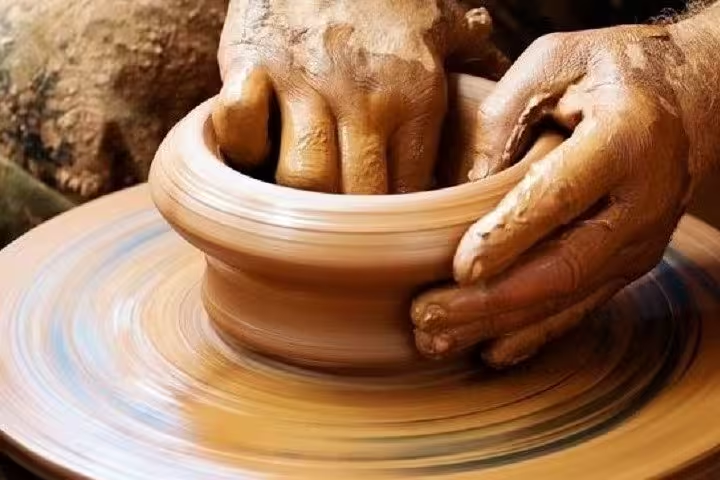
Avanos: Known for its ceramics tradition rooted in red clay from the Kizilirmak River, Avanos is a charming riverside town where you can watch potters at work and take hands-on workshops. It is about 20 kilometers from the village.
Ihlara Valley: One of the most scenic gorges in Turkey, this deep canyon is lined with rock churches and fresco-adorned caves carved by early Christians. The valley is best explored on a guided half-day hike with a stop at the riverside restaurants midway through.
Insider Tips for Travellers
- Carry small denomination Turkish Lira notes for local markets, taxis, and village shops, as change is often limited.
- Greet locals with a simple "Merhaba" (hello) and "Tesekkur ederim" (thank you). Respect goes a long way in small communities.
- Book cave guesthouses directly rather than through large platforms to support local families and often secure better rates.
- The village has limited nightlife. Embrace the quiet evenings with a glass of local wine on your terrace rather than expecting entertainment options.
- Rock churches and valley trails can be slippery after rain. Bring sturdy footwear even in summer.
- Avoid visiting major Cappadocian sites on weekends during peak season. Midweek visits are far more comfortable and less crowded.
- Photography of local people, especially women, should always be done with permission and genuine courtesy.
Frequently Asked Questions
How do I get to Mustafapasa from Istanbul?
Fly from Istanbul to either Nevsehir Kapadokya Airport or Kayseri Airport, then take a taxi or shuttle to Urgup. From Urgup, shared dolmus services run regularly to the village throughout the day.
Is Mustafapasa suitable for families with children?
Mustafapasa is an excellent choice for families seeking a calm and educational travel experience. The flat village streets are safe for children to explore, and the rock formations and cave churches make for engaging and memorable visits.
What is the best time of year to visit?
April through June and September through November offer the most pleasant conditions, with mild temperatures and beautiful natural light. These shoulder seasons also bring fewer visitors than the peak summer months.
Are there ATMs available in the village?
The village itself has limited banking infrastructure. It is strongly recommended to withdraw sufficient Turkish Lira in Urgup or at the airport before arriving, as ATMs may not always be available or stocked.
What makes Mustafapasa different from other Cappadocian villages?
Mustafapasa stands apart for its remarkably preserved Greek Orthodox architectural heritage and its unhurried, authentic atmosphere. While villages like Goreme are heavily touristed, this village retains a genuine community feel that offers a more intimate connection with the region's layered history.
Mustafapasa, historically known as Sinasos, is a small village located in the Urgup district of Nevsehir Province in central Turkey's Cappadocia region. Situated approximately 6 kilometers southeast of Urgup, the village lies within a volcanic tufa landscape characterized by soft rock formations, carved valleys, and ancient cave dwellings. The area falls within the broader UNESCO-recognized Goreme National Park and the Rock Sites of Cappadocia, making it a destination of significant cultural and geological importance. The village's Greek Orthodox architectural heritage, Byzantine-era rock churches, and proximity to major Cappadocian attractions position it as a meaningful stop on any itinerary through central Anatolia.
Cappadocia Village, Cultural Heritage, Rock Architecture, Byzantine History, Slow Travel, Turkey, Central Anatolia