
Build your dream
experience

More to know about Derinkuyu
Derinkuyu Travel Guide
Snapshot
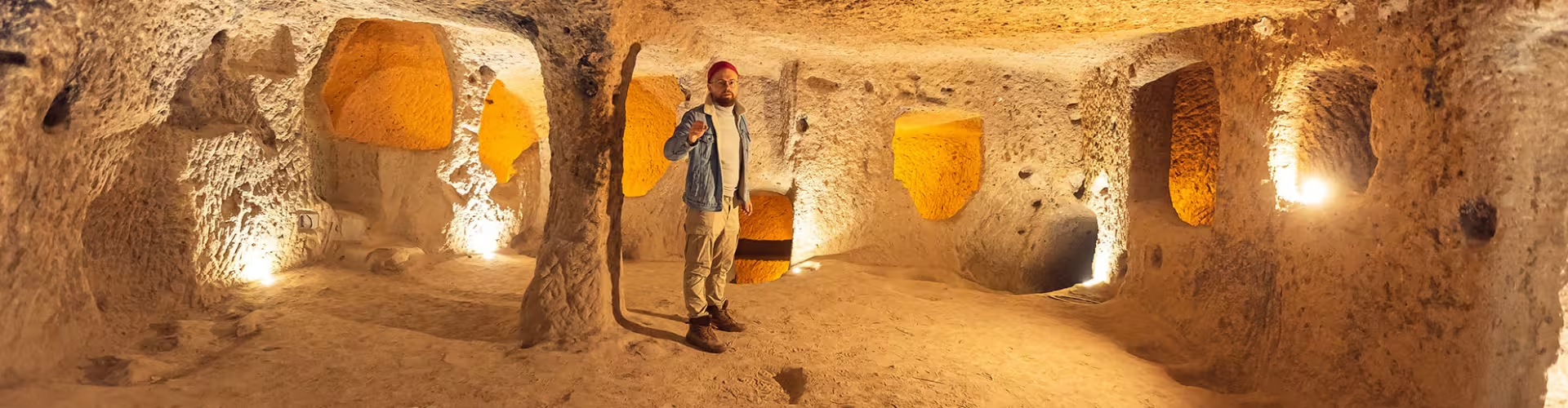
Derinkuyu is one of the most extraordinary underground cities ever discovered, carved deep into the volcanic rock of Cappadocia in central Turkey. Stretching across multiple levels beneath the earth, this ancient subterranean complex once sheltered thousands of people from invasion, persecution, and harsh weather. A visit here is a genuinely humbling encounter with human ingenuity and resilience across the centuries.
Geography and Logistics
Orientation
Located in Nevsehir Province in the heart of Cappadocia, the site sits roughly 29 kilometres south of Nevsehir city and about 10 kilometres from Kaymakli. The surrounding landscape is quintessential Cappadocia: rolling tuff plains, sparse villages, and a quiet, unhurried atmosphere far removed from the busier tourist zones around Goreme. The town itself is modest, but the underground attraction beneath it is world-class.
When to Go
Spring (April to June) and autumn (September to November) offer the most comfortable temperatures for exploring both the underground site and the wider Cappadocia region. Summers can be hot above ground, though the underground temperature remains a cool and consistent 13 degrees Celsius year-round. Winter visits are quieter and equally rewarding for those who prefer fewer crowds.
Budget and Currency
Turkey uses the Turkish Lira (TRY). Entry to the underground city is affordable by international standards, and the surrounding town offers budget-friendly dining options. Bring cash, as smaller vendors and local restaurants in the area may not accept cards. ATMs are available in Nevsehir and occasionally in the town itself.
Essential Things to Do
Explore the Underground City
The main attraction descends approximately 85 metres across eight accessible levels, though the full complex is estimated to reach 18 storeys deep. Winding tunnels, ventilation shafts, wells, stables, wineries, and places of worship are all carved directly into the rock. The scale and engineering precision are staggering, especially considering this was constructed without modern tools. Practical Tip: Wear comfortable, flat shoes and be prepared to crouch through low passages.
Visit the Church on the Lowest Accessible Level
Near the deepest point open to visitors, a cross-shaped church carved from rock stands as a testament to the Christian communities who once sheltered here. The acoustics and craftsmanship in this space are remarkable. It offers a quiet, reflective moment away from the busier upper tunnels. Practical Tip: Spend a few minutes here to absorb the atmosphere before heading back up.
Photograph the Ventilation Shafts
The ventilation system is one of the most impressive feats of ancient engineering in the complex. Vertical shafts drop over 50 metres and also served as water wells. Looking up through these shafts creates a powerful visual impression. Practical Tip: A wide-angle lens or your phone's ultra-wide mode captures the depth best.
Discover the Missionary School
One of the identified rooms is believed to have functioned as a barrel-vaulted missionary school on the second level. This gives insight into the organised social structure that existed underground. It adds a human dimension to what might otherwise feel like a purely architectural marvel. Practical Tip: Ask your guide to point this out specifically, as signage varies.
Inspect the Rolling Stone Doors
Circular basalt stone doors, each weighing several hundred kilograms, were used to seal tunnel entrances from the inside. These doors are among the most iconic features of the site. They could only be operated from within, underlining the defensive purpose of the city. Practical Tip: Do not attempt to touch or lean on these doors, as they are protected.
Combine with Kaymakli Underground City
Just 10 kilometres north, Kaymakli offers a different layout and perspective on Cappadocia's underground cities. Visiting both in one day gives a fuller picture of how these communities were built and used. The two sites complement rather than duplicate each other. Practical Tip: Visit Kaymakli in the morning and arrive at this site by early afternoon to avoid peak crowds.
Stroll Through the Town Above
The town of Derinkuyu above ground is a quiet, authentic slice of rural Cappadocia. Local tea houses, small markets, and a relaxed pace make for a pleasant contrast after the intensity of the underground. It is a good place to decompress and connect with everyday Turkish village life. Practical Tip: Try a glass of cay (Turkish tea) at a local kahvehane before or after your visit.
Curated Itineraries
The Highlights (1 Day)
Begin your day with breakfast in Nevsehir or Goreme, then make your way south by midmorning. Spend two to three hours exploring all accessible levels of the underground city, moving slowly to absorb each chamber. After emerging, have lunch at a local restaurant in the town. In the afternoon, drive to Kaymakli to round out your understanding of Cappadocia's subterranean heritage before returning to your base.
Deep Dive (2 to 3 Days)
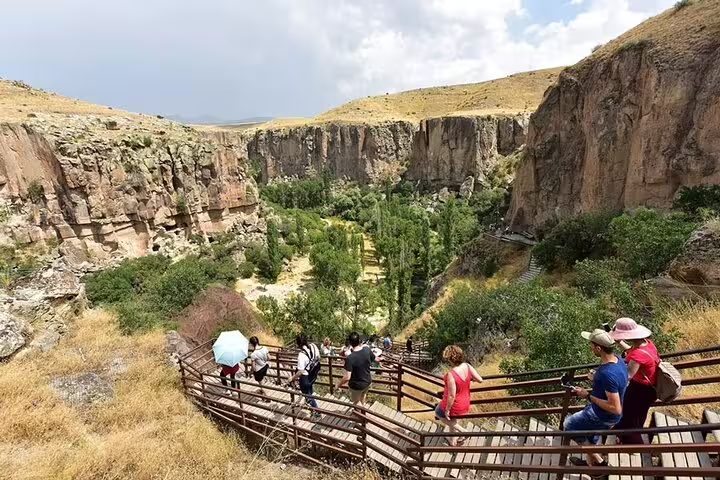
On day one, cover the underground city thoroughly, then explore the town and its surroundings at leisure. On day two, visit Kaymakli and then head to the Ihlara Valley, a stunning gorge filled with rock-cut churches and riverside walking paths. On day three, explore the open-air museum at Goreme, take a sunrise hot air balloon flight over the fairy chimneys, and visit the Uchisar Castle for panoramic views across the entire Cappadocia region.
Flavors of Derinkuyu
Testi Kebab: A slow-cooked meat and vegetable stew sealed inside a clay pot and cracked open at the table. This dish is a Cappadocian staple and deeply satisfying after a morning underground. Order it at least 30 minutes in advance as it requires preparation time.
Manti: Tiny Turkish dumplings filled with spiced lamb or beef, served with yoghurt and paprika butter. Found throughout the region, manti is comfort food at its finest. Local versions tend to be smaller and more intensely flavoured than those in cities.
Gozleme: Thin flatbread filled with cheese, spinach, or minced meat and cooked on a griddle. Street vendors and small restaurants in and around the town serve fresh gozleme at very low prices. It makes an ideal quick lunch between sites.
Cig Kofte: A vegetarian bulgur wheat snack mixed with tomato paste, spices, and herbs. Served rolled in lettuce leaves with a squeeze of lemon, it is refreshing and widely available. Good for a light bite while walking.
Sutlac: A creamy Turkish rice pudding, often served chilled and sometimes with a lightly caramelised top. Local bakeries and small cafes around Cappadocia serve this as a dessert. It pairs beautifully with Turkish tea.
Turkish Tea (Cay): No visit to rural Turkey is complete without sitting down for a glass of strong black tea in a tulip-shaped glass. It is almost always offered free of charge in local shops and tea houses. Accept it, sit, and enjoy the hospitality.
Navigation and Transport
From Goreme or Nevsehir, the easiest option is to hire a private driver or join a guided Cappadocia tour that includes the underground city. Dolmus (shared minibuses) run from Nevsehir to the town on a schedule, but services can be infrequent. Renting a car gives the most flexibility, especially if you plan to combine multiple sites in one day. Taxis from Nevsehir are readily available and reasonably priced for the 30-minute journey.
Beyond the Center: Day Trips
Ihlara Valley: A 14-kilometre canyon carved by volcanic activity, lined with Byzantine-era rock churches and a river walk. It is one of the most scenic half-day excursions in Cappadocia and pairs well with a visit to Selime Monastery at the valley's northern end.
Goreme Open-Air Museum: A UNESCO World Heritage Site featuring an extraordinary collection of painted cave churches dating from the 10th to 13th centuries. The frescoes inside are vivid and remarkably well-preserved. Plan at least two hours for a thorough visit.
Uchisar Castle: The highest point in Cappadocia, this natural rock fortress offers 360-degree panoramic views across the entire region. The surrounding village is charming and full of boutique cave hotels. Best visited at sunset for dramatic lighting.
Avanos: A riverside town known for its centuries-old pottery tradition, using distinctive red clay from the Kizilirmak River. Workshops offer hands-on throwing sessions and the chance to take home hand-made pieces. A relaxed and culturally rich half-day trip.
Kaymakli Underground City: As previously noted, this is the closest complementary site and should be considered an essential pairing with any visit to the region's underground heritage.
Insider Tips for Travellers
- Arrive early, ideally at opening time, to experience the upper levels before tour groups descend.
- The underground temperature is a constant 13 degrees Celsius, so bring a light layer regardless of the season.
- Claustrophobia can be triggered in the narrower tunnels. If you are sensitive, test your comfort level on the upper floors before descending further.
- Guided tours are strongly recommended for historical context, as English-language signage inside is limited in some sections.
- Photography is permitted throughout most of the site. A small flashlight or your phone torch is useful in dimly lit side chambers.
- Combine your ticket purchase with Kaymakli if you plan to visit both, as discounts or combined packages are sometimes available through local agencies.
- Respect the site rules and avoid touching carved walls or ancient features, as oils from skin can accelerate erosion.
- Allow at least two hours inside the underground city to do it justice without feeling rushed.
Frequently Asked Questions
How deep does the underground city go?
The complex extends approximately 85 metres below ground across eight levels that are open to visitors. The full extent is believed to include up to 18 storeys total, making it one of the deepest ancient underground settlements ever found.
Who built the underground city and why?
Derinkuyu is believed to have been initially carved by the Phrygians around the 8th to 7th centuries BC. It was later expanded and extensively used by early Christian communities seeking protection from Roman persecution and, later, Arab raids. The city could reportedly shelter up to 20,000 people at full capacity.
Is the site suitable for children and elderly visitors?
The site is accessible to most visitors, but involves narrow passages, low ceilings, and steep stairs in some sections. Younger children and elderly visitors can explore the upper levels comfortably. Deeper levels require more physical agility and confidence in confined spaces.
How long should I budget for a visit?
Plan for a minimum of two hours to explore the accessible levels at a comfortable pace. History enthusiasts or those on a guided tour may wish to allow up to three hours. Combine the visit with a meal in town to make a half-day excursion of it.
Can I visit independently or do I need a guide?
Derinkuyu can be visited independently, and the entrance fee covers self-guided access. However, hiring a local guide or joining a structured tour significantly enriches the experience, as many of the rooms and their historical functions are not clearly marked in English throughout the site.
Derinkuyu is a subterranean archaeological site and town located in Nevsehir Province, central Cappadocia, Turkey. Situated approximately 29 kilometres south of Nevsehir city, the site lies within the UNESCO-recognised Goreme National Park and the Rock Sites of Cappadocia World Heritage Area. The underground city is carved into the soft ignimbrite volcanic rock characteristic of the Cappadocian plateau and represents one of the largest and deepest ancient underground settlements in the world. The broader region sits at an elevation of roughly 1,000 to 1,200 metres above sea level, contributing to its semi-arid continental climate. The site has been open to the public since 1965 and is administered by the Turkish Ministry of Culture and Tourism.
Underground Heritage Site, Cappadocia, Turkey