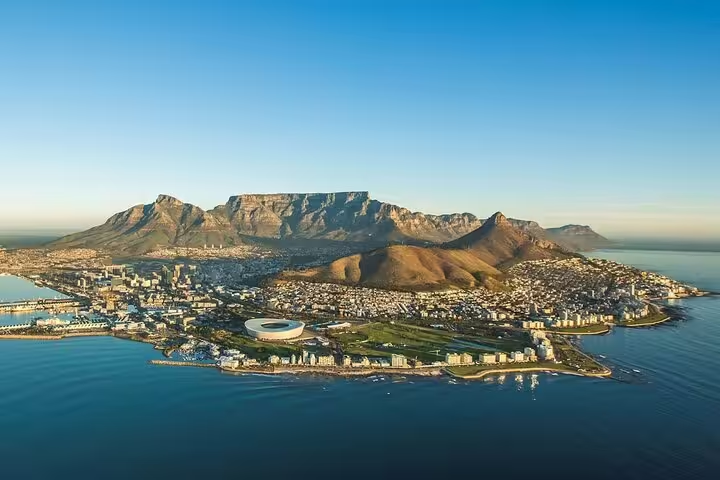
Robben Island lies off the coast of Cape Town, South Africa, and stands as one of the world's most historically significant prison sites. This UNESCO World Heritage Site served as a political prison for centuries and remains a powerful symbol of resilience and the struggle for freedom.
What to see in Robben Island
Visitors can explore the Maximum Security Prison where Nelson Mandela was imprisoned for 18 of his 27 years in captivity. The limestone quarry where prisoners labored, the church, and the village of former political prisoners provide insight into daily life on the island. The museum exhibits personal artifacts and historical documents that chronicle the island's complex past.
Things to do in Robben Island
Guided tours departing from Cape Town's waterfront take visitors across the harbor to explore the island's restricted areas. The ferry journey itself offers scenic views of Table Mountain and the Atlantic coastline. Visitors can walk the prison grounds, visit the museum, and learn from ex-political prisoners who serve as tour guides.
Historical Significance and Memory
Robben Island represents a pivotal chapter in South African history and global human rights movements. The site preserves the stories of political activists and anti-apartheid leaders, making it an essential destination for understanding modern history and the pursuit of justice.
Robben Island is located 7 kilometers off the coast of Cape Town in the Western Cape province of South Africa. The island is accessible by ferry from the V&A Waterfront and operates as a national monument and museum managed by the South African government.
Political History, UNESCO Heritage Sites, South African Culture, Educational Tourism, Historical Landmarks