Last updated:


Table Mountain National Park calls for a choice between mountain scenery, coastal wildlife and time among the plants. The park reaches south from Signal Hill to Cape Point, so a visit can stretch well beyond Table Mountain itself. Separate the mountain and the coast in your plans if you want time for both.
A broad, flat plateau extends for roughly 3 km across the top, with Devil’s Peak and Lion’s Head flanking the mountain. Think of this as time for the mountain landscape, rather than another stop on a route to Cape Point.
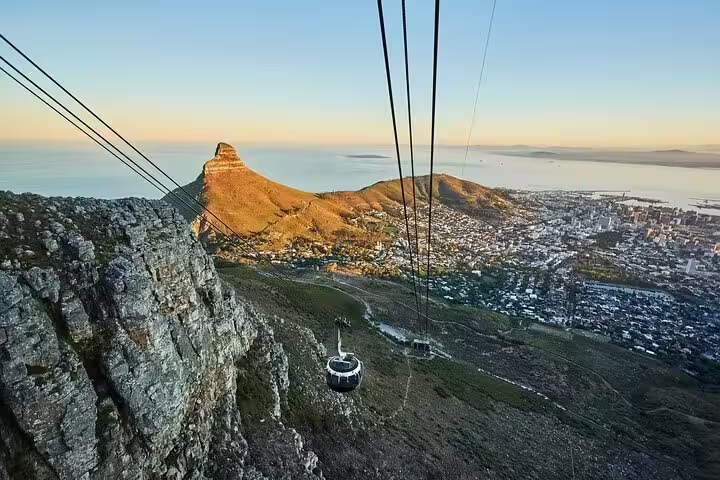
For travellers who want the mountain and coastal wildlife in the same outing, the shared Cape Town trip to Table Mountain, penguins and Cape Point includes a cable car ride, subject to weather and operating conditions.
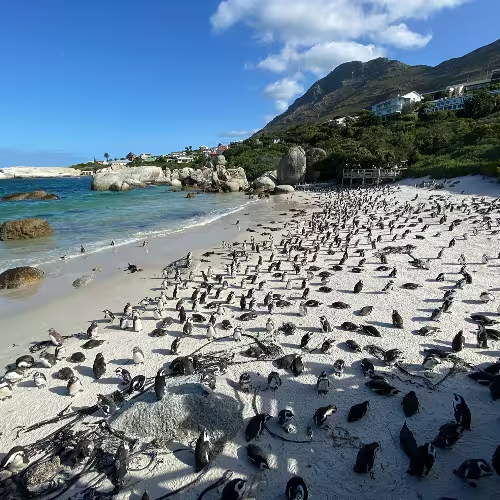
Boulders Beach is the choice for close penguin viewing; Cape Point offers a broader wildlife focus. Sheltered inlets sit between granite boulders at Boulders, and boardwalks bring visitors within a few metres of the birds. The penguins’ loud, donkey-like calls explain their familiar nickname, jackass penguins.

Cape Point belongs to the national park, and its reserve supports baboons, Cape fur seals and birds. If wildlife matters more to you than another mountain stop, make Cape Point and Boulders Beach the focus of your coastal outing. For a guided outing focused on Cape Point and penguins, the private tour from Cape Town provides an air-conditioned private vehicle.
Two days would let you devote a day to Table Mountain and another to Cape Point and Boulders Beach. This is a suggested split: Cape Point is roughly 60 km south of central Cape Town, so separating it from your mountain day gives each part of the visit its own focus.
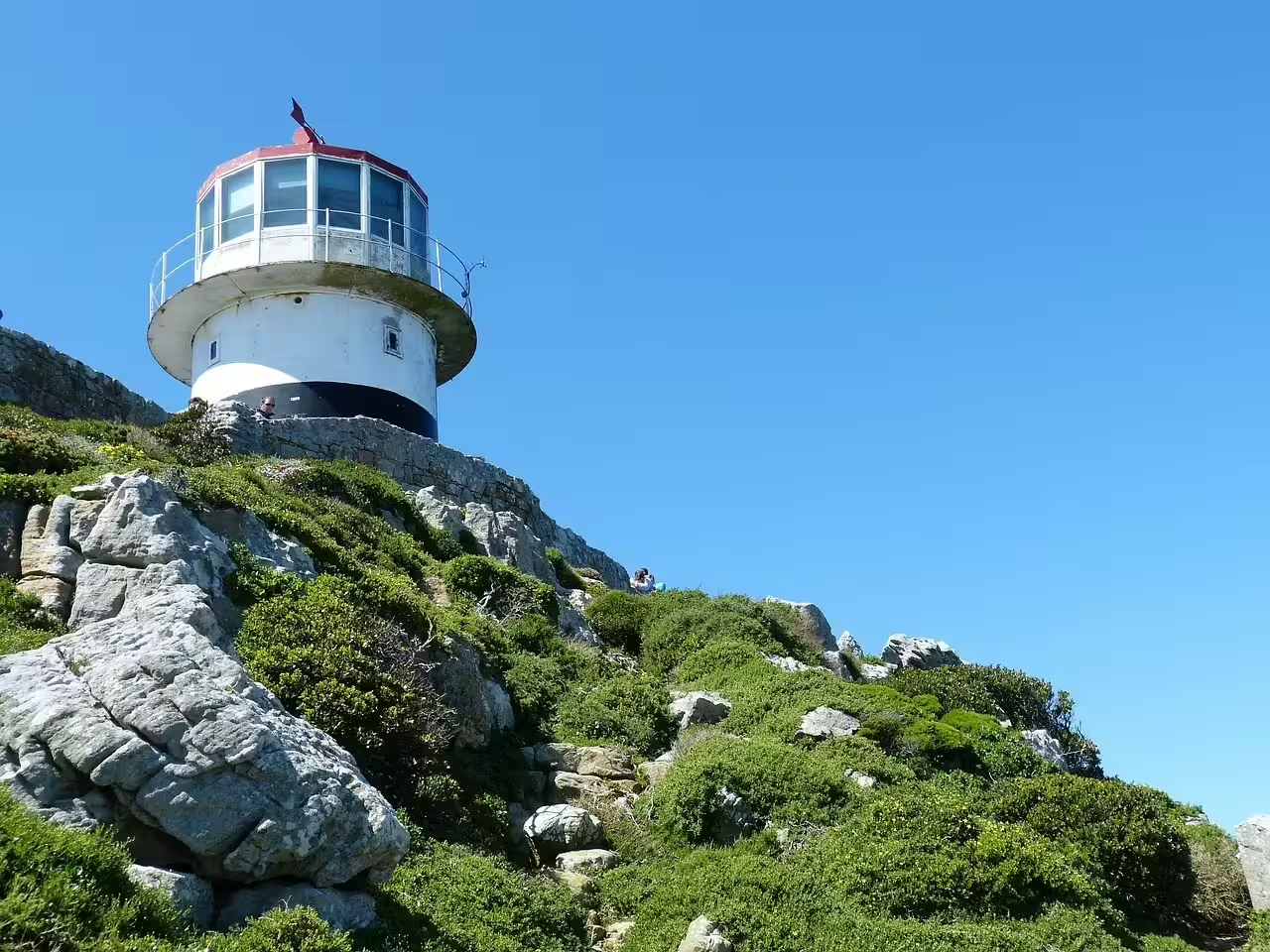
If you have a single day for the mountain and the Cape of Good Hope, the full-day Cape Town tour brings those places together over nine hours.
March to May and September to November are sensible periods to consider for walking if you prefer milder conditions to summer.
Summer, from December to February, brings warm, dry conditions, so it is worth weighing that warmth against the milder spring and autumn months when planning a walking trip.
Plants deserve time in their own right here: the park is included in the Cape Floristic Region, recognised by UNESCO as a natural World Heritage Site.
Kloof Nek is a bus option to investigate, while Newlands Forest offers connected trails for a walking-focused visit. MyCiTi services 106 and 107 call at Kloof Nek; this information identifies the stop, rather than a complete route to the summit.
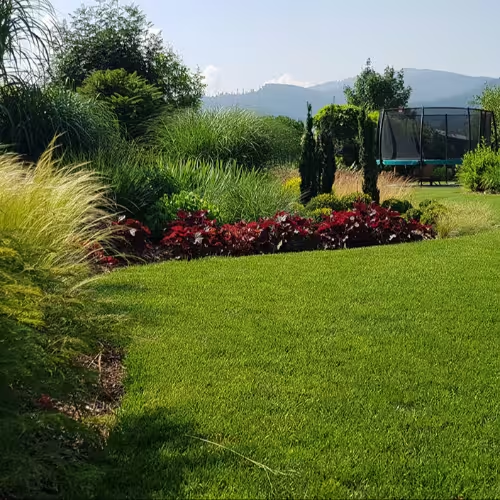
Newlands Forest sits along Table Mountain’s eastern slopes, with trails linking it to Rhodes Memorial and Kirstenbosch. A walk connected with Kirstenbosch makes sense if plants interest you, since its natural area contains both fynbos and forest. That mix of fynbos and forest makes Kirstenbosch worth weighing against a coastal stop when deciding where to spend another day. Silvermine offers another focus for fynbos scenery in the park’s central area, so it can be an alternative to extending your visit towards the coast.
Yes, Boulders Beach forms part of the park's Marine Protected Area.
Yes, Cape Point is situated within the park, at its southern end.
1,086 metres is the height of Maclear's Beacon on Table Mountain.