Last updated:


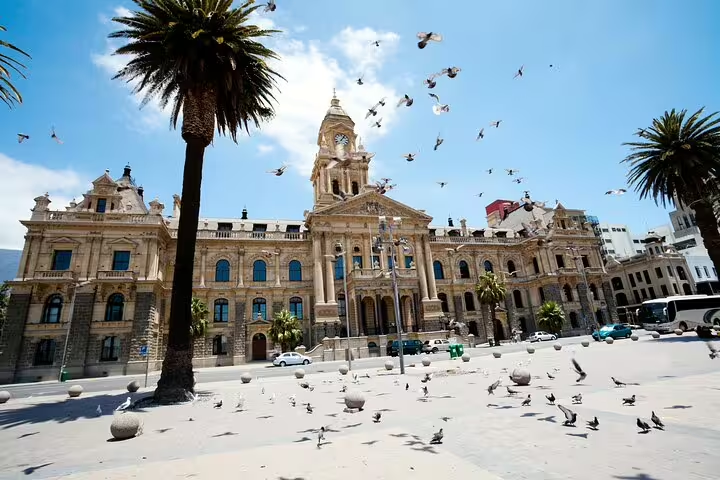
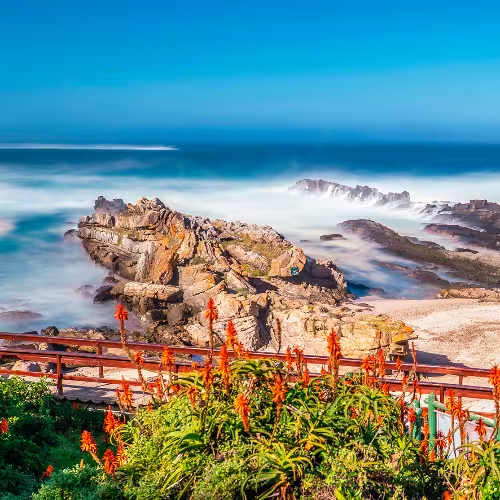
Cape Town makes a practical base for a trip built around city sights and the Cape Winelands. Cape Town is the capital of the Western Cape, a province on South Africa's southwest coast. The Atlantic borders the province to the west and the Indian Ocean to the south, while walking trails offer a choice of coast or mountains.
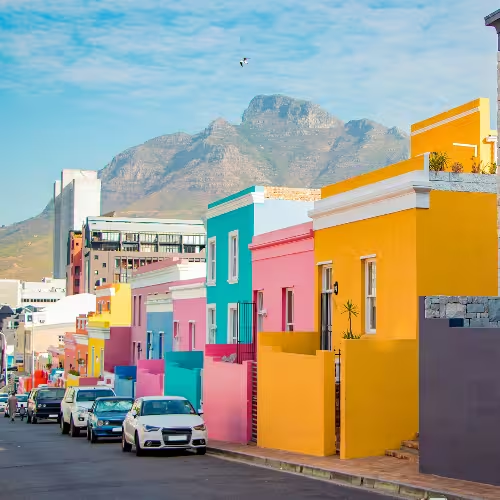
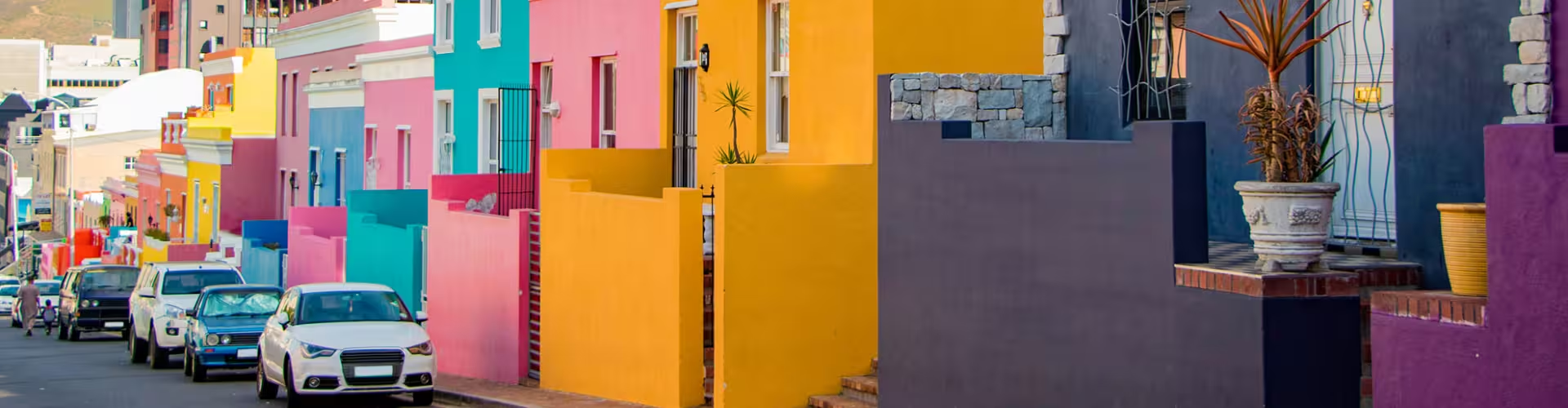
A trip mixing walks, gardens and history gives you several ways to spend your time beyond a single sightseeing tour. For a walk focused on streets rather than trails, Bo-Kaap has colourful houses and streets paved with cobblestones. For plants, Kirstenbosch National Botanical Garden is one of a network of national gardens that together cover five of South Africa's six biomes.
Robben Island suits a day focused on history: it received World Heritage status in 1999, and the government held political prisoners there from 1961 until 1991, and the island's last prison closed in 1996. It sits in Table Bay, 6.9 km west of the Bloubergstrand coast. For wildlife instead, Hermanus is associated with southern right whale watching from the southern winter into spring. The town stands beside Walker Bay on the Western Cape's south coast.
Four days is a reasonable plan for Cape Town, a Cape Point excursion, the Winelands and Robben Island. Spend the first day on Bo-Kaap and Kirstenbosch, leave the second for Table Mountain and Cape Point, devote the third to Stellenbosch and Franschhoek, and keep the fourth for Robben Island, and if possible book it early in your stay so a weather cancellation can be rebooked.
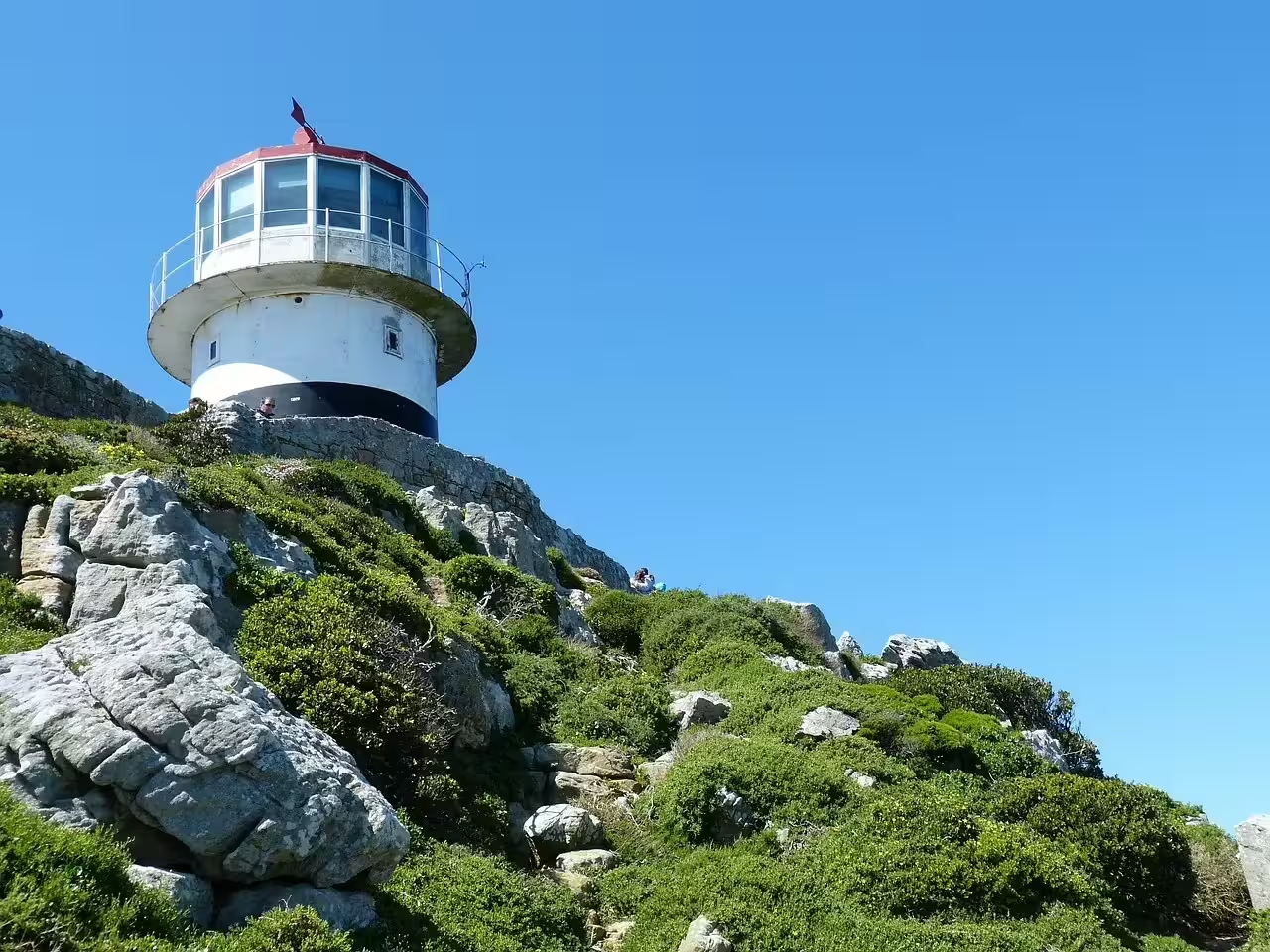
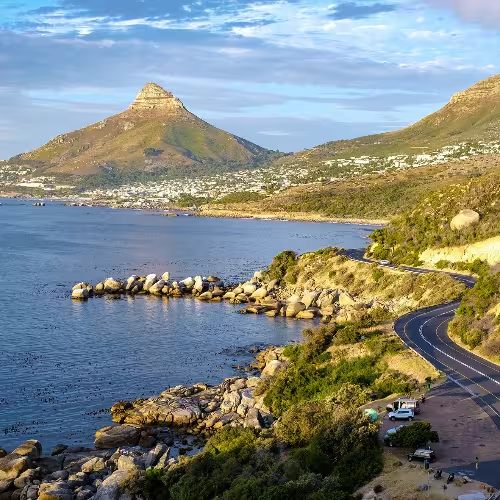
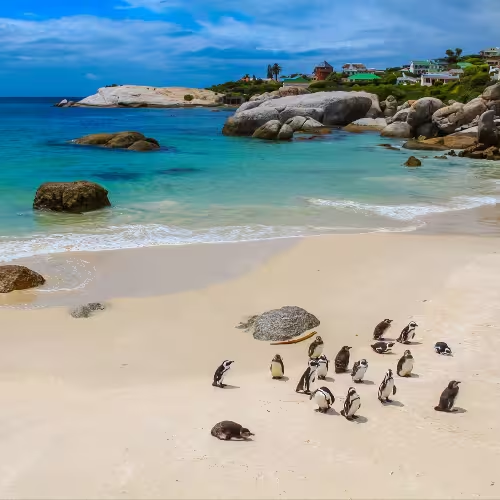
The shared Cape Town trip with Table Mountain, penguins and Cape Point lasts 8 hours. It includes a Table Mountain cable car ride, subject to weather and operating conditions, a guided Bo-Kaap visit, a viewpoint stop on Chapman's Peak Drive, entry to the Boulders Penguin Colony boardwalk area, a guided Cape of Good Hope Nature Reserve visit, access to Cape Point, a St. James Beach stop and a professional guide throughout.
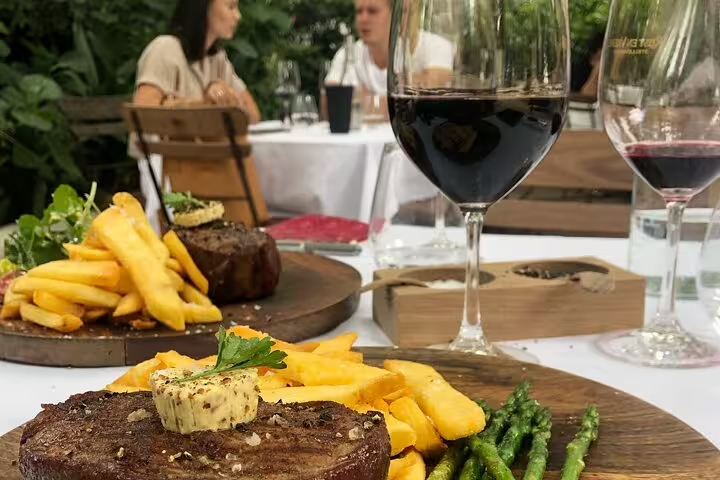
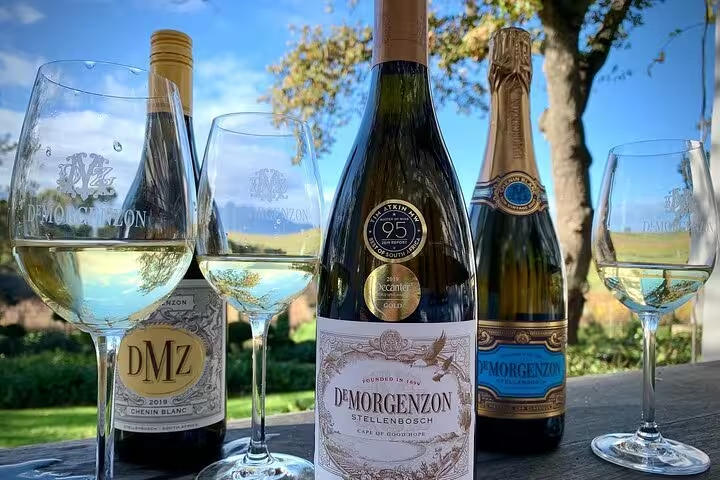
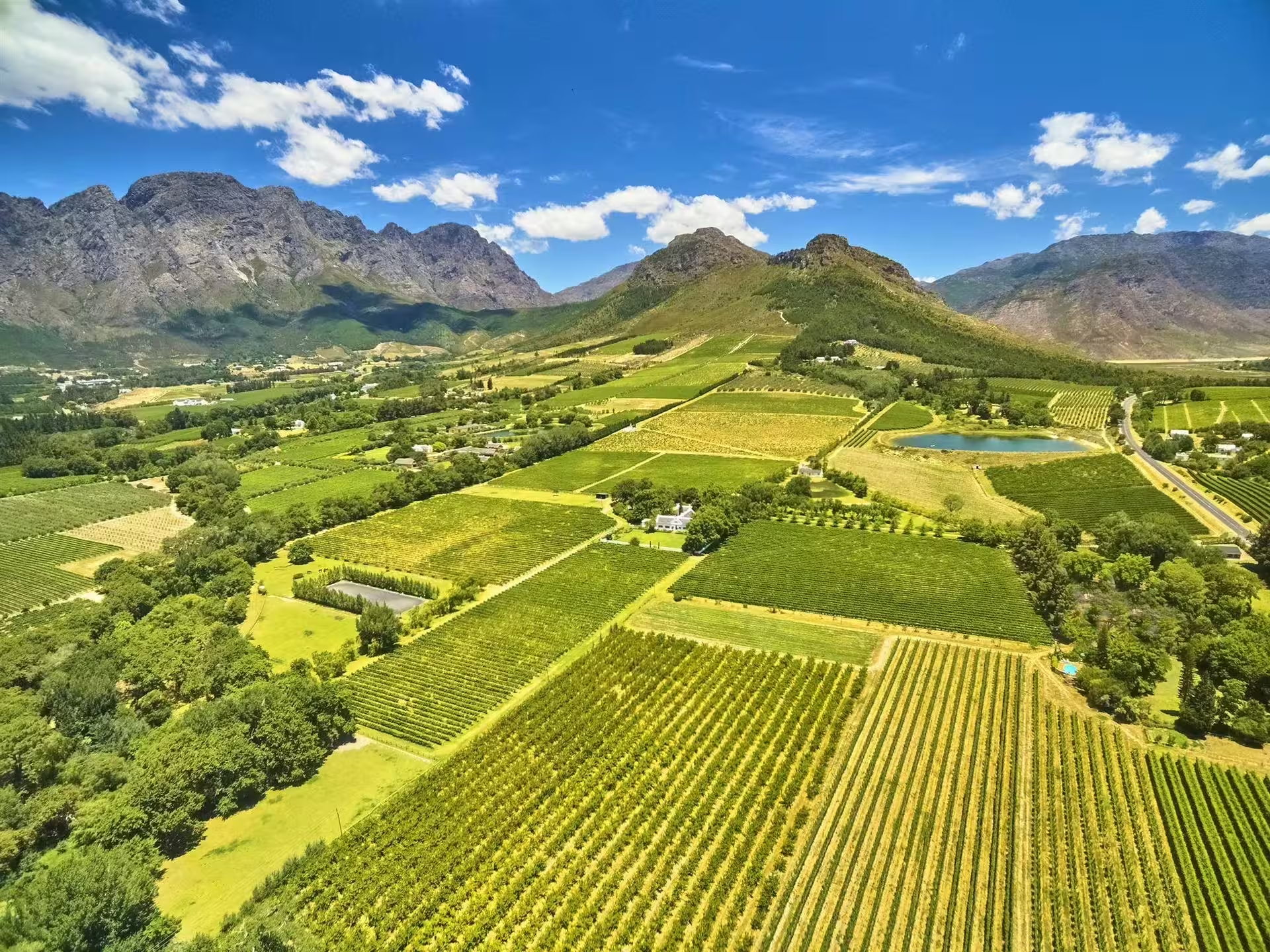
The full-day guided Cape Winelands tour of Stellenbosch and Franschhoek also lasts 8 hours, with a professional guide and driver throughout, a shared air-conditioned minibus and chilled bottled water on board. French Huguenots settled the Franschhoek Valley over 300 years ago, while Simon van der Stel founded Stellenbosch in 1679.
Summer suits a trip focused on dry-weather walks, with warm days that can turn hot inland in the Winelands; winter into spring suits a plan centred on whale watching in Hermanus. Cape Town's Mediterranean climate brings warm, dry summers and mild, rainier winters. Across much of the Western Cape, winter is cool and wet, and winter snow is common in the mountains. For a walking trip in winter, leave room to change your outdoor plans around rain.
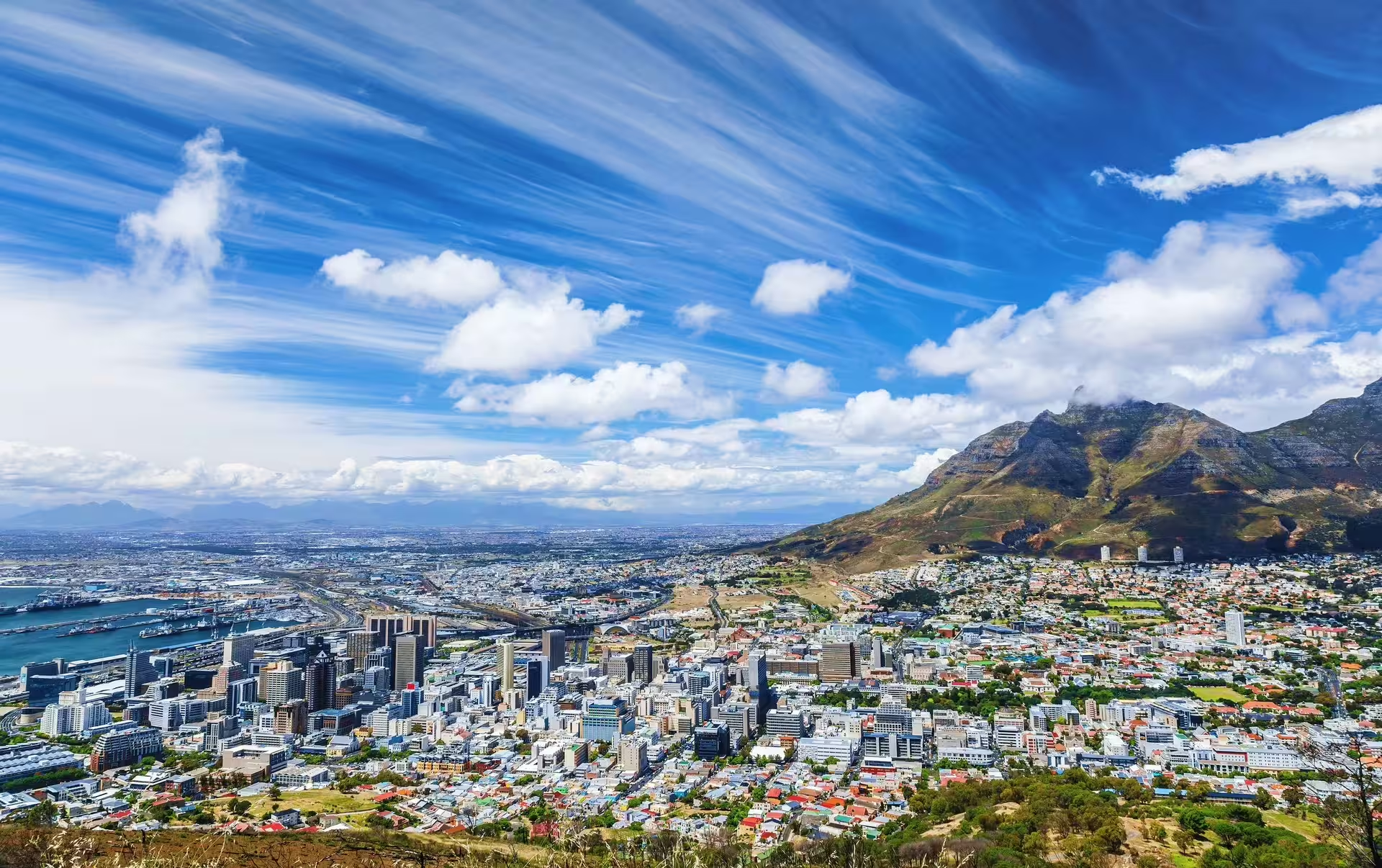
A guided Winelands excursion provides an option with transport included for the Stellenbosch and Franschhoek day. Its shared minibus comes with a driver and guide throughout. Arrival needs separate planning: Cape Town International Airport is roughly 20 km from the central business district.
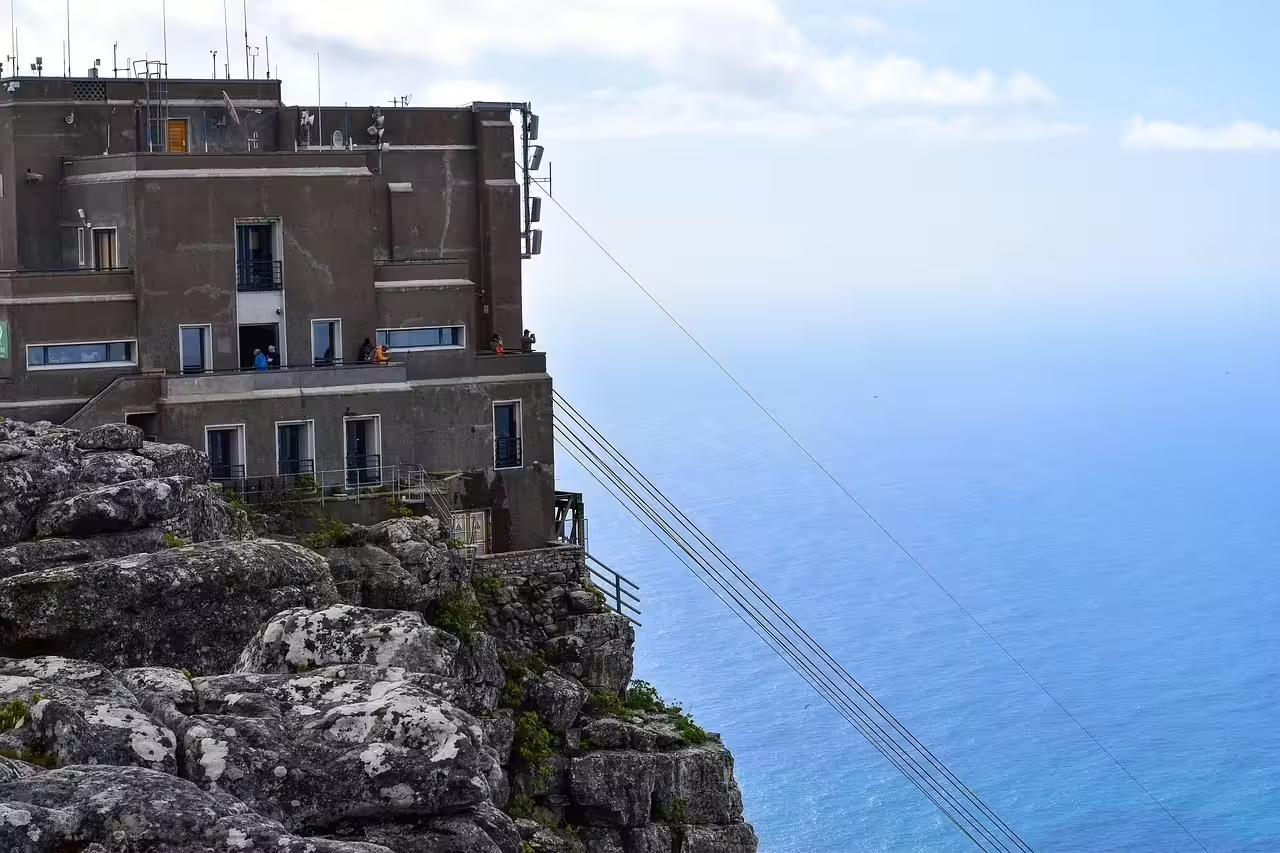
The Garden Route runs for 300 km along South Africa's southeastern coast.
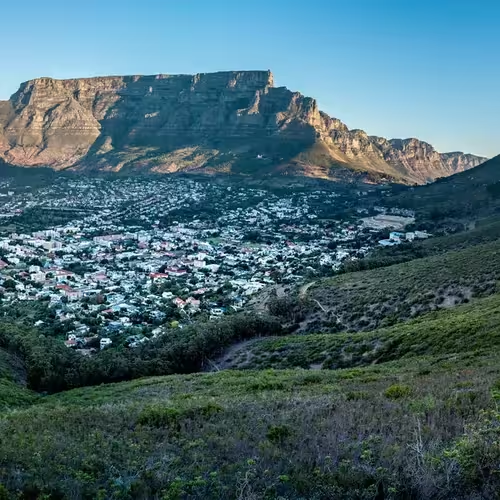
Table Mountain reaches an elevation of 1,086 metres above sea level.
The Karoo experiences intense heat and frost, with 50 to 250 mm of rain a year.
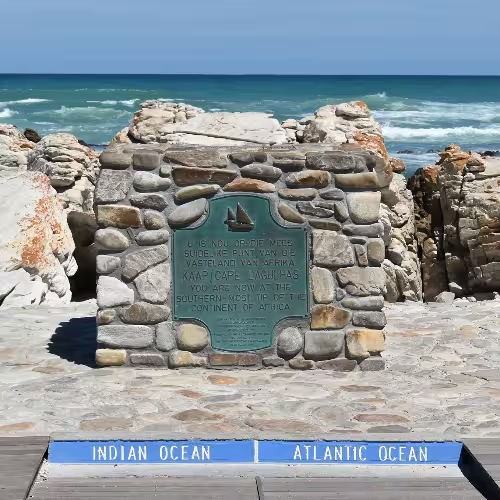
At Cape Agulhas, a marker shows where the official boundary between the Atlantic and Indian oceans lies.