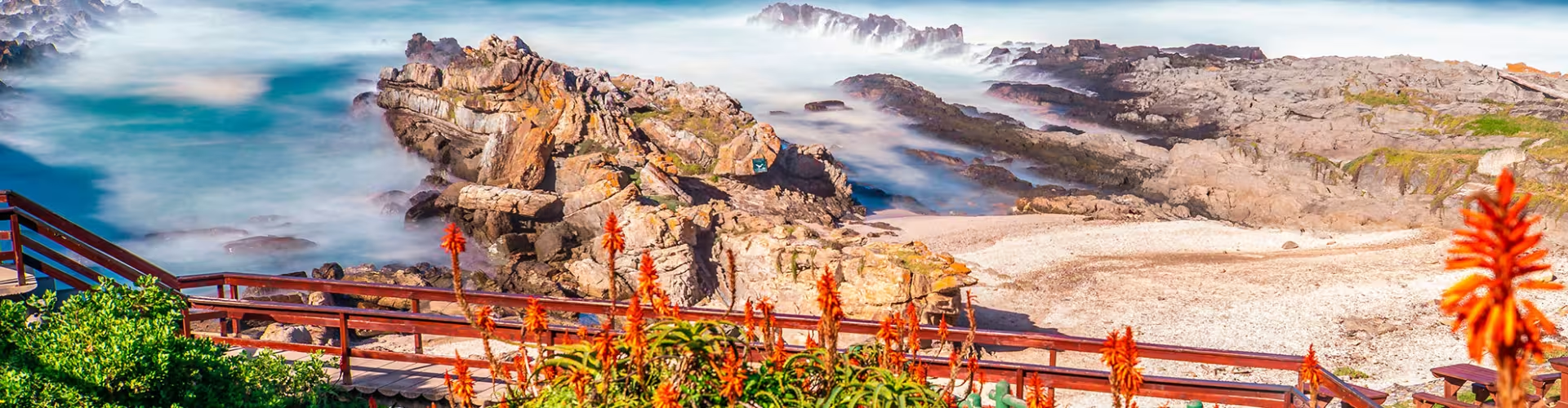
Tsitsikamma National Park

logoBlack

Build your dream
experience

dreamimg

More to know about Tsitsikamma National Park

Tsitsikamma National Park Travel Guide 🌳


🧭 Snapshot

Tsitsikamma National Park, nestled along the stunning Garden Route in South Africa, is a paradise for nature lovers. Known for its lush forests and dramatic coastline, it offers a unique blend of adventure and tranquility. Discover the Best things to do in Tsitsikamma National Park as you plan your visit.


🗺️ Where It Sits

📍 Geography and Nearby Hubs

Located in the Western Cape of South Africa, Tsitsikamma National Park is a gem of the Garden Route. The nearest major city is Port Elizabeth, with easy access through George Airport.

🕒 Best Time To Visit

The park is ideal year-round, but spring and autumn offer mild weather and fewer crowds. Summer is popular for water activities, while winter brings stunning coastal storms.

💰 Typical Costs and Money Tips

Entrance fees are modest, with options for combo tickets. Credit cards are widely accepted; however, carrying some cash is advisable for smaller vendors.


⭐ Essential Things To Do

Storms River Mouth: Marvel at the iconic suspension bridge and enjoy panoramic views. Ideal for a half-day exploration.

Otter Trail: Embark on this famous multi-day hike for breathtaking scenery. Book in advance as permits are limited.

Kayaking and Lilo Adventure: Experience the thrill of paddling through deep gorges. Family-friendly and lasts about 3 hours.

Big Tree: Visit this ancient yellowwood, a short walk from the parking area. Perfect for a quick yet awe-inspiring stop.

Bird Watching: Spot diverse bird species in their natural habitat. Best experienced with guided tours.

Nature's Valley: Relax on pristine beaches, ideal for picnics and leisurely walks.


🚶 Suggested Short Itineraries

⏰ One Perfect Day

Start with a morning walk at Storms River Mouth, followed by lunch. Afternoon kayaking adventure, and end with a sunset at Nature's Valley.

⏰ Two Days

Day 1 as above. On Day 2, hike part of the Otter Trail and visit the Big Tree. Explore local eateries in the evening.

⏰ Three Days

Days 1 and 2 as above. On Day 3, engage in bird watching and relax on the beaches of Nature's Valley. Consider a day trip to nearby Plettenberg Bay.


🍽️ What To Eat And Drink

Try biltong, a local dried meat delicacy. Enjoy fresh seafood at coastal restaurants. Taste local wines and indulge in traditional South African braai (barbecue).


🚌 Getting Around

Renting a car is the best way to explore. Shuttle services are available for specific attractions. Roads are well-maintained, but watch for wildlife. Accessible travel options are improving.


🌄 Best Day Trips

Knysna: 1-hour drive, known for its lagoon and forests.

Bloukrans Bridge: 30-minute drive, famous for bungee jumping.

Robberg Nature Reserve: 1.5-hour drive, perfect for hiking and seal watching.


✅ Practical Tips For Visitors

  • Reserve accommodation early, especially in peak season.
  • Visit popular sites early morning to avoid crowds.
  • Carry a raincoat; weather can be unpredictable.
  • Check for park closures due to weather or maintenance.
  • Pack sufficient water and snacks for hikes.

❓ Frequently Asked Questions, FAQ

Q: How many days do I need to explore Tsitsikamma National Park?
A: Three days are recommended to fully enjoy Tsitsikamma National Park, explore its main attractions, and take a day trip.

Q: Are there any combo tickets available for attractions?
A: Yes, combo tickets for the suspension bridge and forest areas are available, offering savings on entry fees.

Q: What are the best neighborhoods to stay in the Tsitsikamma area?
A: Storms River Village offers charm and proximity to attractions, while Nature's Valley provides stunning views and easy access to the beach.

Q: What is the weather like in Tsitsikamma National Park?
A: Summers are warm and sunny, ideal for outdoor activities, while spring and autumn are mild, perfect for sightseeing.

Q: Is Tsitsikamma National Park accessible for travelers with mobility issues?
A: Some attractions have steps and uneven terrain, but many areas are accessible with assistance. Plan ahead for specific needs.