Bo-kaap

logoBlack

Build your dream
experience

dreamimg

More to know about Bo-kaap

๐ŸŒˆ Bo-Kaap, Cape Town’s Living Canvas of Culture and Colour

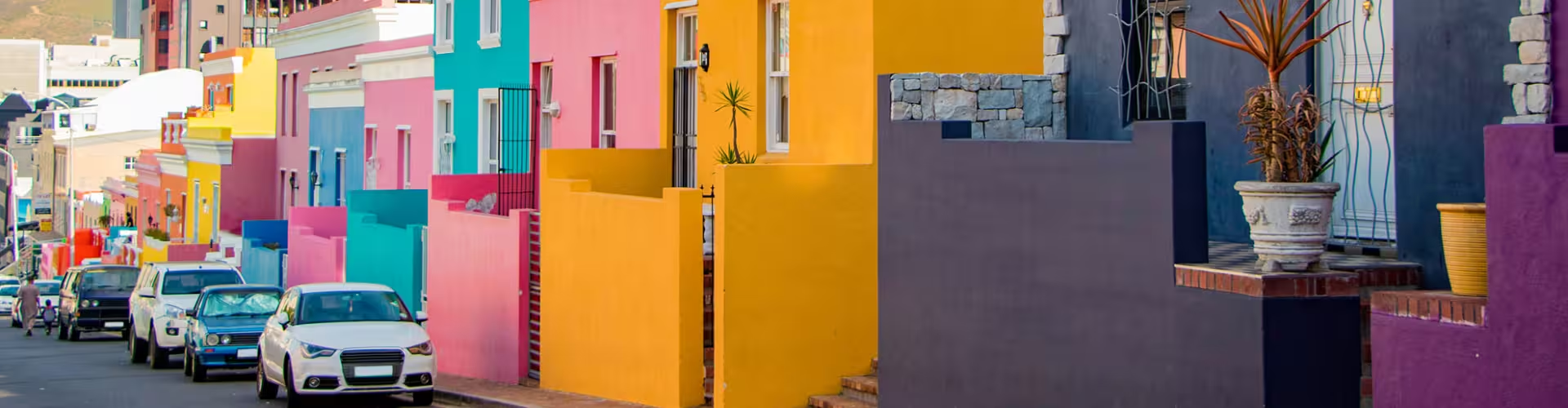
Perched on the slopes of Signal Hill above the city centre of Cape Town, the historic neighbourhood of Bo-Kaap is a jubilant patchwork of pastel and neon facades, stone lanes, and the aromas of slow cooked spices drifting from family kitchens. In the Western Cape, it stands as a vibrant testament to resilience and community, where Cape Malay cuisine, eloquent heritage, and warm hospitality meet in streets that sparkle in every shade of the rainbow.


๐Ÿ˜ The Colourful Houses, Heartbeat of Bo-Kaap

Wale Street and Chiappini Street, An Open Air Gallery ๐ŸŽจ

The photogenic terraces along Wale Street and Chiappini Street capture the essence of Bo-Kaap. These colourful houses are not only beautiful, they are symbolic. Many residents once lived in rental homes painted white. When families gained ownership, they chose bright colours as a joyful expression of freedom, identity, and pride. Stroll the cobbled streets, greet neighbours from stoops framed by sash windows and carved shutters, and you will feel the neighbourhood’s pulse, steady and welcoming.

Architecture with Character

Look closer and you will notice a blend of Cape Dutch, Georgian, and Victorian elements. Stoep benches designed for conversation, thick walls that hold coolth on summer afternoons, and pocket sized courtyards with lemon trees enhance the charm. The built fabric of Bo-Kaap invites unhurried wandering, best enjoyed in soft morning light or in the golden glow before sunset when the colours sing.


๐Ÿ•Œ Auwal Mosque and Heritage of Faith

Auwal Mosque, Cornerstone of Community

Founded in the late eighteenth century, the Auwal Mosque is the oldest mosque in Cape Town. Its history is intertwined with scholars and community leaders who preserved faith and language under restrictive conditions. Visit respectfully outside prayer times, admire the understated facade and minaret, and reflect on the continuity of tradition in a neighbourhood that has weathered many changes.

Bo-Kaap Museum, Stories of Home

Set in a carefully restored nineteenth century house, the Bo-Kaap Museum offers insight into domestic life, migration, and the evolution of the Cape Malay community. Period furniture, family photographs, and rotating exhibits place names and faces behind the bright paintwork outside. It is a gentle, moving stop that deepens any walk through the area.


๐Ÿž Signal Hill Views, Cobbles, and the Noon Tradition

Signal Hill and the Noon Gun ๐Ÿ””

Above the neighbourhood rises Signal Hill, a natural lookout with sweeping views of Table Mountain, the city bowl, and the working harbour. At midday, the historic Noon Gun sounds from the slopes, a timekeeping ritual that has marked days in Cape Town for generations. Hearing the boom while standing in Bo-Kaap folds today into yesterday in a single moment.

Cobbled Lanes and Photographic Angles

The small gradients of Chiappini, Rose, and Dorp Streets offer ever changing angles for photographers. Doorways trimmed in turquoise, fuchsia, and lemon create natural frames for portraits. Step carefully on the polished cobbles, pause for a chat if someone is painting a wall or tending a stoep garden, and let the route meander. Here, the journey is the point.


๐Ÿฒ Taste and Tradition, Flavours that Define Bo-Kaap

Cape Malay Cuisine, Aromas that Linger

From fragrant bobotie to slow simmered denningvleis, from koesisters dusted in coconut to gently spiced breyani, the food of Bo-Kaap tells stories of trade routes and home kitchens. Join a hands on cooking session to learn the balance of cinnamon, cardamom, and clove, or follow a spice trail through neighbourhood shops where generations have sourced blends for special occasions. Sharing a table is the easiest way to feel at home here.

Festivals and Community Rhythm

On religious and cultural holidays, houses open to extended family and friends, with platters of samosas and sweet treats. Respect the privacy of residents during celebrations, offer a friendly greeting, and soak up the atmosphere that makes this neighbourhood feel both intimate and expansive.


๐Ÿงญ Additional Highlights Worth Your Time

  • ๐Ÿ“š Heritage walks: Guided strolls weave together architecture, language, and lived experience, perfect for first time visitors.
  • ๐Ÿ“ท Photography tours: Golden hour sessions unlock vantage points and colour combinations you might miss alone.
  • ๐Ÿ› Spice and craft stops: Browse small stores for masalas, hand stitched textiles, and beaded keepsakes that support local artisans.
  • โ˜• Stoep coffee breaks: Street facing cafes and bakeries are ideal for people watching between sights.
  • ๐ŸŽจ Community art: Murals and galleries share contemporary voices alongside historic narratives.

๐Ÿ’ก Insider Tips for Visiting Bo-Kaap

  • โฐ Best time for photos: Early morning or late afternoon makes the colourful houses glow, with fewer shadows and gentler light.
  • ๐Ÿ‘Ÿ Footwear: Wear flat, comfortable shoes for cobbled streets and short hills.
  • ๐Ÿค Respectful photography: These streets are a living neighbourhood. Ask before photographing people or private homes, especially near mosques.
  • ๐Ÿงฃ Modesty near mosques: Dress modestly when visiting the Auwal Mosque or passing during prayer times.
  • ๐ŸŒฌ Wind wise: The Cape can be breezy. Bring a light layer, even on sunny days, and secure hats when walking toward Signal Hill.
  • ๐Ÿš˜ Getting there: Short rides from the city centre make Bo-Kaap an easy addition to a Cape Town itinerary that includes the Company’s Garden or the V&A Waterfront.
  • ๐Ÿ—บ Combine routes: Pair a morning in Bo-Kaap with afternoon views from Table Mountain for a balanced city day.

โค๏ธ Why Visit Cape Town for Cultural Heritage

Cape Town offers many iconic sights, yet the soul of the city is felt most clearly in Bo-Kaap. Here, language, faith, design, and food blend in a neighbourhood that welcomes visitors as guests rather than spectators. The experience is tactile and human, a chance to hear stories in the place they were lived, to taste recipes perfected over centuries, and to stand in streets that shimmer with hope and history. In the Western Cape, few places offer such a graceful meeting of beauty and meaning.


๐ŸŒŸ Plan Your Bo-Kaap Experience

When you are ready to walk the cobbled streets, visit the Auwal Mosque, taste Cape Malay cuisine, and frame the perfect shot of Wale Street, let Toursxplorer.com help you curate the right mix of guided heritage walks, cooking classes, and city panoramas from Signal Hill and Table Mountain. Thoughtful routes, local specialists, and flexible options make it easy to experience Bo-Kaap with care and depth.