Marrakech-Safi region: what to see and do
Marrakech serves as the capital of the Marrakech-Safi region. The city was founded by the Almoravids in 1070-72.
Essaouira day trip
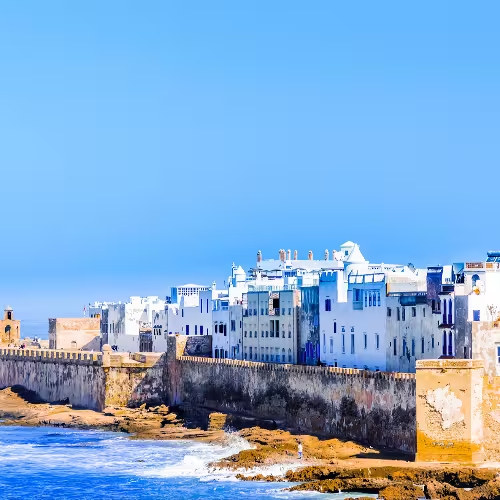
UNESCO added the medina of Essaouira to its World Heritage list in 2001. The city was planned, with the medina arranged in four broad quadrants. Mogador, its Portuguese name, remained in general use until the 1960s. In 1506, Portugal's King Manuel I commissioned a fortress here called Castelo Real de Mogador.
The private day trip from Marrakech to Essaouira beach lasts 9 hours and includes a private professional driver, a stop at a women's argan oil cooperative and a rest stop in Sidi El Mokhtar village.
Atlas mountains
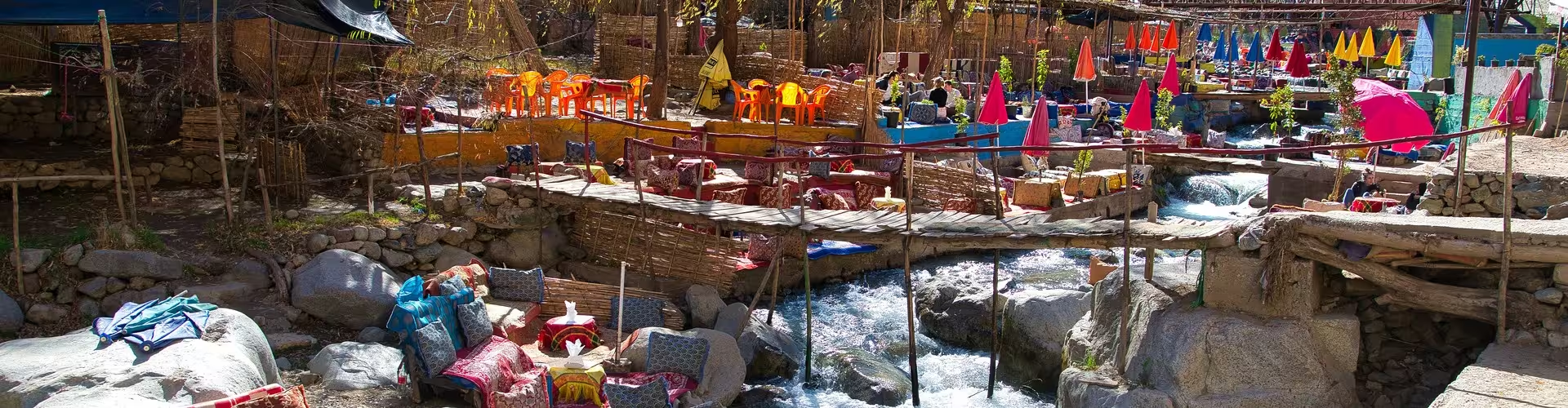
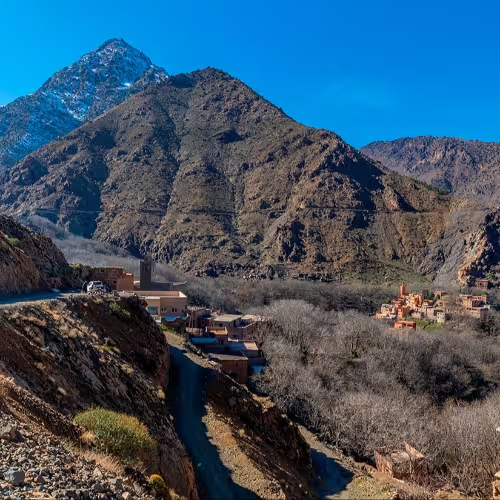
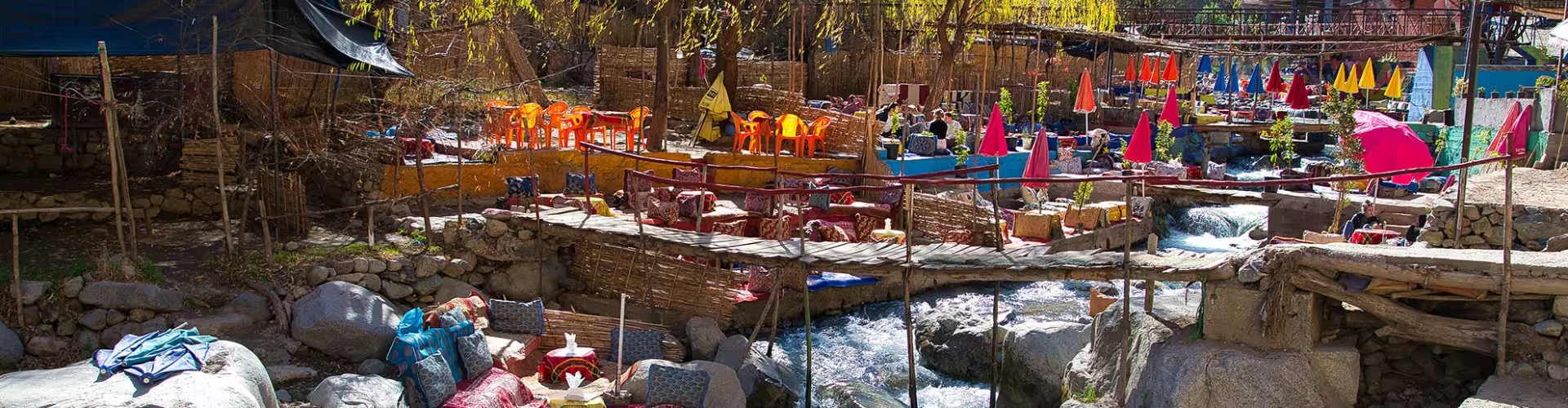
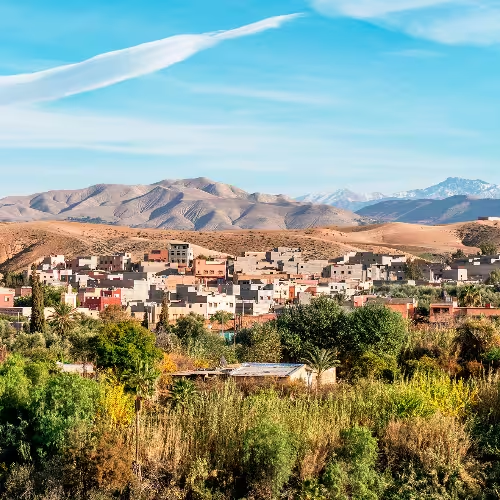
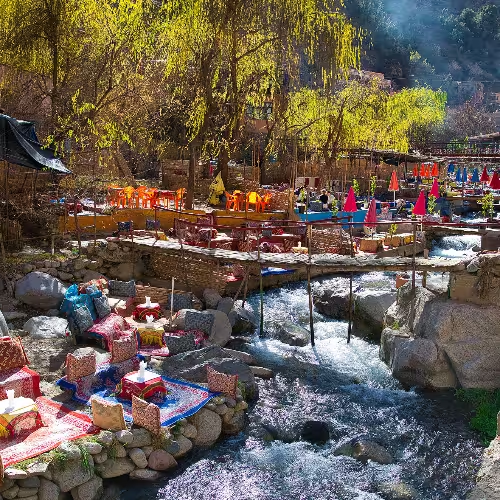
Toubkal stands at 4,167 m and lies 63 km south of Marrakech. A route to its summit begins in Imlil, a village in the High Atlas. Snow can remain into late spring in the High Atlas, particularly on slopes facing north. The Ourika Valley lies roughly 30 km from Marrakech.
Marrakech and Safi
Marrakech's old town received UNESCO World Heritage status in 1985. Ali ibn Yusuf had the city's red walls built in 1126-1127. Abd al-Mu'min founded the first Kutubiyya Mosque in 1147; the present mosque was rebuilt around 1158. Its minaret rises to 77 m.
Si Ba Ahmed ibn Musa enlarged Bahia Palace between 1894 and 1900. The main palace complex has about 150 rooms. Building work on El Badi Palace ran from December 1578 until 1593. After closing in 1960, Ben Youssef Madrasa opened again to visitors as a historic site in 1982.
A private guided tour of Marrakech attractions lasts 8 hours and includes a private driver and guide who speaks English for the full day, a private vehicle with air conditioning, transport between sites and an itinerary that can be adapted to your interests.
Pottery has long supported Safi's economy. Portuguese imperial occupation of Safi lasted from 1488 until 1541. The Sea Castle in Safi is a fortification that survives from the period of Portuguese rule.
Markets and cooking
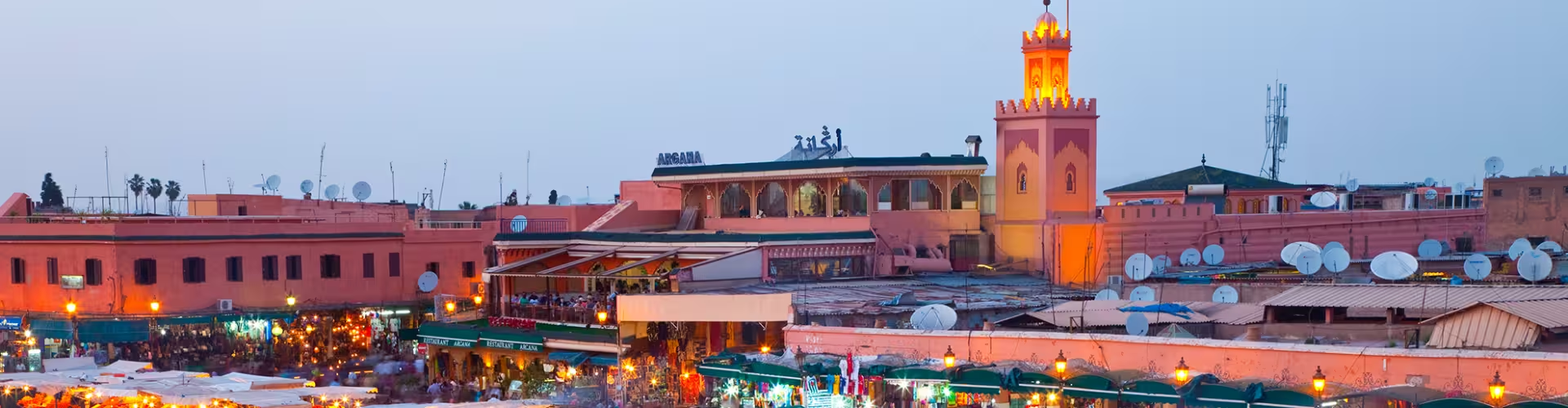
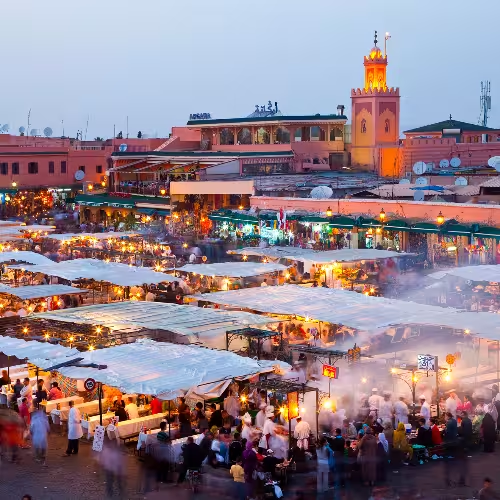
Jemaa el-Fna combines a square and a marketplace within Marrakech's medina. The square is a focus of both trade and city life. Its performers include poets and storytellers alongside Berber musicians and Gnaoua dancers. Dozens of food stalls fill the square after dark.
The Marrakech cooking class with sardine balls and tagine recipes lasts 3 hours and 30 minutes, with guidance from local chefs, ingredients for sardine tawa, kitchen equipment and utensils, a tasting of the prepared dish and a recipe to take home.
The cooking class and market visit in Marrakech lasts 3 hours and includes a guided walk through the neighbourhood and market, fresh ingredients and groceries, Moroccan mint tea, practical cooking instruction and a full meal with the host family.
In the Arganeraie reserve, rural women, and men to a lesser extent, use traditional techniques to obtain oil from argan fruit. The oil is used in cooking as well as in medicines and cosmetics. It also serves as a wedding gift and an ingredient in festive dishes.
Frequently asked questions
Is Essaouira's medina a UNESCO World Heritage Site?
UNESCO added the medina of Essaouira to its World Heritage list in 2001.
How high is Toubkal?
Toubkal stands at 4,167 m and lies 63 km south of Marrakech.
How far is the Ourika Valley from Marrakech?
The Ourika Valley lies roughly 30 km from Marrakech.
What is the size of Bahia Palace?
The main palace complex has about 150 rooms.
What role does pottery play in Safi?
Pottery has long supported Safi's economy.