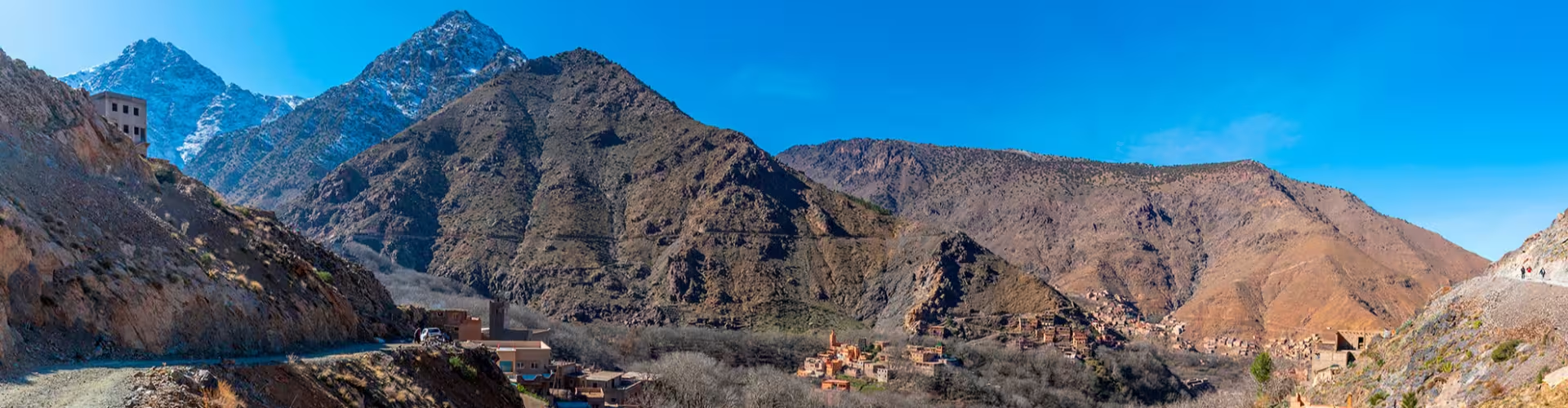


Al Haouz is a province in Morocco’s Marrakech Safi region that draws travelers who want a calmer, more rural counterpoint to Marrakech’s high energy medina. It is a landscape of villages, valleys, and mountain foothills where daily life still follows agricultural rhythms, and where the road itself often feels like part of the experience. Use this guide to plan your routes, choose the right season, and build an itinerary that balances scenery, culture, and practical logistics.
Al Haouz offers a grounded, nature forward vibe, with wide horizons, small communities, and an outdoorsy pace that contrasts nicely with city sightseeing. Go now if you want a destination that rewards slow travel, photography, and local encounters without needing a complicated plan. It also works exceptionally well as a flexible base for short escapes from Marrakech when you want fresh air and quieter roads.
Al Haouz sits within the Marrakech Safi administrative region of Morocco, closely connected to Marrakech as the main gateway city for most visitors. For international arrivals, Marrakech is typically the key hub to organize onward transport, supplies, and day trip logistics. Once you leave the city behind, the setting shifts quickly into open countryside and mountain edged terrain, so it helps to plan your route and driving times with extra buffer for photo stops and slower rural roads.
Seasonality matters in Al Haouz because the experience is closely tied to outdoor time, road conditions, and how comfortable it feels to explore villages and viewpoints. Warmer months can be better for long daylight hours and early starts, while cooler periods can feel more comfortable for extended walks and scenic drives. Crowd levels also tend to track Marrakech travel patterns, so traveling outside peak city periods can make the province feel even more spacious and unhurried.
Plan to carry cash for smaller purchases in rural areas, since card acceptance can be limited once you are outside major urban zones. Keep small bills for quick transactions, and set aside a buffer for transport flexibility if you decide to extend a stop or change your route. A practical approach is to withdraw what you need in Marrakech before heading deeper into Al Haouz, then treat cash as your default for day to day spending.
Scenic Valley Drives
Why it matters: The province’s strongest first impression often comes from the scenery, with open stretches that reveal the scale of the landscape and the transition from city to countryside. A drive lets you cover multiple micro regions in a single day and helps you understand how villages, farms, and foothills connect. Practical tip: Start early for softer light and calmer roads, then build in unplanned stops for viewpoints and photos.
Village Wanders
Why it matters: Small villages are where Al Haouz feels most intimate, and where you can observe everyday routines that are easy to miss on a fast itinerary. Even a short walk can reveal local architecture, community gathering points, and the slower pace that defines the area. Practical tip: Dress modestly, keep voices low, and ask before photographing people, especially in quieter lanes.
Mountain Foothill Viewpoints
Why it matters: Viewpoints create a sense of place, and they help you read the terrain, the valleys, and the routes you are taking. They are also ideal for travelers who want a memorable experience without committing to a long hike. Practical tip: Bring water, sun protection, and a light layer, since conditions can change quickly with elevation and wind.
Local Market Stops
Why it matters: Markets are a practical window into local food culture, seasonal produce, and the rhythms of rural commerce. They can also be the best place to pick up snacks for the road and to see what is grown locally. Practical tip: Carry small cash, move slowly, and treat bargaining as a polite conversation rather than a competition.
Tea and Pause Culture
Why it matters: In Morocco, tea is not just a drink, it is a social rhythm that marks transitions between activities. Taking time for tea in Al Haouz turns a simple stop into a cultural experience and helps you travel at the local pace. Practical tip: Accepting tea is often a gesture of goodwill, so allow time in your schedule for these slower moments.
Photography Routes
Why it matters: The province rewards photographers with layered landscapes, changing light, and strong contrasts between cultivated land and rugged terrain. Even casual phone photography improves when you plan around light and perspective. Practical tip: Aim for early morning or late afternoon, and keep your gear dust protected during drives.
Short Nature Walks
Why it matters: You do not need a major trek to feel immersed in the landscape, and short walks can be the easiest way to slow down and notice details like plants, irrigation patterns, and village edges. This is also a good option for travelers who want movement without a demanding route. Practical tip: Choose comfortable shoes and avoid wandering onto private farmland unless you have clear permission.
Pairing with Marrakech
Why it matters: Many travelers treat Al Haouz as a natural extension of a Marrakech trip, and the contrast between the two can make both feel richer. The city offers museums, souks, and nightlife, while the province offers quiet roads and open space. Practical tip: Plan your city errands first, then leave the province portion for when you want a reset from crowds.
Start from Marrakech in the morning and head into Al Haouz with a route that prioritizes scenery and short stops rather than long detours. Build your day around a sequence of viewpoints, a village wander, and a relaxed tea break, then add a market stop if you pass one along your road. Keep the afternoon flexible for photography and spontaneous pulls offs, then return before dark if you prefer simpler navigation.
With two to three days, Al Haouz becomes less of a day trip and more of a slow travel experience. Use day one for orientation drives and a few key viewpoints, then spend day two focusing on village life, markets, and short nature walks with plenty of downtime. If you have a third day, keep it open for a longer scenic loop, repeat your favorite stretch of road in better light, or simply take a quiet morning to absorb the landscape without a packed schedule.
Mint Tea
Taste profile: Sweet, aromatic, and refreshing, with a strong herbal lift. Ordering tip: If you prefer less sugar, ask for it lightly sweetened, and drink slowly as part of the social ritual.
Tagine
Taste profile: Slow cooked and deeply savory, often built around layered spices and tender textures. Ordering tip: Ask what the house specialty is, since tagine variations can depend on season and local habits.
Couscous
Taste profile: Light grains paired with vegetables and broth, comforting and filling without feeling heavy. Ordering tip: If it is offered as a special, it is often made in larger batches, which can mean good value and a more traditional preparation.
Fresh Bread
Taste profile: Warm, simple, and perfect for scooping sauces and salads. Ordering tip: Buy bread close to when you will eat it, since freshness is part of the appeal.
Olives and Olive Oil
Taste profile: Briny, fruity, and sometimes peppery, depending on curing and pressing style. Ordering tip: If you are shopping at a market, ask to taste before you buy, and pack oil carefully for travel.
Seasonal Fruit
Taste profile: Bright and naturally sweet, often best when bought directly from local sellers. Ordering tip: Choose fruit that looks slightly imperfect but fragrant, since it can signal ripeness and better flavor.
Getting around Al Haouz is simplest with a road based plan, since distances between villages and viewpoints can be significant. If you are self driving, build in extra time for slower rural roads and occasional stops, and keep your fuel topped up before you head far from major hubs. If you are not driving, consider arranging transport from Marrakech for the day or for a multi day itinerary, and confirm pickup points clearly to avoid confusion in rural areas. For walking, keep it to village lanes and short nature walks unless you have a clear route plan, and always carry water and sun protection.
Marrakech
Travel time: Varies by starting point within the province. Reason to visit: Culture, souks, gardens, and a strong contrast to the rural calm of Al Haouz.
High Atlas Foothills
Travel time: Depends on your route and how deep you go. Reason to visit: Cooler air, dramatic scenery, and a sense of elevation that changes the entire feel of the day.
Rural Market Circuits
Travel time: Short to moderate, depending on which market day aligns with your location. Reason to visit: A practical, authentic way to experience local food culture and everyday commerce.
Scenic Road Loops
Travel time: Half day to full day, depending on stops. Reason to visit: A flexible option that prioritizes landscape, photography, and spontaneous discoveries over fixed attractions.
Al Haouz is closely connected to Marrakech, which is the most common gateway for organizing transport and supplies. The easiest approach is to plan a road based route and allow extra time for slower rural roads and scenic stops.
A one day itinerary works well for highlights like viewpoints, village wandering, and tea breaks. Two to three days is better if you want a slower pace with short nature walks, market stops, and time to revisit routes in different light.
Cash is the safer default once you leave major urban areas, since smaller vendors may not accept cards. Withdraw what you need in Marrakech and keep small bills for easier purchases.
Bring water, sun protection, and comfortable shoes for uneven surfaces. A light layer helps with wind or cooler conditions at higher viewpoints.
Early morning and late afternoon usually give softer light and stronger landscape depth. If you want fewer vehicles on the road, starting early can also make the drive feel calmer.