Marrakesh is a city of sensory contrast, where the medina’s narrow lanes open into lively squares, and calm garden courtyards sit minutes from buzzing souks. The appeal is in the details, hand painted tiles, spice scented air, and the rhythm of daily life that still feels distinctly Moroccan. Use this guide to plan a confident first visit, balance iconic sights with slower moments, and build an itinerary that fits your pace.
Marrakesh is defined by its rose colored walls, its energetic street life, and its deep craft traditions, from leatherwork to metal lanterns. Go now if you want a destination that rewards both quick highlights and unhurried wandering, especially if you plan your days around light, heat, and crowds. The signature vibe is cinematic and human, with a constant mix of calls to prayer, market bargaining, and quiet rooftop views.
Marrakesh sits in central Morocco within the Marrakech-Safi Region, acting as a major hub between the Atlas Mountains and the Atlantic facing plains. The city’s historic core is the medina, surrounded by newer districts where wider boulevards and modern cafes make day to day logistics simpler. Most travelers arrive via Marrakech Menara Airport, then connect into the city by taxi or prearranged transfer, with onward travel by road to mountain valleys and desert gateways.
Plan around heat and crowd levels rather than fixed event dates. Warmer months can make midday sightseeing in the medina feel intense, so early mornings and evenings become the most comfortable windows for walking and photography. Cooler periods are generally easier for long souk sessions, garden visits, and day trips, but popular areas can feel busier, so booking accommodations earlier is a smart move.
Morocco uses the Moroccan dirham, and Marrakesh is a city where cash is still highly practical for small purchases, market shopping, and quick snacks. Cards are more common in many hotels, higher end restaurants, and some boutiques, but it is wise to keep smaller bills for taxis and souks. If you plan to negotiate in markets, set a personal budget before you browse, it helps you stay calm and consistent when the atmosphere is lively.
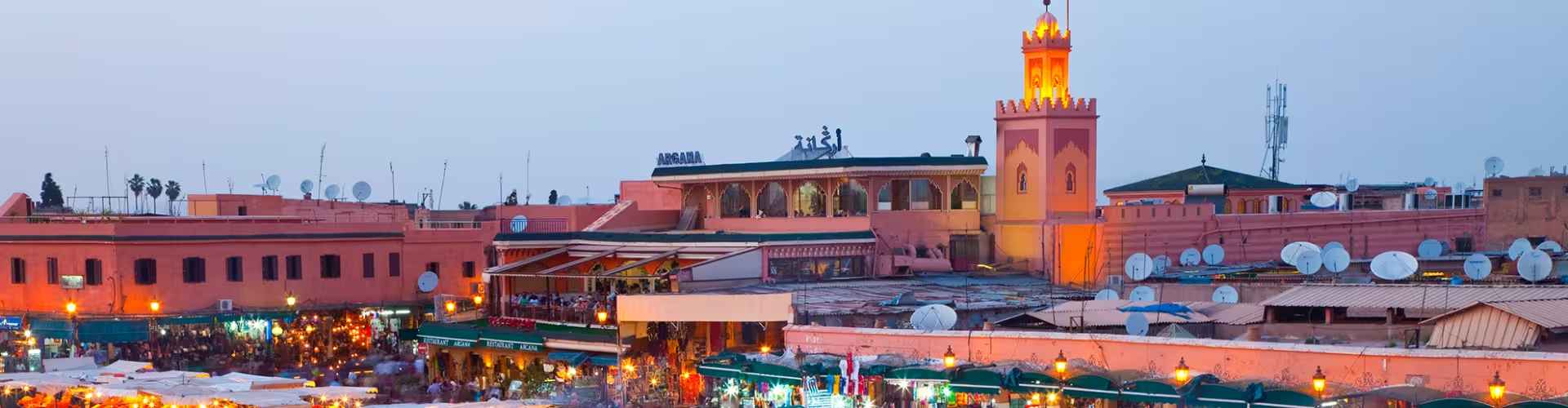
Explore Jemaa el-Fna at different times of day
This square is the city’s living stage, shifting from daytime movement to an evening scene filled with food stalls and performers. It matters because it captures the social heart of Marrakesh, not as a museum piece, but as an active gathering place. Practical tip, visit once in late afternoon for changing light, then return after dark for dinner energy, and keep valuables secure in crowds.
Get lost on purpose in the souks
The souks are more than shopping, they are a map of craft traditions, from textiles and ceramics to lanterns and leather. It matters because understanding the souk layout helps you navigate confidently and avoid fatigue. Practical tip, pin your riad on an offline map, choose one or two items to focus on, and compare quality before committing, especially if you are targeting things to do in Marrakesh that include artisan shopping.
Step into a traditional riad courtyard
A riad experience shows how medina homes turn inward, trading street noise for fountains, greenery, and shade. It matters because it explains the city’s architecture and daily rhythm, and it gives you recovery time between busy lanes. Practical tip, if you are not staying in one, consider a meal or tea in a riad setting, and dress respectfully for shared spaces.
Visit the Koutoubia area for landmark views
The Koutoubia is one of the most recognizable silhouettes in the city, and the surrounding area helps you orient yourself between the medina and newer streets. It matters because landmark navigation reduces stress when you are walking without a strict route. Practical tip, aim for golden hour photos, and use the area as a meeting point if you are traveling in a group.
Slow down in a garden space
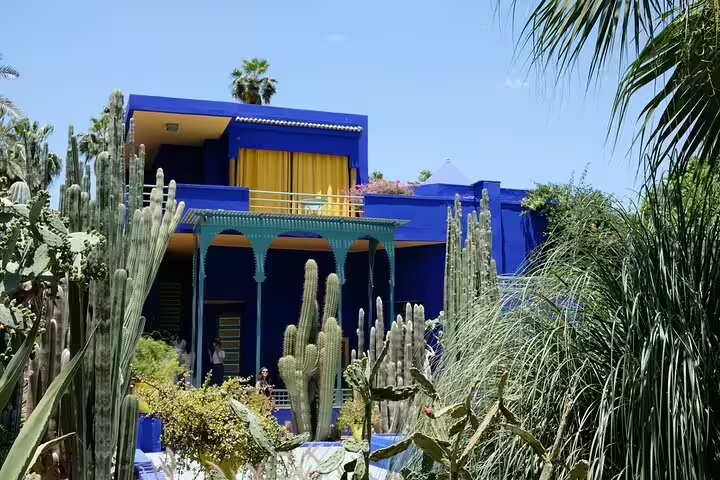
Gardens in Marrakesh provide a counterbalance to the density of the medina, with shade, plantings, and a quieter pace. It matters because a calmer setting makes the rest of your day feel more manageable, especially if you are traveling in warmer weather. Practical tip, schedule a garden visit midday when the streets feel hottest, and carry water.
Book a hammam experience
A hammam is a traditional bath ritual that ranges from simple local options to more spa like settings. It matters because it is both cultural and practical, helping you reset after long walking days. Practical tip, ask your accommodation for recommendations and guidance on etiquette, and bring a change of clothes and essentials for after.
Climb to a rooftop terrace for perspective
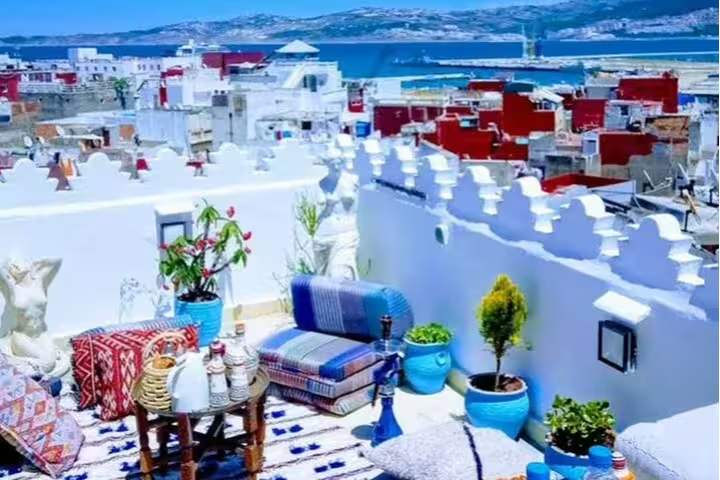
Rooftops reveal the medina’s scale, with a sea of terracotta tones and distant mountain lines on clear days. It matters because it turns navigation into a story, you can see how the city layers old and new. Practical tip, choose a terrace with shade, and go earlier or later to avoid harsh midday sun, a helpful approach for Marrakesh itinerary planning.
Take a guided walk for history and context
A good guide helps decode what you are seeing, from street layouts to craft districts and religious landmarks. It matters because context turns a beautiful walk into a deeper understanding of Morocco’s urban history. Practical tip, book ahead during busy periods, and confirm what is included so you can budget for tips and any optional stops, especially if you are comparing best time to visit Marrakesh options.
Start early with a medina walk while lanes are quieter, then move into the souks when shops open and the city is fully awake. Break midday with a garden or riad lunch to recharge, then return for afternoon landmark views around the Koutoubia area. Finish in Jemaa el-Fna after dark, choosing a simple dinner plan so you can focus on the atmosphere rather than logistics.
Day one follows the highlights at a slower pace, adding time for craft browsing and a rooftop pause to learn the medina’s layout. Day two can focus on a hammam, a longer souk session with purposeful shopping, and a guided walk to connect history with what you have already seen. If you have a third day, keep it flexible for a day trip or for revisiting your favorite areas at a different time of day, which is often when Marrakesh feels most personal.
Tagine
Slow cooked and aromatic, tagine dishes build flavor through gentle simmering, often balancing savory notes with warm spices. Ordering tip, ask what the house specialty is, and consider sharing if you want to try more than one dish.
Couscous
Couscous is comforting and hearty, often served with vegetables and a rich broth that soaks into the grains. Ordering tip, if you want a lighter meal, ask for a smaller portion or share it alongside salads.
Harira
This soup is deeply satisfying, with a warming profile that makes it a smart choice after a long walking day. Ordering tip, pair it with bread, and consider it as an early dinner option before heading to a busier evening scene.
Mint tea
Sweet and fragrant, mint tea is both refreshment and ritual, offered in cafes and homes as a sign of hospitality. Ordering tip, if you prefer less sweetness, ask politely for it less sweet, and sip slowly, it is often served hot.
Fresh orange juice
Bright and simple, it is a classic daytime pick me up when you need a break from heat and walking. Ordering tip, choose busy stands where turnover is high, and keep small cash ready.
Moroccan salads
Often served as a variety of small plates, these bring acidity, herbs, and cooked vegetable flavors that balance richer mains. Ordering tip, ask for a mixed selection if available, it is an easy way to sample without over ordering.
The medina is best explored on foot, because many lanes are narrow and the most interesting details are at walking speed. For longer distances between the medina and newer districts, taxis are common, and arranging a pickup through your accommodation can reduce friction if you are arriving with luggage. Ride options and private transfers can be useful for day trips, especially when you want a fixed price and a clear return plan.
For safety, keep your phone and wallet secure in crowded areas, and be cautious when crossing busy streets where traffic patterns can feel informal. If accessibility is a concern, plan for uneven surfaces and steps in older areas, and consider choosing accommodations with easier access if mobility is limited.
Atlas Mountains
Travel time varies by route and stop plan. The main reason to go is scenery, cooler air, and a change of pace from the city’s density. Practical tip, bring layers because temperatures can shift quickly with elevation.
Agafay Desert
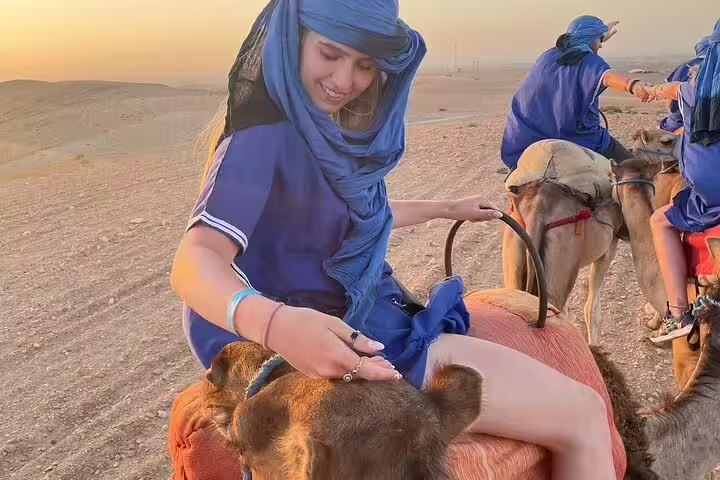
Often reached by road from Marrakesh, this is a popular choice for a desert style landscape without traveling far into the Sahara. The reason to visit is the wide open views and sunset atmosphere. Practical tip, confirm what your tour includes, especially meals and return timing.
Ourika Valley
A classic escape for river scenery and village life, with travel time depending on traffic and stops. The reason to visit is a greener landscape and an easy nature reset. Practical tip, wear shoes that handle uneven ground if you plan short walks.
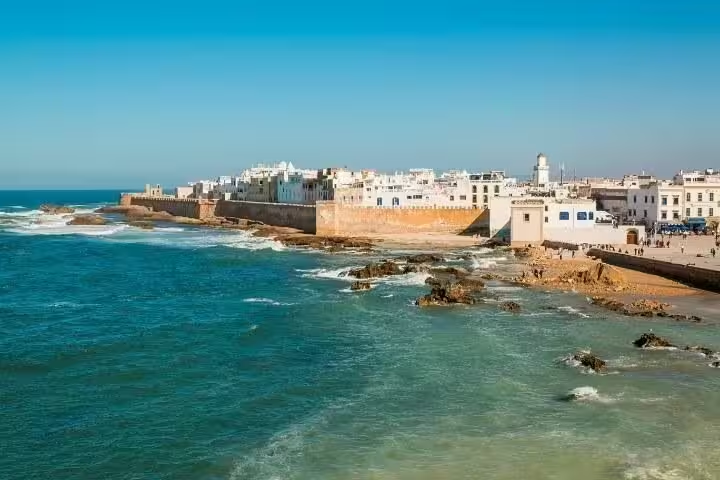
Essaouira
A coastal contrast to inland Marrakesh, reached by road with travel time depending on conditions. The reason to visit is sea air, a more relaxed medina experience, and a different food scene. Practical tip, pack a wind layer, the coast can feel cooler than expected.
How many days do I need in Marrakesh?
One day covers major highlights at a fast pace, but 2 to 3 days gives you time for gardens, a hammam, and slower souk exploration. Adding a day also helps you schedule activities around heat and crowd levels.
Is it easy to get around without a car?
Yes, the medina is designed for walking, and many key areas are best reached on foot. For longer hops, taxis and prearranged transfers are practical, especially if you are carrying bags.
What should I wear while exploring the medina?
Light layers are useful for sun and changing temperatures, and comfortable shoes matter on uneven lanes. Dressing modestly is a respectful choice in traditional areas and helps you feel comfortable throughout the day.
What is the best time of day to visit Jemaa el-Fna in Marrakesh?
Late afternoon is great for changing light and orientation, while evening brings the busiest atmosphere and food stalls. Visiting twice lets you experience both moods without rushing.
Should I carry cash in Marrakesh?
Carrying cash is helpful for small purchases, market shopping, and quick snacks, while cards are more common in many hotels and some restaurants. Keep smaller bills ready to make everyday payments smoother.