

Tucked into the gentle slopes of the High Atlas Mountains, just a short drive from the bustling city of Marrakech, the Ourika Valley is a lush oasis of terraced fields, Berber villages, and cascading waterfalls. Rich in natural beauty and cultural charm, this picturesque valley offers a serene contrast to the arid plains of central Morocco.
From scenic hikes to traditional souks and riverside tagine lunches, Ourika Valley invites travelers to experience the soul of rural Morocco. Whether you are looking for adventure, culture, or peace, this magical destination provides an unforgettable day trip or weekend retreat.
Located approximately 45 minutes southeast of Marrakech, the Ourika Valley is one of the most accessible natural escapes in Morocco. The journey itself is part of the experience, as the landscape transitions from desert flats to green hills lined with olive trees, almond groves, and poplar forests.
Along the way, travelers pass through a string of Berber villages, where locals live much as they have for centuries, preserving their traditions and welcoming visitors with warm hospitality.
Ourika Valley lies at the foothills of the High Atlas Mountains, Morocco’s iconic mountain range. Towering peaks frame the valley, creating a breathtaking backdrop for every photo. The scenery is especially vibrant in spring when wildflowers bloom, and in early autumn when the air turns crisp and the fields glow with harvest color.
Whether you are hiking into the hills or enjoying the view from a riverside café, the presence of the mountains adds a dramatic element to the valley’s peaceful rhythm.
At the far end of the valley lies Setti Fatma, a charming village and the starting point for the most popular activity in Ourika: the hike to the Seven Waterfalls. This moderate trek takes visitors through shaded trails, over rocks and footbridges, and up to a series of cascading waterfalls nestled in the hillside.
The first waterfall is easily accessible and great for families or casual walkers. The more adventurous can continue higher to reach the upper falls, where the views become increasingly panoramic. Local guides are often available on-site to help lead the way.
One of the highlights of visiting Ourika Valley is the chance to engage with Berber culture. Many tours include a stop at a local home, where guests are invited to see how families live, learn about traditional cooking methods, and share a cup of mint tea in a warm and personal setting.
The Berber people have inhabited the Atlas Mountains for centuries, and their connection to the land is reflected in their crafts, music, and way of life.
On Mondays, the valley hosts a traditional souq (market), where villagers gather to trade goods, livestock, produce, and textiles. Browsing this colorful bazaar offers a glimpse into rural Moroccan commerce and daily routines, far removed from the polished shops of Marrakech.
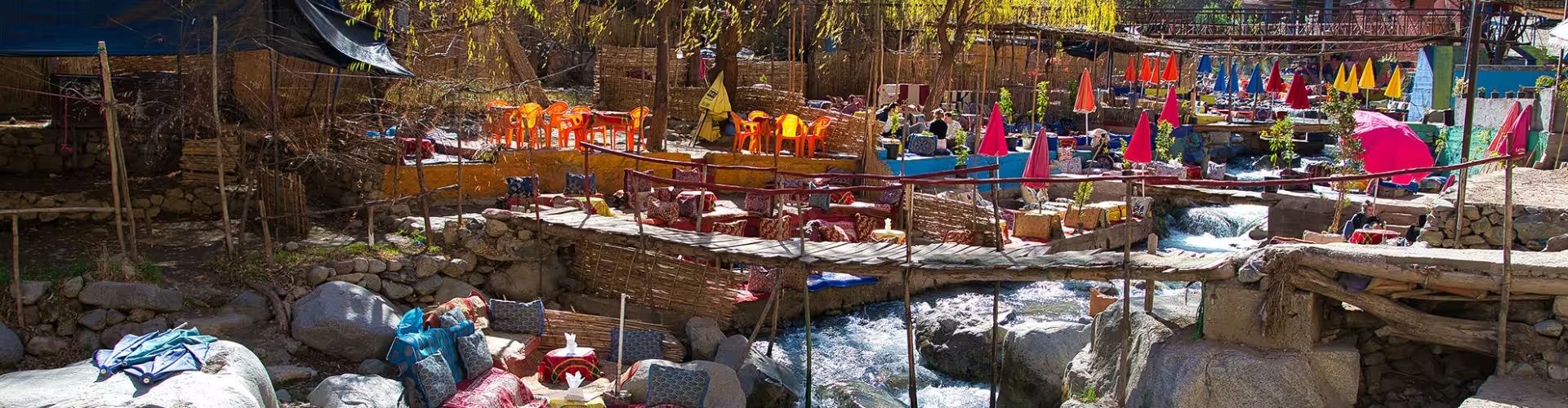
The valley is lined with riverside cafés and restaurants, many of which feature tables right at the edge of the Ourika River, or even placed inside shallow streams. It is a wonderfully relaxing way to enjoy a meal, with your feet in cool mountain water and views of the terraced valley unfolding before you.
Popular dishes include lamb or chicken tagine, freshly baked bread, and seasonal vegetables cooked with fragrant Moroccan spices. For dessert, try local honey and almond pastries or fresh oranges with cinnamon.
For those seeking peace and natural beauty, Ourika Valley is an ideal place to unwind. The gentle sound of running water, the scent of herbs in the mountain air, and the unhurried pace of life invite you to slow down and reconnect with nature.
In spring and early summer, the valley is especially vibrant, and birdwatchers will enjoy spotting species like bee-eaters, larks, and falcons soaring above the cliffs.
Many travelers visit Ourika Valley as a day trip from Marrakech, making it an easy and enriching addition to any itinerary. However, those with more time may choose to stay overnight in one of the local guesthouses or eco-lodges, which offer rustic comfort, star-filled skies, and the soothing soundtrack of the river.
Waking up in the valley, surrounded by mountains and mist, is a peaceful experience that leaves a lasting impression.
🌼 Spring (March to May): Wildflowers bloom, waterfalls are full, and hiking is ideal
🌞 Summer (June to August): Cooler temperatures than Marrakech; perfect for escaping city heat
🍁 Autumn (September to November): Harvest time with golden leaves and quiet trails
🧊 Winter (December to February): Snow on the mountain peaks and cozy evenings by the fire
📍 The first waterfall at Setti Fatma
📍 Terraced fields and Berber homes clinging to the hillsides
📍 Sunrise over the river from a hillside café
📍 Mountain reflections in natural rock pools
📍 Colorful souq scenes and woven Berber rugs drying in the sun
The Ourika Valley is more than just a scenic destination—it is a sensory journey into the heart of Moroccan nature and culture. Whether you are following the river to hidden waterfalls, sipping tea with a Berber family, or dining beside flowing waters, the valley offers an experience that feels both timeless and deeply personal.
Explore and book Ourika Valley day trips, guided hikes, and cultural experiences through Toursxplorer.com, and let your Moroccan adventure begin where mountains meet tradition.