Ait-Ben-Haddou

Plan a smart visit to Ait-Ben-Haddou with logistics, best times to go, top things to do, itineraries, local flavors, transport tips, nearby day trips, and traveler hacks for a smoother experience.

logoBlack

Build your dream
experience

dreamimg

More to know about Ait-Ben-Haddou


Ait-Ben-Haddou Travel Guide

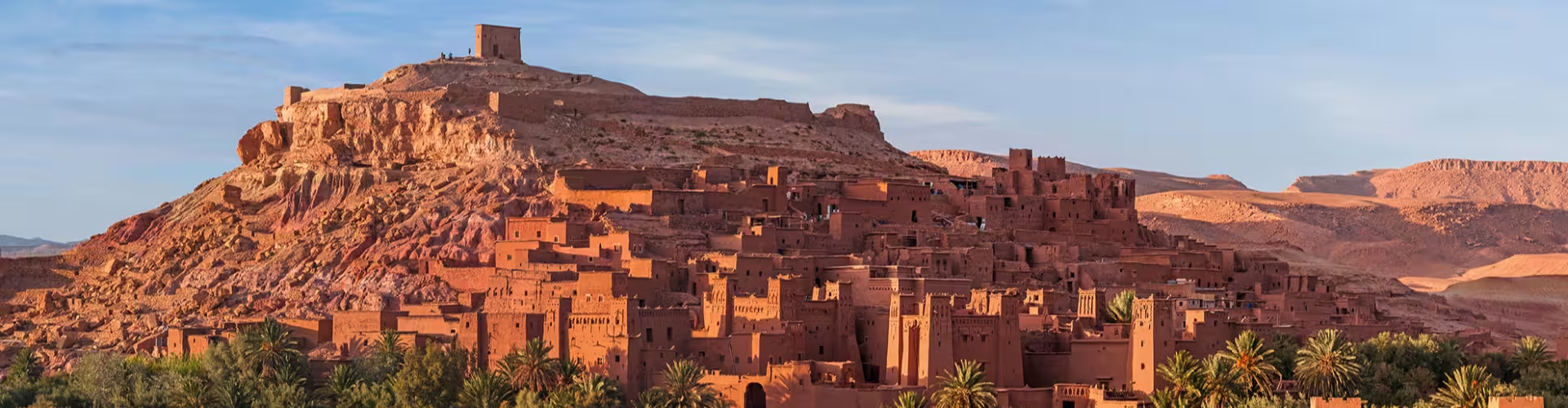
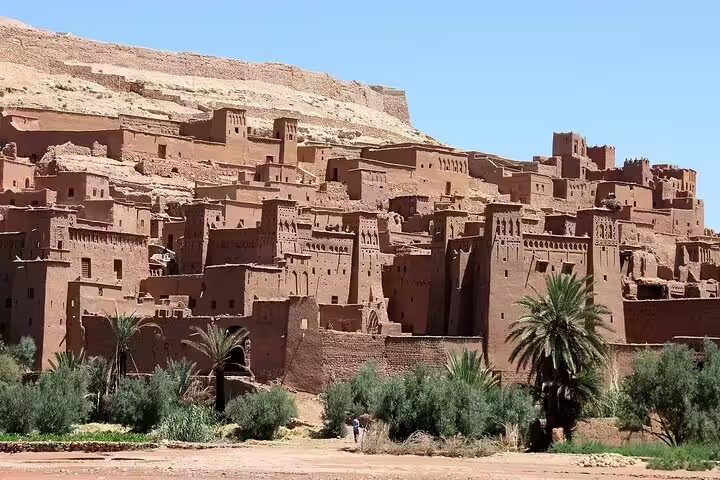
Ait-Ben-Haddou is one of Morocco’s most visually striking ksars, built in earthen tones that shift with the light, from soft clay to deep copper. The experience is part cinematic, part cultural, and part slow travel, with layered architecture, hillside viewpoints, and a living sense of place shaped by caravan routes and oasis life. This guide focuses on practical planning, what to do on site, and how to build an itinerary that fits your pace.


Snapshot

Ait-Ben-Haddou delivers a desert edge atmosphere, where mudbrick towers, narrow passages, and panoramic terraces create a timeless silhouette. Go now if you want a high impact destination that still rewards early starts and unhurried wandering, especially for photography and quiet viewpoints. The signature vibe is earthy, dramatic, and story rich, with the surrounding landscapes of southern Morocco adding scale and contrast.


🗺️ Geography and Logistics

📍 Orientation: Where is it within Drâa-Tafilalet Region and Morocco? Name key gateway airports or hubs.

Ait-Ben-Haddou sits in Morocco’s Drâa-Tafilalet Region, a part of the country known for oasis valleys, desert landscapes, and historic caravan corridors. Many travelers route through major hubs such as Marrakech, Ouarzazate, or other regional gateways used for southern Morocco itineraries. The approach itself is part of the appeal, with scenery that transitions from mountain foothills into arid, open terrain.

🕒 When to Go: Seasonal breakdown. Weather patterns vs. crowd levels.

Expect the most comfortable sightseeing when days are mild and walking conditions are easier, since much of the experience involves exploring on foot and climbing for views. Hotter periods can feel intense on exposed paths, so earlier starts and slower pacing help. Crowd levels typically rise when Morocco’s classic circuit travel is busiest, so planning for early morning or later afternoon visits can improve the atmosphere and photography.

💰 Budget & Currency: Practical money tips, local price levels, and card vs. cash advice.

Carry cash for small purchases, tips, and simple transactions, since card acceptance can be limited in smaller, tourism focused areas. Budget flexibility matters here because costs can vary by how you arrive, whether you hire a driver, and how long you linger for meals and viewpoints. Keep small denominations handy, and confirm prices clearly before committing to services or souvenirs.


⭐ Essential Things to Do

Explore the Ksar Paths and Passages
The core experience is walking through compact lanes where earthen walls, doorways, and towers reveal how defensive villages were designed to protect trade and community life. Moving slowly lets you notice textures, shade patterns, and small architectural details that disappear when you rush. Practical tip: start with a mental loop, go up gradually, then descend via a different route to see changing angles.

Climb to the Upper Viewpoints
The higher you go, the more the landscape opens up, with the ksar’s geometry set against wide valley views. This is where Ait-Ben-Haddou feels most cinematic, especially as light warms the walls and shadows deepen. Practical tip: aim for late afternoon light for richer tones, and wear grippy shoes because surfaces can be uneven.

Photograph the Classic Panorama
The iconic scene is the layered fortress profile rising above the surrounding terrain, a composition that explains why the site appears so often in travel imagery. Taking time to frame shots from multiple distances creates variety, from wide landscape photos to tight details of towers and textures. Practical tip: arrive earlier than most groups if you want clean frames with fewer people.

Learn the Story of Southern Morocco’s Caravan Heritage
This region connects to historic movement of goods and people, and the ksar form reflects a practical response to climate, security, and trade. Understanding that context makes the site more than a photo stop, it becomes a window into how communities organized life in arid landscapes. Practical tip: ask simple, respectful questions, then listen, local explanations often add meaning to what you are seeing.

Plan a Film Location Style Walk
Many visitors come with a sense of recognition, since the architecture and setting read like a ready made set. Walking with that lens helps you notice dramatic lines, corridors, and natural framing created by doorways and stairways. Practical tip: revisit the same spot twice, once in brighter light and once later, to see how the mood changes.

Pair the Visit with Ouarzazate Style Stops
Travelers often connect Ait-Ben-Haddou with the wider Ouarzazate area, building a day around desert landscapes and film related culture. This turns a single stop into a fuller southern Morocco day, balancing walking time with scenic drives. Practical tip: keep buffer time for photos and breaks, because the site often takes longer than expected when you explore properly.

Shop Thoughtfully for Local Crafts
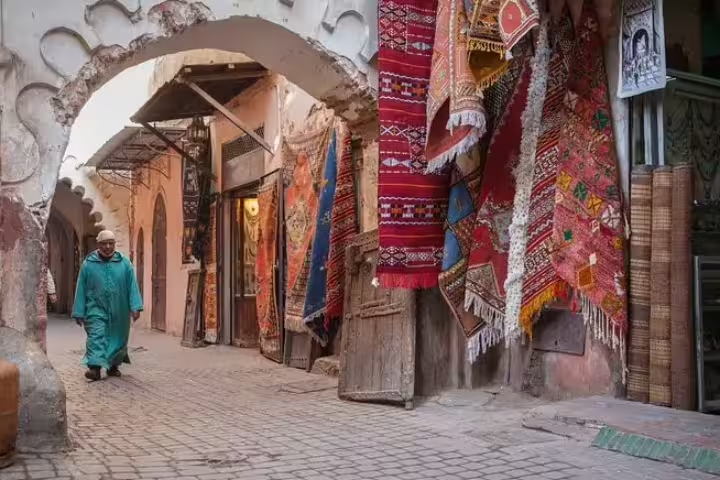
Souvenirs can be tempting, but the best purchases are those that feel tied to the region’s materials and aesthetics, earthy colors, simple patterns, and practical craft. Buying with intention supports local livelihoods and avoids clutter purchases you regret later. Practical tip: compare a few options first, confirm the price clearly, and prioritize quality over quantity.

Stay for the Quiet Moments
The most memorable part can be the pause, sitting with the view, listening to wind and footsteps, and letting the place feel real rather than rushed. These moments turn a checklist visit into a travel memory. Practical tip: pick one viewpoint, put your phone away for a few minutes, then return to photos after you have absorbed the atmosphere.


🚶 Curated Itineraries

⏰ The Highlights (1 Day): A fast-paced “Best Of” route.

Arrive early, walk the main lanes, and climb steadily toward the upper viewpoints before the busiest period. Pause for panoramic photos, then descend slowly while focusing on details, textures, and doorways for close up shots. Build in time for a relaxed meal nearby, then finish with a second short walk later in the day to catch warmer light.

⏰ Deep Dive (2-3 Days): Adding neighborhood exploration and local secrets.

On day one, do the classic exploration and viewpoints at an unhurried pace, then return for late light to see the ksar shift in color. On day two, focus on the wider area, scenic drives, and cultural context in the Drâa-Tafilalet Region, keeping the schedule flexible for stops that catch your eye. If you have a third day, slow it down further, revisit favorite viewpoints, and prioritize atmosphere over coverage.


🍽️ Flavors of Ait-Ben-Haddou

Tagine
Slow cooked and aromatic, tagine often balances savory depth with gentle sweetness from spices. Ordering tip: ask what the house specialty is, then choose based on what is freshest that day.

Couscous
Light, fluffy grains served with vegetables and rich broth, couscous is comforting and filling after a long walk. Ordering tip: if you want a lighter meal, ask for extra vegetables and a smaller portion.

Mint Tea
Sweet, fragrant, and refreshing, mint tea is a social ritual as much as a drink. Ordering tip: if you prefer less sweetness, request it less sweet when possible.

Harira
A warming soup style dish with a hearty feel, ideal when you want something simple and restorative. Ordering tip: pair it with bread for a satisfying, budget friendly meal.

Khobz (Moroccan Bread)
Bread is central to the table, used to scoop and share, with a rustic texture that complements stews. Ordering tip: eat it fresh, and use it to try small bites of different flavors.

Dates and Nuts
Naturally sweet and energy dense, dates and nuts fit the region’s oasis identity and make a smart snack for walking. Ordering tip: buy small amounts first, then return for more if quality is good.


🚌 Navigation & Transport

The best way to experience the site is on foot, since the lanes and climbs are the point, and many areas are not suited to vehicles. For getting in and out, travelers commonly rely on private drivers, organized day trips, or point to point transport from nearby hubs, depending on itinerary style. Wear stable shoes and take care on uneven surfaces, and consider pacing breaks if heat or stairs affect your comfort.


🌄 Beyond the Center: Day Trips

Ouarzazate
Often used as a gateway for southern Morocco routes, Ouarzazate pairs well with Ait-Ben-Haddou for travelers interested in desert landscapes and film culture. Travel time varies by your route and transport style, so plan it as a half day or full day add on.

Dades Valley
A scenic valley drive with dramatic terrain, ideal if you want road trip style viewpoints and varied landscapes beyond the ksar setting. Plan for a longer outing, and build in stops because the scenery is part of the value.

Todra Gorge
Known for striking rock walls and a sense of scale, Todra Gorge suits travelers who want a natural landmark to balance architectural exploration. Start early to enjoy cooler walking conditions if you plan to stroll through the gorge area.

Skoura Oasis
An oasis landscape that highlights how water and agriculture shape life in arid regions, offering a softer, greener contrast to the earthen tones of the ksar. It works well as a slower paced day with photo stops and short walks.


✅ Insider Tips for Travelers

  • Go early or later in the day for better light, fewer crowds, and a calmer atmosphere.
  • Wear closed toe shoes with grip, since paths can be uneven and dusty.
  • Carry small cash, and confirm prices clearly before buying or hiring services.
  • Bring water and sun protection, shade can be limited during parts of the walk.
  • Move slowly and look for details, textures, doorways, and shadow lines are a big part of the experience.
  • Be respectful when photographing people, ask first when appropriate.
  • Build buffer time, Ait-Ben-Haddou often takes longer than planned once you start exploring.

❓ Frequently Asked Questions, FAQ

How much time should I plan for visiting Ait-Ben-Haddou?
Most travelers enjoy it best with enough time to walk the lanes and reach at least one upper viewpoint. If you want unhurried photos and breaks, plan extra time rather than treating it as a quick stop.

Is Ait-Ben-Haddou suitable for travelers who do not want a strenuous climb?
You can still enjoy the atmosphere by exploring lower paths and stopping at mid level viewpoints. Take it slowly, wear stable shoes, and prioritize comfort over reaching the highest point.

What is the best time of day for photos?
Late afternoon often brings warmer tones and longer shadows that add depth to the earthen architecture. Early morning can also be excellent if you want fewer people in your frames.

Do I need cash when visiting?
Cash is useful for small purchases and tips, especially in places where card payments may not be available. Carry small denominations so you can pay easily without needing change.

Can I combine the visit with other places in the Drâa-Tafilalet Region?
Yes, many itineraries connect the ksar with nearby valleys, gorges, and gateway towns for a fuller southern Morocco route. Keep your schedule flexible so you can stop for viewpoints and short walks along the way.