Nestled between the High Atlas Mountains and the vast dunes of the Sahara Desert, the Drâa-Tafilalet region offers an immersive journey into Morocco’s most evocative landscapes. From the palm-filled valleys of the Drâa River to the cinematic kasbahs of Ouarzazate and the majestic dunes of Merzouga, this region is where Morocco's soul meets the silence of the desert.
Whether you are an adventurer, a cultural explorer, or a seeker of solitude beneath starry skies, Drâa-Tafilalet promises a journey rich in contrast, warmth, and unforgettable discovery.
Drâa-Tafilalet is often described as the gateway to the Sahara, and for good reason. This is where the landscapes transition from rugged mountains to sweeping desert plains, creating breathtaking vistas and a sense of timelessness.
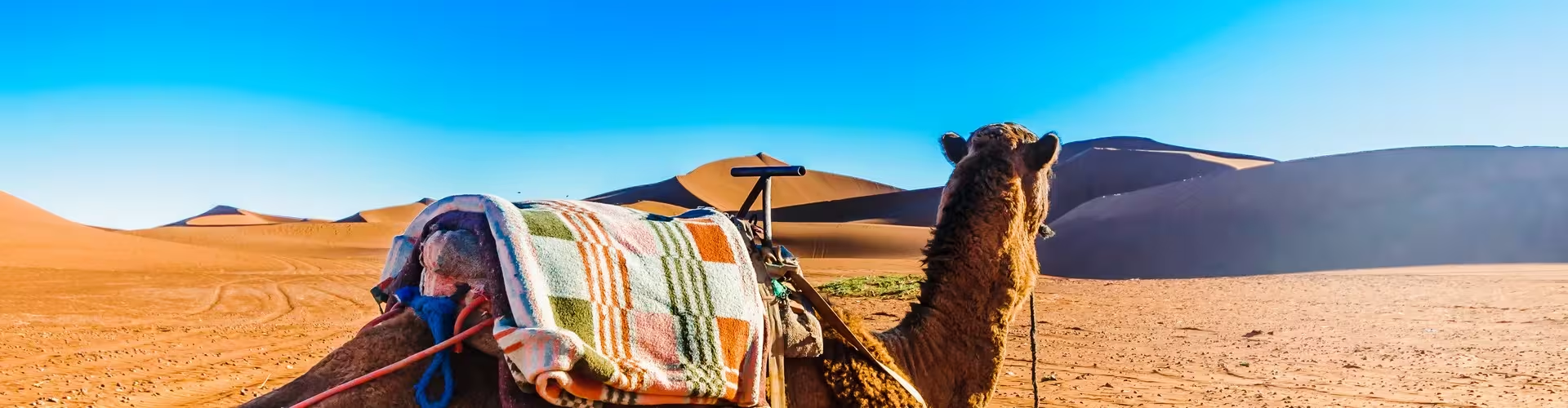
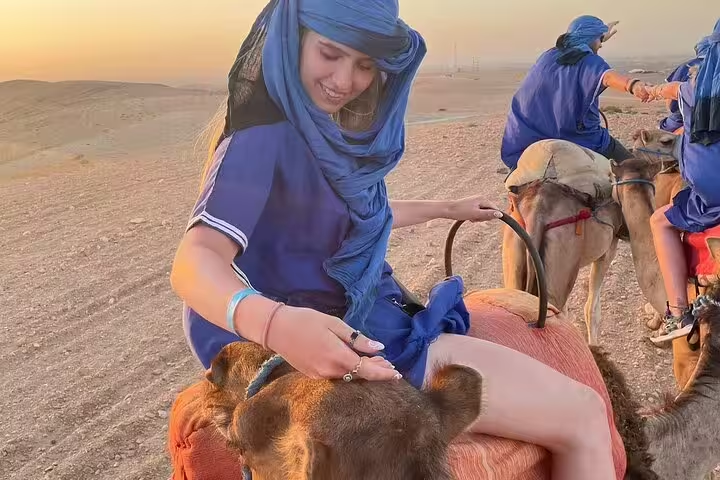
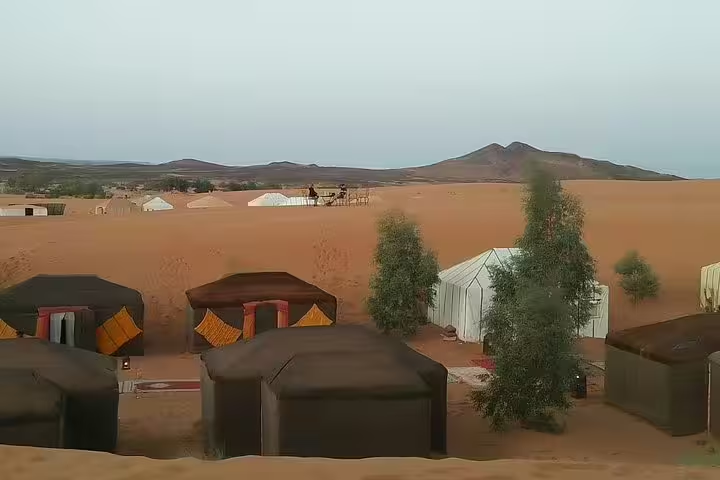
In Merzouga, travelers are welcomed by the golden dunes of Erg Chebbi, among the tallest in Morocco. Camel treks at sunset, overnight stays in luxury desert camps, and nights under clear star-studded skies provide an authentic and humbling desert experience.
Further west, Zagora serves as another portal to the Sahara, famous for the iconic sign stating “Timbuktu 52 days,” a reminder of the region’s long-standing role as a caravan crossroads in ancient times.
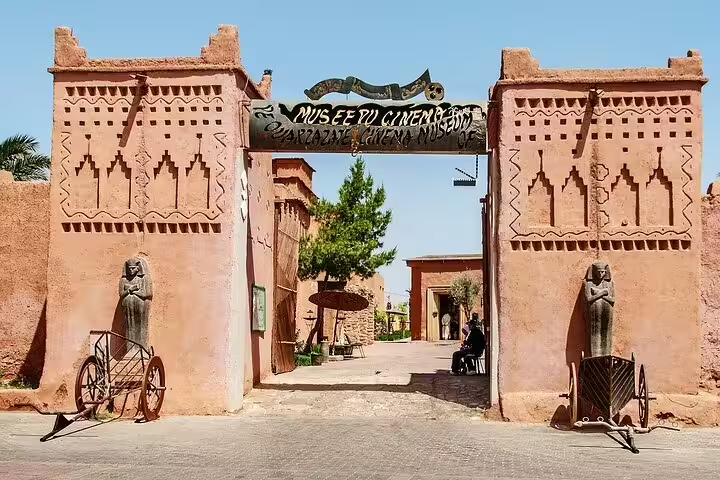
Known as the "Hollywood of Africa", Ouarzazate is a captivating blend of ancient charm and cinematic legacy. The city has served as the backdrop for countless films, including epics such as Gladiator and Lawrence of Arabia, thanks to its dramatic desert settings and traditional architecture.
The jewel of the area is the Ksar of Ait Benhaddou, a UNESCO World Heritage Site and one of Morocco’s best-preserved fortified villages. Built from earth and straw, this spectacular site rises above the desert like a sandcastle, transporting visitors back to a time of traders and nomads.
Nearby, travelers can explore the Atlas Studios, one of the largest film studios in the world, where colossal film sets remain open for guided tours.
Despite its arid reputation, Drâa-Tafilalet is rich with fertile valleys and life-giving oases. The Drâa Valley, Morocco’s longest river valley, is a ribbon of palm groves, kasbahs, and traditional villages stretching from Ouarzazate to the edge of the desert. The blend of greenery and ochre-toned cliffs creates one of the country’s most stunning natural corridors.
In the Ziz Valley, near Errachidia, travelers will encounter date plantations, irrigation canals, and dramatic gorges carved over millennia. Spring and autumn are especially picturesque, with blooming fields and warm, pleasant weather ideal for hiking and photography.
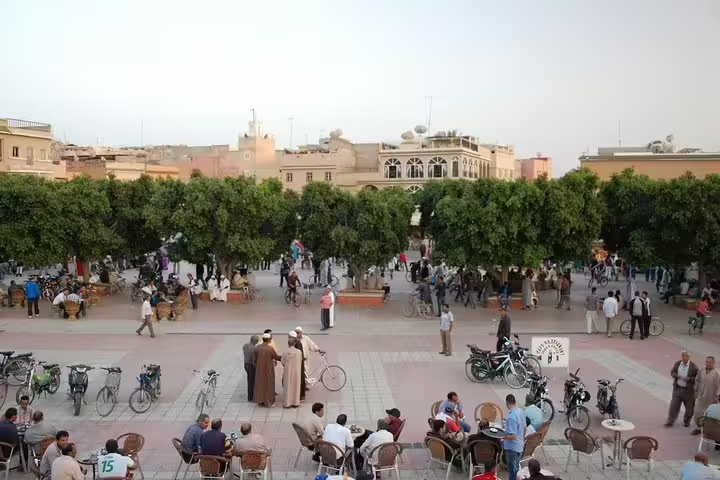
Oases like Tinejdad and Tineghir invite visitors to pause and explore ancient customs, local craftsmanship, and welcoming communities that live in harmony with the desert’s rhythms.
🌅 Camel Trekking in Merzouga
Ride into the Sahara on camelback, climb the towering dunes of Erg Chebbi, and sleep under desert stars in traditional Berber tents.
🏯 Visit Ait Benhaddou
Wander through the narrow alleys of this fortified ksar, a living piece of Morocco’s desert history and cinematic fame.
🎬 Tour Atlas Film Studios in Ouarzazate
Explore vast film sets and props from iconic movies and TV series.
🌳 Hike Through the Drâa and Ziz Valleys
Enjoy guided walks through palm groves, ancient kasbahs, and scenic viewpoints overlooking dramatic desert terrain.
🛍️ Shop for Local Handicrafts
In towns like Erfoud and Rissani, browse traditional Berber jewelry, carpets, and fossils, often crafted with skills passed down through generations.
💧 Discover Desert Oases
Relax in the shade of date palms, explore mudbrick villages, and learn about traditional irrigation systems like khettaras.
Drâa-Tafilalet is home to diverse ethnic groups, especially Berber and Arab communities, whose cultures are expressed through music, language, and everyday life.
Traditional Gnaoua music, known for its rhythmic intensity and spiritual roots, is often performed at festivals and local gatherings. Visitors may also encounter artisans crafting leather goods, pottery, and silver jewelry, many of which can be found in the region’s souks and roadside markets.
Annual festivals, such as the International Date Festival in Erfoud, celebrate the region’s agricultural wealth and cultural identity, offering a unique window into local life.
The best seasons to explore Drâa-Tafilalet are spring (March to May) and autumn (September to November). During these months, daytime temperatures are warm but not extreme, and the nights are cool and comfortable.
Summer months can be very hot, especially in the desert, though travelers seeking solitude and serenity may find fewer crowds. Winter brings chilly nights, especially in the dunes, so packing layers is essential for overnight stays.
✔️ Language: Moroccan Arabic and Tamazight (Berber) are widely spoken. French is commonly used in hotels and tour operations.
✔️ Currency: The Moroccan Dirham (MAD) is the local currency. Cash is advisable in smaller towns and markets.
✔️ Transportation: Guided tours and private 4x4s are recommended for navigating remote desert roads.
✔️ Dress Code: Modest clothing is appreciated. Desert wear should include sun protection and layers for cold evenings.
✔️ Cultural Etiquette: A warm greeting and respectful attitude go a long way in local communities.
The Drâa-Tafilalet region is Morocco at its most raw and poetic. It is a land of stories etched in stone, dunes shaped by time, and traditions kept alive by resilient communities. Whether you are wandering ancient kasbahs, tracing the path of old caravan routes, or gazing at the stars from the stillness of the Sahara, the experience will leave a lasting mark on your journey.
This is not just a region to visit. It is a region to feel, breathe, and remember. Let it awaken your sense of wonder and adventure, right at the edge of the world.