Last updated:


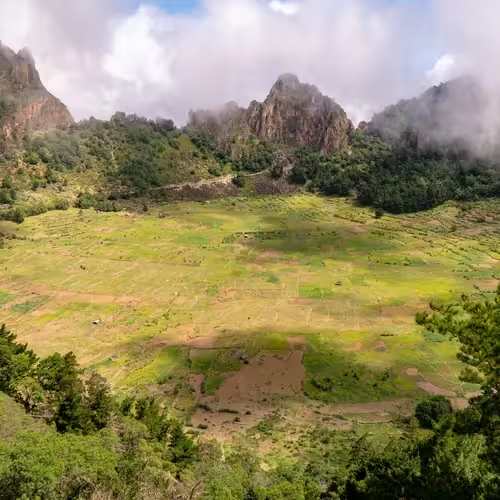
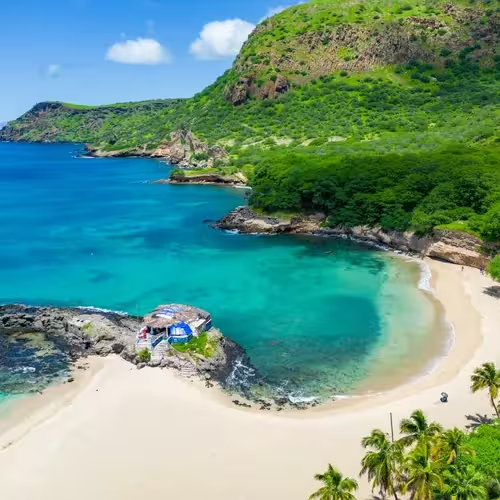
Cape Verde rewards a trip built around your interests: historic sites on Santiago, unusual landscapes on Sal and Boa Vista, or a coastal walk on Santo Antão. Across its 10 islands, 9 of them inhabited, there is room to make an island choice rather than try to cover everything.
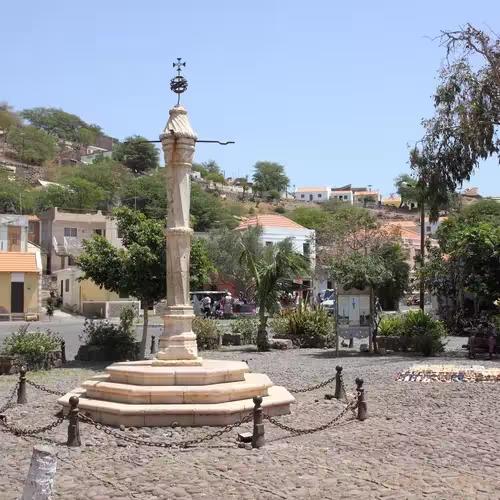
History gives Santiago a clear focus for sightseeing. Cidade Velha, the historic centre of Ribeira Grande, gained UNESCO World Heritage status in 2009. Its Pillory Square has a decorated marble column dating from the 16th century. Forte Real de São Filipe adds another chapter: it was built between 1587 and 1593 to defend Cidade Velha against pirate attacks.
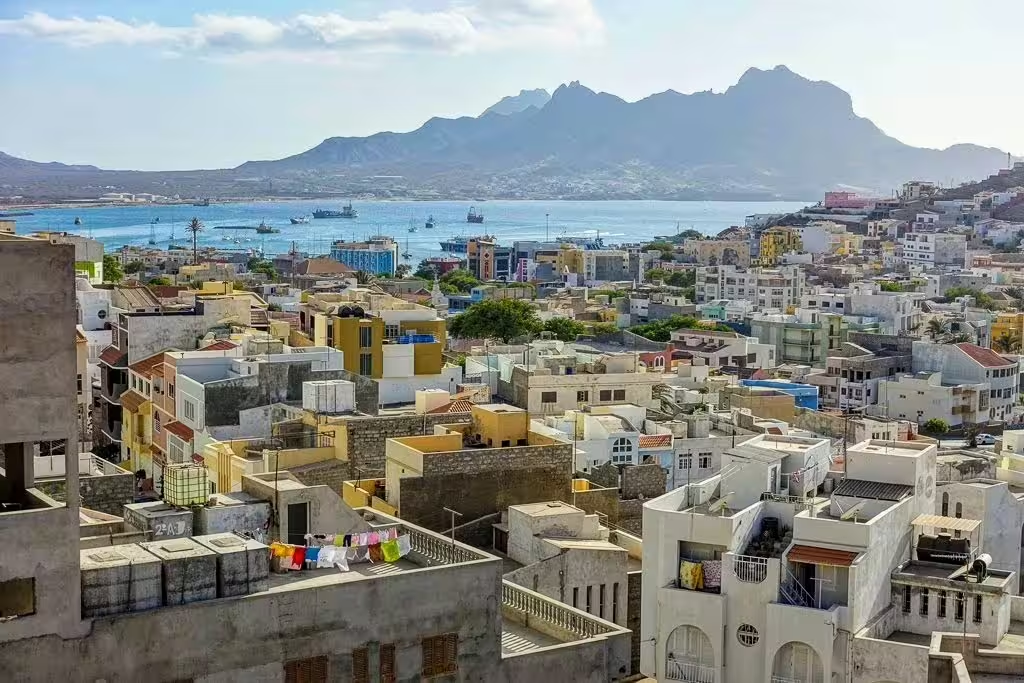
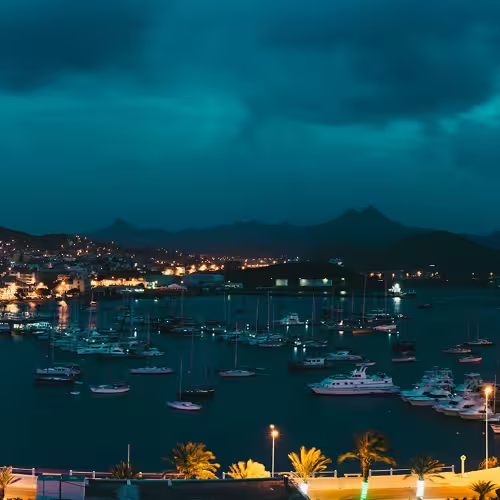
For a walk centred on history, culture and markets, the Mindelo city walking tour lasts 1 hour and 30 minutes with a local guide.
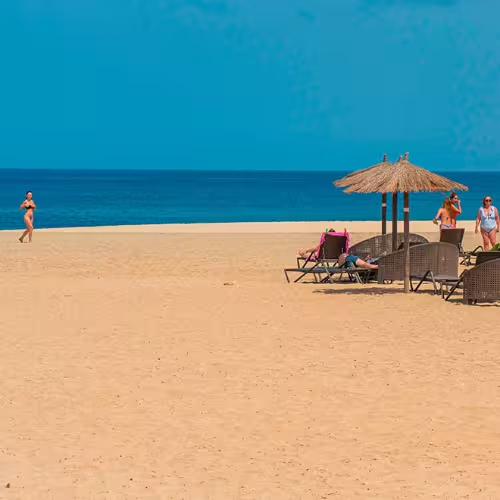
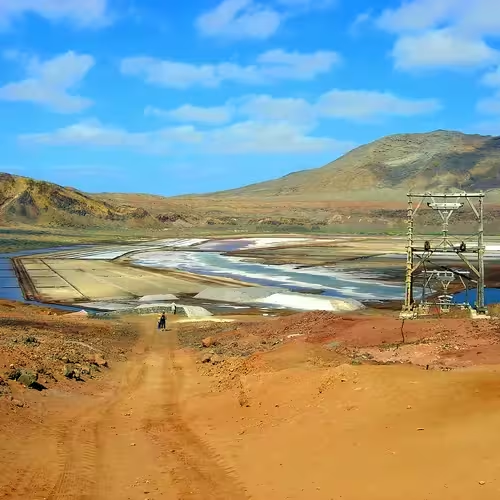
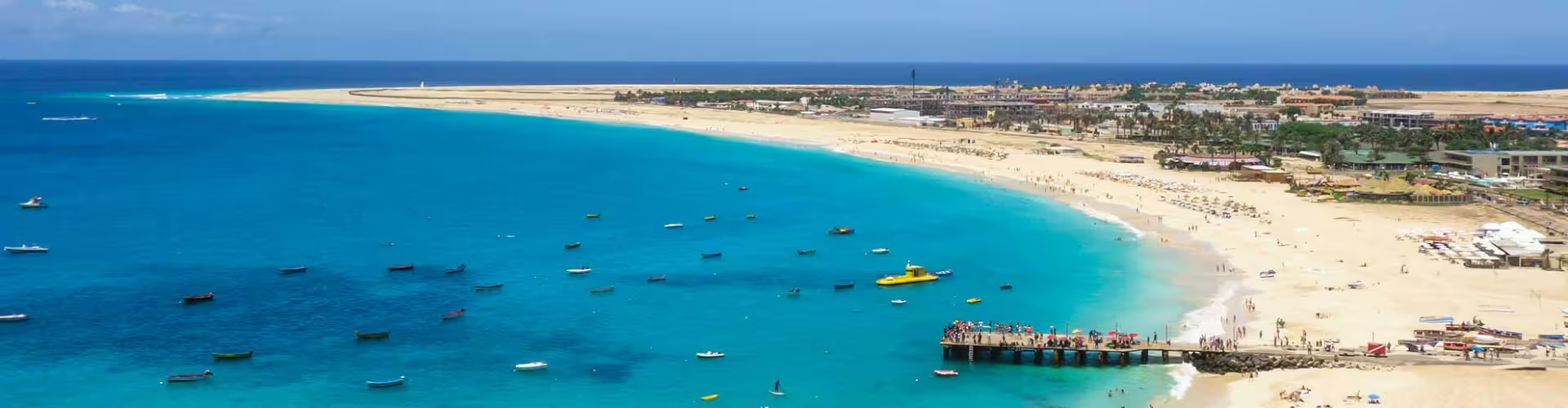
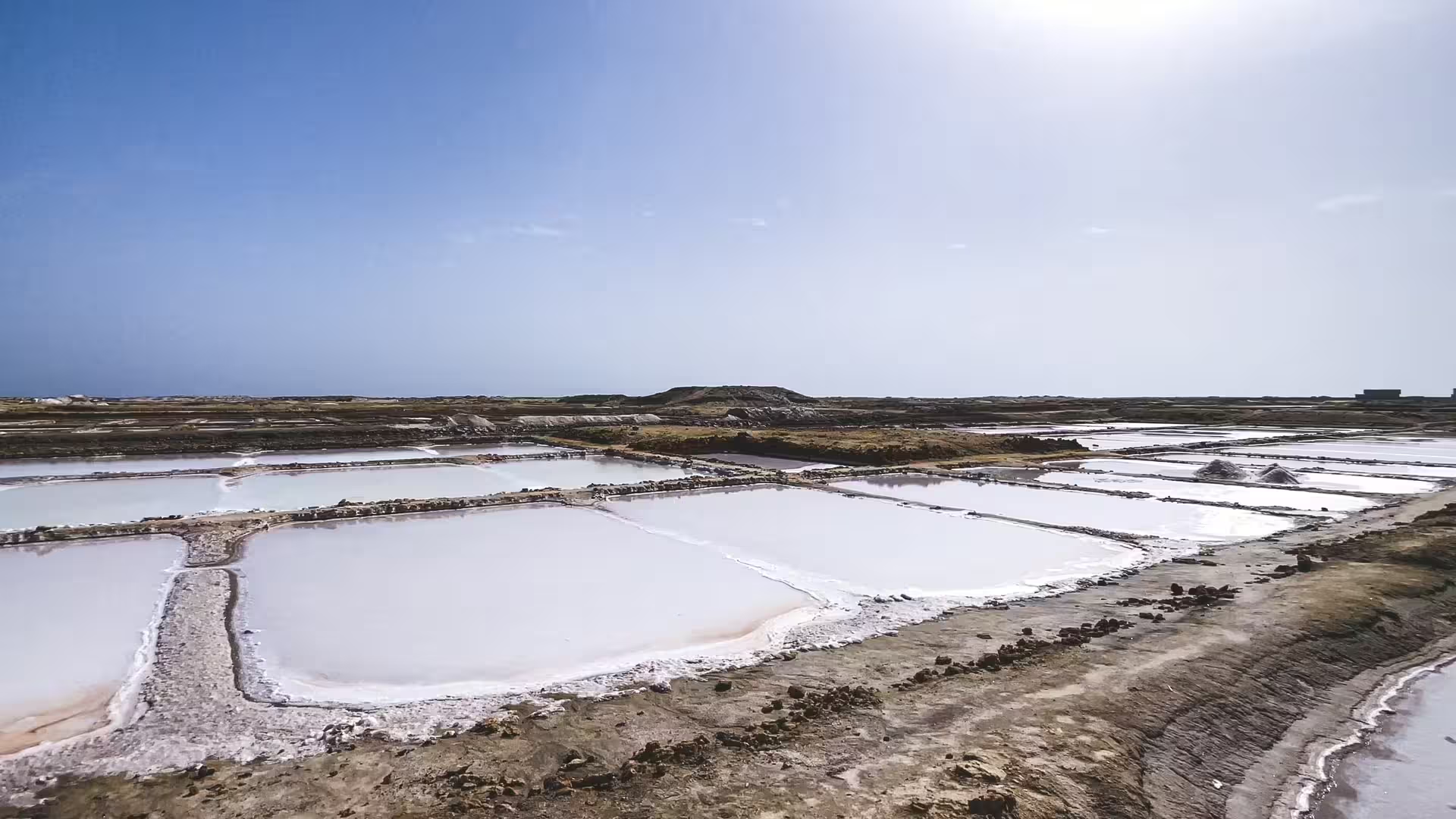
Sal suits an interest in salt pans and geological sights, while Boa Vista offers dunes and a pottery tradition. At Pedra de Lume on Sal, salt pans fill the floor of an extinct volcanic crater, below sea level. Buracona adds a different scene: around midday, sunlight entering its underwater cave gives the water a vivid blue reflection.
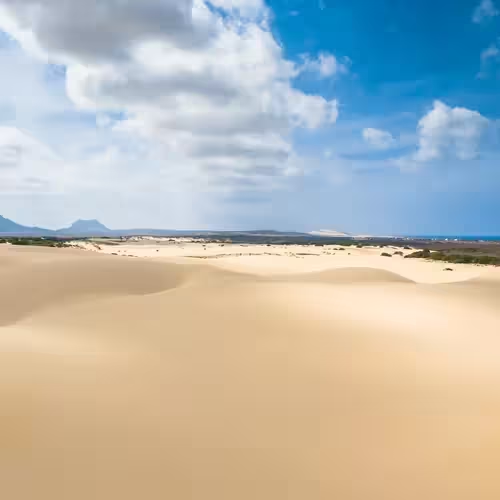
On Boa Vista, the Viana Desert spreads its white dunes across the island's north, while the pottery school keeps clay moulding skills alive. For a full day on Sal, the island tour with lunch and fees included lasts 7 hours and includes a licensed guide and transport.
Three days is a suggested outline for Mindelo, a wider guided excursion and a Santo Antão walk. Day one can centre on the Mindelo walking tour; day two can be devoted to the full-day Mindelo tour of markets, Monte Verde and the coastline, lasting 6 hours with a local guide and air-conditioned transport.
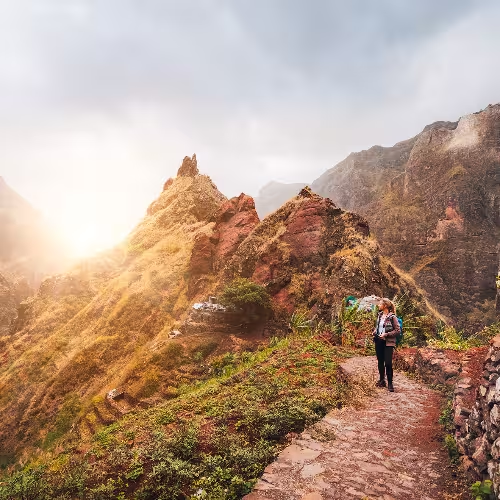
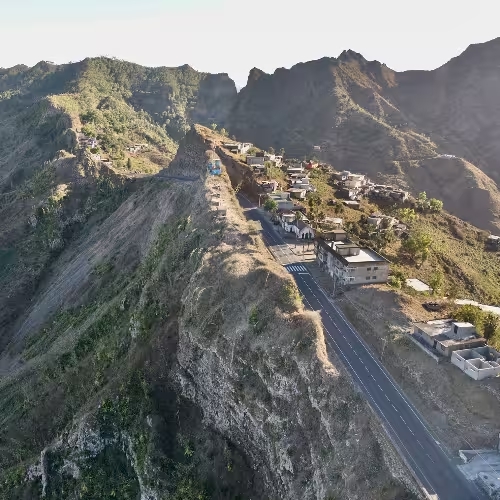
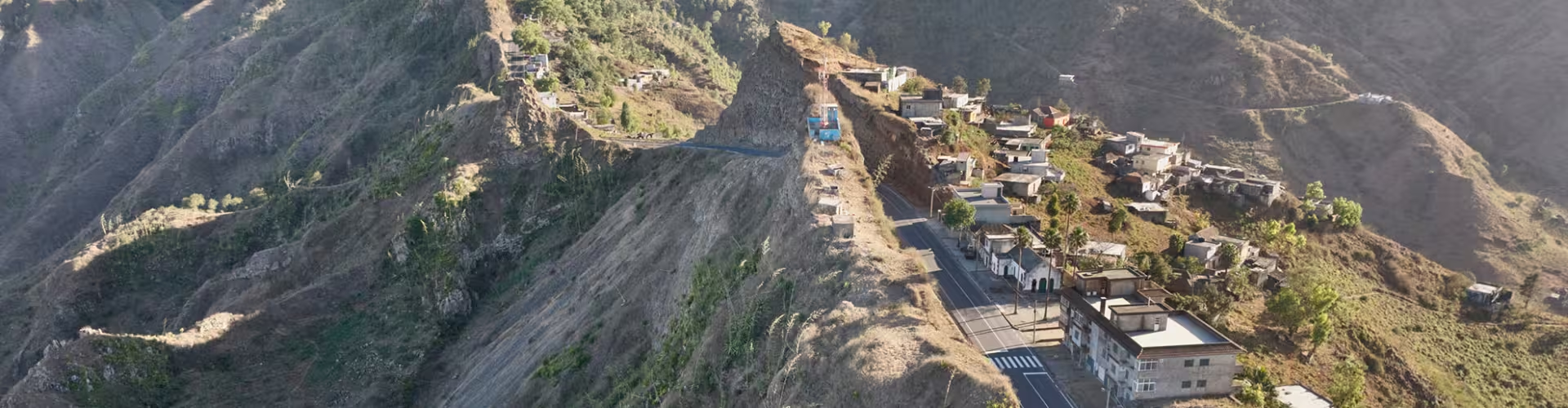
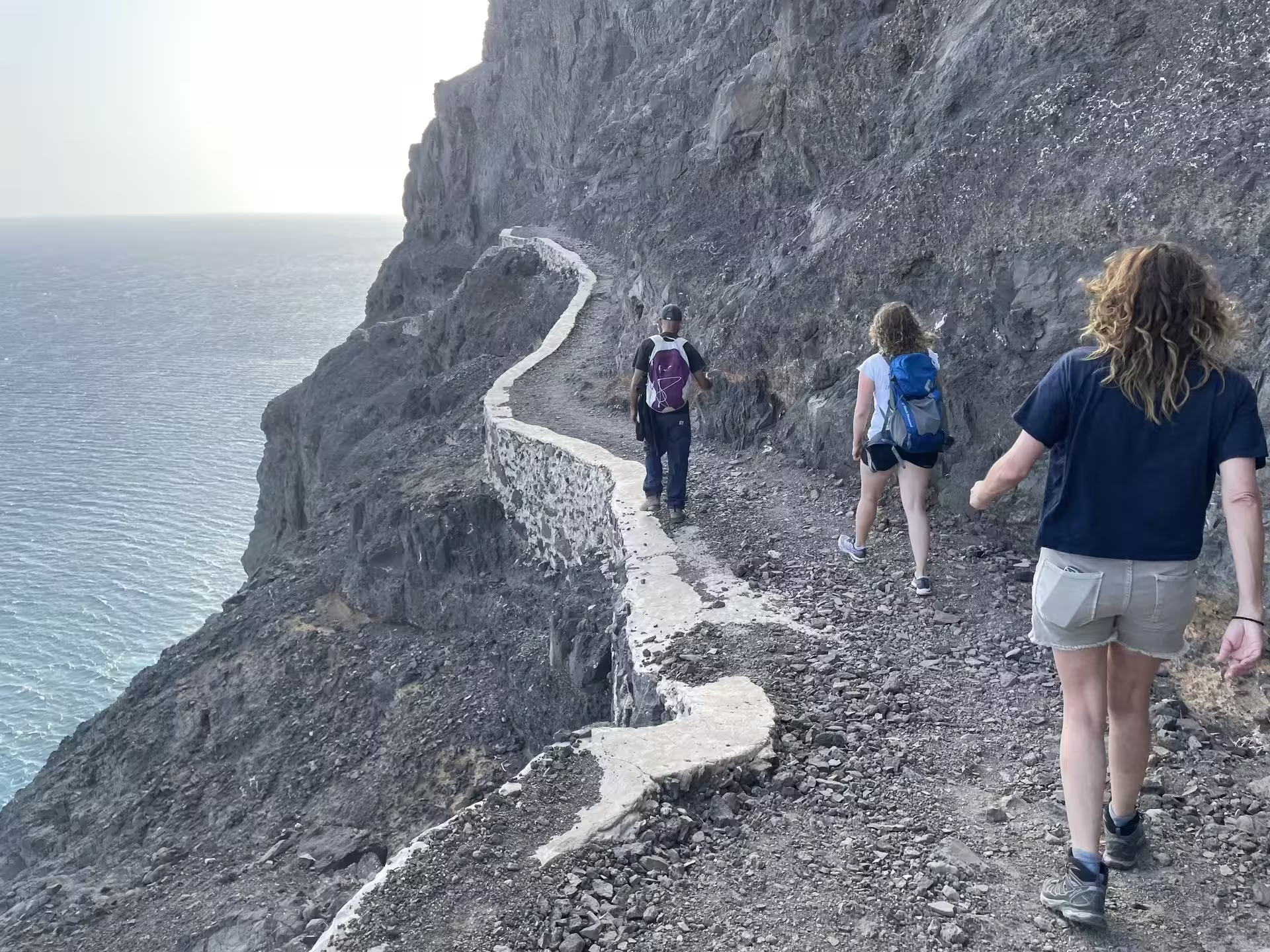
Day three can focus on Santo Antão, where a walking circuit links Cruzinha and Ponta do Sol. The ferry between São Vicente hosts the Baía das Gatas Festival on a full-moon weekend in August.
A festival can give your trip a date to aim for: São Vicente hosts the Baía das Gatas Festival on the first full-moon weekend in August. For a visit to Fogo, the Festas de São João fall in late June. For walking plans, the available climate figures give daytime averages of 24°C to 28°C, without identifying cooler months or rainfall patterns.
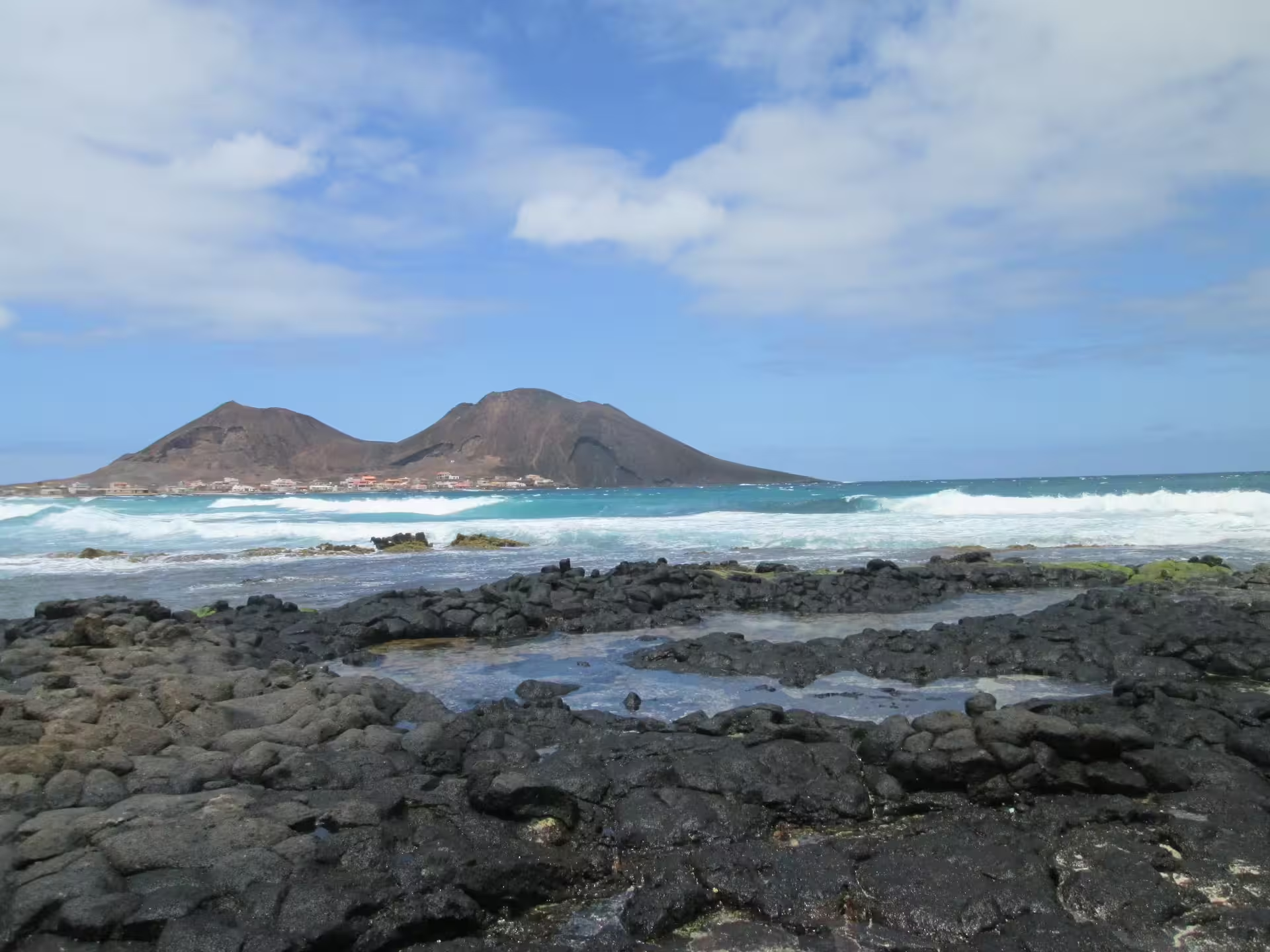
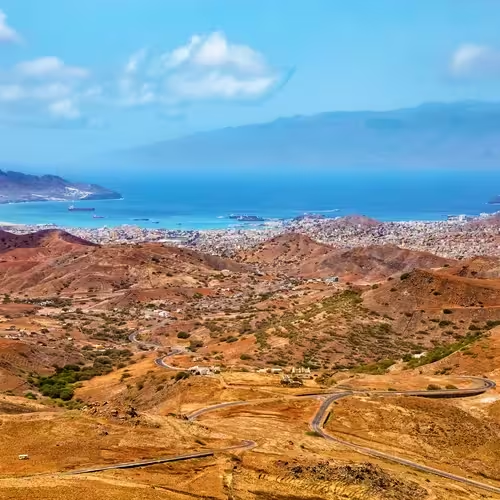
São Vicente and Santo Antão make a pairing for a trip combining guided sightseeing with a coastal walk, linked by their ferry crossing. On São Vicente, the half-day guided tour of São Vicente and Mindelo lasts 4 hours and includes a local guide, a drive to Monte Verde and tea or coffee at its tea house.
Sal and Santiago both have international airports to match to your island plans. Amílcar Cabral International Airport is on Sal, while Praia International Airport on Santiago took the name Nelson Mandela in 2012.
Portuguese has official status; Cape Verdean Creole draws its vocabulary from Portuguese.
Four main versions are recognised: cachupa rica, cachupa de atum, cachupa pobre and cachupa guisada.
Night-time temperatures fall within a range of 21°C to 26°C.
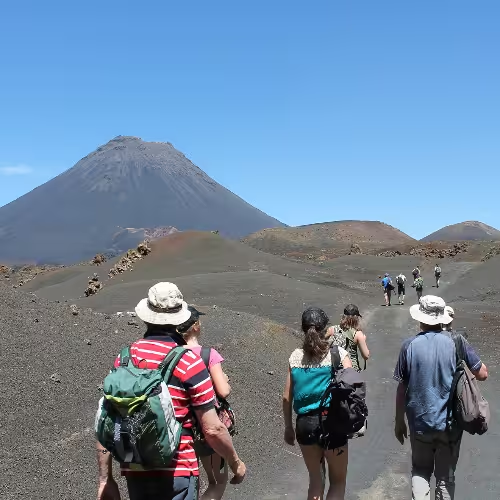
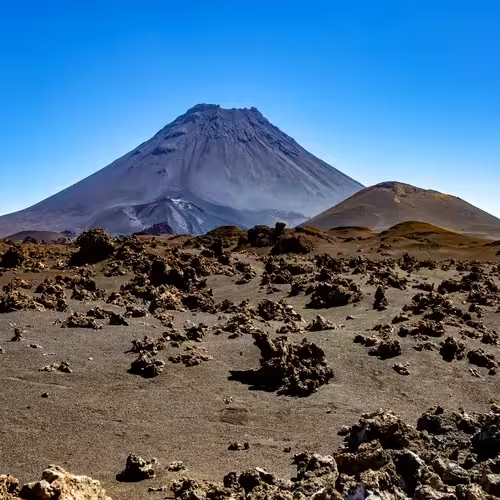
Its elevation reaches 2,829 metres.
24 June is the date of the Kolá San Jon celebration.