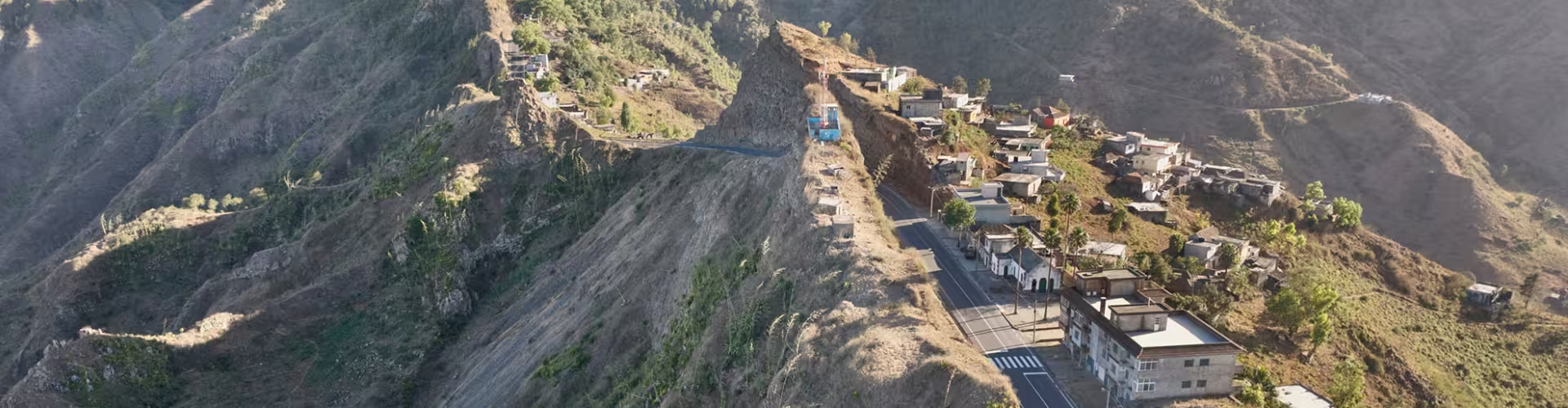
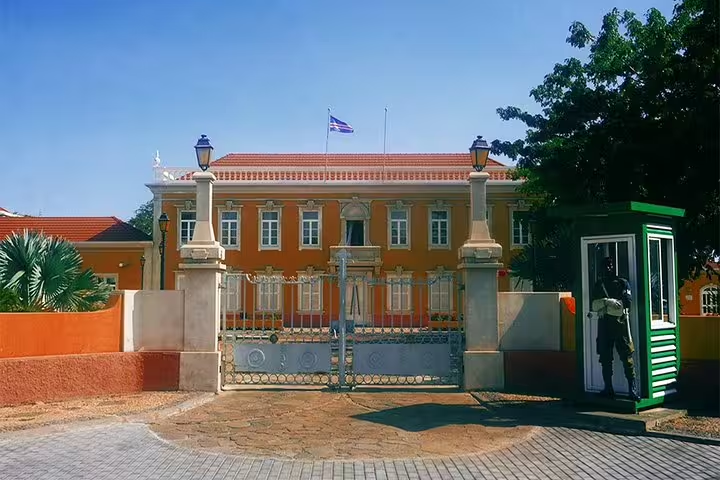
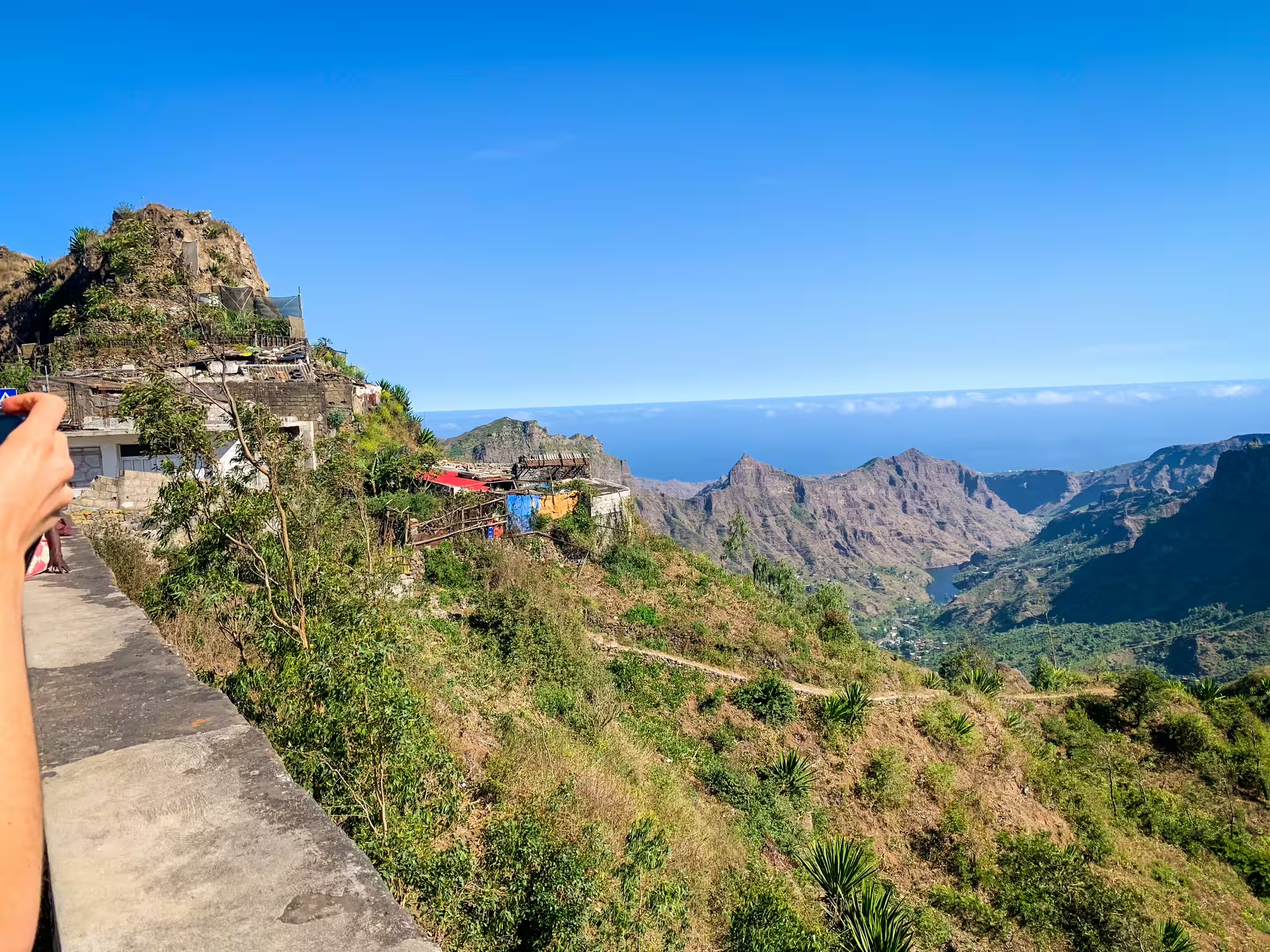
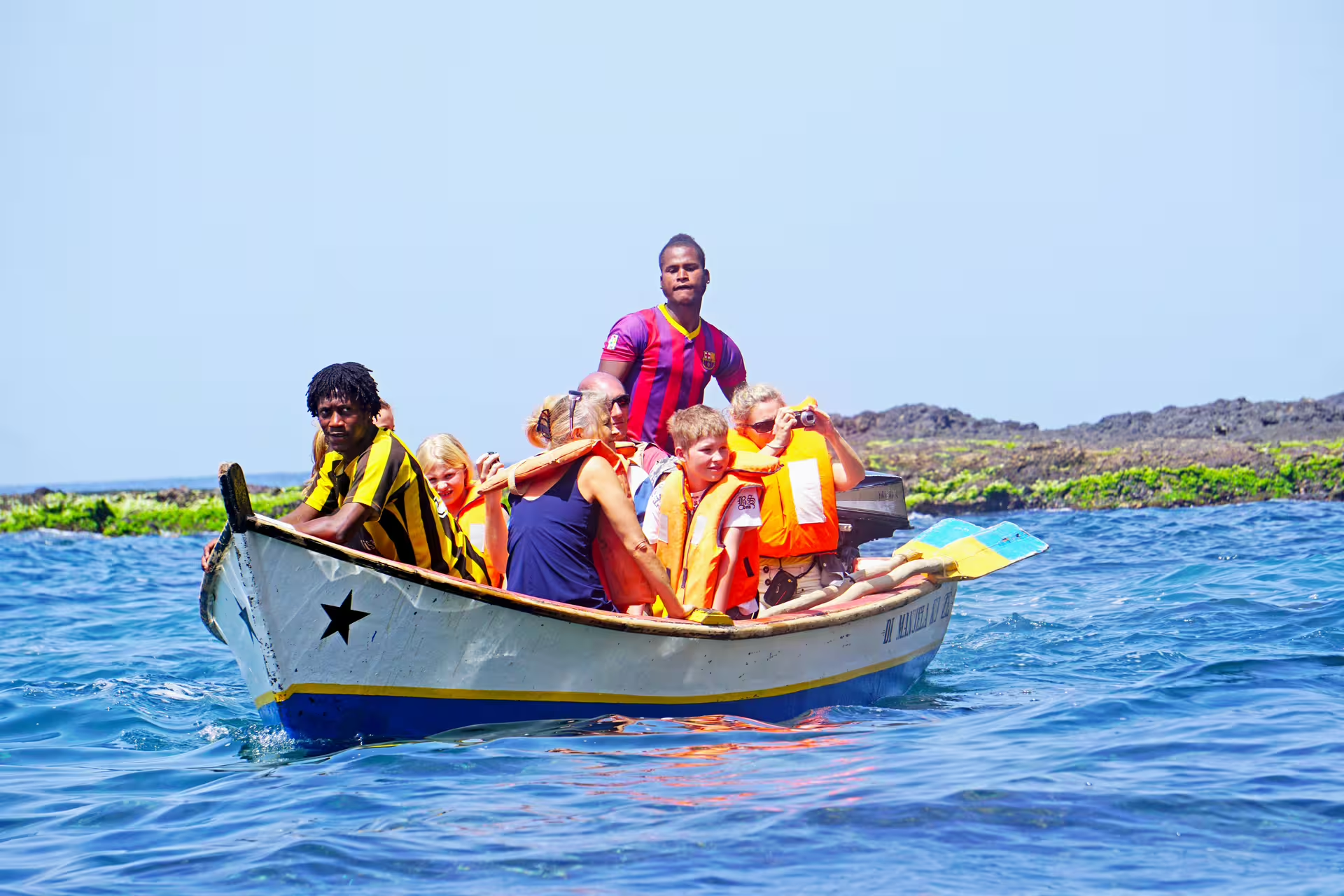
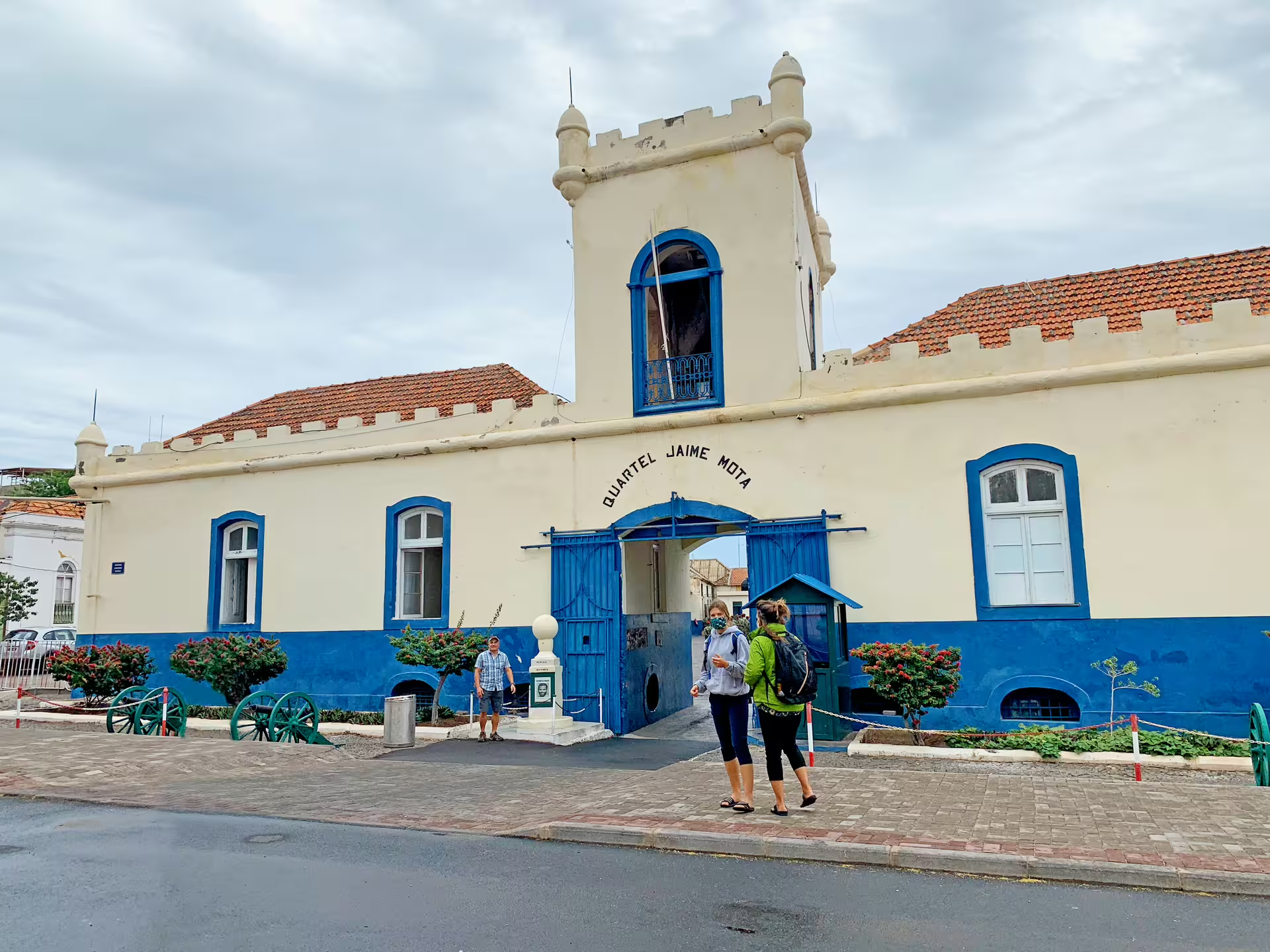
Santiago Island stands as the largest and most populous island in Cabo Verde, located off the coast of West Africa. Home to the vibrant capital Praia and the historic town of Tarrafal, this island blends colonial heritage with Atlantic island culture, offering visitors a distinctive Cape Verdean experience.
What to see in Santiago Island
Visitors should not miss the Museu Arqueológico, which showcases the island's pre-colonial history and archaeological artifacts. The coastal town of Tarrafal features a striking beach and the remnants of a colonial-era fortress, while Praia's Plateau district preserves colorful colonial architecture and narrow cobblestone streets that tell stories of centuries past.
Things to do in Santiago Island
Travelers can explore hiking trails through volcanic landscapes, visit local fishing villages to experience authentic Cape Verdean life, and enjoy water activities along pristine beaches. Day trips to nearby Maio Island and boat excursions around the coast provide opportunities to discover secluded coves and marine biodiversity.
Colonial Heritage and Traditional Culture
Tarrafal remains a significant cultural landmark, historically serving as a political prison during Portuguese colonial rule. Today, the town preserves this legacy while celebrating local traditions, traditional music, and authentic Cape Verdean cuisine that reflects centuries of cultural fusion.
Santiago Island is the largest island in the Cabo Verde archipelago, located approximately 570 kilometers off the coast of West Africa in the Atlantic Ocean. The island is home to Praia, the capital city of Cabo Verde, and the historic town of Tarrafal. Santiago Island's strategic location has made it a significant cultural and economic center in the region, serving as the political and administrative hub of the nation.
Santiago Island is notable for its blend of colonial Portuguese heritage and authentic Cape Verdean culture. The island's most distinctive feature is Tarrafal, a town with significant historical importance due to its role as a colonial-era political prison. Today, Santiago Island attracts visitors interested in exploring African island culture, historical sites, and traditional communities that maintain centuries-old customs and craftsmanship.