Last updated:


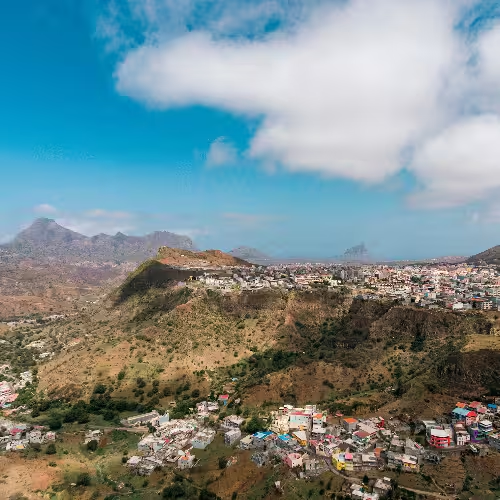
Praia suits a trip that brings together city history and time elsewhere on Santiago. Cape Verde's capital lies in the south of the island and is a focus for the country's political, economic and cultural life.
Plateau is a useful focus for a visit built around architecture and history. Also written Platô, this historic centre has neoclassical buildings. Praia's historic centre has been on the UNESCO tentative list in its current form since 2016.
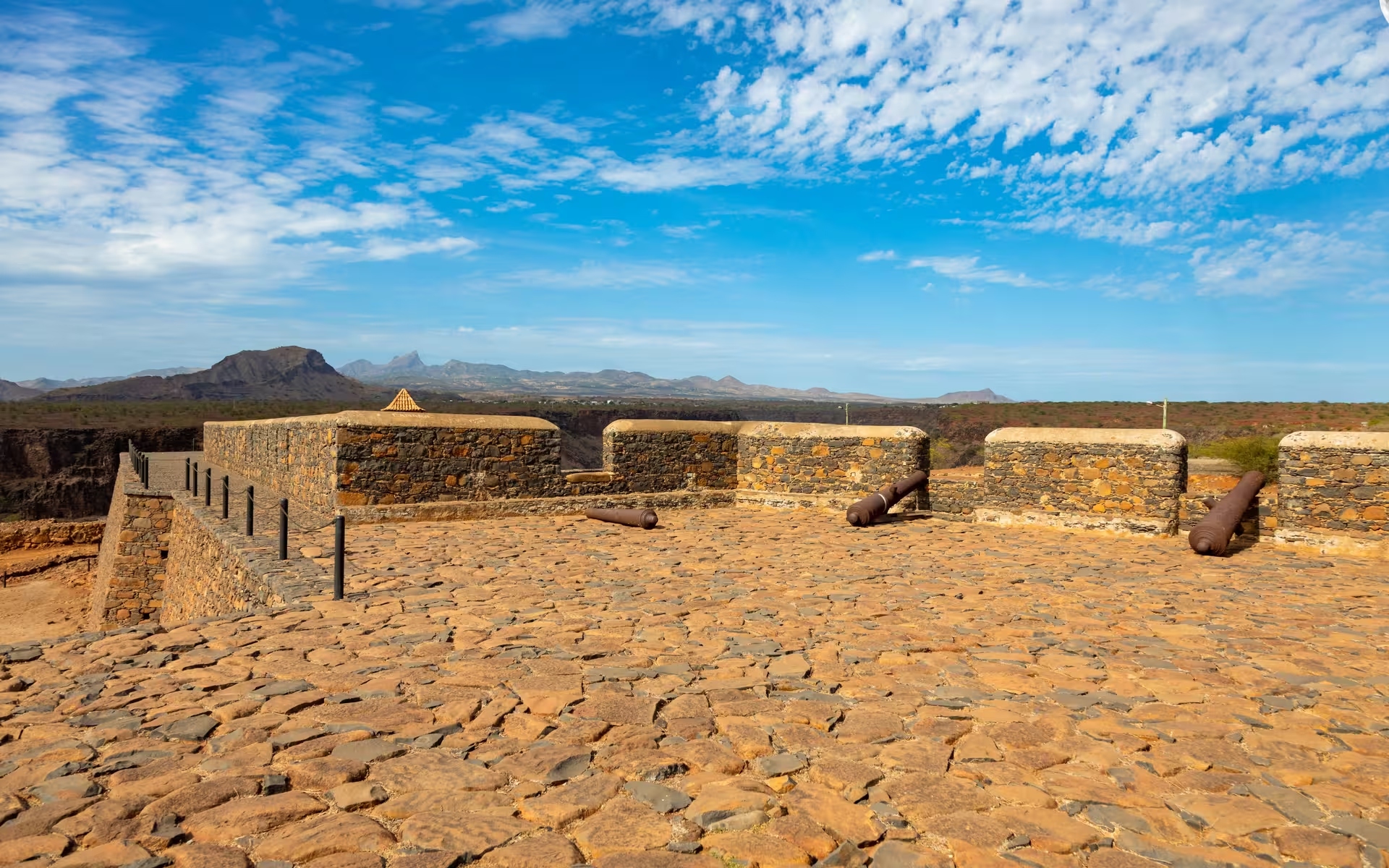
The Presidential Palace offers a link to the colonial period: it was built towards the end of the 19th century as a residence for the Portuguese governor. The Jaime Mota Barracks date to 1826, while the Museu Etnográfico, the city's Ethnographic Museum, was established in 1997.
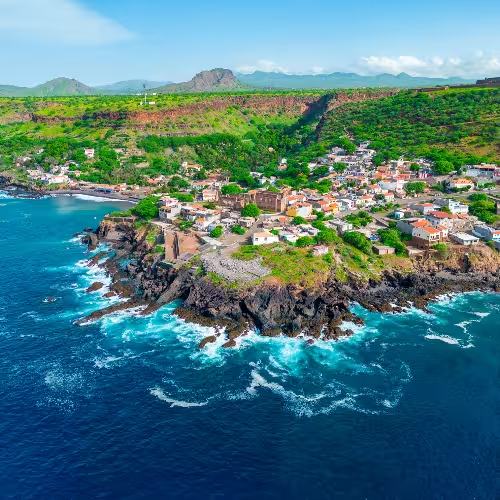
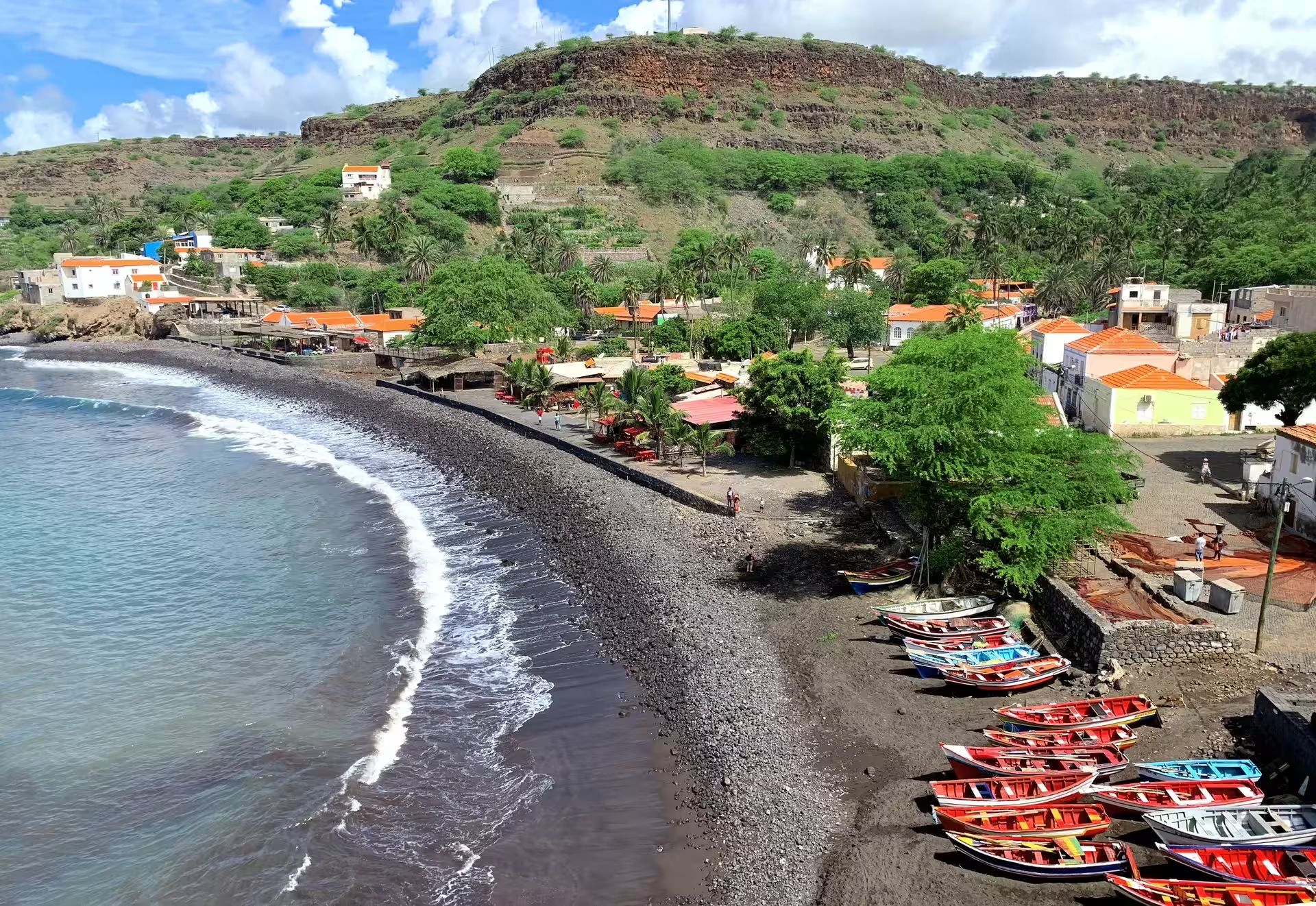
For a change from historic buildings, make room for the coast. Gamboa is both a beach and its surrounding district, with an annual music festival associated with the beach. Santa Maria beach faces an offshore islet that shares its name.
Two days are a reasonable plan for Praia and a Santiago excursion: devote one to Plateau, the Presidential Palace and Museu Etnográfico, then another to Cidade Velha and Tarrafal Beach. This is a suggested itinerary, with the excursion taking 10 hours.
The guided tour of Cidade Velha and Tarrafal Beach on Santiago lasts 10 hours and includes a professional local guide, a guided walk in Cidade Velha, a cooking workshop with a local family, restaurant lunch and vehicle transport.
Cidade Velha adds the story of Santiago before Praia became the capital. Previously named Ribeira Grande, Cidade Velha was later overtaken in importance by Praia, which became the national capital in 1770.
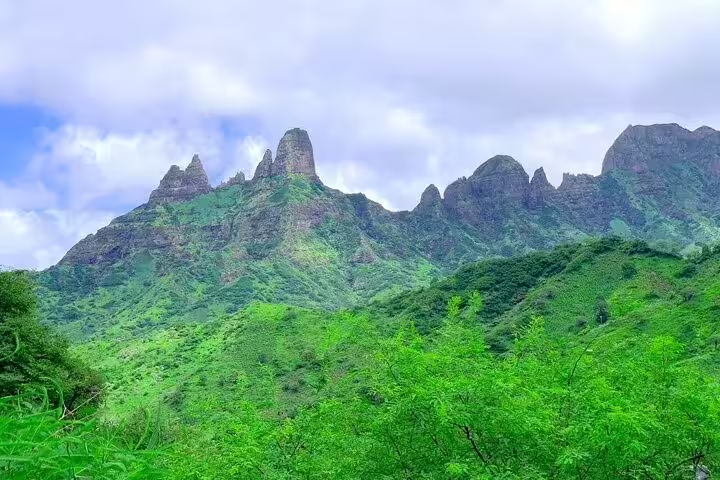
An island tour suits a full day, while a plantation and cooking outing fits a shorter part of your visit. The guided Santiago island tour with Tarrafal Beach takes 8 hours and includes a local guide, a traditional cooking workshop, cuscuz and fidjós at a breakfast tasting, a guided Assomada market visit, Serra Malagueta Natural Park, lunch near Tarrafal and east coast stops at Calheta and Santa Cruz.
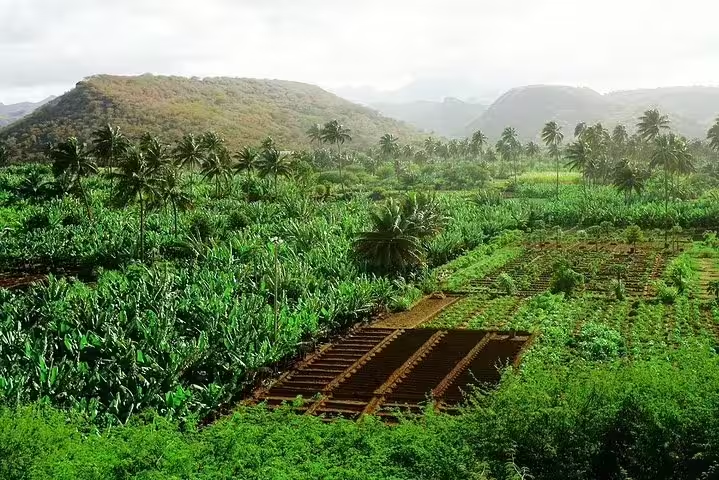
For a shorter outing, the Santiago plantation tour and cooking class with locals lasts 4 hours, including a guided banana and coconut plantation walk, a cooking workshop with a family in Orgãos, tasting the prepared dishes and a local guide throughout.
For plantations and rum, the Cape Verde plantation day trip with banana, coconut and local rum lasts 5 hours and 30 minutes, including public bus transport, a local guide, plantation entry, coconut water tasting, a botanical garden visit, a distillery visit with sugar cane juice and Pontxi tasting, rum museum entry and a shared cuscuz meal with locals.
The dry season is a sensible choice for walking and sightseeing if avoiding rain matters to you. Praia's desert climate has a long dry season and a short wet season, usually from August to October, with roughly 180 to 260 mm of rain in an average year. Temperatures stay fairly steady through the year, with average daily highs of about 29 °C; its coastal setting moderates extremes of heat and cold.
Plan arrivals around the airport or ferry terminal, and allow for changes in level when organising city sightseeing. Nelson Mandela International Airport is approximately 3 km northeast of the centre, while the ferry terminal at Praia Harbor connects with other islands. Praia spreads across plateaus and surrounding valleys, with buildings concentrated on the plateaus and along the valleys.
Two days allow for the suggested plan: Plateau, the Presidential Palace and Museu Etnográfico on one day, then Cidade Velha and Tarrafal Beach on another.
The dry season suits sightseeing if you want to avoid rain; Praia's desert climate has a long dry season and a short wet season, usually from August to October, with roughly 180 to 260 mm of rain in an average year. Temperatures stay fairly steady through the year, with average daily highs of about 29 °C.
By air through Nelson Mandela International Airport, or by ferry via Praia Harbor, which links with other islands.
Cidade Velha and Tarrafal Beach can fill a day, while the plantation and cooking outing takes 4 hours.
Plateau, the Presidential Palace, Jaime Mota Barracks and Museu Etnográfico give a history-focused visit its shape.