Tarrafal, Cape Verde: what to see and do
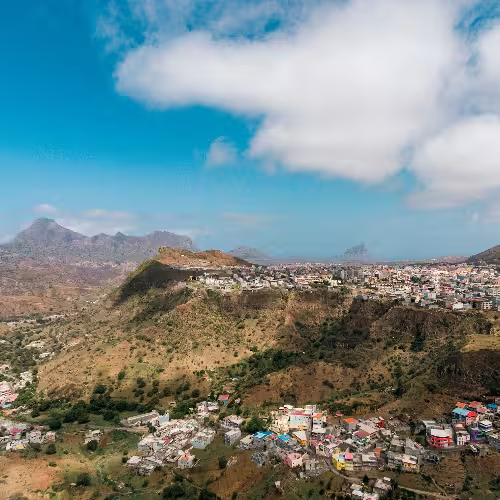
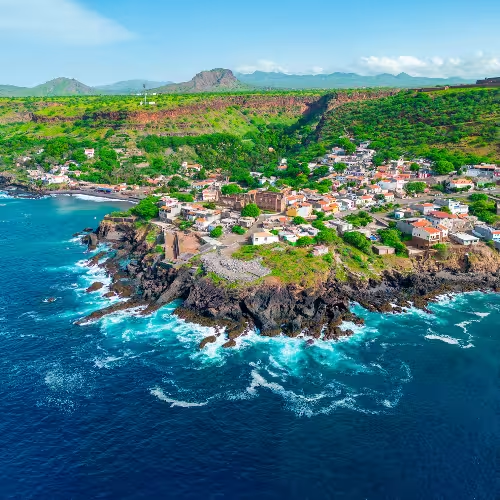
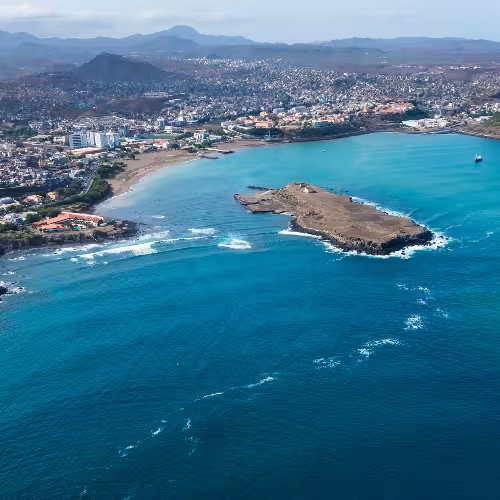
Tarrafal sits at the northern end of Santiago, an island in the Cape Verde archipelago. Santiago covers 991 square kilometres, while the archipelago itself lies in the Atlantic Ocean. Cape Verde consists of 10 islands, nine of them inhabited, together with five islets arranged in two groups. The former Tarrafal concentration camp is in Chão Bom, on Santiago, and now houses the Museu da Resistência.
Things to do in Tarrafal
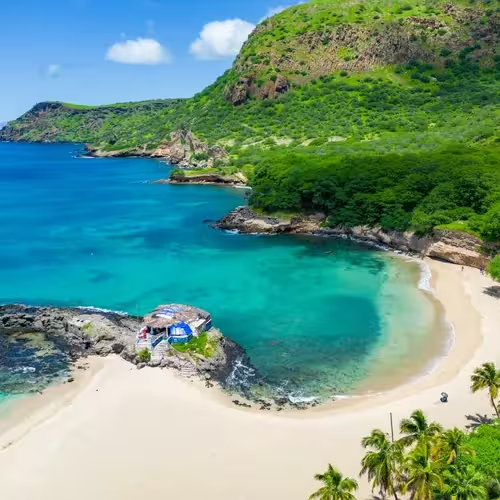
The Tarrafal Beach boat tour with snorkelling, a lighthouse and a BBQ lunch lasts 8 hours. It includes return transport by road, a boat trip to Ponta Preta lighthouse, snorkelling equipment and a BBQ lunch on the beach. A guide accompanies the tour throughout the day.
Tarrafal on Santiago
Between the municipalities of Tarrafal and Santa Catarina, Serra Malagueta Natural Park has rugged mountain terrain rising above 1,000 metres. Cliffs and rocky outcrops in the park provide nesting places for the Cape Verde swift. At Serra Malagueta, the main rainy season falls between August and October, with the dry season extending from November through June.
The former camp and its history
Construction of the camp at Chão Bom took place in 1936; its initial intake of 152 political prisoners arrived on 29 October that year. In 1962, it reopened as the Campo de Trabalho de Chão Bom, holding anticolonial activists from Angola, Guinea-Bissau and Cape Verde. Across its history, the camp held more than 500 prisoners, including 340 anti-fascists and 230 anti-colonial activists. Cape Verde became independent peacefully in 1975, after the revolution in Portugal the previous year.
The former camp has been on Cabo Verde's UNESCO World Heritage tentative list since 2004 and was recognised as national heritage of Cape Verde in 2006. Restoration work in 2020 was funded by the Cape Verdean state. Dozens of prisoners died in the camp. The Museu da Resistência occupies the former camp.
Elsewhere on Santiago
Cidade Velha took its present name in the late 18th century. Its surviving heritage includes two churches, a royal fortress and Pillory Square, where a decorated marble pillar dates from the 16th century. On the western side of Santiago, sections of the cliffs at Baía do Inferno reach more than 400 metres.
Cape Verdean music and food
The group Bulimundo helped bring funaná recognition within Cape Verde and internationally during the 1970s and 1980s. Morna, inscribed by UNESCO in 2019 as intangible heritage, is associated with Cesária Évora. Cape Verde's national dish, cachupa, uses white and yellow corn resembling hominy. The corn is boiled for hours, and beans, including varieties such as lima beans, are added.
Frequently asked questions
Where is Tarrafal in Cape Verde?
Tarrafal sits at the northern end of Santiago, an island in the Cape Verde archipelago.
What does the Tarrafal Beach boat tour include?
It includes return transport by road, a boat trip to Ponta Preta lighthouse, snorkelling equipment and a BBQ lunch on the beach. A guide accompanies the tour throughout the day.
Where is Serra Malagueta Natural Park?
Between the municipalities of Tarrafal and Santa Catarina, Serra Malagueta Natural Park has rugged mountain terrain rising above 1,000 metres.
Does the former Tarrafal camp have heritage status?
The former camp has been on Cabo Verde's UNESCO World Heritage tentative list since 2004 and was recognised as national heritage of Cape Verde in 2006.
What is cachupa made from?
Cape Verde's national dish, cachupa, uses white and yellow corn resembling hominy. The corn is boiled for hours, and beans, including varieties such as lima beans, are added.