Last updated:


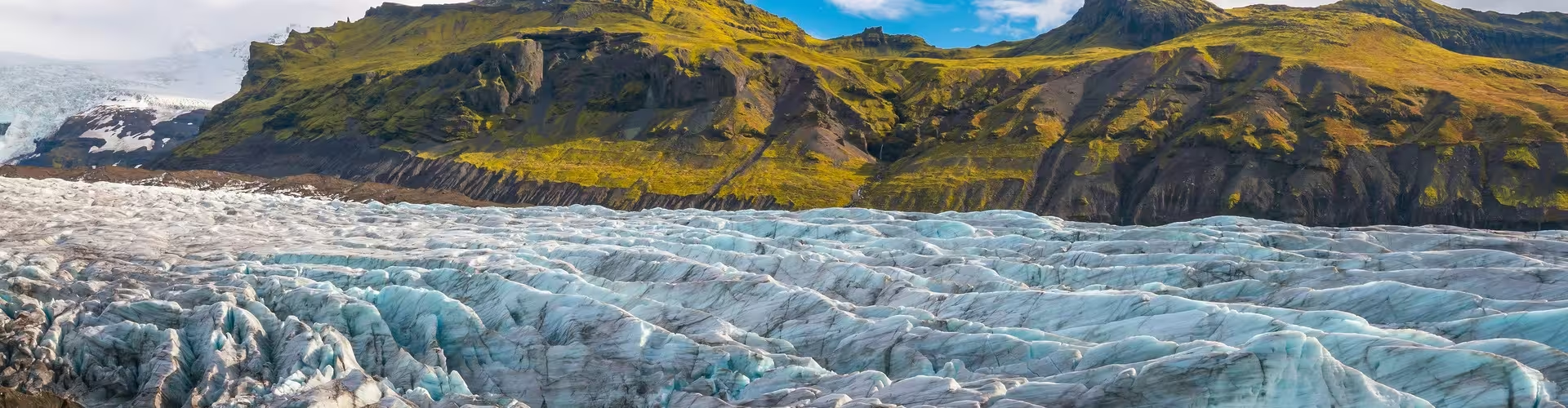
Höfn makes sense as a base for a trip combining town life and glacier scenery. Its peninsula setting in southeastern Iceland puts it near Hornafjörður fjord, with views towards Vatnajökull. Fishing and tourism underpin the town, so there is a reason to spend time here as well as exploring beyond it.
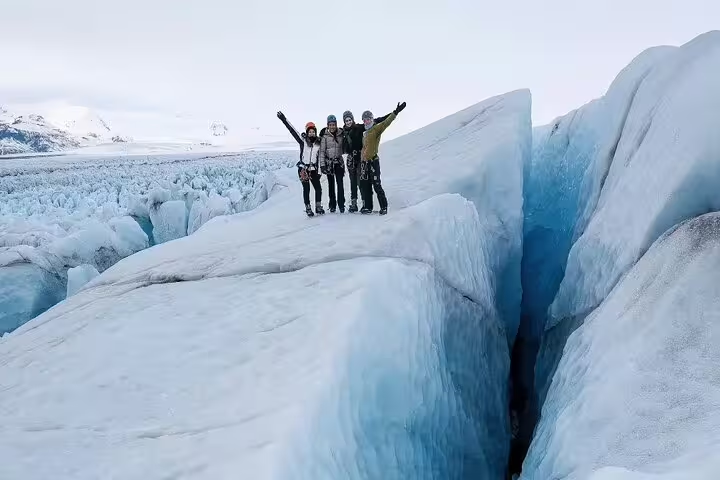
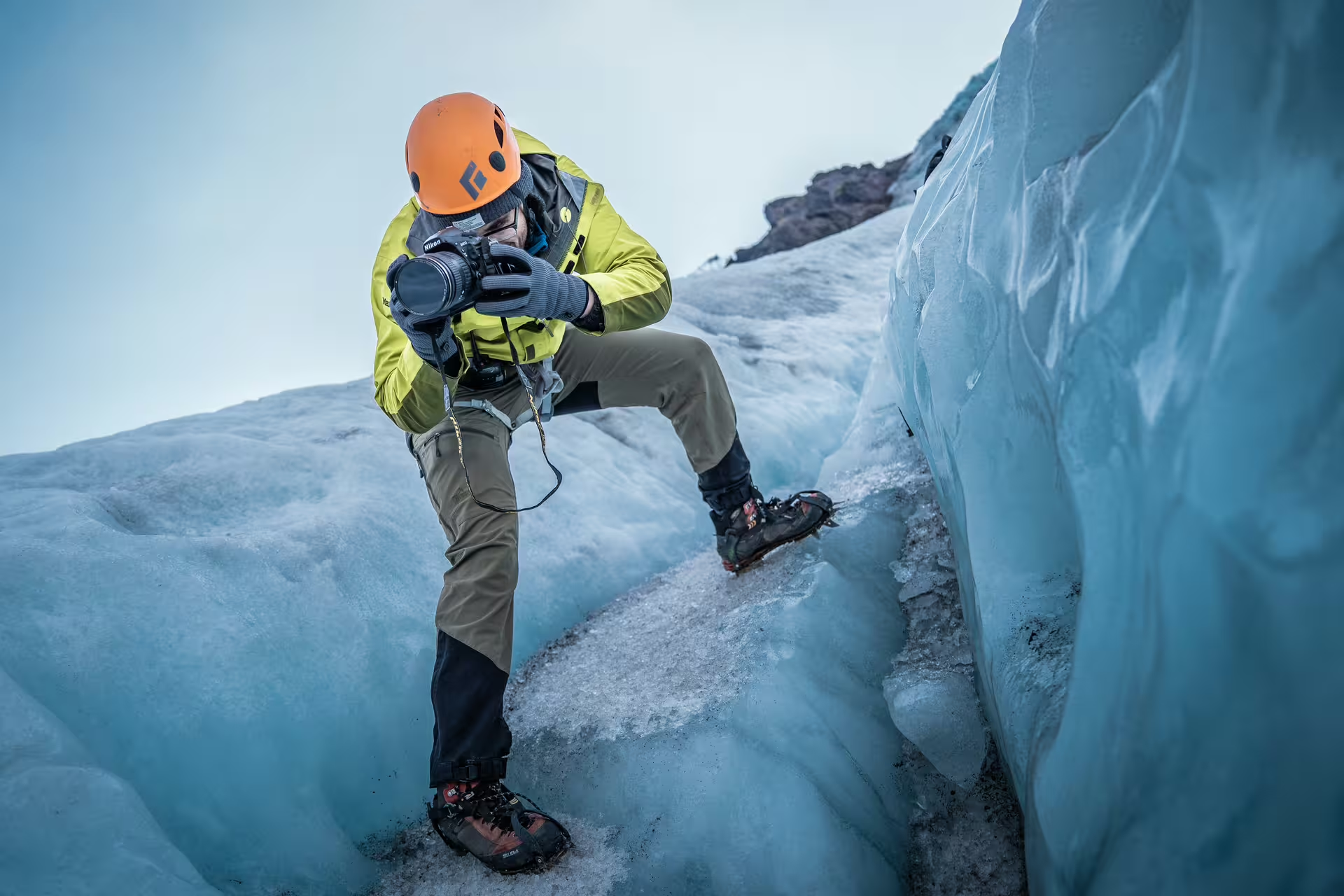
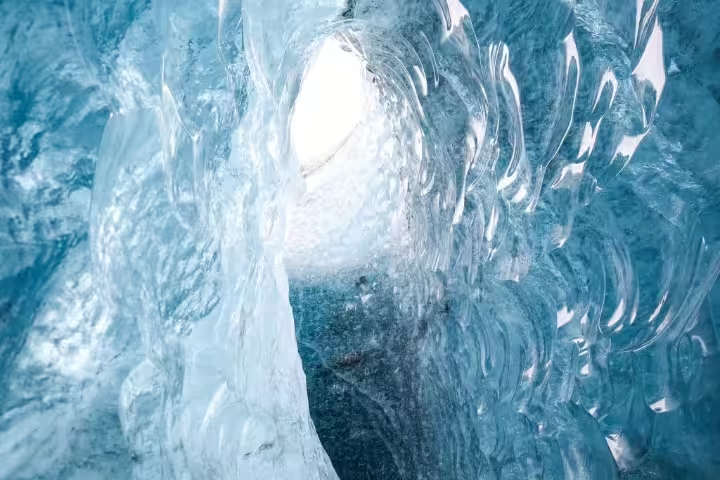
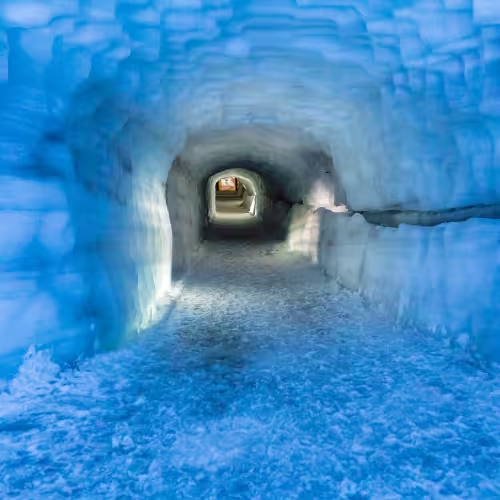
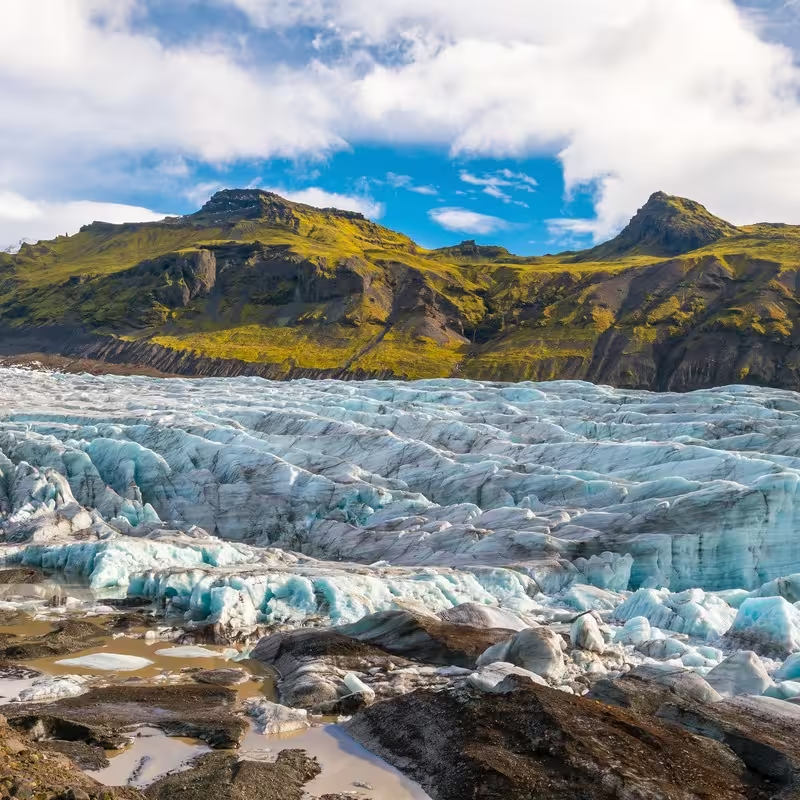
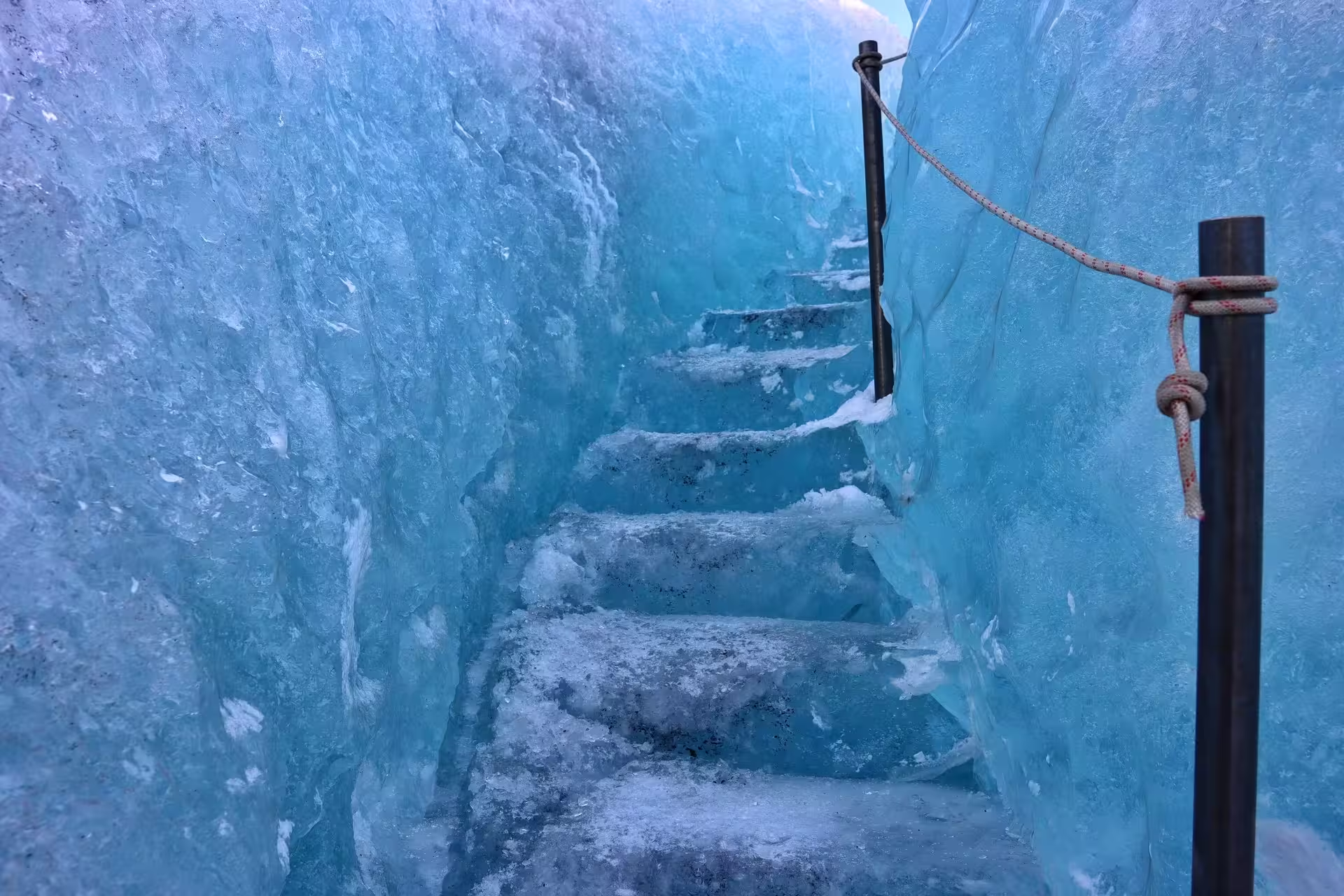
A 3-hour ice cave tour fits a plan focused on glacier exploration. The guided blue ice cave tour on a glacier in Iceland lasts 3 hours and includes travel to the glacier and back in a modified vehicle, cave entry, a safety helmet, glacier-walking crampons and an expert local guide throughout.
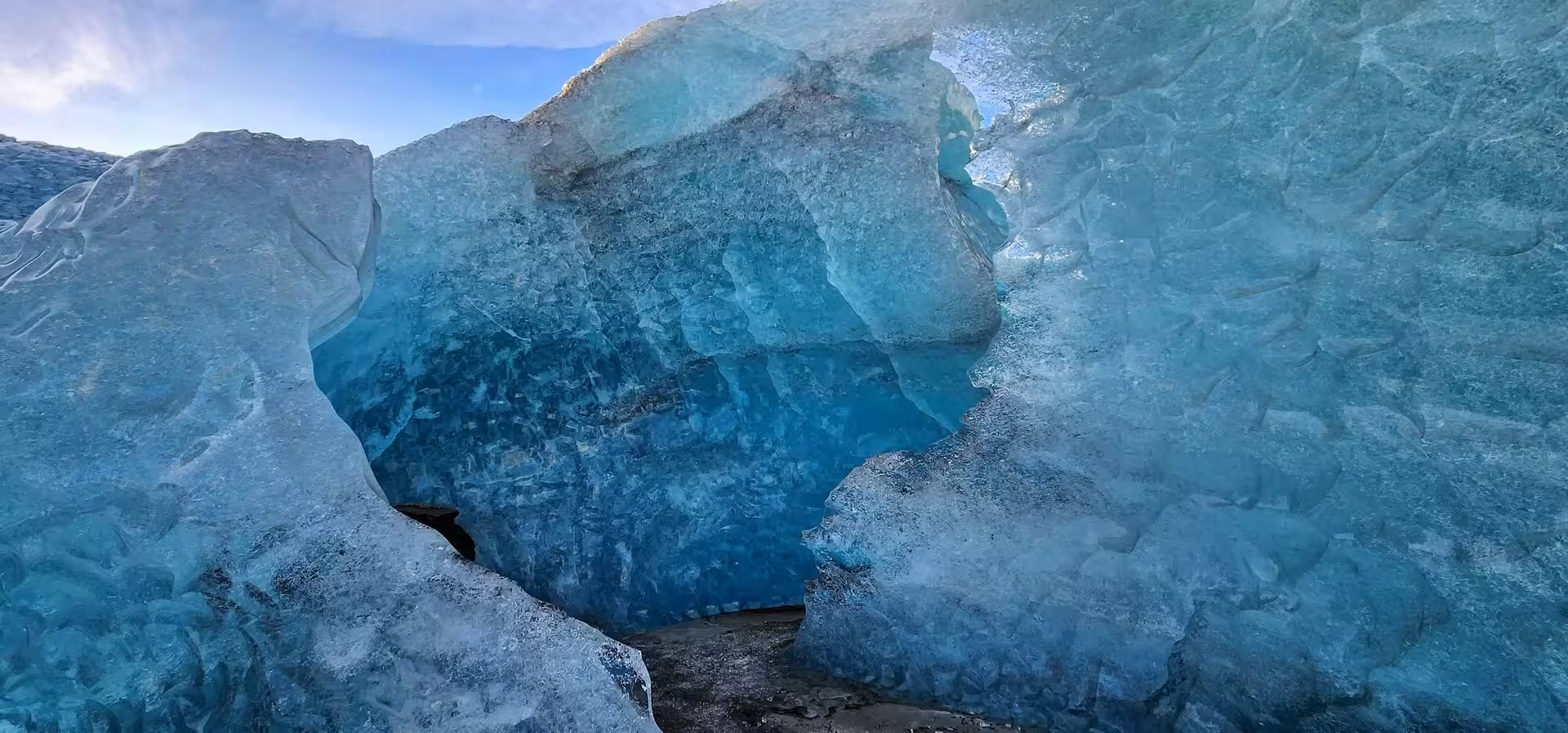
The private blue ice cave tour in Iceland with glacier exploration also lasts 3 hours. It includes Super Jeep transport to the glacier and back, an experienced local guide throughout, a safety helmet, glacier-walking crampons and commentary on glaciology and the environment.
A town visit can centre on the regional exhibition and local food. Gamlabúð, one of the oldest buildings in Höfn, houses an exhibition about the region's geology, glaciers and culture. For a meal connected to the area, Icelandic langoustine is a local speciality.
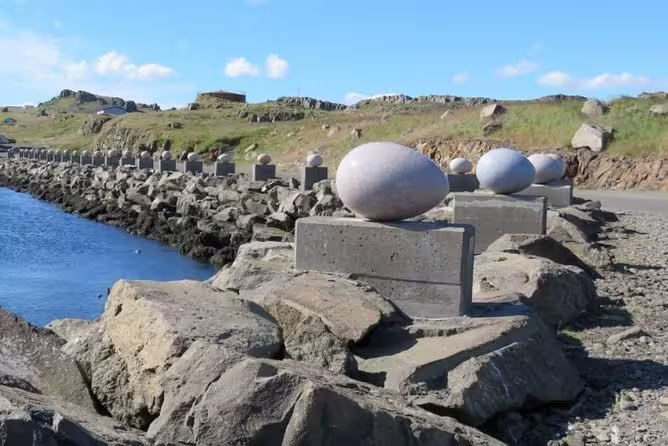
The harbour helps explain that food connection: the name Höfn translates as harbour, and the town's largest fish factory produces saltfish and processed lobster. Nearby Stokksnes adds a headland to the places you could include around town.
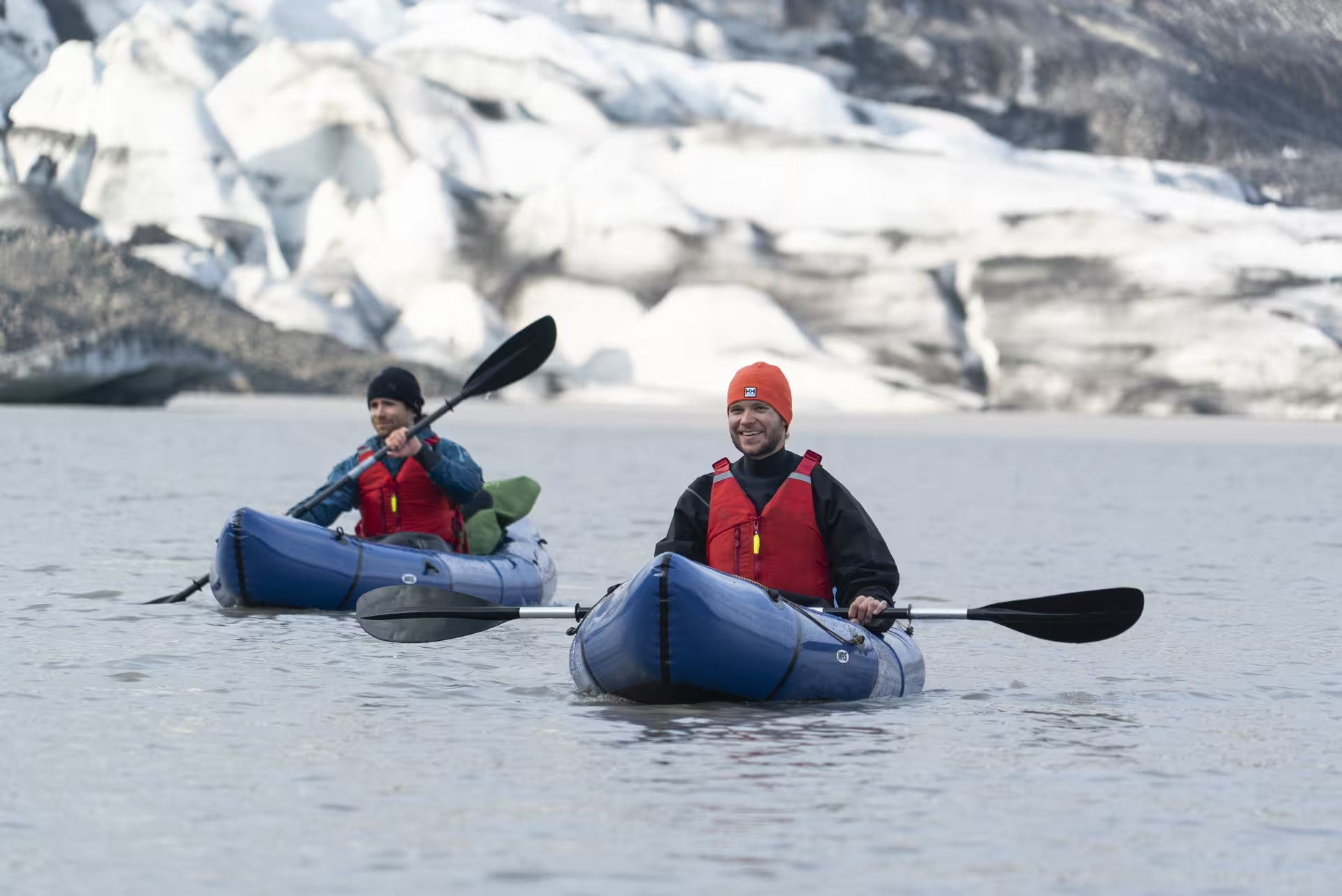
Jökulsárlón is a practical day-trip idea from Höfn, at 75 km to the west. This large glacial lake occupies the southern part of Vatnajökull National Park. It comes into view from Route 1 on the stretch between Höfn and Skaftafell, making it a logical stop on that route.
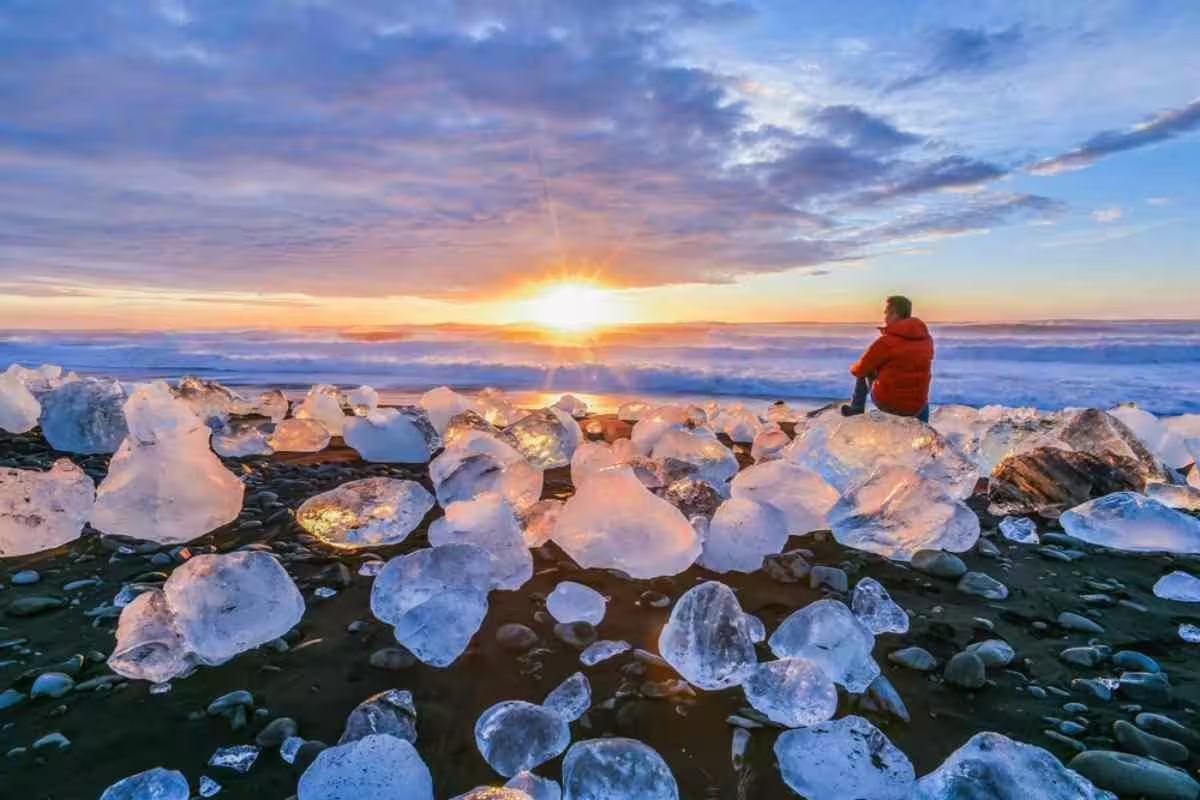
Two days are a reasonable plan for Höfn and the lagoon: spend the first on Gamlabúð and local langoustine, then devote the second to Jökulsárlón. That separates time in town from a trip to the glacial lake.
The full-day tour of Iceland's south coast and glacier lagoon lasts 14 hours. It includes transport throughout the day in a sedan, SUV or van according to the booking, a professional guide throughout, access at the main stops and an itinerary adjusted to weather and road conditions.
Summer suits a trip built around organised glacier excursions, while late June or early July suits a visit for Humarhátíð. Trips to nearby Vatnajökull operate during the summer tourist season, and the lobster festival is held each year around the end of June, so check the dates before you travel. For walking, expect cool summer days, with daytime highs near 12 °C; winter daytime temperatures are usually just above freezing. With around 1,450 mm of precipitation annually and about 180 days recording precipitation, allowing flexibility for wet weather makes sense.
Route 1 provides a road link for a visit combining Höfn and Jökulsárlón. The Ring Road circles Iceland through Höfn, and the south-coast route from Reykjavík covers approximately 458 km. Flying is another option: Höfn Airport, 4 km outside town, has scheduled connections with Reykjavík.
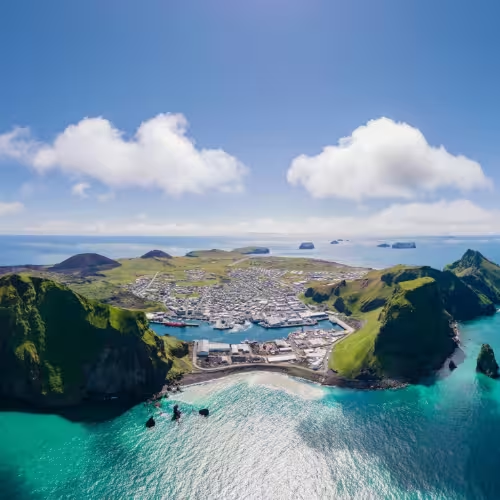
There are several small islands off the eastern side of Höfn.
Höfn's climate is classed as borderline subarctic.
The port entrance channel has a minimum depth of 6 to 7 metres. Shifting shoals mean boats need to navigate carefully.