Last updated:


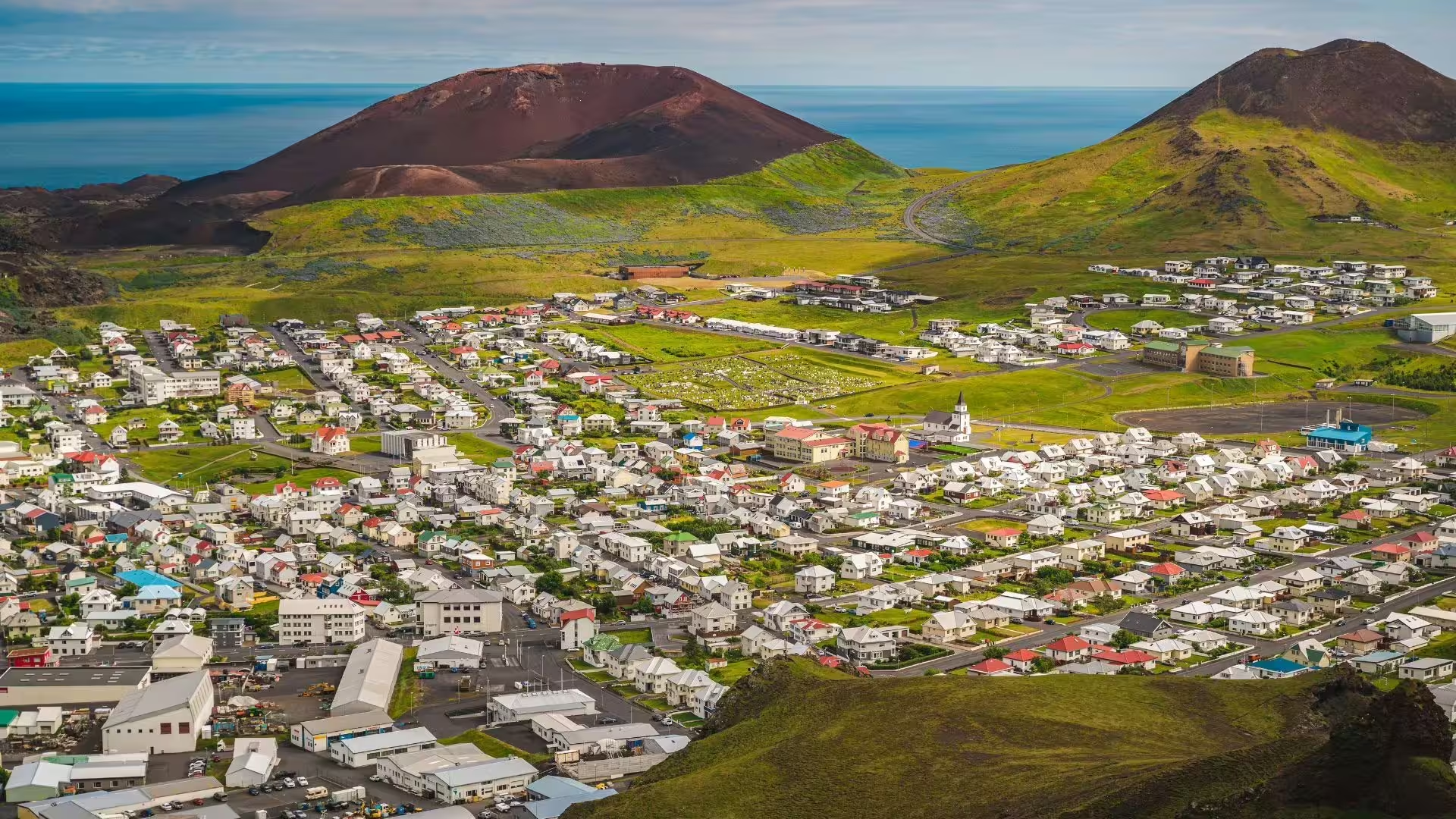
Heimaey is the place to focus a visit to Vestmannaeyjar: it is the only island in the group with a resident population. Around it, the archipelago brings together around 15 islands and about 30 skerries and rock stacks. A trip can centre on volcanic history, with Eldfell on Heimaey and the protected volcanic island of Surtsey offering different stories to explore.
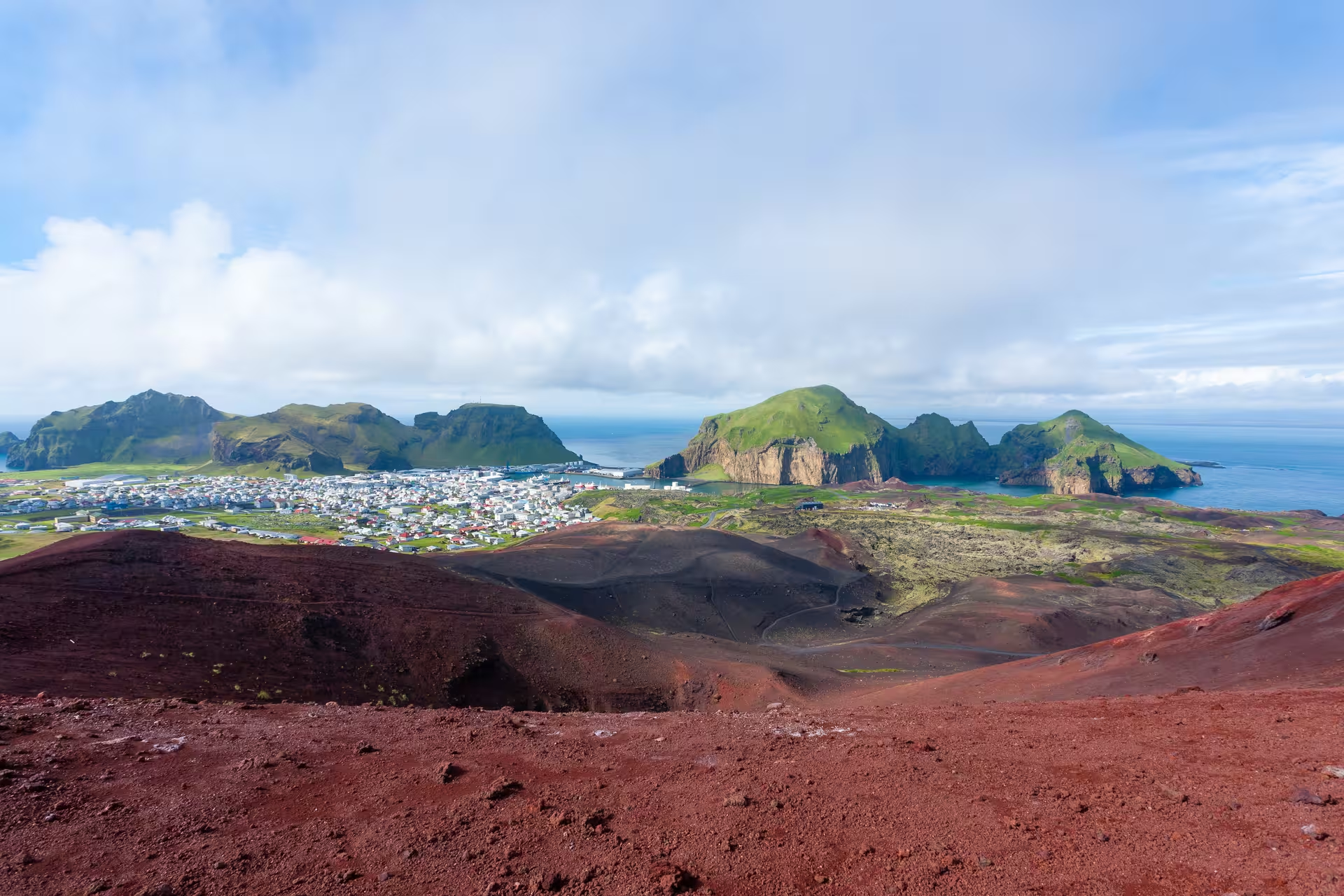
Eldfell and the stave church at Skansinn give a visit a focus on volcanic history and island heritage. The eruption began unexpectedly on the east side of Heimaey on 23 January 1973. On that first night, almost all of the roughly 5,200 islanders were evacuated, most of them on fishing boats that were in the harbour because of bad weather. Seawater used to cool the lava helped preserve the harbour, so the story reaches beyond the volcano itself.
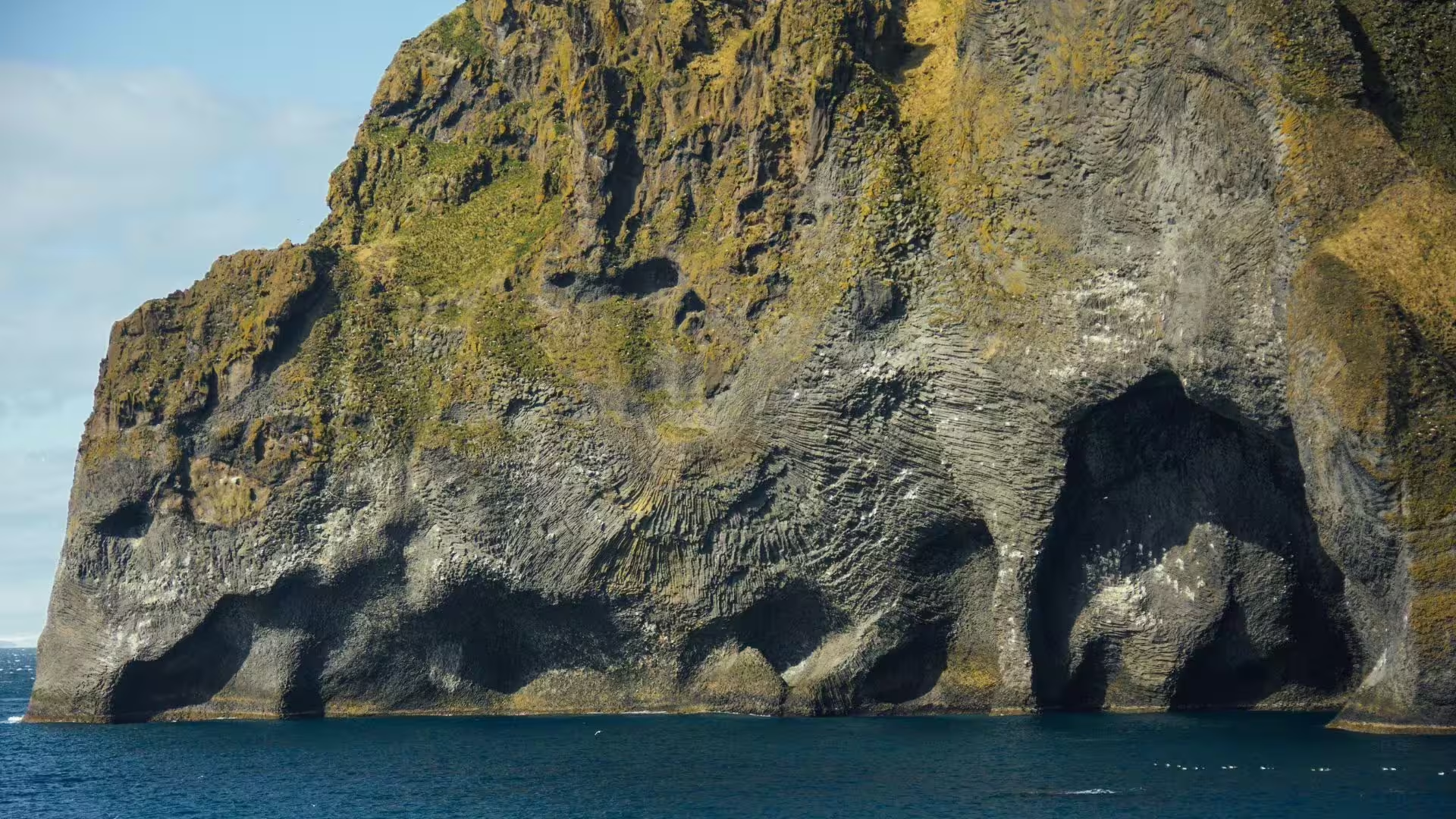
At Skansinn, the stave church represents a gift to Iceland from Norway's government. Golf offers another way to spend time in volcanic surroundings: the Westman Islands Golf Club, established in 1938, plays part of its course inside the crater of an extinct volcano.
One day is a reasonable plan for a focused Heimaey visit, with Eldfell and Skansinn filling the island itinerary. For a volcanic day, a private Westman Islands day tour with volcanic sights lasts 10 hours and includes a private guide, private vehicle transport from Reykjavik, Eldheimar Museum admission, wildlife stops including puffin areas and the Beluga Whale Sanctuary, and a guided volcanic crater hike.
A private full-day Westman Islands tour with a Heimaey boat cruise lasts 10 hours and includes a private driver-guide, a guided Heimaey tour, a cruise around the archipelago, a music experience in Klettshellir cave and Pompeii of the North museum admission. For an overnight stay, Heimaey is the logical island base because the other islands have no resident population. Vestmannaeyjabær, the main town, is home to the majority of the archipelago's residents.
The weekend before the first Monday in August suits a trip centred on Þjóðhátíð, the outdoor festival held here each summer. Its history goes back to 1874, giving that visit a connection to a longstanding island tradition. For outdoor plans at other times, allow for rain: the islands' microclimate brings substantial rainfall and generally little snow.
Puffins also have a place in local culture, as the emblem of Vestmannaeyjar. Residents traditionally help stray puffins reach safe places.
A ferry crossing followed by a guided island tour is an option for reaching and exploring Heimaey. The mainland ferry usually sails from Landeyjahöfn, where the harbour's opening in 2010 cut the crossing to about 35 minutes; when that harbour is closed, the ferry uses Þorlákshöfn and the crossing takes about 2 hours 45 minutes. Heimaey also has an airport connection; airport activity includes seasonal services, charters, medical flights and general aviation.
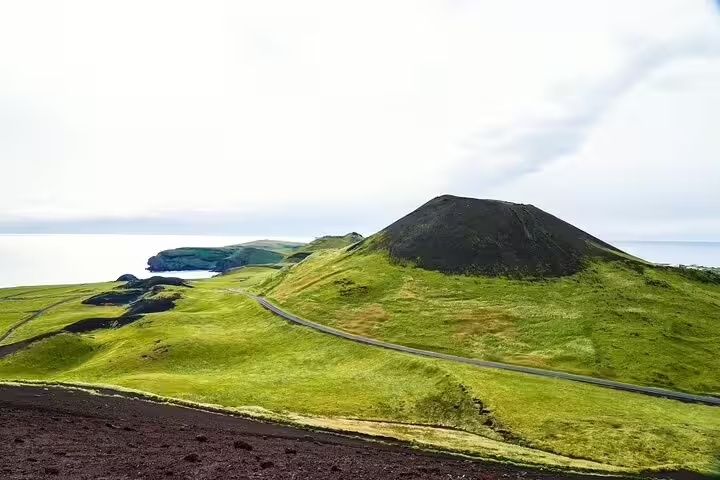
Surtsey cannot be part of an ordinary tourist landing itinerary: permission to go ashore is reserved for a few scientists. The eruption that formed this uninhabited volcanic island broke through the sea surface on 14 November 1963. Its scientific significance earned it UNESCO World Heritage status in 2008, which makes understanding its protected role more useful than planning a landing.
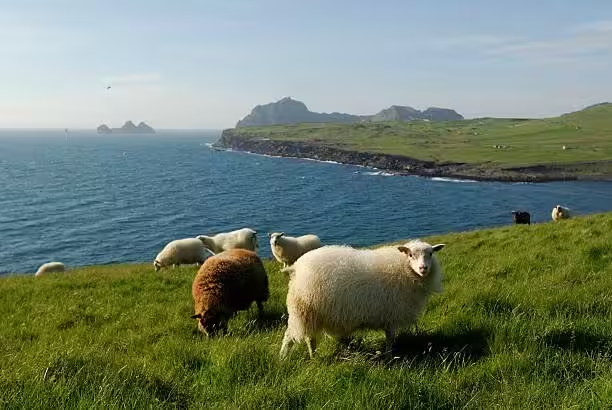
At its nearest point, the archipelago is about 8 kilometres from the Icelandic mainland.
Eldfell rises to a little over 200 metres on Heimaey.
The eruption continued from 14 November 1963 until 5 June 1967. By then, Surtsey had an area of 2.7 square kilometres.