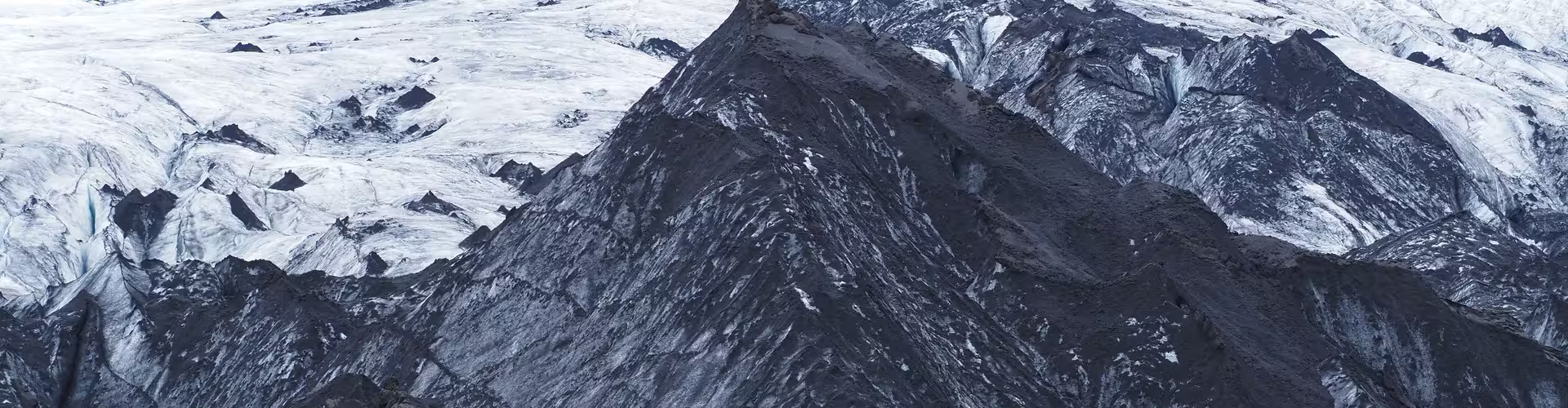
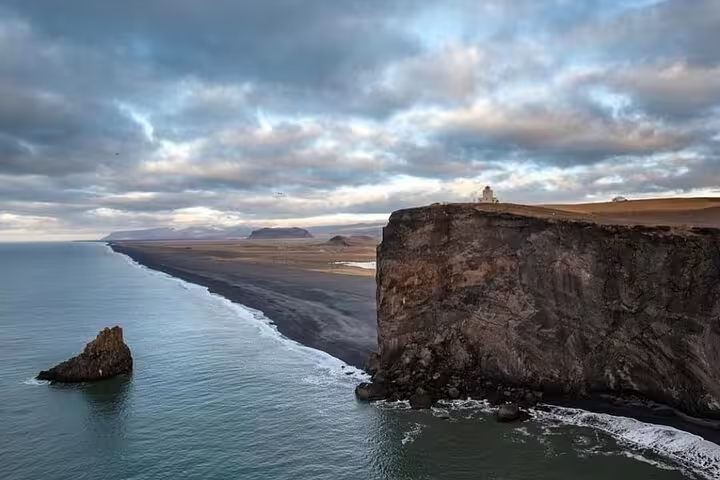
Solheimajokull is a retreating outlet glacier located in southern Iceland, part of the larger Myrdalsjokull ice cap. This dynamic glacier showcases the dramatic effects of climate change on Iceland's landscape, with its terminus situated near the black sand beaches of the south coast.
What to see in Solheimajokull
Visitors can observe the glacier's impressive ice formations, deep crevasses, and the lagoon that has formed at its terminus due to rapid melting. The surrounding area offers striking views of volcanic landscapes and the stark contrast between ice and dark volcanic sand. The glacier's snout provides accessible viewpoints for photography and observation of glacial features.
Things to do in Solheimajokull
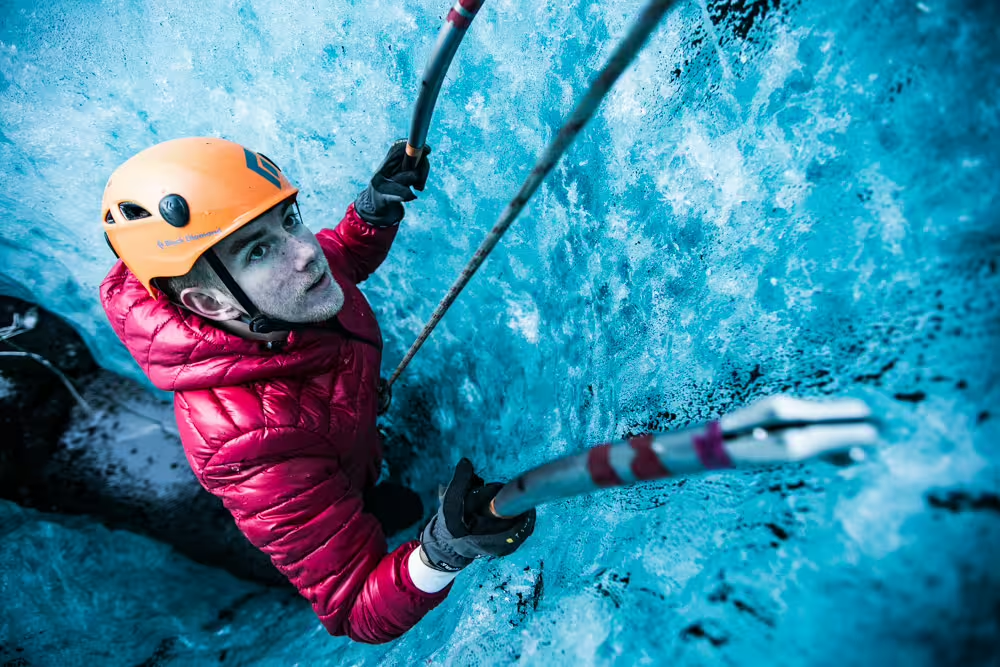
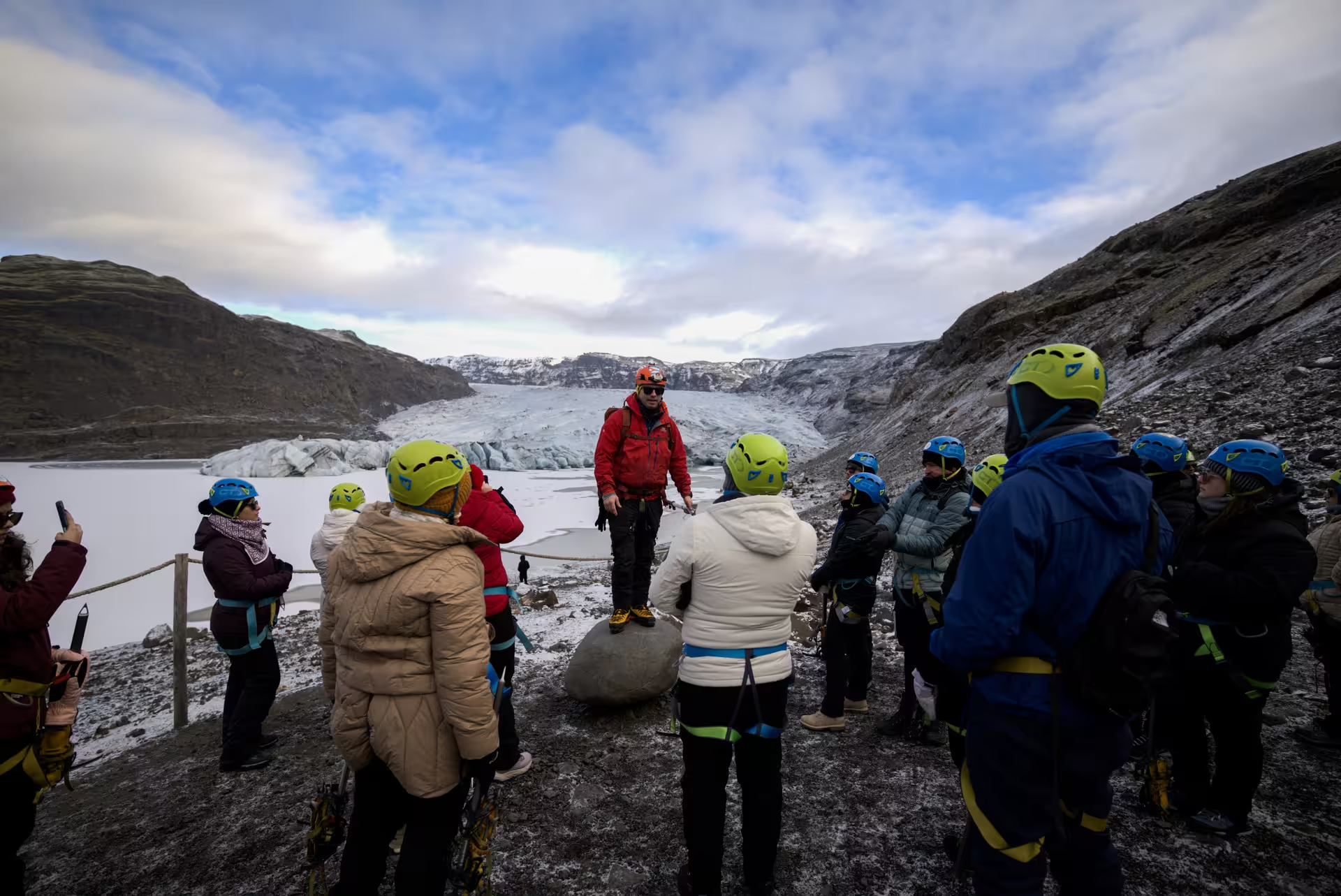
Guided glacier hiking tours allow visitors to trek across the ice and explore crevasses with experienced guides. Day trips from Reykjavik combine visits to Solheimajokull with stops at nearby waterfalls and geological sites along Iceland's South Coast. Photography tours capture the dramatic interplay of glacier, volcanic terrain, and coastal landscapes.
Glacial Retreat and Climate Documentation
Solheimajokull serves as a living laboratory for understanding climate change, with glaciologists documenting its significant retreat over the past decades. The glacier's rapid shrinkage makes it one of Iceland's most visibly changing natural features, offering insights into global warming's impact on Arctic environments.
Solheimajokull is located in southern Iceland, approximately 150 kilometers from Reykjavik, along the renowned South Coast route. The glacier is an outlet of the larger Myrdalsjokull ice cap and sits near the village of Skogar. The region is characterized by volcanic landscapes, black sand beaches, and proximity to other major attractions including Skogarfoss waterfall and Skaftafell National Park. Access is typically via Route 1, the main ring road encircling Iceland.
Solheimajokull represents a critical site for climate change observation and glacial research in Iceland. The glacier's dramatic retreat over recent decades has made it a focal point for scientific studies and climate education. Its accessibility for guided tours combined with its visible transformation makes it an important destination for understanding the real-world impacts of global warming on Arctic and subarctic environments.