




Camel Ride Tours in Marrakech
Marrakesh, Morocco
12 experiences
Last updated:


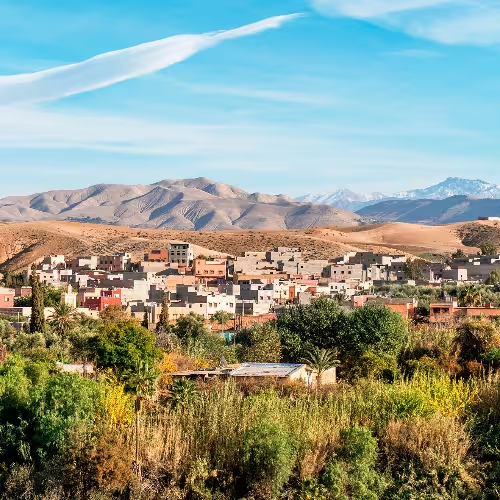
Marrakesh rewards a trip divided between the medina, its palaces and gardens, and the Atlas foothills. Its history reaches back to around 1070, when Abu Bakr ibn Umar made it the capital of the Almoravid dynasty.
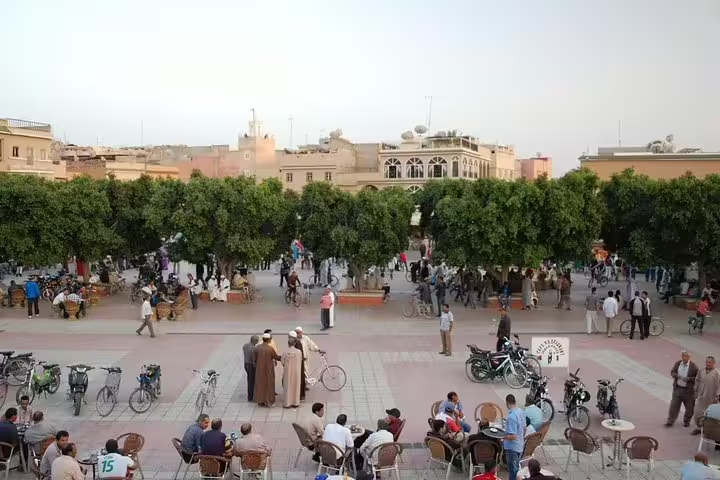
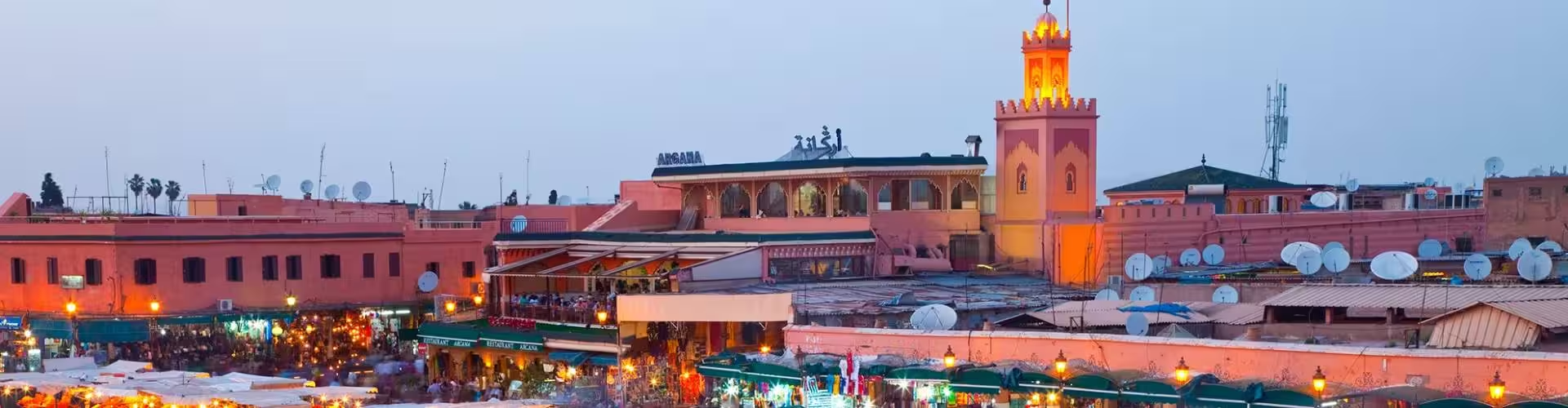
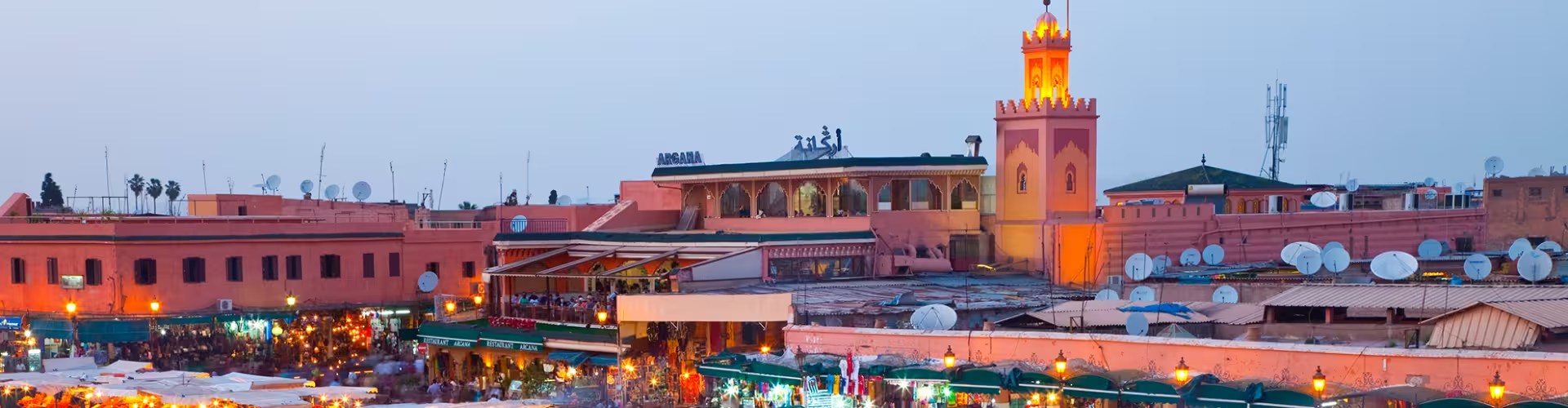
Make room for both Jemaa el-Fna and the palaces, rather than spending the whole visit on monuments. At the medina entrance, the triangular square is edged by stalls, restaurants and public buildings. Storytellers and poets share this cultural space with Berber musicians, Gnaoua dancers and senthir players. UNESCO first proclaimed this cultural space part of humanity's intangible heritage in 2001, and inscribed it on its Representative List in 2008.
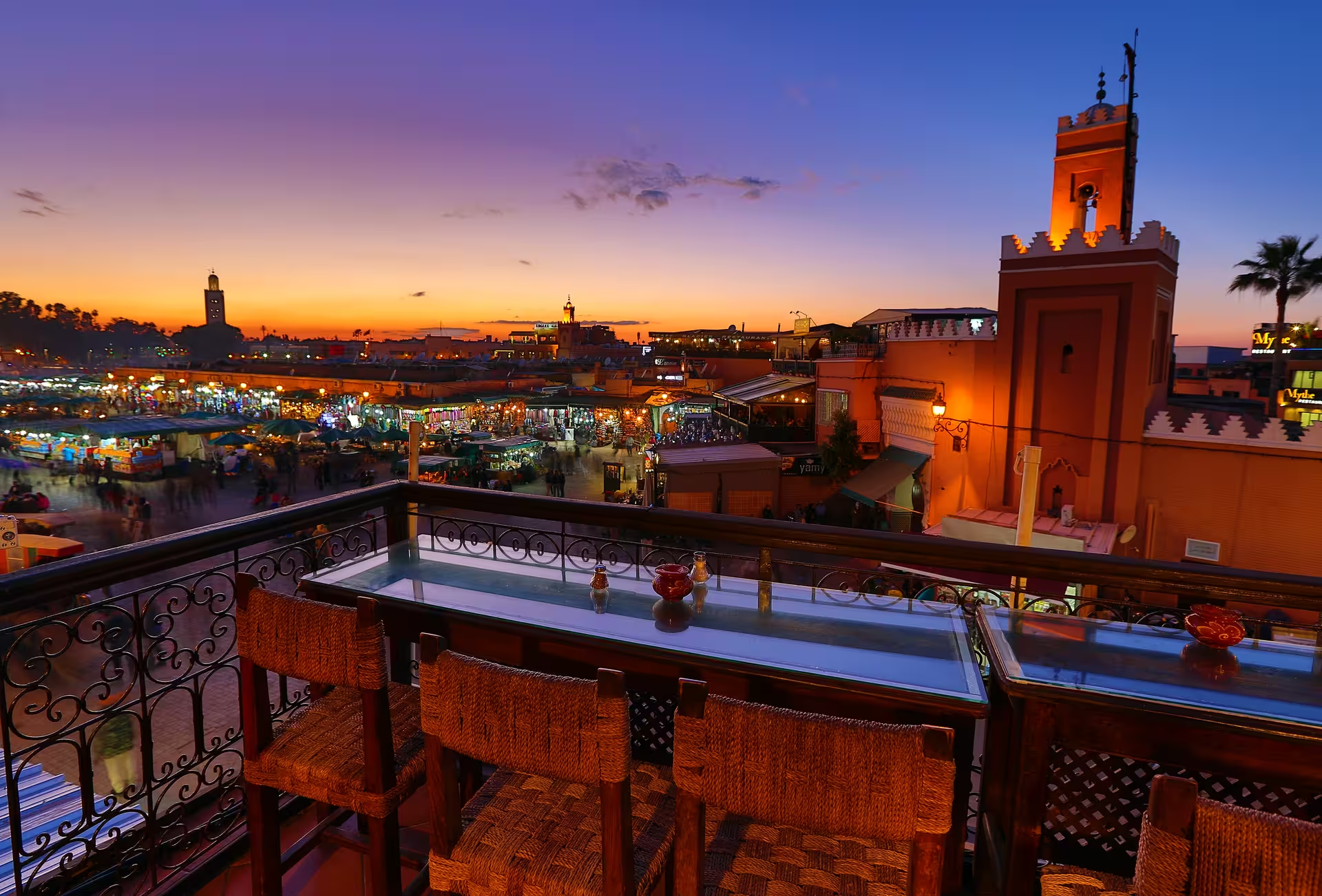
For architecture, Bahia Palace has roughly 150 rooms in a main complex covering almost 2 hectares. The Koutoubia minaret reaches about 77 metres, but non-Muslim visitors should plan to appreciate the mosque from outside because entry is restricted.
For a food-focused activity, the cooking class and market visit in Marrakech lasts 3 hours and includes a guided neighbourhood and market walk, ingredients, mint tea, practical cooking instruction and a meal with the host family.
Three days would allow a medina day, a garden day and a day trip to the Ourika Valley. On the medina day, pair Jemaa el-Fna with Bahia Palace and the Koutoubia exterior. The old town received World Heritage status in 1985, and its enclosing walls extend for about 19 km.
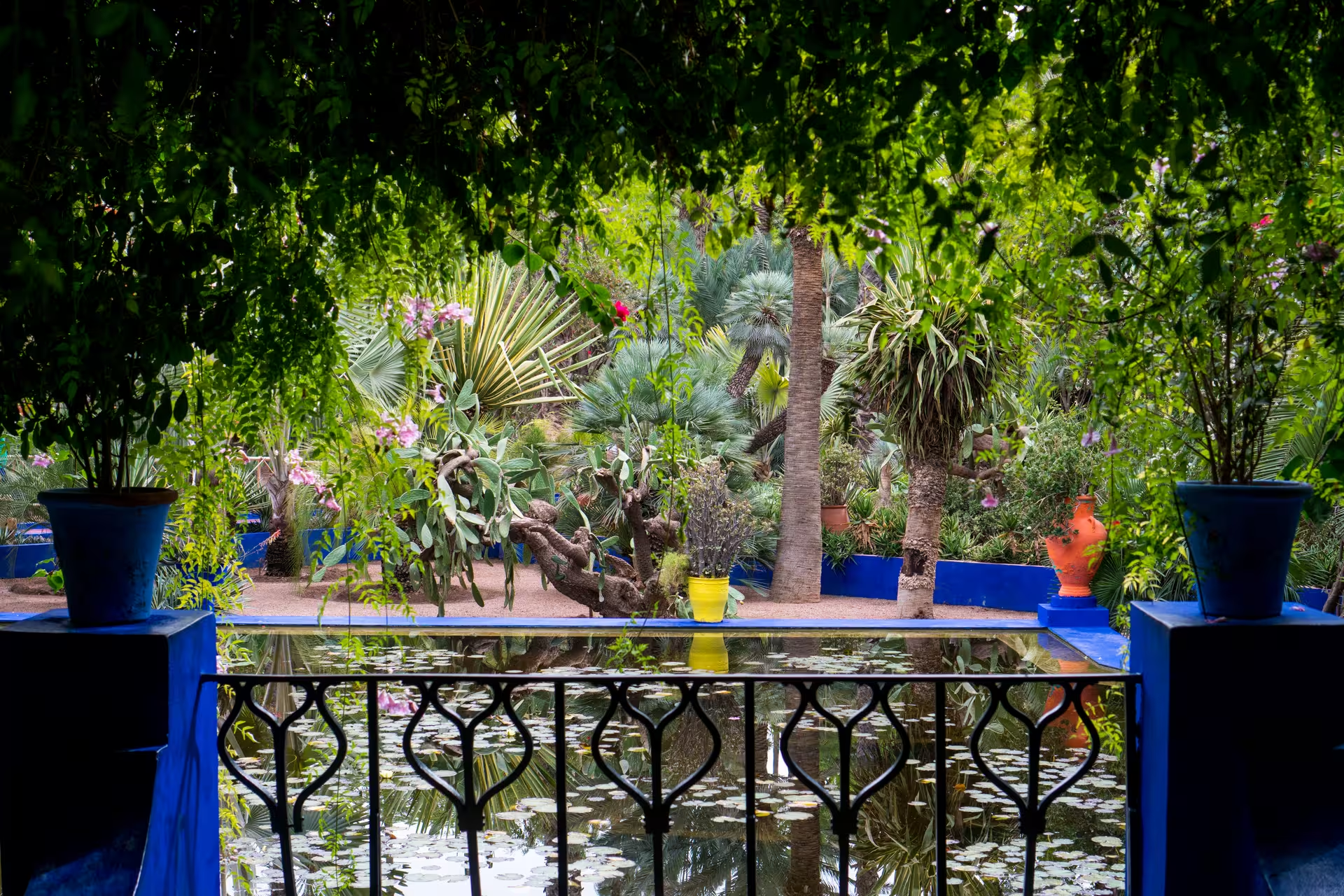
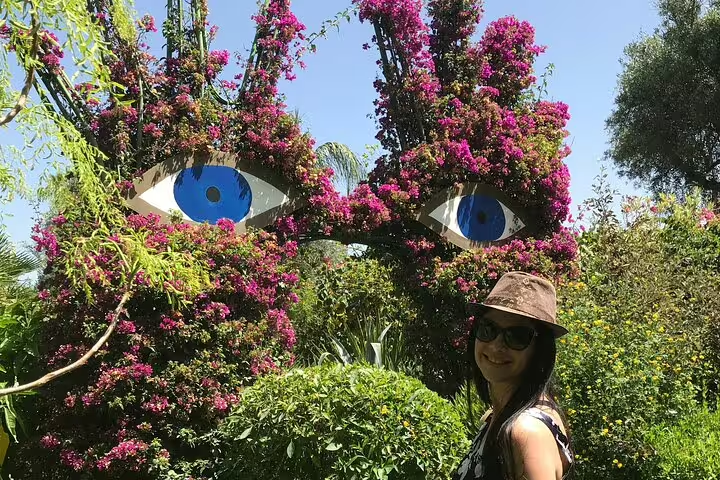
Dedicate the garden day to Majorelle and its museums. The botanical and landscape garden occupies a hectare; its villa houses the Berber Museum, with the Yves Saint Laurent Museum nearby.
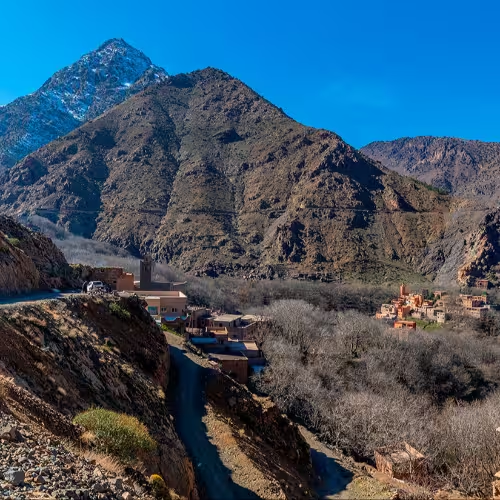
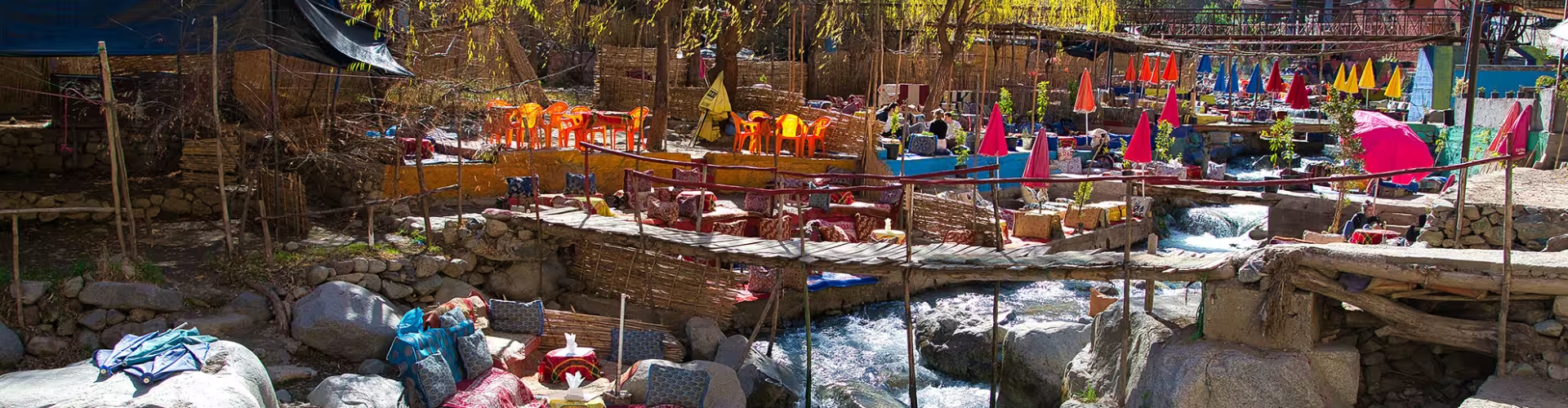
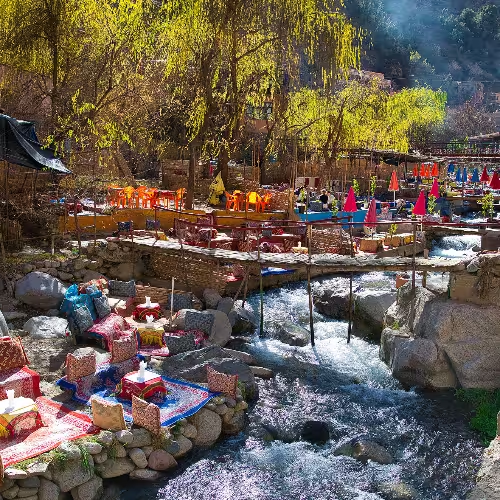
Keep the remaining day for Ourika, around 30 km from Marrakesh, where Berber communities speak Shilha. The Ourika Valley day trip from Marrakech with Berber villages lasts 8 hours and includes return transport, a full-day guide, botanical garden entry, an alabaster workshop visit, a pottery village walk, visits to a sheikh's house and watermill, and a costume session with photos. An alternative is the private day trip to the Atlas Mountains and Ouzoud Falls from Marrakech, lasting 10 hours with private transport, an English-speaking driver-guide, photo stops and flexible itinerary adjustments.
Spring and autumn are the most comfortable seasons for walking, between the summer heat and the cooler winter. Winter still suits a walking-focused visit, with average temperatures around 12 °C compared with 26 to 30 °C in summer, though evenings are chilly. Marrakesh has a hot, semi-arid climate, but that does not mean rain is absent. Annual precipitation averaged 281.3 mm over 1961 to 1990.
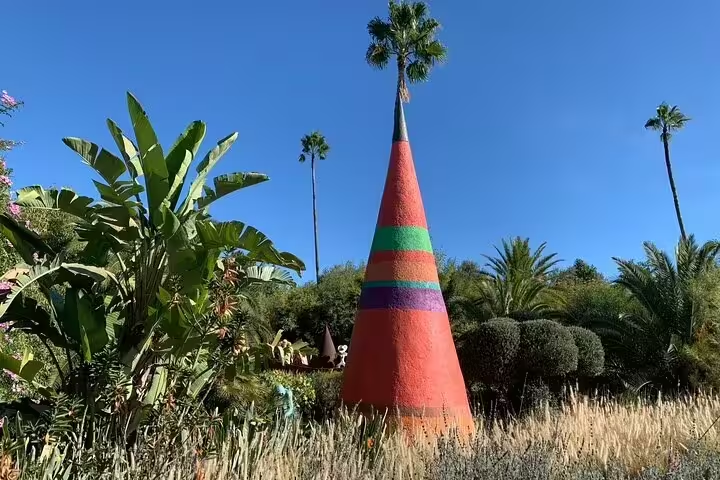
Keep the medina sights together in your itinerary, with Jemaa el-Fna as a reference at its entrance. For travel into or beyond the city, flights serve Marrakesh Menara Airport, while trains link Marrakesh with Casablanca and northern Morocco.
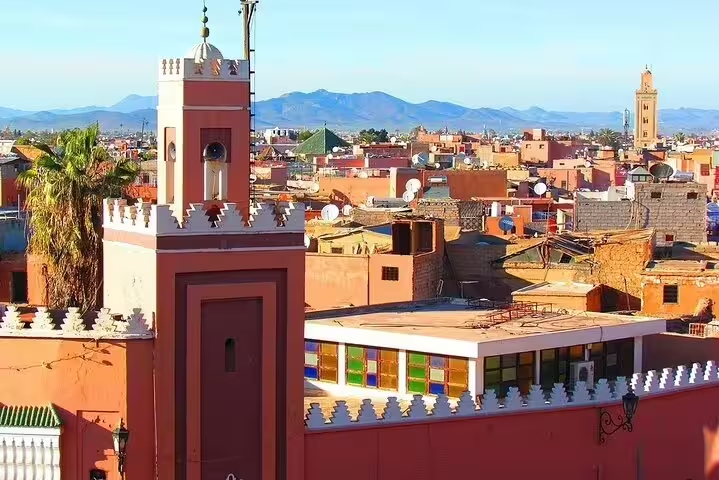
The medina is a sensible area to focus your accommodation search if the old town and Jemaa el-Fna are your priorities. That recommendation follows the sightseeing plan: the square stands at the entrance to the World Heritage old town.
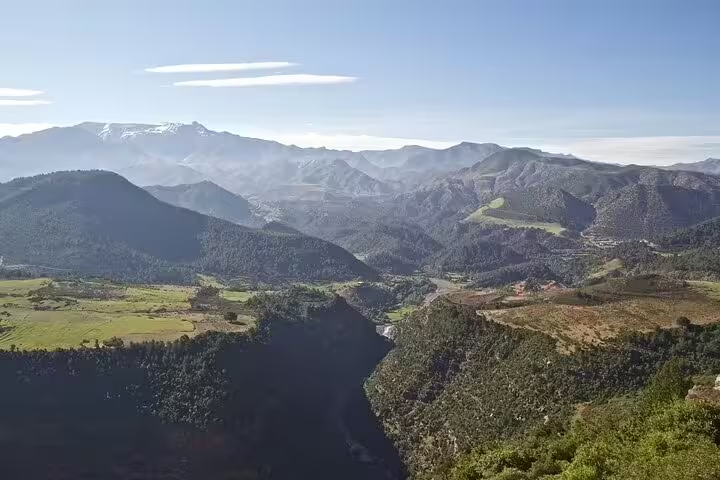
Toubkal stands 63 km south of Marrakesh and can be seen from the city. A route to its summit begins in the High Atlas village of Imlil.
Jacques Majorelle began work on the garden in 1923 and developed it over nearly forty years.
After closing for restoration in November 2018, the Ben Youssef Madrasa welcomed visitors again in April 2022.