Porto: what to see and do
Porto is a municipality of Portugal. It covers 41.42 square kilometres and is divided into seven civil parishes. In 2021 Porto had 231,800 residents.
The historic centre
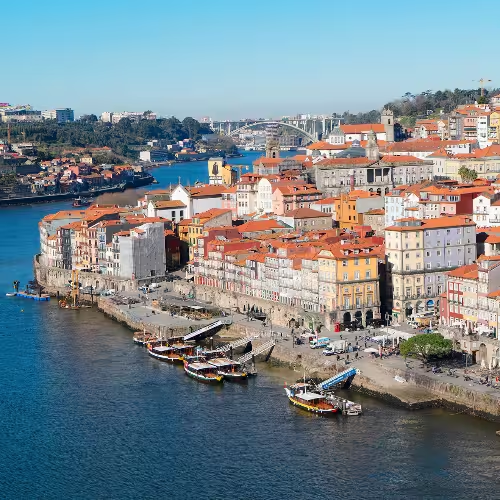
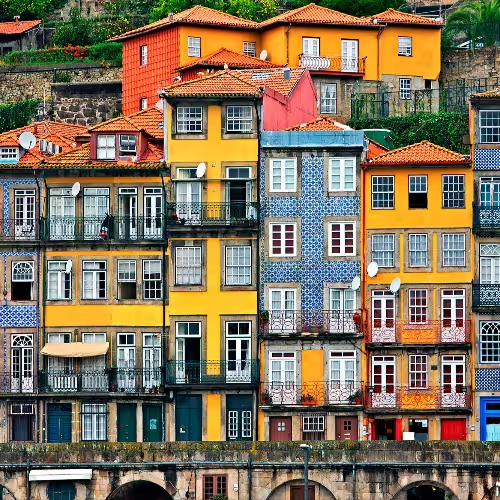
The Historic Centre of Porto was designated a UNESCO World Heritage Site in 1996, and the Ribeira area along the Douro is part of it. Porto Cathedral, the Sé, is the oldest surviving structure in the city. The architect Nicolau Nasoni designed the Clérigos Church and its tower between 1732 and 1763. The Palácio da Bolsa offers guided visits, with the Arab Room as a highlight. São Bento is the main central railway station of Porto.
The Douro and its bridges
The Dom Luís I Bridge, a double deck metal arch bridge, spans the Douro between Porto and Vila Nova de Gaia. The Douro rises at the Pico de Urbión in Spain and flows into the Atlantic Ocean at Porto.
Port wine and the Douro Valley
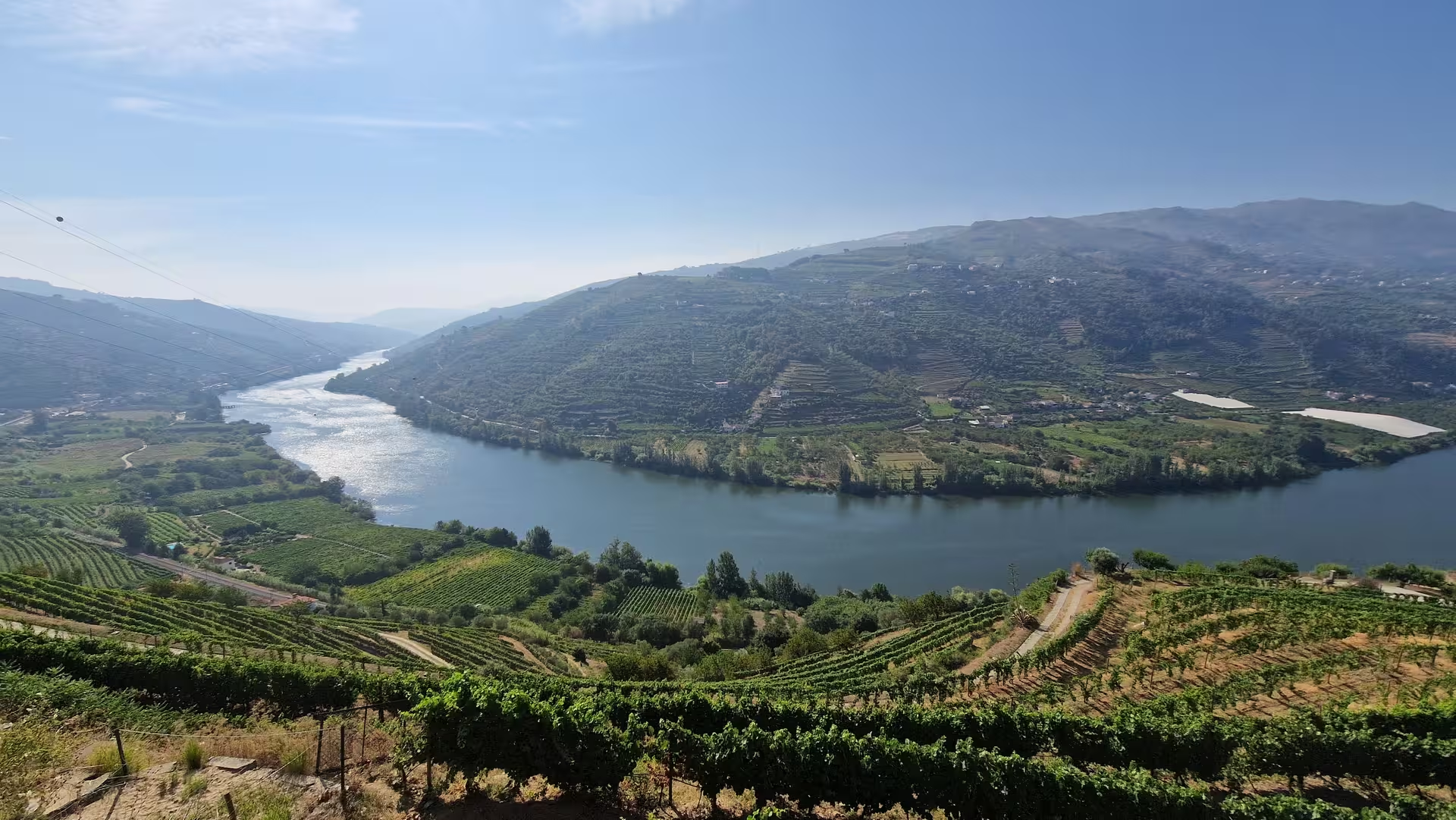
Port is produced from grapes grown and processed in the demarcated Douro region. It is made by stopping fermentation early with a neutral grape spirit, and it is often aged in barrels stored in lodges. The main categories of red port are Ruby and Tawny. Only wines from Portugal may be labelled port in the European Union. The Upper Douro around Pinhão and São João da Pesqueira is considered the centre of port wine. Port cellars in Vila Nova de Gaia offer guided tours and tastings.
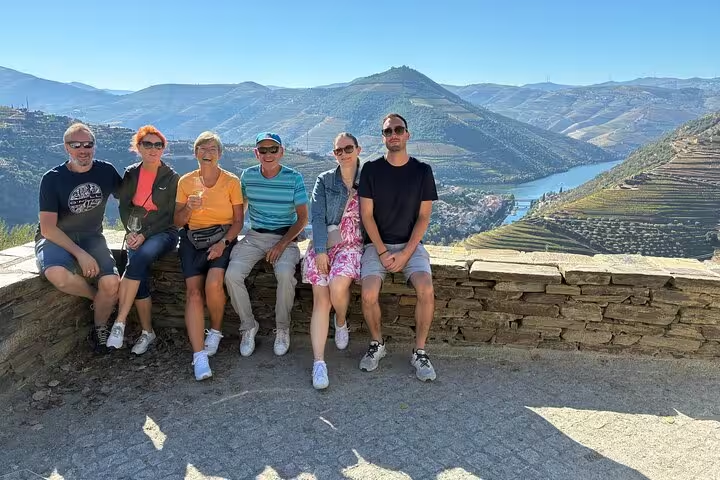
For the valley there is a Douro Valley boat tour with wine tasting at two wineries. It lasts 9 hours. Included: a professional guide throughout the tour, a modern air-conditioned vehicle, a regional lunch, wine tastings at two wineries and a one-hour Douro River boat cruise.
There is also a Douro Valley day trip by train with wine tasting. It lasts 9 hours. Included: a professional guide, lunch, an air-conditioned vehicle, a winery visit with wine tasting and a Vinho Verde tasting in Amarante.
For a private day there is a private tour of Foz Côa and the Douro with rock art and wine. It lasts 11 hours. Included: a private vehicle and driver for the full day from Porto, a visit to the village and railway station of Pinhão and a scenic drive along the N222.
Day trips from Porto
Braga's Roman city, Bracara Augusta, was founded in 16 BC, and Braga hosts the oldest Portuguese archdiocese. The Sanctuary of Bom Jesus do Monte, near Braga, was inscribed on the World Heritage List in July 2019. Guimarães is where Afonso Henriques, Portugal's first king, was born, and its historic centre has been a UNESCO World Heritage Site since 2001. Guimarães is linked to Porto by the Guimarães railway line.
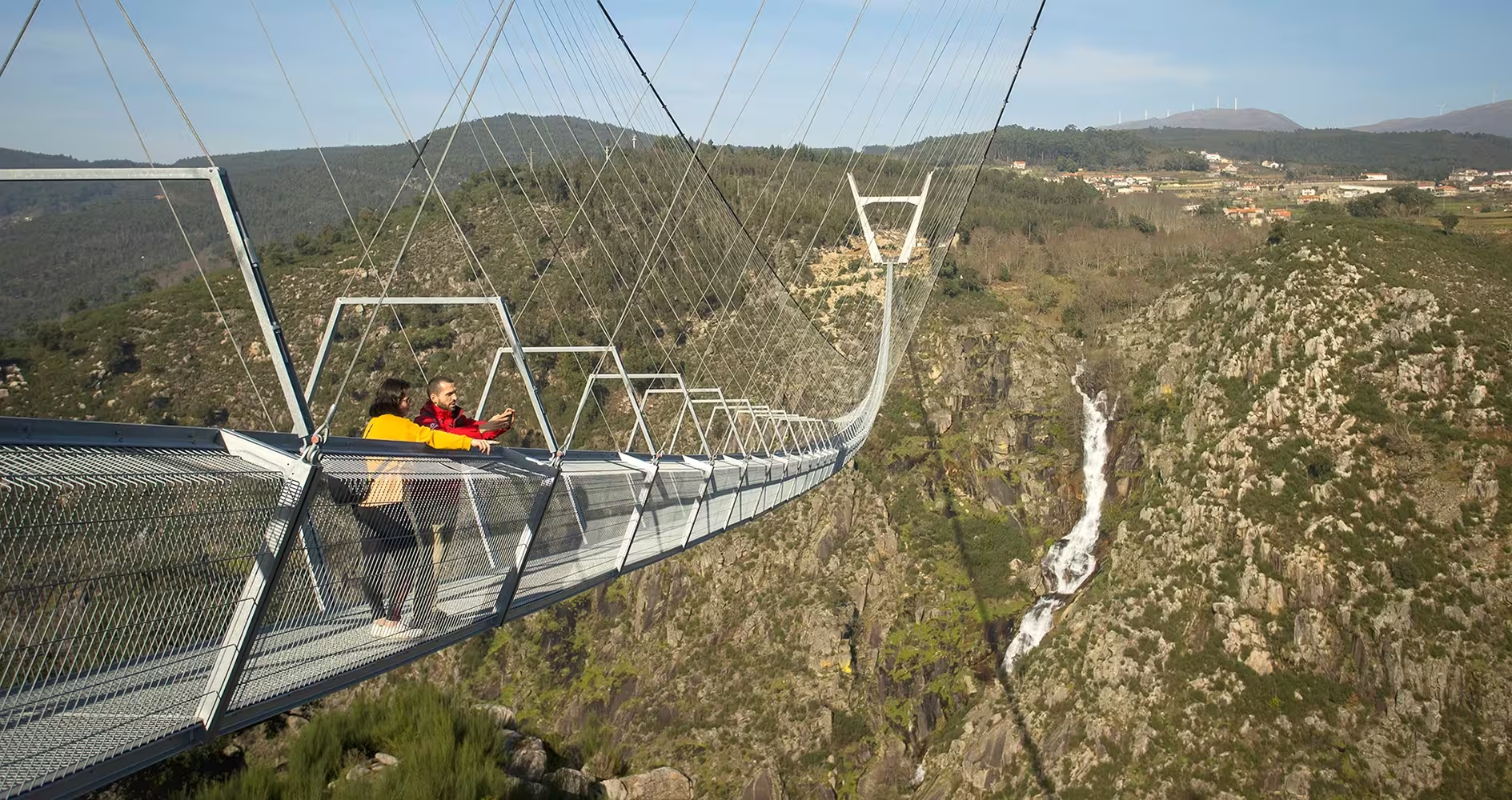
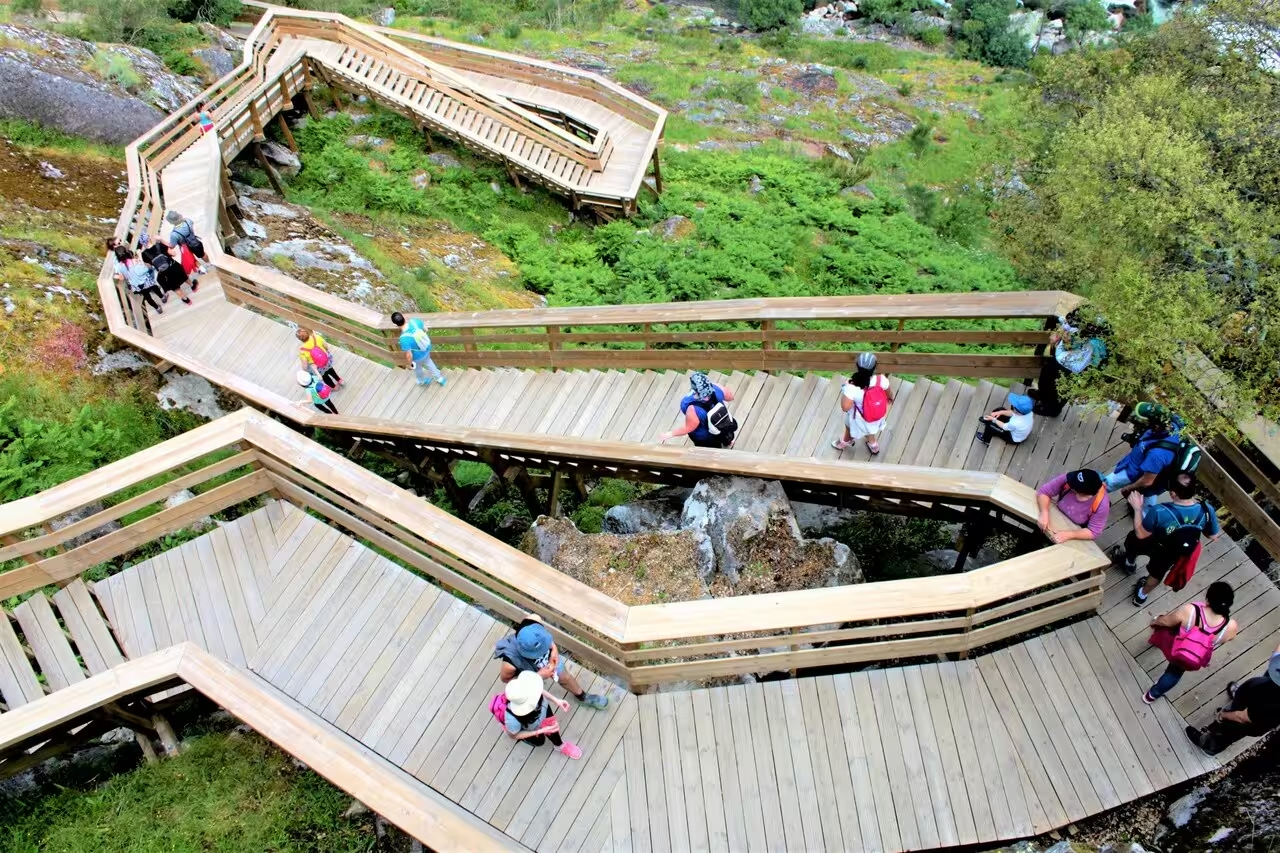
A Paiva Walkways day trip from Porto to the Arouca Geopark lasts 7 hours. Included: transport in an air-conditioned vehicle.
For history there is a full-day private tour of Coimbra with its UNESCO site and Roman ruins. It lasts 9 hours. Included: a private specialised local guide for the full day and private transportation throughout the tour.
Getting around
Porto Metro covers 70 km with 85 stations and is the biggest urban rail transit system in Portugal. The airport is connected to central Porto by Metro line E.
When to go
Porto has a warm summer Mediterranean climate, with high rainfall concentrated in winter.
Frequently asked questions
Is the historic centre of Porto a World Heritage Site?
Yes. The Historic Centre of Porto was designated a UNESCO World Heritage Site in 1996, and the Ribeira area along the Douro is part of it.
How do you get from the airport to central Porto?
The airport is connected to central Porto by Metro line E. Porto Metro covers 70 km with 85 stations.
What is port wine?
Port is produced from grapes grown and processed in the demarcated Douro region. It is made by stopping fermentation early with a neutral grape spirit.
Which bridge connects Porto and Vila Nova de Gaia?
The Dom Luís I Bridge, a double deck metal arch bridge, spans the Douro between Porto and Vila Nova de Gaia.
What is the climate of Porto like?
Porto has a warm summer Mediterranean climate, with high rainfall concentrated in winter.