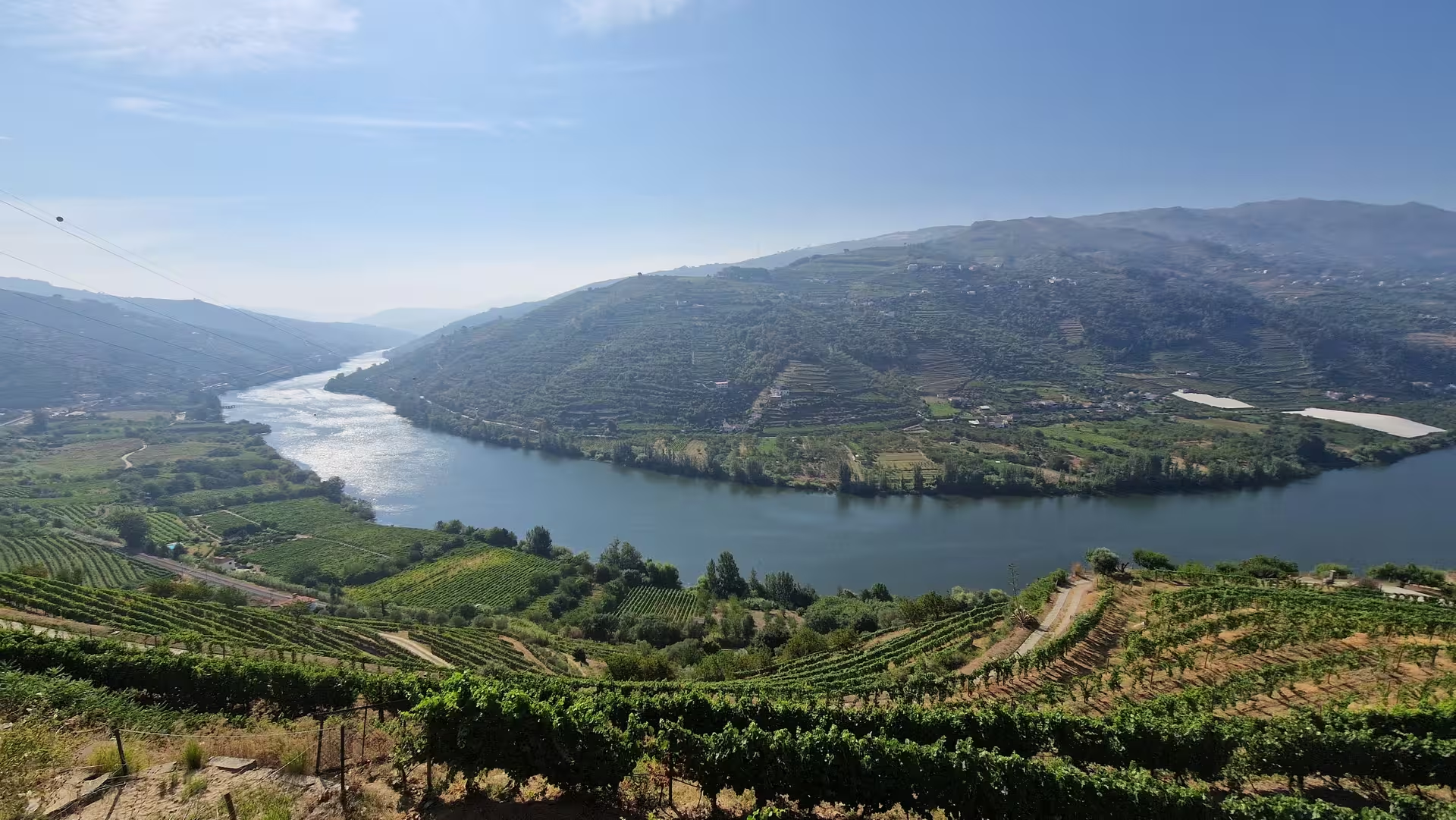
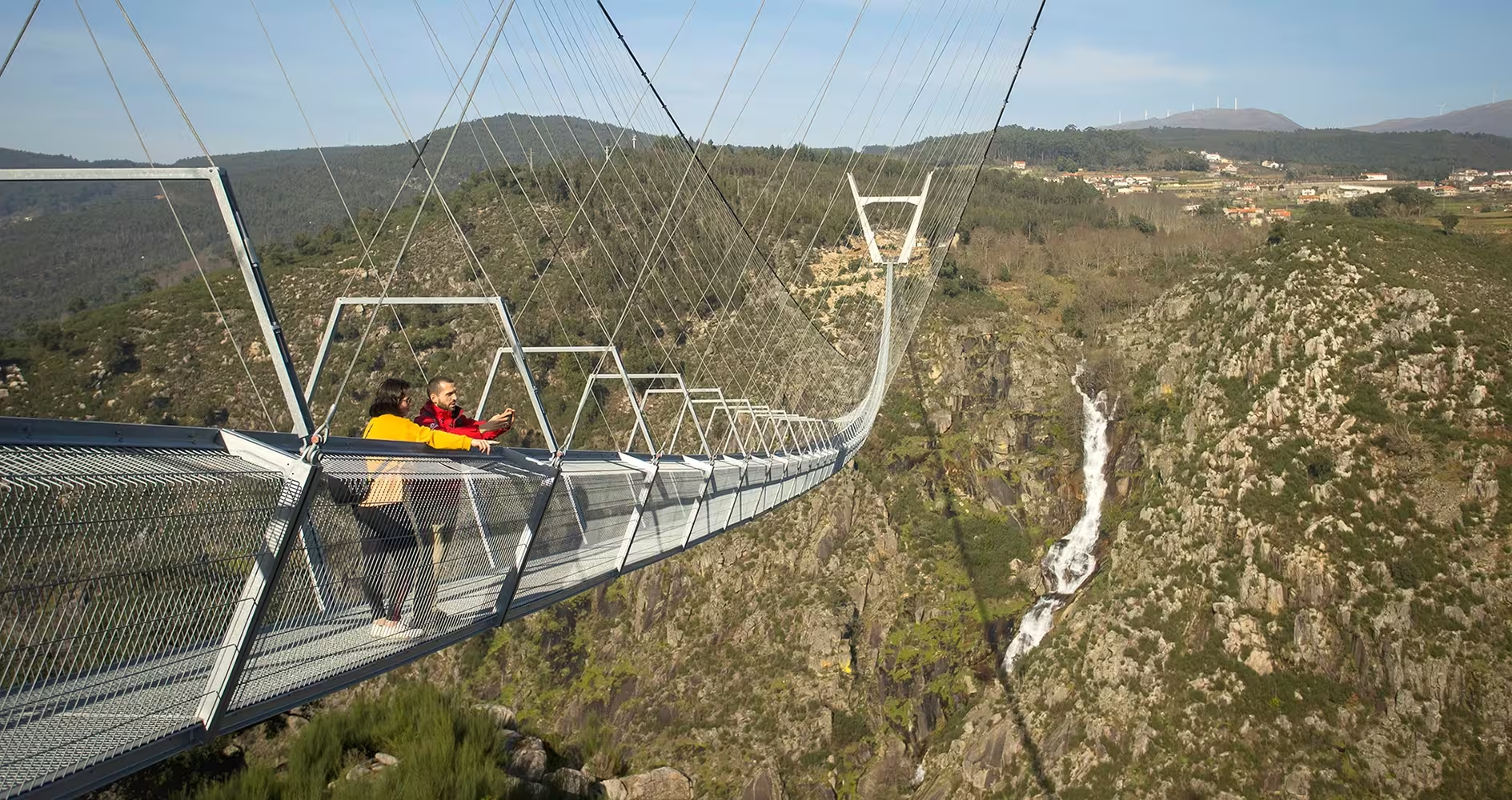
Portugal’s North Region is a mesmerizing destination brimming with lush landscapes, historic towns, and cultural treasures. From the rolling vineyards of the Douro Valley to the vibrant streets of Porto, this enchanting region offers diverse experiences for travelers seeking adventure, tranquility, and authentic Portuguese culture.
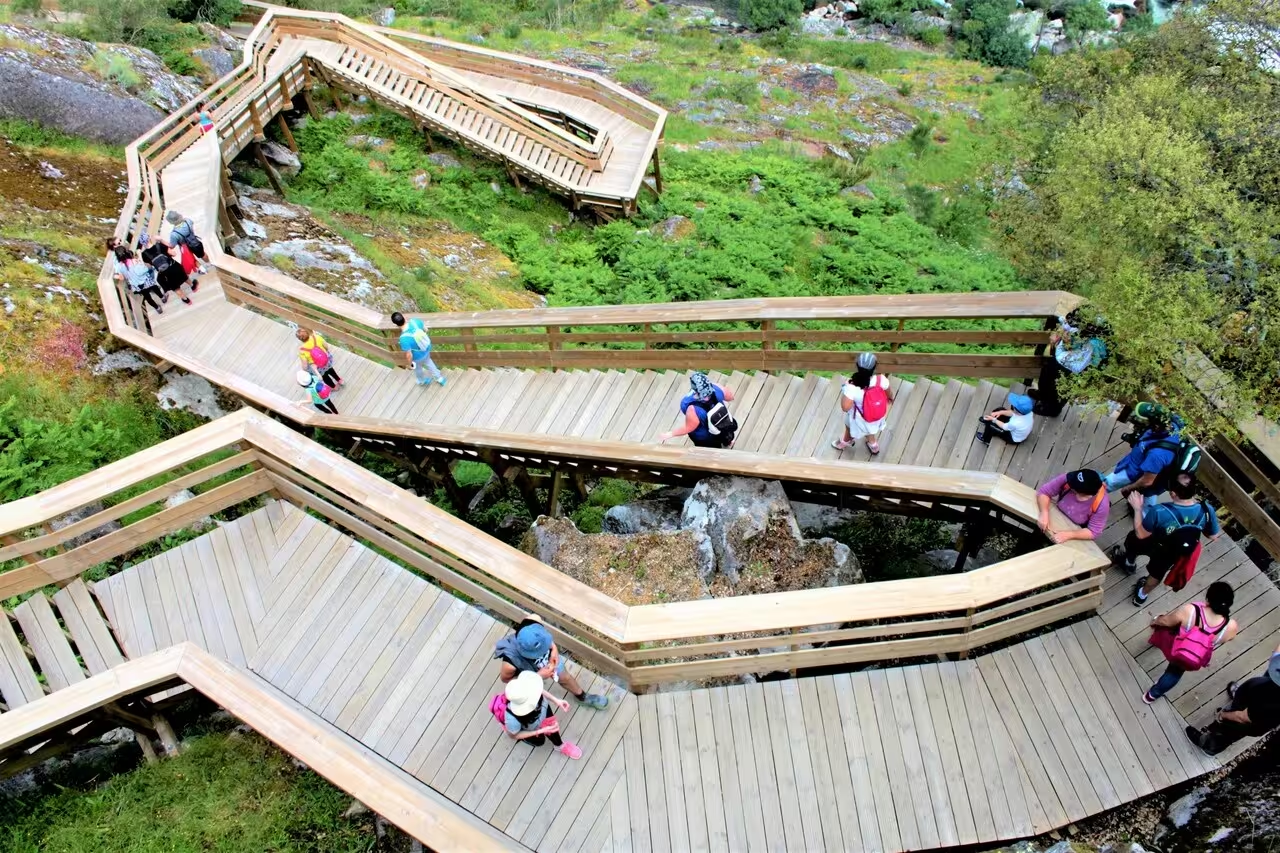
Alto Minho is a paradise for nature lovers and cultural enthusiasts alike. This region is home to the scenic Lima River Valley, the medieval town of Ponte de Lima, and the Peneda-Gerês National Park, Portugal’s only national park. The area’s hiking trails, picturesque villages, and traditional festivals make it a must-visit.
Cávado offers a delightful blend of history, culture, and scenic coastal charm. Braga, one of the oldest cities in Portugal, is the spiritual heart of the region and home to the stunning Bom Jesus do Monte sanctuary.
Ave stands out for its industrial heritage and serene natural landscapes. Guimarães, a UNESCO World Heritage site, is often referred to as the birthplace of Portugal.
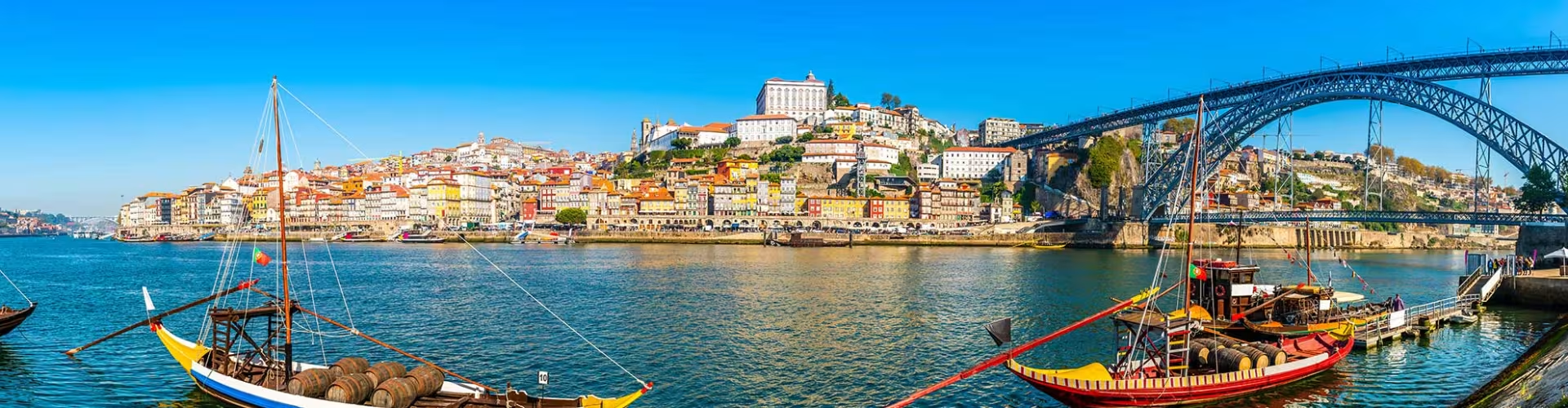
This dynamic metropolitan area includes Porto, Portugal’s second-largest city and a hub for culture, gastronomy, and nightlife.
Alto Tâmega e Barroso is known for its unspoiled natural landscapes, mineral springs, and charming villages.
Q: What's the best time to visit the North of Portugal?
A: The best time to visit depends on your preferences. Spring (April-May) and Autumn (September-October) offer pleasant weather, fewer crowds, and beautiful landscapes. Summer (June-August) is great for beach holidays and festivals, but it can be hotter and more crowded. Winter (November-March) can be colder and wetter, but it's also less expensive and offers unique experiences like exploring the Douro Valley in its quieter season.
Q: How do I get around the North of Portugal?
A: There are several ways to get around. Renting a car is a popular option for exploring the region at your own pace, especially the Douro Valley and more rural areas. The train network connects major cities like Porto, Braga, and Guimarães. Buses are also available for travel between towns and villages. Within cities, there are public transportation options like metros, trams, and buses.
Q: What language is spoken in the North of Portugal?
A: Portuguese is the official language. While English is spoken in tourist areas, learning a few basic Portuguese phrases will enhance your experience and be appreciated by locals.
Q: What currency is used in the North of Portugal?
A: The currency is the Euro (€).
Q: What are some must-try foods in the North of Portugal?
A: The North is a food lover's paradise! Don't miss Francesinha (a meat sandwich with a rich sauce) in Porto, Tripas à Moda do Porto (tripe stew), Caldo Verde (kale soup), Arroz de Cabidela (chicken rice), and Pastel de Nata (custard tart). Each sub-region also has its specialties, so be sure to explore local cuisine.
Q: What are the famous wines from the Douro Valley?
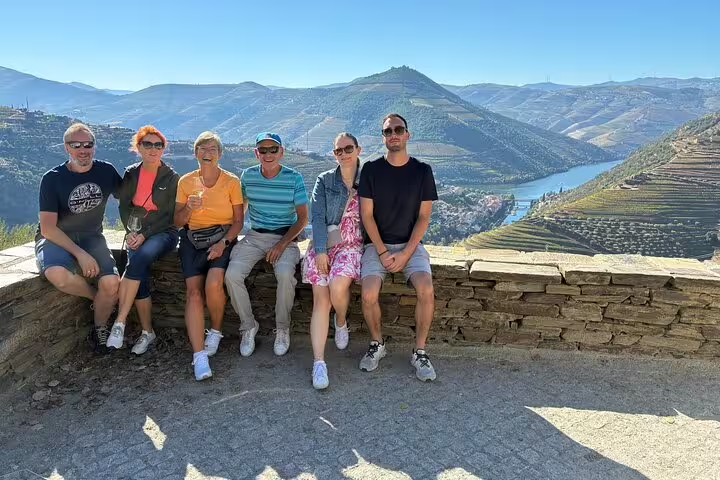
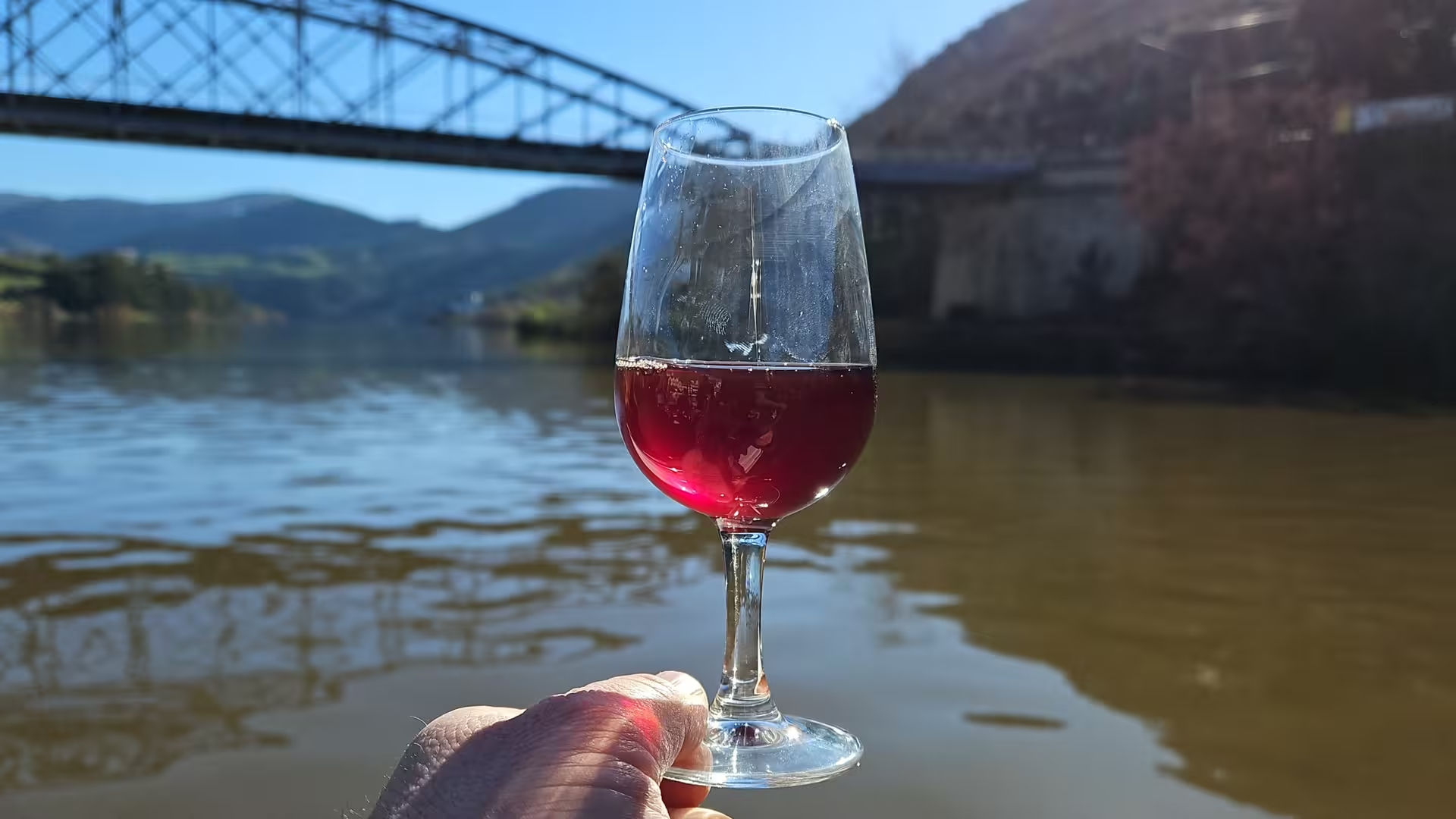
A: The Douro Valley is world-renowned for its Port wine, a fortified wine typically enjoyed as a dessert wine. It also produces excellent dry red, white, and rosé wines. A Douro Valley wine tour is highly recommended.
Q: Where can I find the best restaurants in Porto?
A: Porto has a vibrant culinary scene. The Ribeira district offers many traditional restaurants, while Vila Nova de Gaia (across the Douro River) is known for its Port wine cellars and restaurants with river views. Do some research online and ask locals for recommendations.
Q: What are the top attractions to see in Porto?
A: Must-sees in Porto include the Dom Luís I Bridge, Livraria Lello (a stunning bookstore), the Ribeira district, São Francisco Church, and a Port wine cellar tour in Vila Nova de Gaia.
Q: What are some interesting day trips from Porto?
A: Great day trips include Guimarães (the birthplace of Portugal), Braga (known for its religious sites), the Douro Valley, and Aveiro (the "Venice of Portugal").
Q: Are there any good hiking trails in the North of Portugal?
A: Yes, the Peneda-Gerês National Park offers fantastic hiking trails with stunning scenery. There are also trails along the Douro River and in other mountainous regions.
Q: What are some of the best beaches in the North of Portugal?
A: The North has beautiful beaches, especially in the Ave region. Some popular options include Matosinhos Beach, Espinho Beach, and Vila do Conde Beach. However, the water can be cooler than in the Algarve.
Q: What are some cultural customs I should be aware of?
A: Portuguese people are generally friendly and welcoming. It's polite to greet people with a "Bom dia" (good morning), "Boa tarde" (good afternoon), or "Boa noite" (good evening). Tipping is customary in restaurants and cafes.
Q: Are there any festivals in the North of Portugal?
A: Yes, the North has many festivals throughout the year. Some notable ones include São João Festival in Porto (June), and various religious festivals and wine harvest celebrations. Check local event calendars for specific dates.
Q: What is the traditional music of the North of Portugal?
A: Vira is a traditional folk music and dance style from the Minho region. You might also hear other traditional music styles like Chula and Fado.