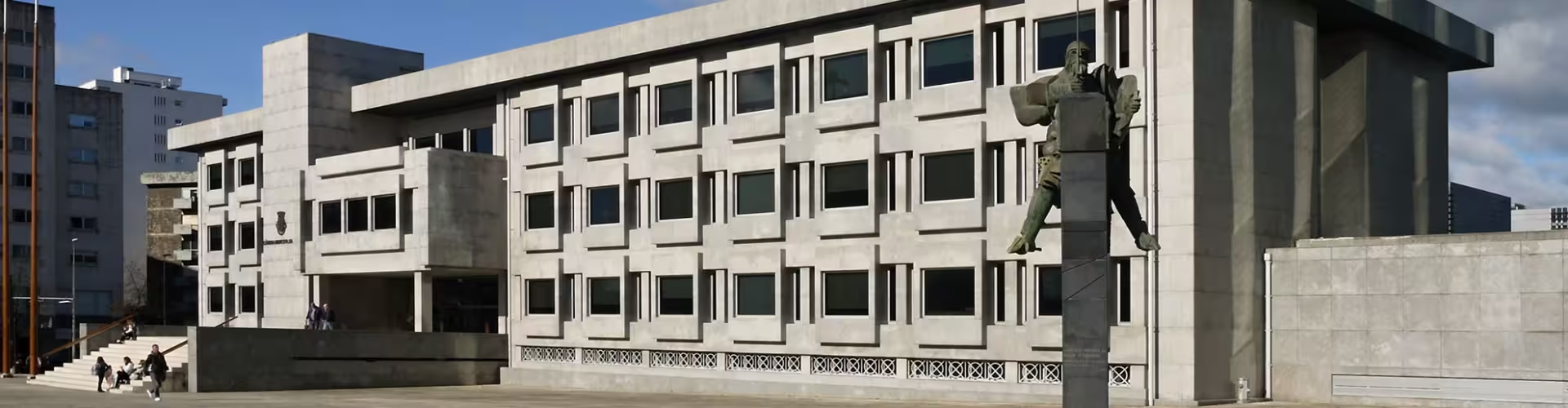
Maia sits just north of Porto and works beautifully as a calm base with quick access to city energy, Atlantic beaches, and the wider North Region. It is practical rather than flashy, which is exactly the point, you can sleep well, move easily, and still build a trip packed with culture and good food. If you want Porto proximity without Porto intensity, Maia is a smart, low-friction choice for couples, families, and business travelers who want breathing room.
Maia feels local and lived-in, with a day-to-day Portuguese rhythm that contrasts nicely with central Porto’s busiest streets. The signature vibe is convenience with authenticity, you are close to major transport links and still surrounded by neighborhoods where cafés and markets cater to residents. Go now if you want a flexible itinerary, because staying in Maia makes it easy to mix Porto highlights with quieter evenings and fast day trips.
Maia is part of the Porto District in Northern Portugal, positioned just above the city of Porto. It is closely connected to the wider Porto metropolitan area, which makes it useful for travelers who want quick access to Porto’s historic center, the Douro Valley routes, and the Atlantic coastline. For air arrivals, the key gateway is Porto’s main airport, which is located near Maia, making transfers short and straightforward for many visitors.
Northern Portugal tends to have mild, wetter winters and warmer, drier summers, with shoulder seasons that can feel especially comfortable for walking and day trips. Summer typically brings higher demand and busier transport, while spring and autumn often balance pleasant conditions with more breathing room. If your goal is a relaxed pace, consider traveling outside peak summer weeks and plan indoor-friendly options for occasional rainy spells.
Portugal uses the euro, and most travelers find card payments widely accepted in urban areas, with cash still handy for small purchases. Keep a small amount of cash for quick café stops, local bakeries, and smaller services, then use a card for accommodation and larger meals. For budgeting, Maia can feel more value-oriented than central Porto, especially for lodging, while still keeping you close to major attractions.
Note: The experiences below focus on high-confidence, practical activities that do not rely on specific opening hours or ticket prices.
1) Use Maia as a Porto Base
Why it matters: Staying in Maia can simplify your trip, because you get fast access to Porto while returning to a quieter setting at night. It is ideal if you want to see Porto’s riverside atmosphere and historic streets without paying central prices or dealing with late-night noise. Practical tip: Map your must-sees in Porto first, then choose your transport times to avoid the busiest commuting windows.
2) Plan a Porto Historic Center Day
Why it matters: Porto’s UNESCO-listed historic center is a core reason travelers choose this region, with layered architecture and viewpoints that reward slow walking. Using Maia as your base keeps the day focused on exploration rather than logistics. Practical tip: Start early for clearer photos and a calmer feel, then take a long lunch break to reset before an afternoon of viewpoints.
3) Ride the Metro for Easy Connectivity
Why it matters: The Porto metro system is a practical way to connect areas across the metro region, reducing the stress of parking and traffic. It supports flexible planning, which is useful if weather changes or you decide to extend a stop. Practical tip: Keep your route simple by grouping attractions by area, then ride point-to-point rather than hopping randomly.
4) Make Time for Local Cafés and Bakeries
Why it matters: Everyday food culture is one of the easiest ways to feel the region’s rhythm. In Maia, you can step into places that primarily serve locals, which often means straightforward service and comforting classics. Practical tip: Visit mid-morning for a quieter atmosphere, then pair a pastry with an espresso-style coffee for a quick, affordable break.
5) Build a Douro Valley Day Trip
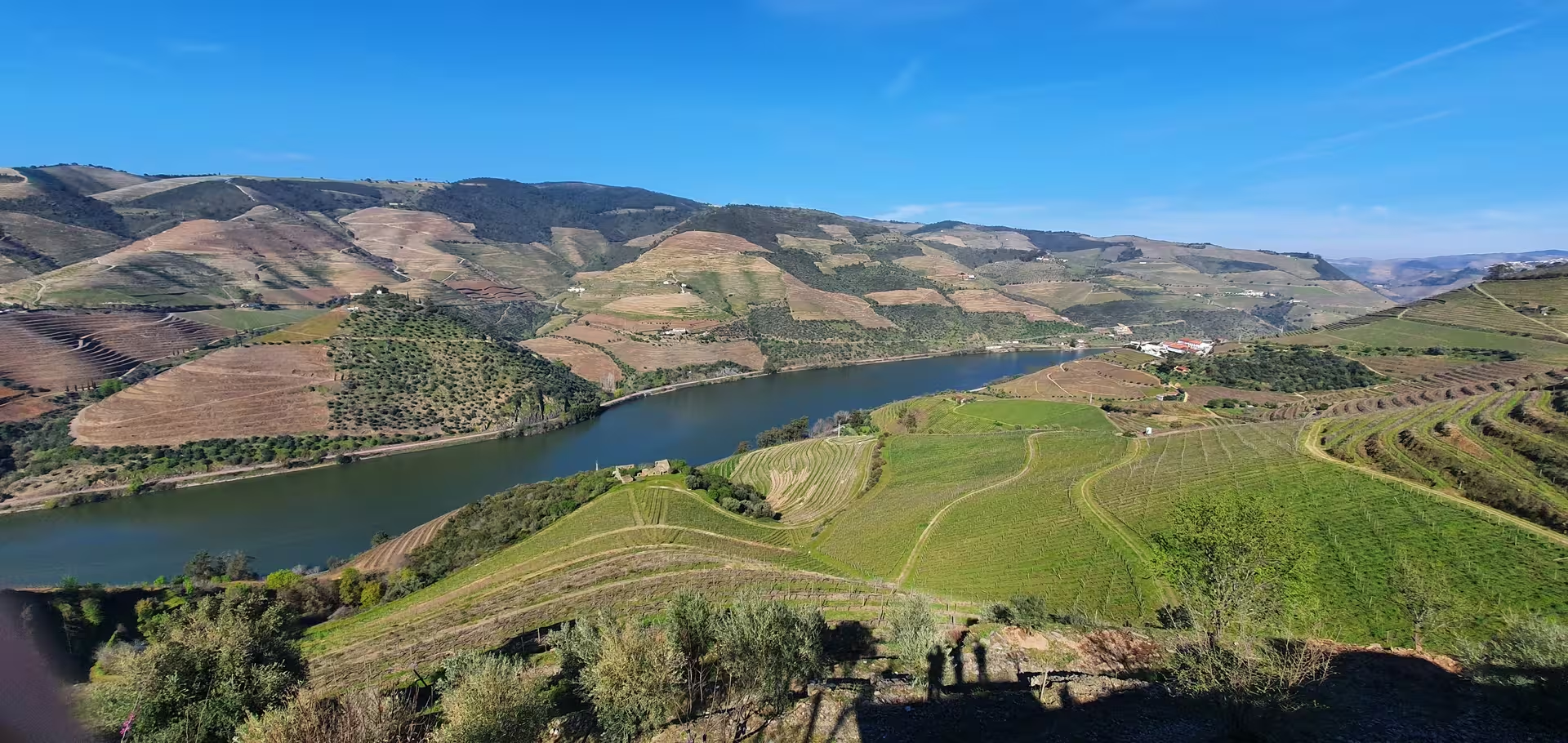
Why it matters: The Douro Valley is one of Northern Portugal’s signature landscapes, known for river scenery and wine heritage. From the Porto area, it is a classic add-on that deepens your understanding of the region beyond the city. Practical tip: Decide whether you want a guided tour or a self-planned day, then commit early, because popular formats can fill up.
6) Chase Atlantic Air on the Coast
Why it matters: The Atlantic coast near Porto offers a different mood from the city, breezier, more open, and ideal for a reset between museum days and urban walking. It is also a great way to experience the maritime identity that shapes local food and culture. Practical tip: Pack a light layer, because coastal wind can feel cool even on warmer days.
7) Take a Low-Key Evening Stroll
Why it matters: Maia is well-suited to evenings that are calm rather than crowded. A simple walk helps you notice neighborhood details, local routines, and the quieter side of the Porto region. Practical tip: Aim for the hour before dinner, then choose a restaurant near where you finish to keep the night easy.
8) Mix Business and Leisure Efficiently
Why it matters: Many travelers pass through this area for work, and Maia can support a balanced schedule. You can handle meetings or logistics and still reach Porto’s highlights without turning the trip into a rush. Practical tip: Put your most time-sensitive activities first, then keep the afternoon open for flexible exploring.
Morning: Start in Maia with a simple café breakfast, then head into Porto for a concentrated historic-center walk. Late morning and early afternoon are ideal for viewpoints, landmark façades, and a relaxed lunch. Afternoon: Shift toward the river atmosphere for a change of pace, then return to Maia for a quieter dinner and an early night if you plan a day trip tomorrow.
Day 1: Porto historic center focus, with time for neighborhoods that reward wandering and photo stops. Day 2: Choose a big contrast day, either the Douro Valley for landscape and wine context, or the Atlantic coast for sea air and open promenades. Day 3: Keep it flexible, revisit your favorite Porto area, add a museum or market-style experience, and use Maia as your decompression zone between transit connections.
Francesinha: A rich, layered sandwich with sauce that leans savory and hearty. Ordering tip: If you want something lighter, share one and add a salad or soup alongside.
Bacalhau: Salt cod appears in many preparations, often comforting and filling. Ordering tip: Ask what bacalhau option is most popular that day, then follow the house recommendation.
Caldo verde: A warm soup with a smooth base and greens, ideal on cooler or rainy days. Ordering tip: Look for it as a starter, it is a simple way to eat like a local.
Pastel de nata: Crisp pastry with creamy custard, best with coffee. Ordering tip: Try it mid-morning, when bakeries often have a steady turnover.
Espresso-style coffee: Short, strong, and woven into daily routines. Ordering tip: Keep it simple and order a small coffee at the counter for a quick local moment.
Vinho do Porto: Fortified wine linked to the region’s identity. Ordering tip: If you are new to it, start with a small pour and pair it with dessert rather than ordering it as a large drink.
Getting around is easiest when you mix methods. Walking works well for short neighborhood loops and casual evenings, while public transit is typically the most efficient way to connect between Maia and Porto without parking stress. Ride-hailing or taxis can be useful for late returns or when you are carrying luggage, especially for airport transfers. For safety and comfort, keep an eye on your belongings in busy transit areas, and build in extra time during peak commuting hours.
Porto: Short travel time from Maia, and the essential cultural and architectural hub of the region. Primary reason to visit: historic streets, river atmosphere, and iconic viewpoints.
Douro Valley: A longer day trip from the Porto area. Primary reason to visit: dramatic river scenery and wine heritage landscapes.
Atlantic Coast: Generally an easy add-on from the Porto metro area. Primary reason to visit: sea air, promenades, and a slower pace.
Northern Portugal Towns: The wider North Region offers smaller towns that can feel more traditional and less tour-driven. Primary reason to visit: local character, regional food, and a change of scale from the city.
Yes, it can be a practical base because it is close to Porto and well connected within the metro area. It also suits travelers who prefer quieter evenings after full sightseeing days.
Porto’s main airport is near Maia, so transfers are typically short. Depending on your plans and luggage, public transit or a taxi style transfer can both work well.
Maia works year-round, but spring and autumn often balance comfortable conditions with fewer crowds than peak summer. Winter can be mild but wetter, so plan a flexible schedule.
Cards are widely used, especially for accommodation and larger meals. Keeping some cash is still helpful for small cafés, bakeries, and quick purchases.
Porto is the simplest, shortest add-on and can be visited repeatedly without hassle. Many travelers also plan a longer day to the Douro Valley or a coastal break for Atlantic scenery.