Last updated:


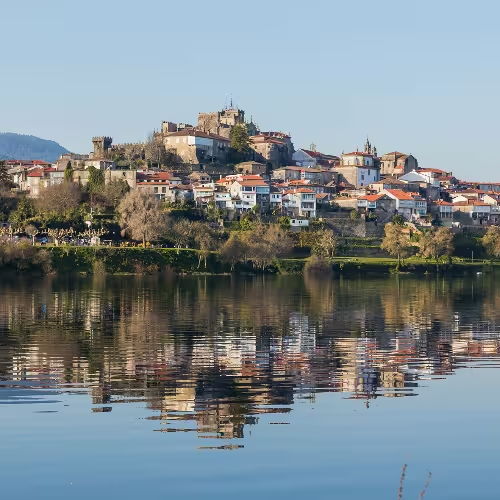
Arouca rewards a trip that leaves room for both the Paiva River and the monastery, with walking and sacred art offering different ways to spend your time. The geopark extends across all 328 square kilometres of the municipality, so a visit can reach beyond the town itself.
The Monastery of Santa Maria de Arouca is a useful counterpoint to a day outdoors, especially if paintings and sculpture interest you. Its Museum of Sacred Art also holds furniture and silverware. The monastery's origins go back to the 10th century, and works in the late 17th and 18th centuries shaped the building seen today.
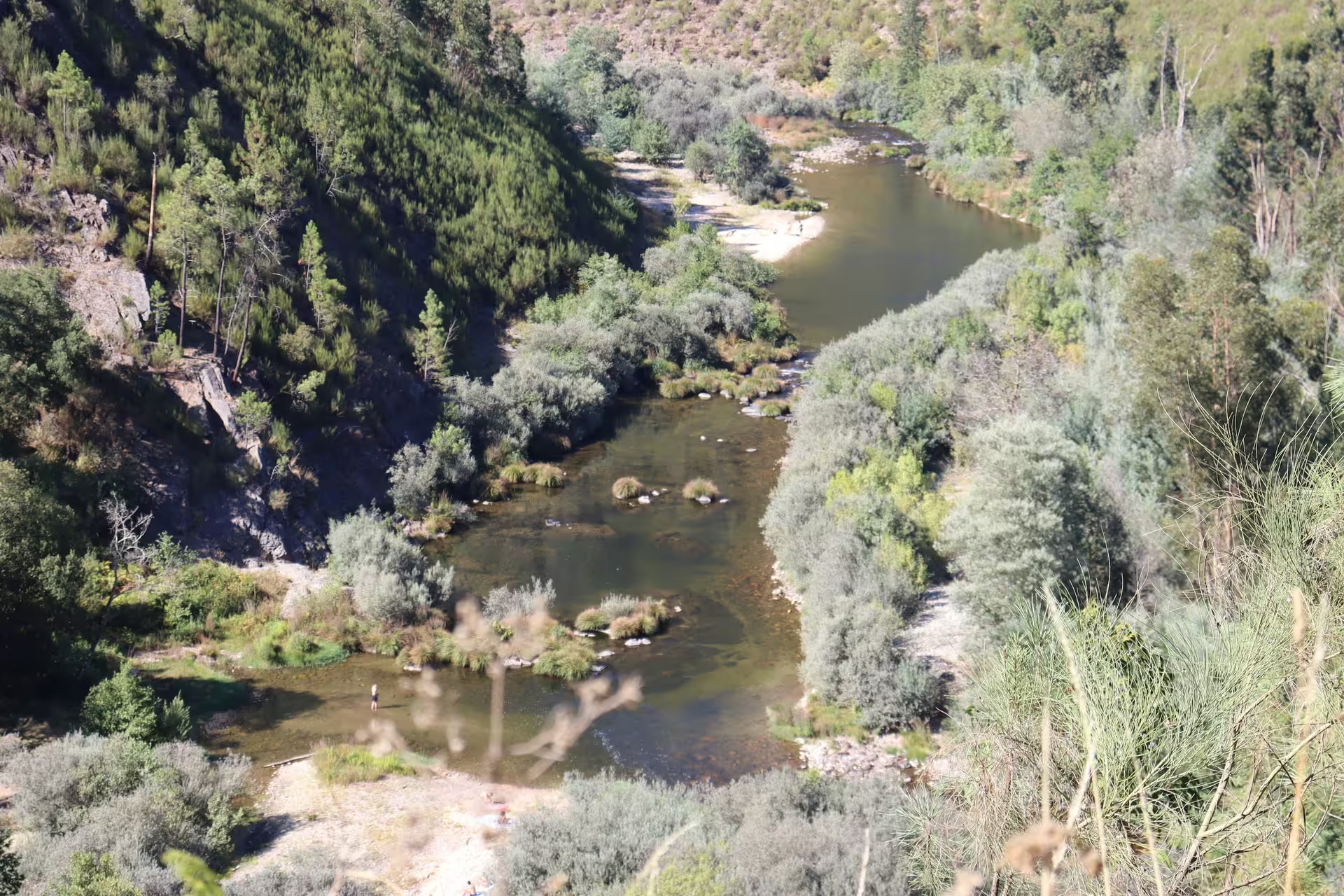
For time on the water, a guided Paiva River canoe-rafting tour lasts 8 hours and includes a helmet, life vest, paddle, certified guides and a safety briefing before the descent.
Serra da Freita and Canelas offer different reasons to explore the geopark: a concentration of geosites on the plateau and a museum devoted to giant trilobites. Serra da Freita contains 17 of the 41 recorded geosites, making it a focus for a geology-led visit.
Pedras Parideiras will appeal if you want to look closely at the rocks: this small granite formation takes its geological name from nearby Castanheira. Its nodules range from 1 to 12 cm, with a biotite exterior surrounding a quartz-feldspathic centre. For fossils instead, the Canelas museum displays trilobites from the quarry; some specimens reach 80 cm and date to the Darriwilian stage of the Middle Ordovician.
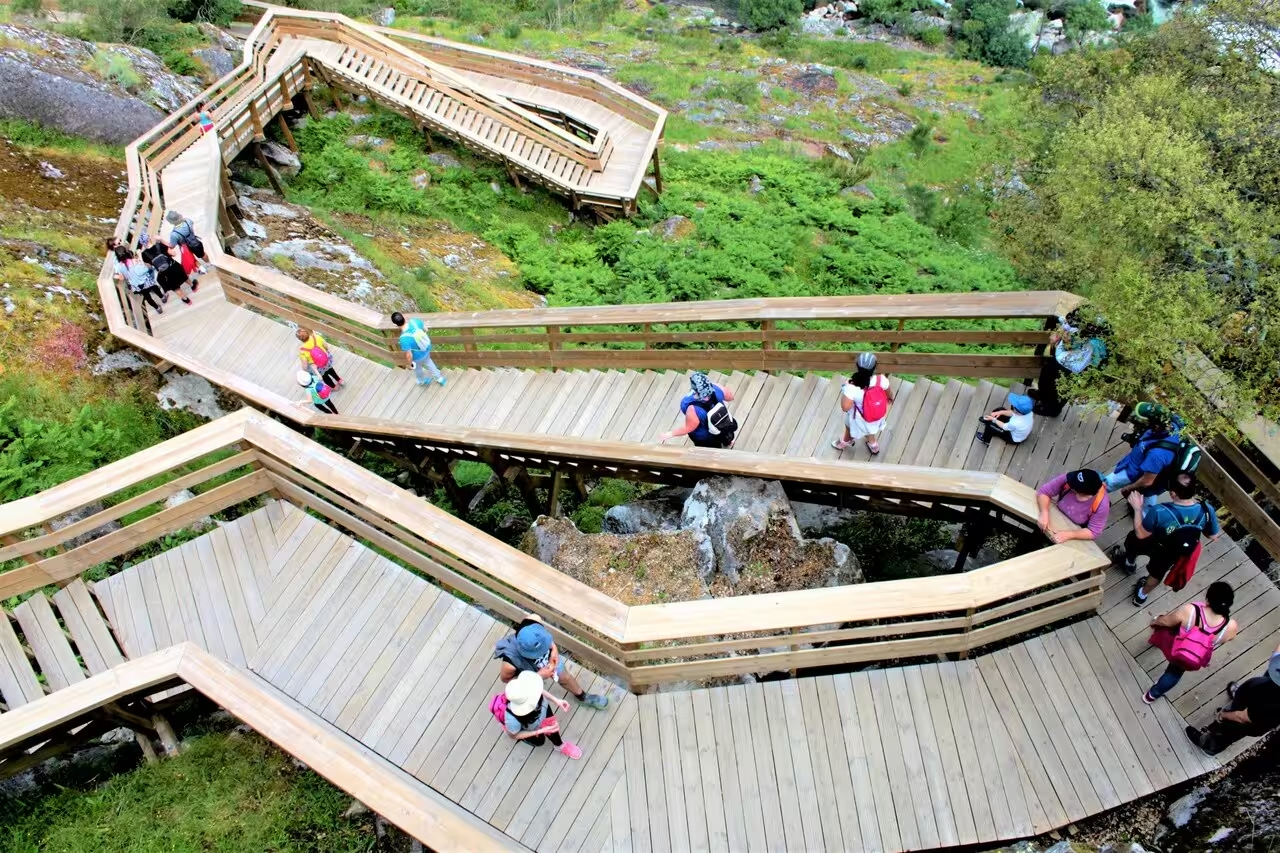
A one-way walk suits a shorter walking day; returning along the same route means about 17 km on foot. The linear Paiva Walkways route measures 8.7 km, and the walk takes around two and a half hours on average; starting at Areinho towards Espiunca is the less demanding direction. Either Espiunca or Areinho can be your starting point.
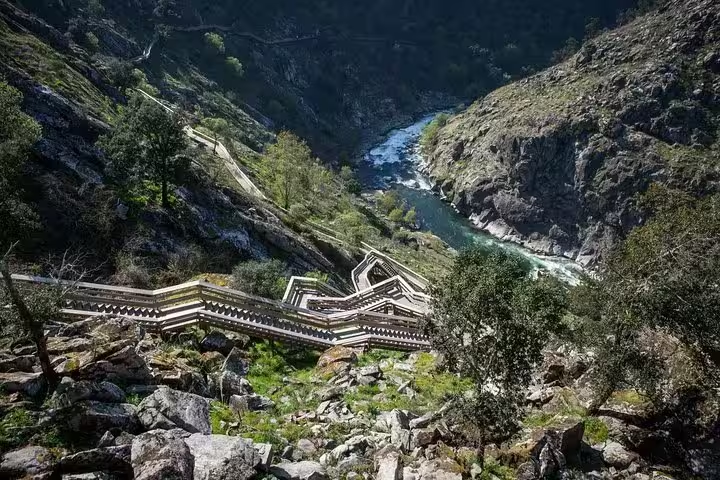
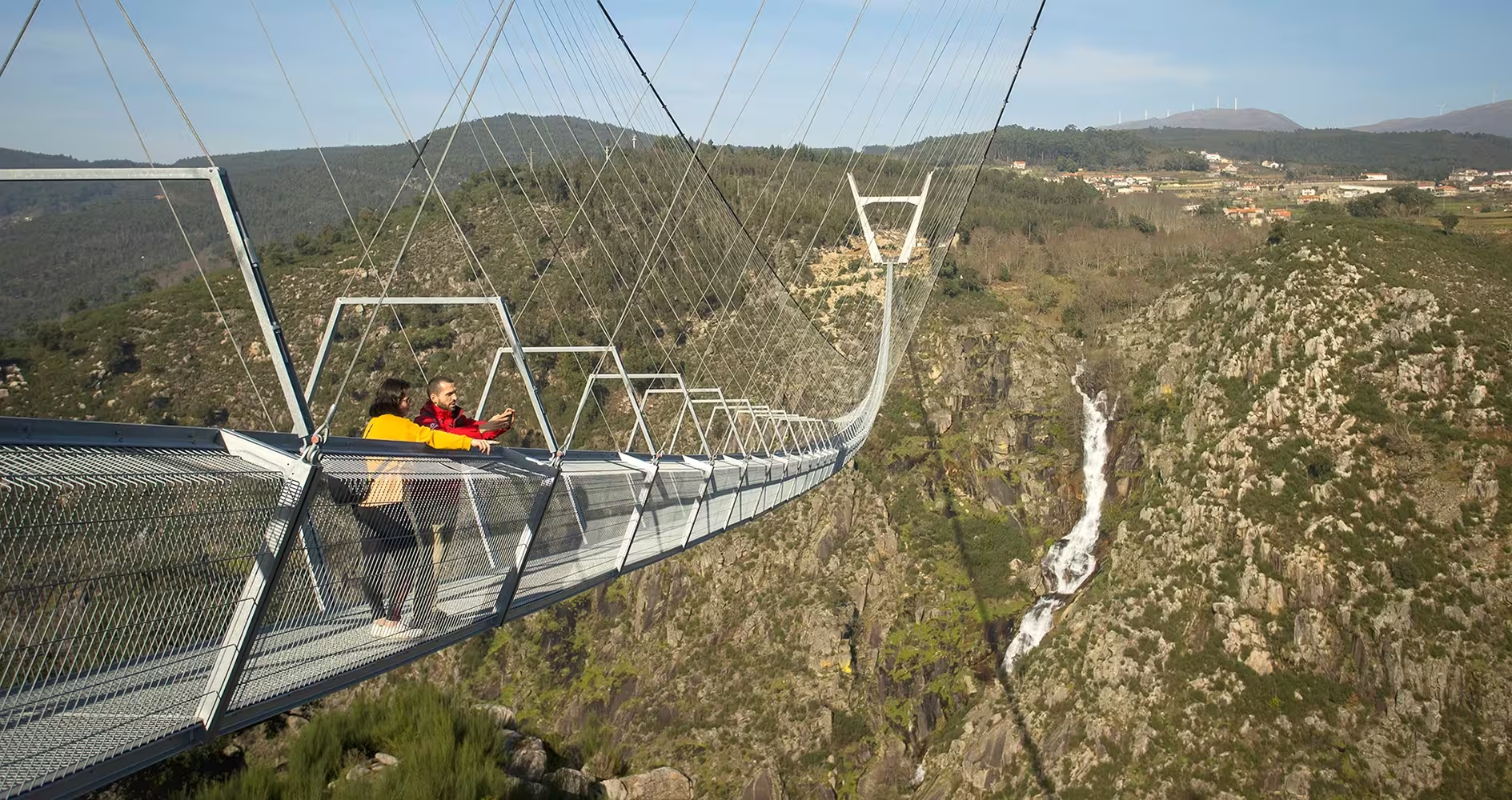
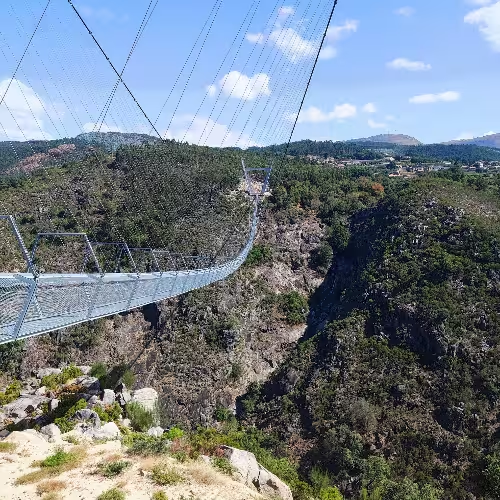
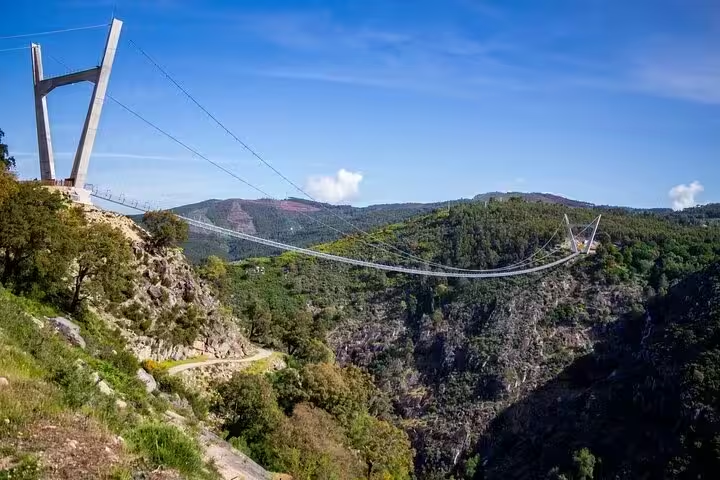
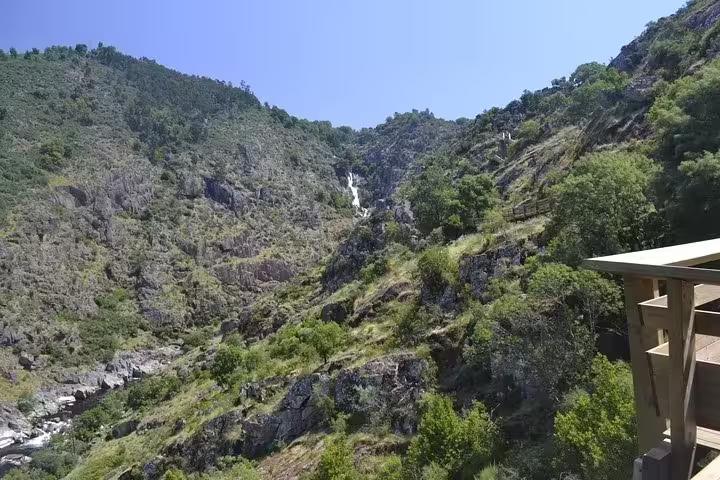
The route follows the left bank between the river beaches at Areinho and Espiunca, passing Vau beach along the way. The nearby 516 Arouca bridge crosses the Paiva near the Aguieiras Waterfall and the Paiva Gorge, adding a different perspective on the river. The pedestrian suspension bridge stretches about 516 metres, roughly 175 metres above the water.
A day trip with transport is an option from Porto: the Paiva Walkways and Arouca Geopark day trip lasts 7 hours and includes an air-conditioned vehicle and lunch. Arriving from further afield, most visitors come through Porto, about an hour's drive away, using Francisco Sá Carneiro Airport or Campanhã station.
Two days would let you devote a day to the Paiva Walkways and bridge, then another to the monastery and Canelas museum. That separates the riverside walk from the art and fossils rather than fitting everything into the same day.
For a single-day visit from Porto, the private Paiva Walkways and 516 Arouca Bridge tour lasts 10 hours and includes private transport to and from Porto and a professional private guide.
The Portela da Anta area contains a large megalithic tomb used to bury some of Serra da Freita's earliest inhabitants.
"Arouca. História de um Mosteiro" brings scenes of religious life, including the election of an abbess, to the Monastery of Santa Maria de Arouca.
Five archaeological sites in the Arouca area hold National Monument status.