Last updated:


A trip to São Miguel can centre on crater lakes and thermal waters, with time on the coast if that appeals to you. This island in Portugal’s Azores archipelago has six volcanic zones, so its volcanic landscape gives the trip a natural focus.
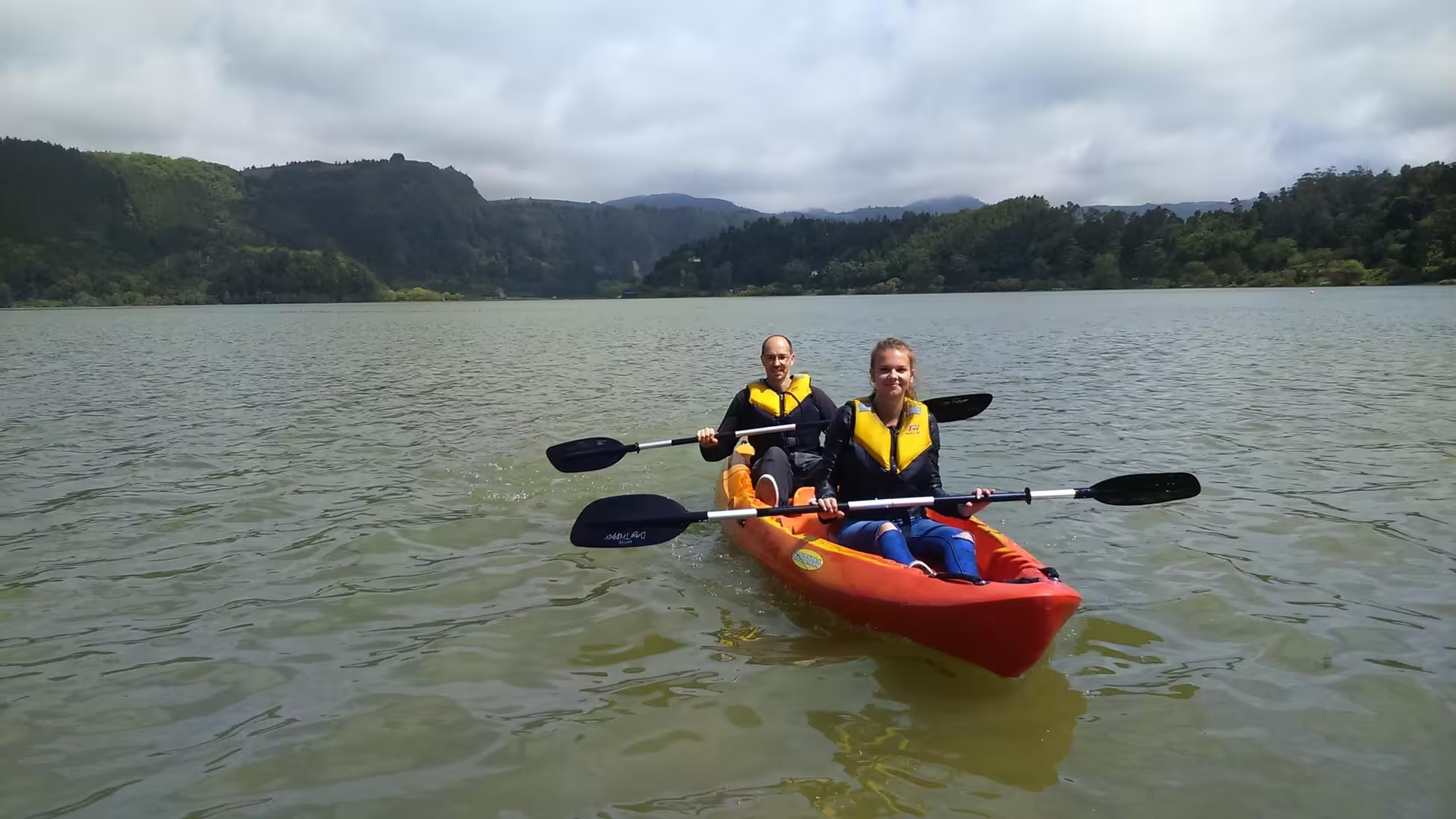
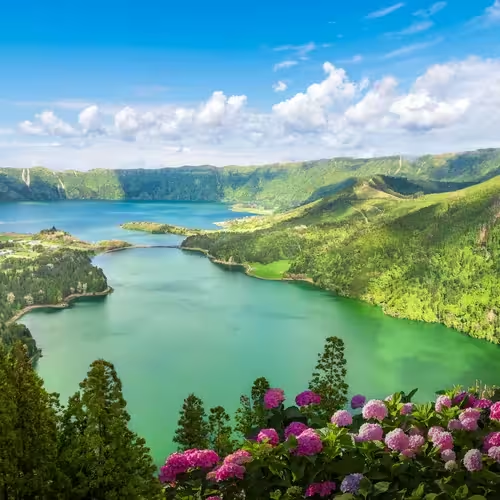
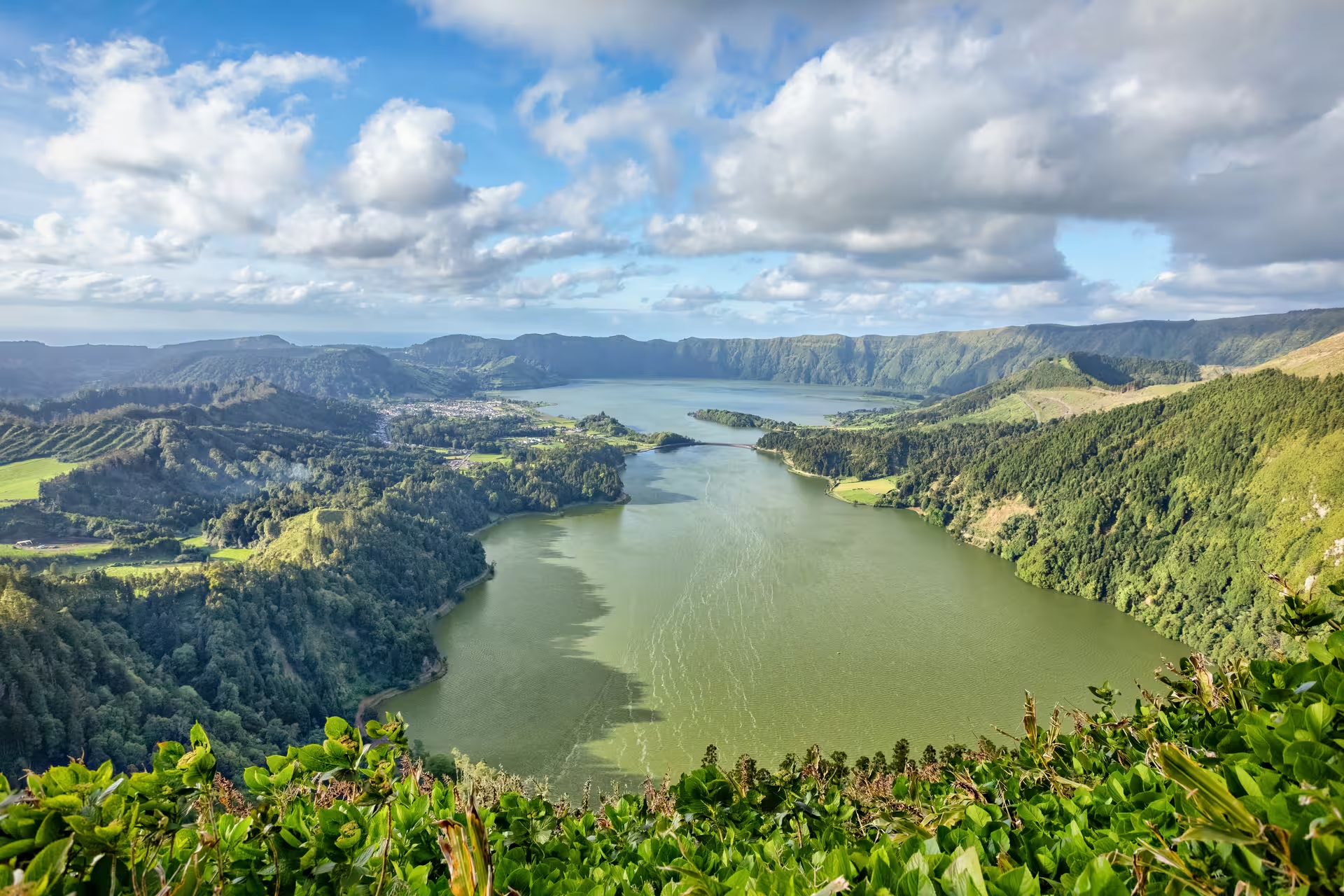
Crater lakes suit a landscape-focused trip, while Furnas adds thermal water and food cooked with volcanic heat. At Sete Cidades, the lake occupies a caldera in the western part of the island. Lagoa Verde and Lagoa Azul are two parts of one lake, joined under a low bridge, and they take their names from their different colours, shaped by depth and by what each surface reflects.
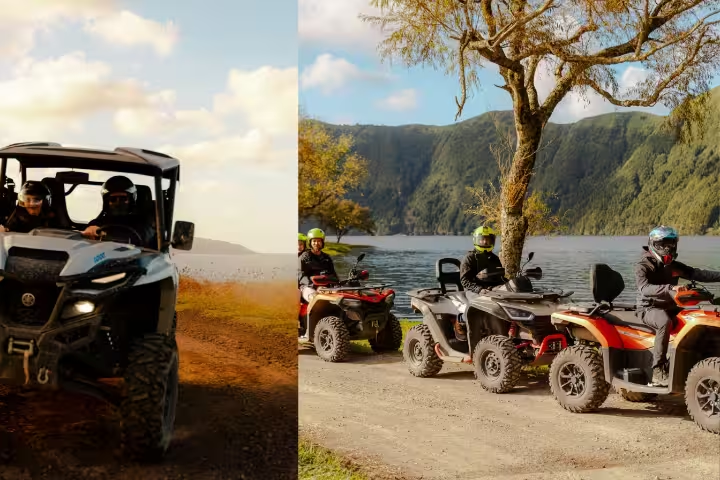
For an off-road outing, the private half-day buggy tour in Sete Cidades lasts 3 hours and 30 minutes and includes a dedicated guide, helmet and fuel.
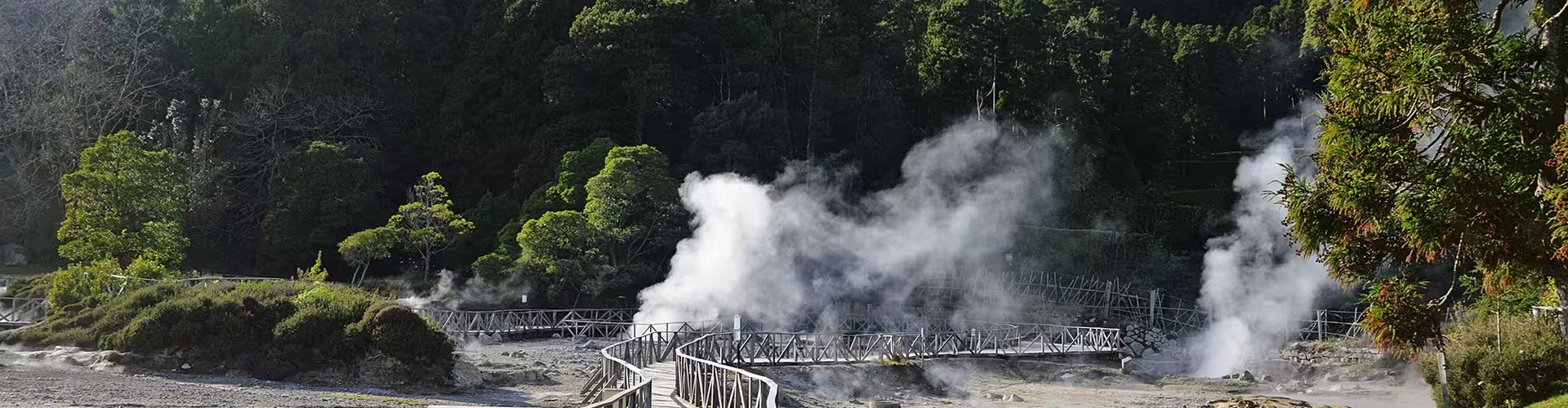
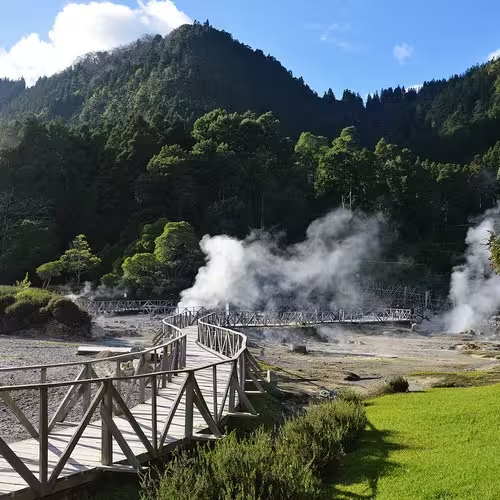
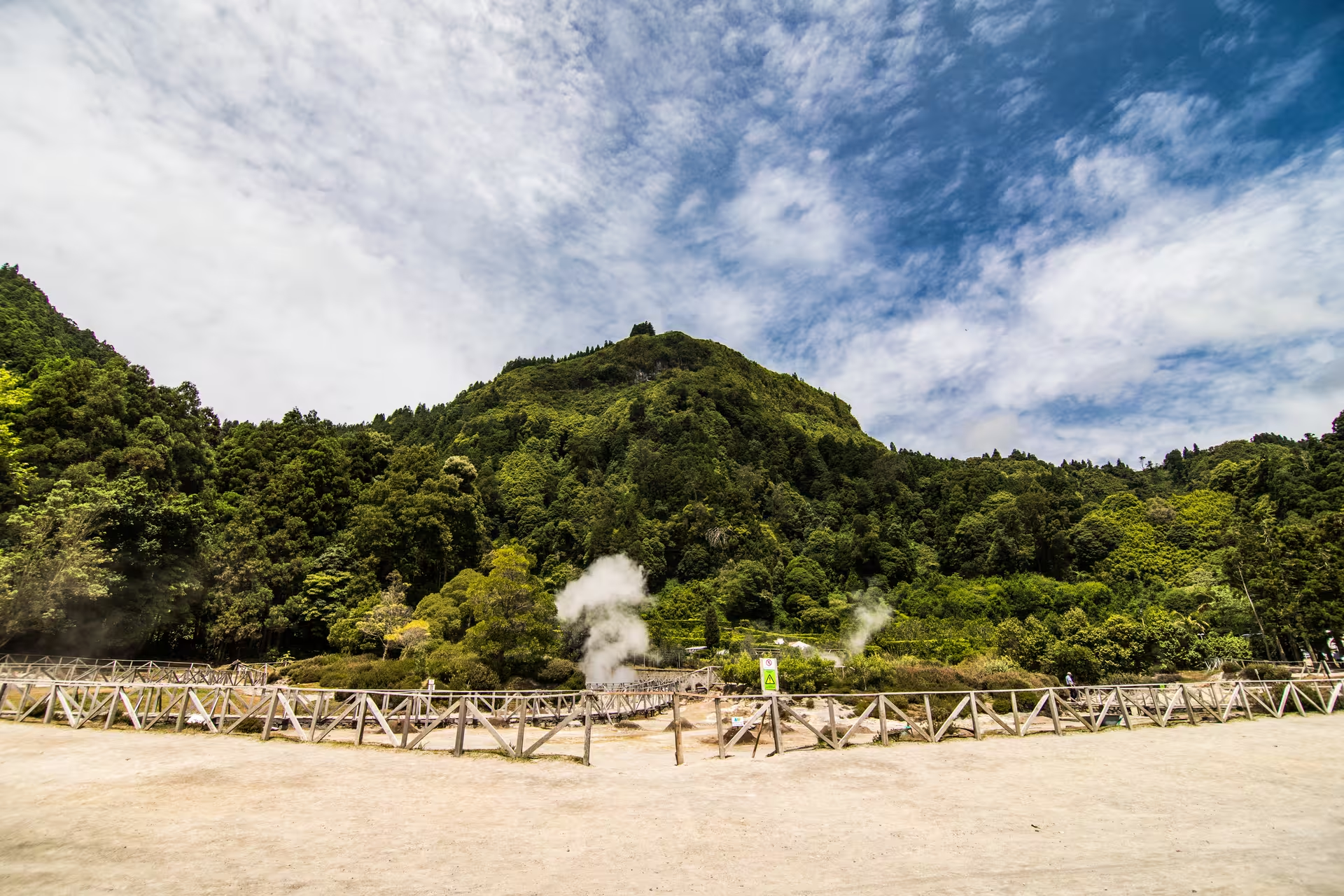
Furnas offers a different encounter with volcanic activity: fumaroles and mud pools lie at the northern end of Lagoa das Furnas. Local cooking puts that heat to work in Cozido das Furnas, a stew of several meats and vegetables slow cooked for hours in the hot ground near the lake. For thermal bathing, Terra Nostra Park has an iron-rich brown pool at around 37 °C.
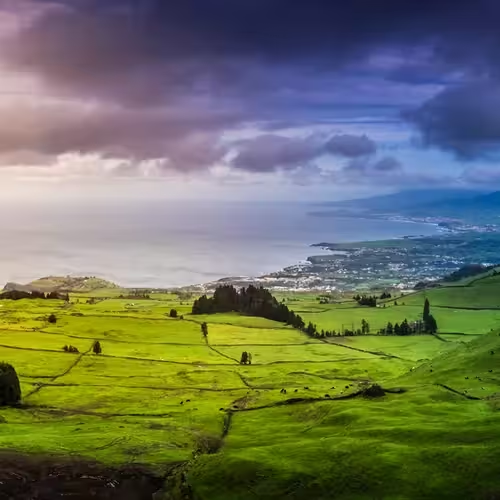
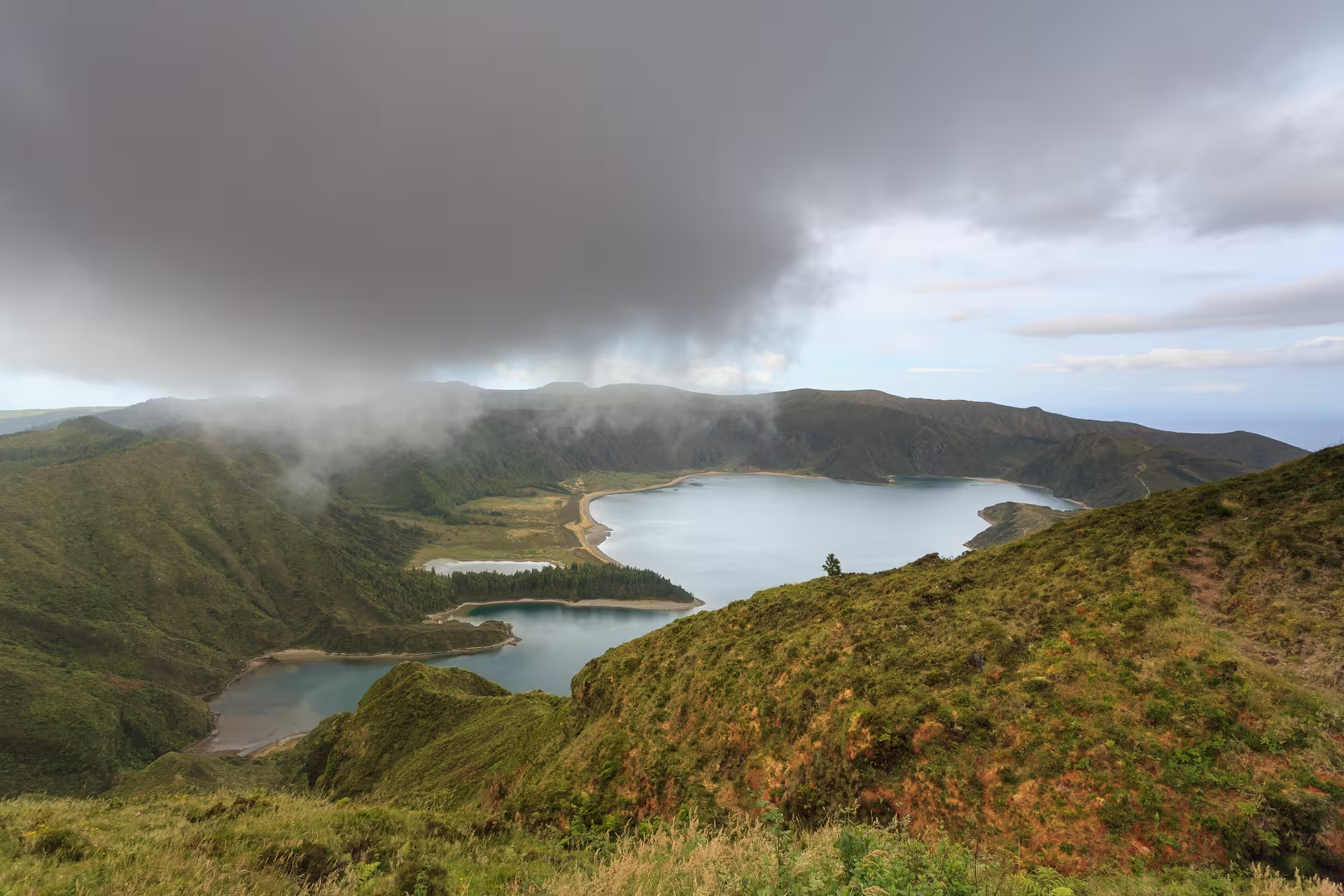
Three days is a suggested plan for giving Sete Cidades, Lagoa do Fogo and Furnas a day each. Spend the Sete Cidades day on the western caldera landscape, then devote another day to Lagoa do Fogo in the central caldera of the Água de Pau Massif. The Furnas day can bring together the crater lake and geothermal cooking.
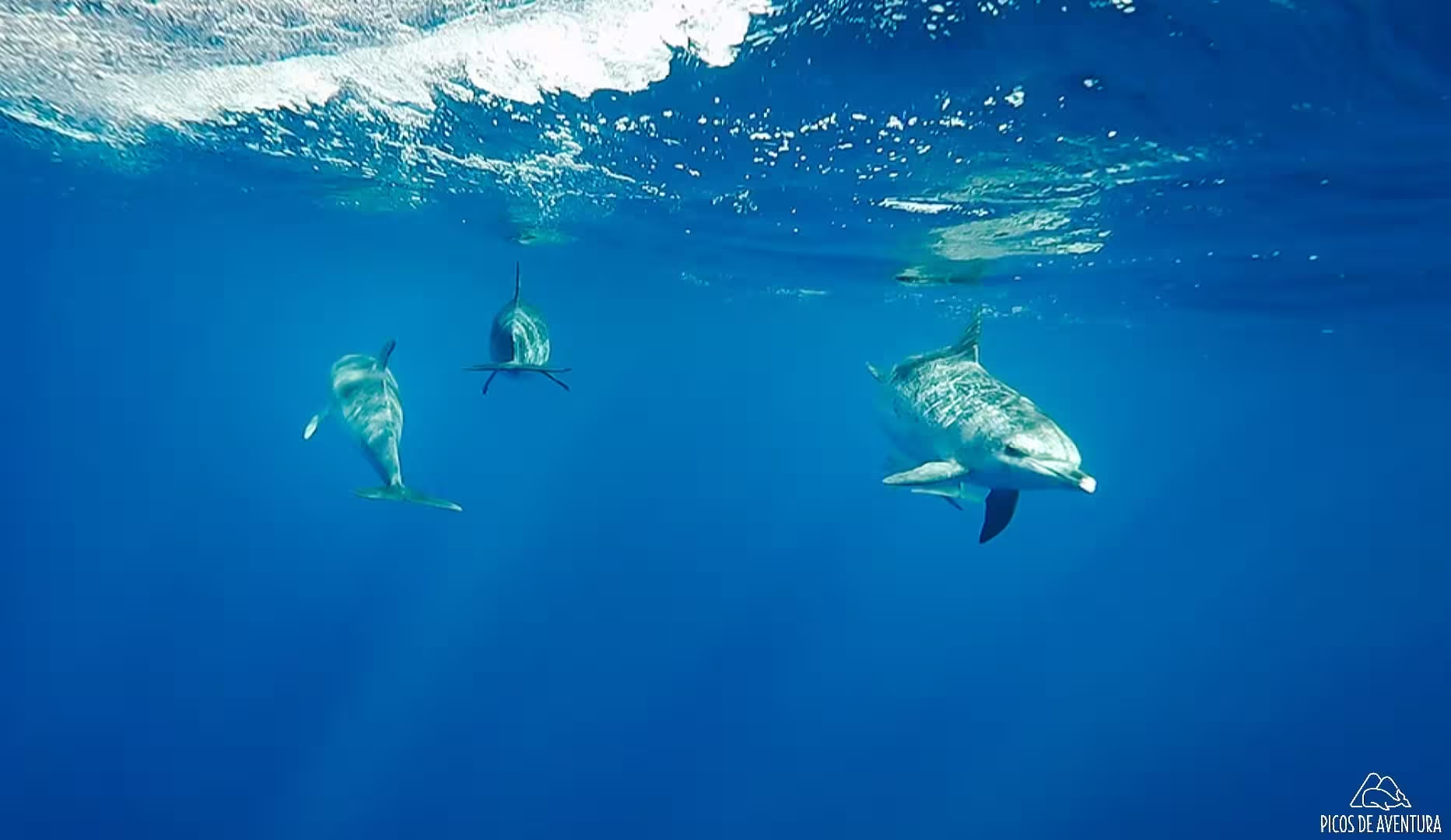
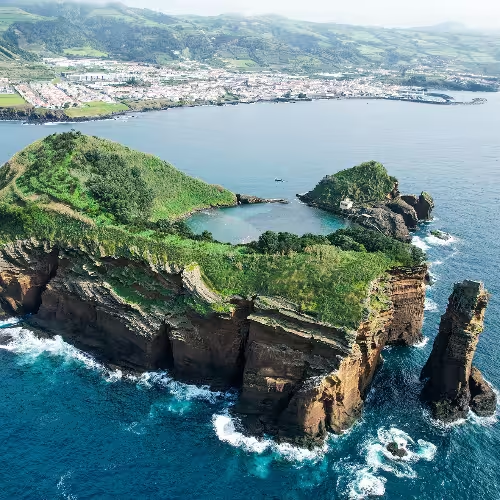
For a coastal day instead of another lake visit, whale watching departs from Ponta Delgada and Vila Franca do Campo. A guided diving tour in São Miguel includes a professional dive guide, tank, weight belt and weights, briefings before and after the dive, and equipment washing, drying and storage facilities.
Summer suits a trip focused on walking outdoors if less rain is your priority. São Miguel’s mild maritime climate brings a drier summer and a wetter winter. In Ponta Delgada, summers are warm with some rainfall, while winters are mild and wet. For a winter visit, a plan centred entirely on outdoor landscapes needs to allow for that wetter season.
A guided jeep trip is an option for reaching Lagoa do Fogo without driving yourself. The half-day jeep tour to Lagoa do Fogo in São Miguel includes a professional driver, a local guide and 4x4 jeep transport throughout.
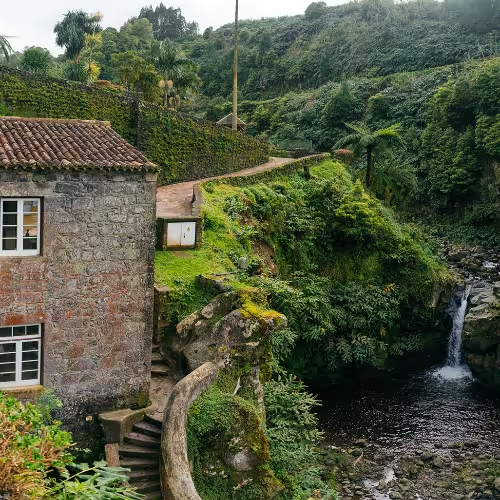
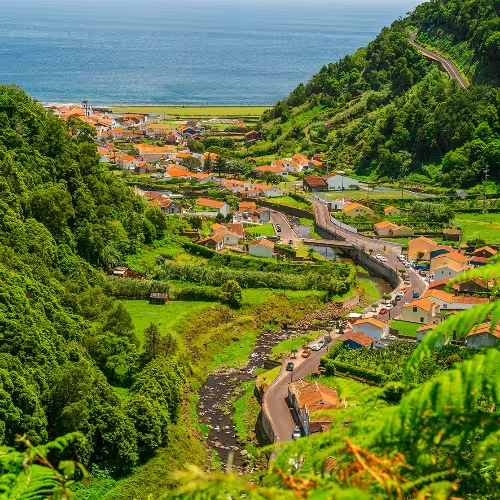
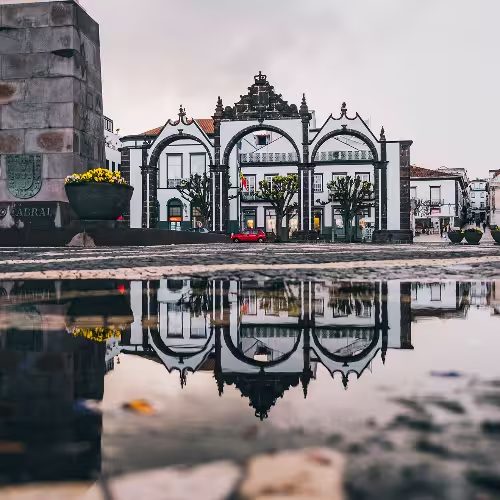
Ponta Delgada is a practical base if your plans combine arrival by air and whale watching. João Paulo II Airport is about 3 kilometres west of the centre, roughly a 10 minute drive, and has international links with Europe and North America. For a day focused on forests and valleys, Nordeste offers an alternative to the crater lakes: much of its interior consists of woodland, mountain peaks and river valleys.
How many days do you need in São Miguel, Azores?
Three days is a suggested plan, with a day each for Sete Cidades, Lagoa do Fogo and Furnas.
When should you visit São Miguel for walking?
Summer suits walking if less rain matters to you; winter is wetter, though the maritime climate remains mild.
How can you get around São Miguel without driving?
A guided jeep trip is an option for Lagoa do Fogo, with a professional driver, local guide and 4x4 transport included.
Which day trips can you plan on São Miguel?
Sete Cidades, Lagoa do Fogo and Furnas can each anchor a day; Nordeste is an alternative for forests, mountain peaks and river valleys.
Where should you stay on São Miguel?
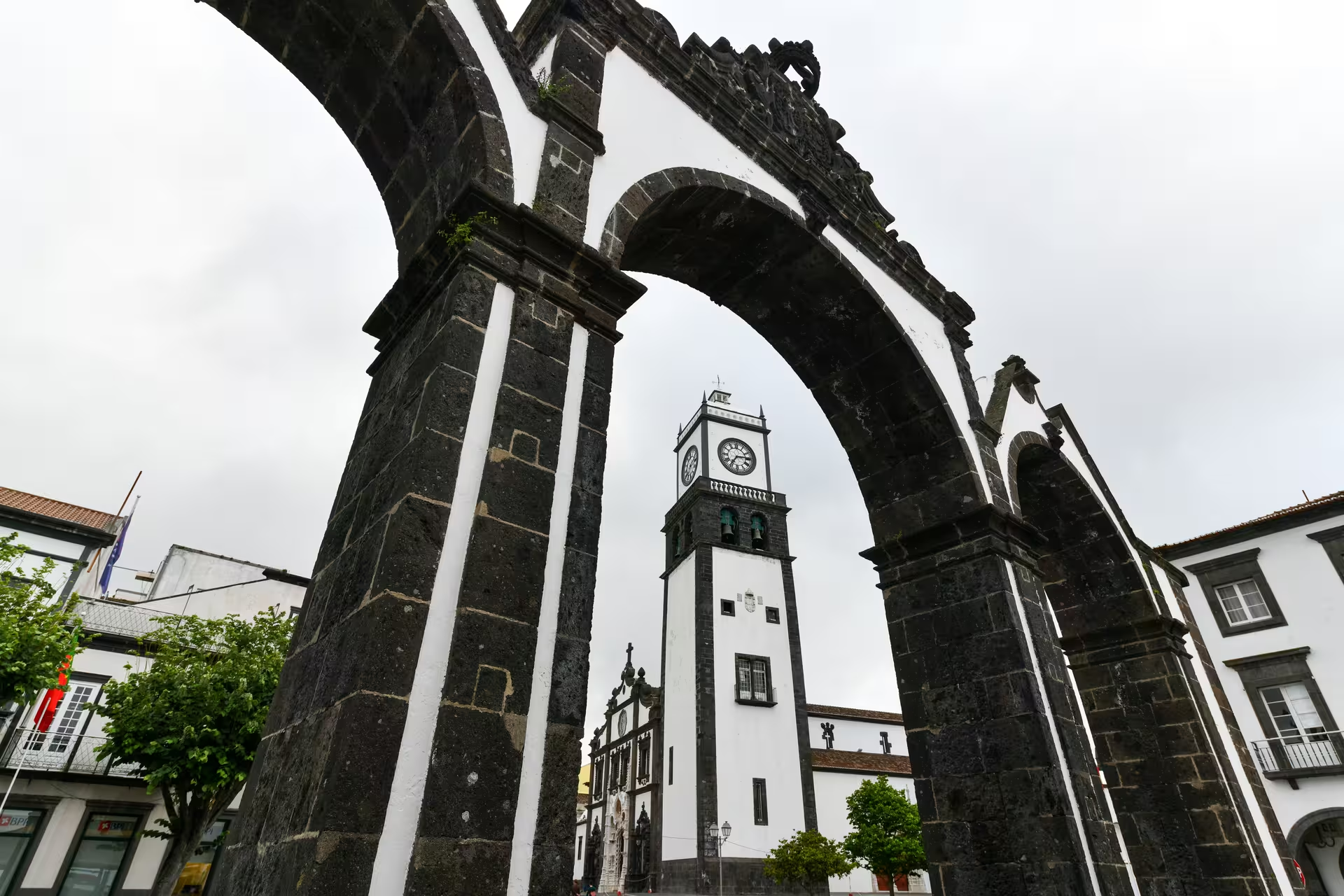
Ponta Delgada suits an air arrival and whale watching plans, with the airport a short drive west of the centre and whale watching departures from the city.