Furnas is São Miguel Island’s geothermal heart, a place where steaming vents, crater lakes, and garden paths shape an unhurried rhythm. You come for volcanic landscapes you can feel underfoot, then stay for slow meals, warm pools, and the sense that nature is always close. It is especially rewarding if you want a trip that balances scenic walks, wellness-style downtime, and local food traditions in one compact valley.
Furnas sits on São Miguel, the largest island in Portugal’s Autonomous Region of the Azores, in the middle of the Atlantic Ocean. The easiest gateway is Ponta Delgada, the island’s main hub, where most visitors start their route before heading east into the Furnas valley. Once you arrive, the village center is small and walkable, while the main viewpoints and lake areas are best reached with a car, taxi, or guided transport.
São Miguel’s climate is oceanic, so weather can shift quickly, even within the same day. Warmer months typically bring longer daylight and easier conditions for lake walks and viewpoints, while cooler months can feel moodier and more atmospheric, which suits hot spring-style experiences. Crowd levels tend to rise during peak holiday periods, so plan earlier starts for popular stops and build flexibility into your schedule for rain and fog.
Portugal uses the euro, and you will generally find card payments accepted in many places, with cash still useful for small purchases and tips. Plan a budget that includes transport between sites, since several signature viewpoints and lake areas sit outside the village center. If you are traveling independently, set aside extra room for spontaneous stops, because São Miguel’s scenic drives often create irresistible detours.
These experiences capture what makes Furnas distinct, geothermal scenery, crater-lake calm, and food tied to the ground beneath you. Use them as building blocks for your day plan, especially if you are balancing weather changes and driving time.
Explore the Furnas Valley Atmosphere
The valley setting gives Furnas its signature feel, green slopes, misty mornings, and the occasional scent of sulfur that reminds you the island is volcanic. It is a destination where the landscape is not just a backdrop, it is the main event. Practical tip: start with a slow village walk to get oriented, then decide which direction to commit to based on visibility and cloud cover.
Visit Geothermal Areas and Steam Vents
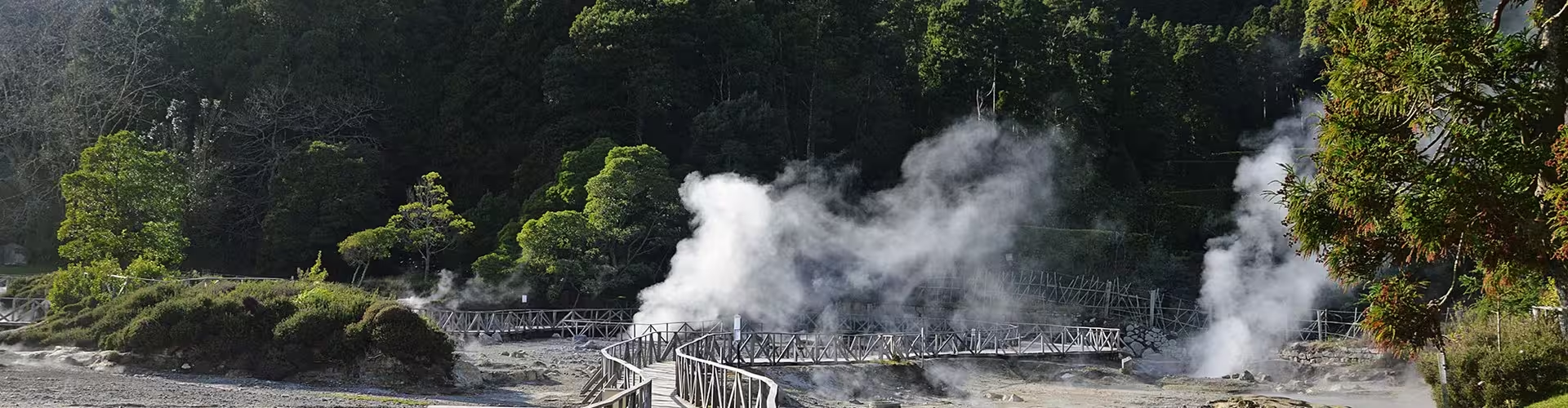
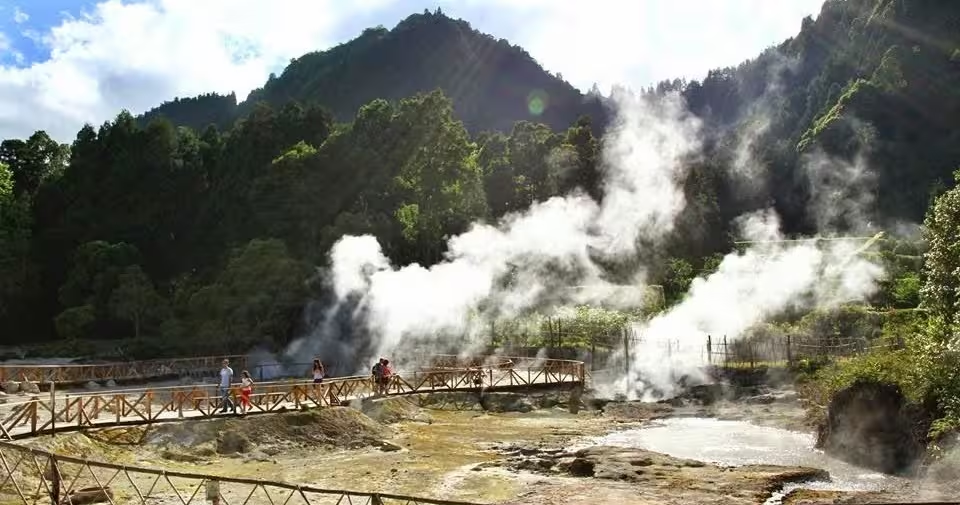
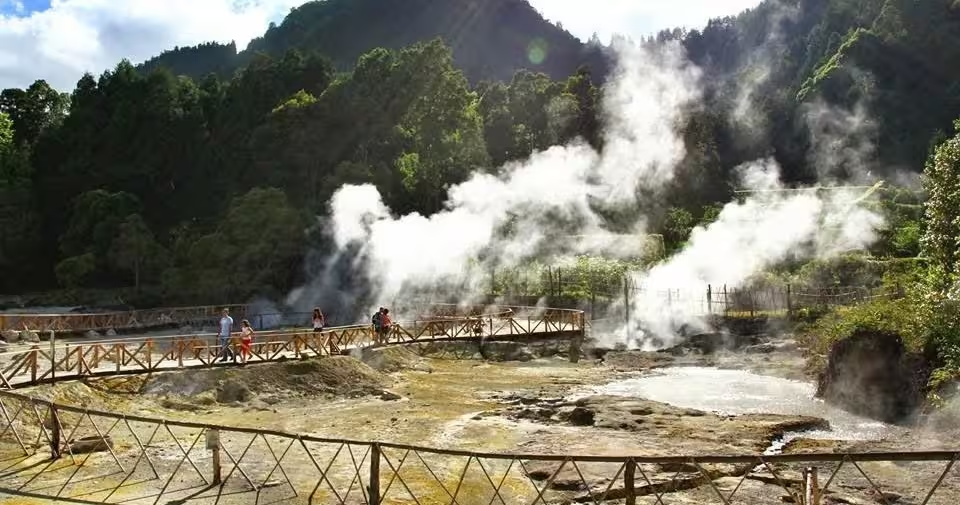
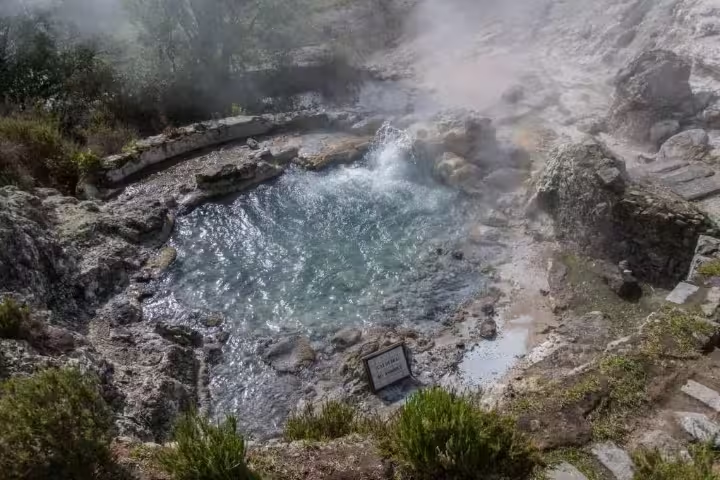
Geothermal features are central to the identity of Furnas, and seeing steam rise from the earth connects you to the Azores’ volcanic origins. These sites are most memorable when you take time to observe, listen, and notice how the terrain changes around the vents. Practical tip: stand upwind when possible, and keep a light layer handy since the air can feel cool even near warm ground.
Spend Time by Furnas Lake
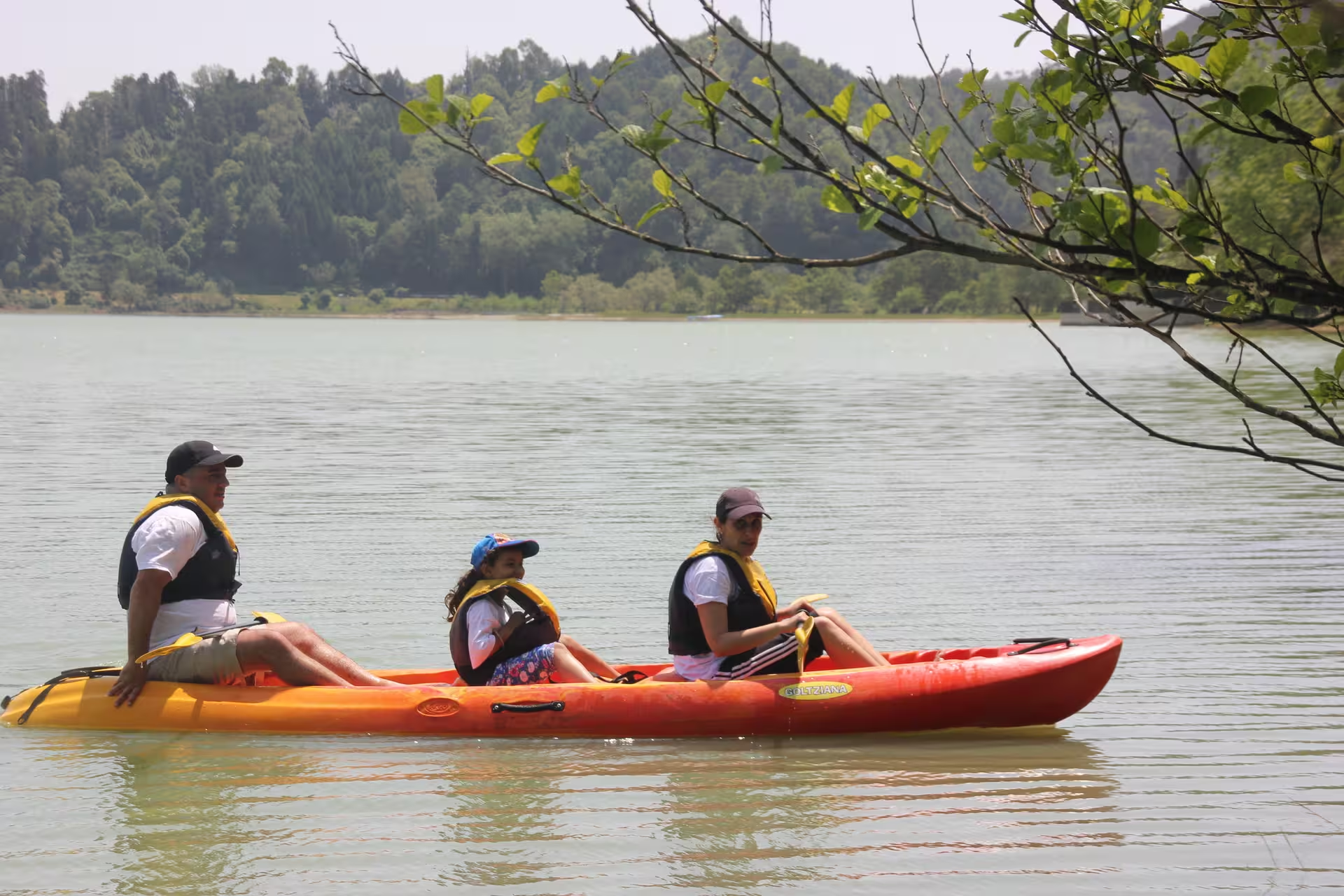
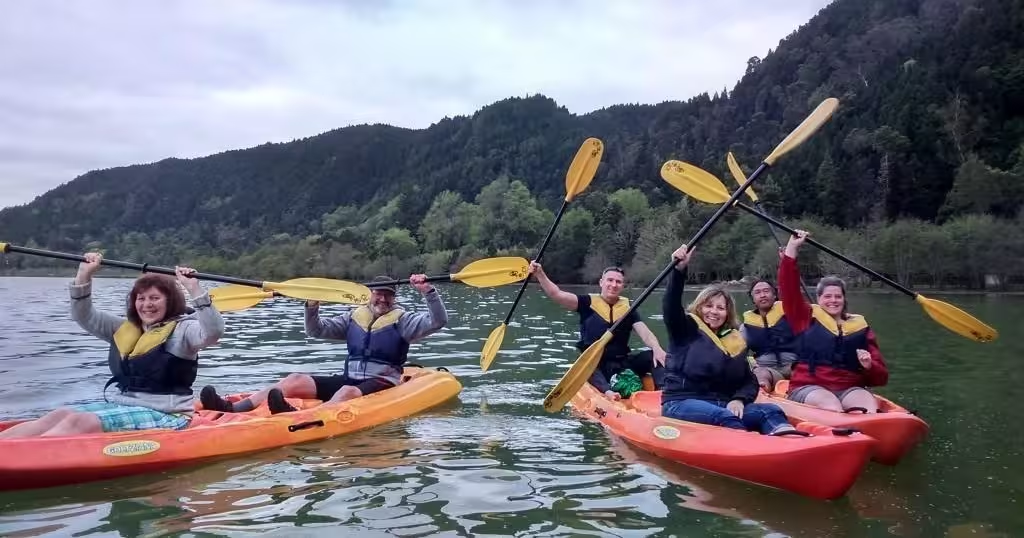
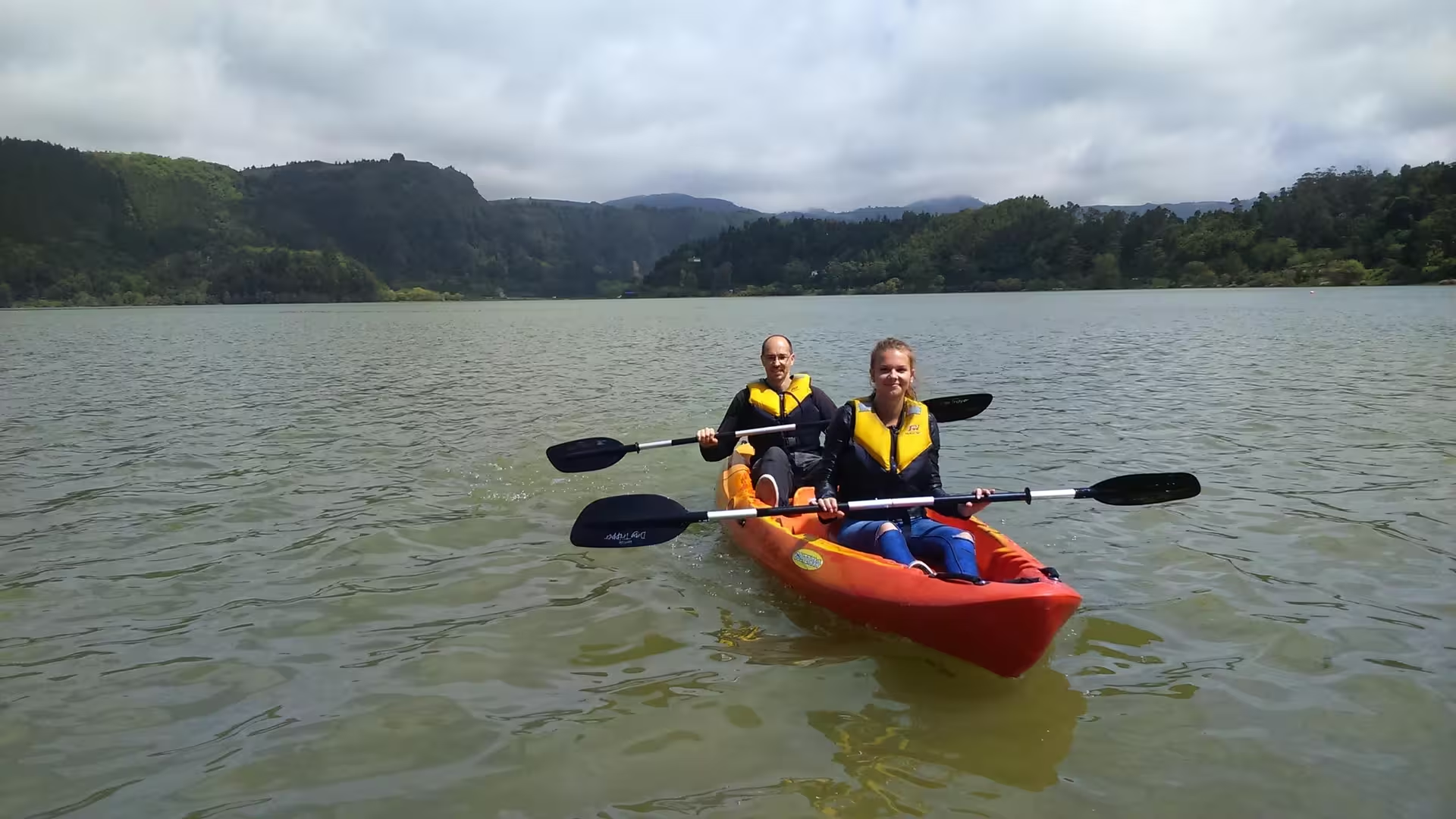
The lake and its crater setting deliver a quieter side of the destination, with space for reflective walks and photo stops when the water is still. The experience is less about rushing to a single viewpoint and more about letting the scale of the caldera sink in. Practical tip: go earlier in the day for calmer conditions and clearer reflections, then save village cafés for later.
Walk Through Botanical Gardens
Gardens around Furnas showcase the Azores’ lush plant life, where humid air and rich soils support dense greenery. Even if you are not a plant expert, the paths, ponds, and shaded corners provide a restorative break between more exposed viewpoints. Practical tip: pack a light rain layer so you can enjoy the gardens comfortably even during brief showers.
Soak in a Thermal Pool Experience
A warm soak fits naturally into a Furnas itinerary because it aligns with the area’s geothermal character and slows your pace in the best way. It is also a smart way to reset after driving and walking, especially if the weather turns damp. Practical tip: bring a dark swimsuit and a towel, and plan your soak for late afternoon so you finish the day relaxed.
Try Cozido Cooked by Geothermal Heat
Few food experiences are as tied to place as cozido associated with Furnas, where the concept itself reflects the volcanic landscape. It is hearty and communal, the kind of meal that suits a day of fresh air and walking. Practical tip: schedule your meal intentionally, because it is filling, and it pairs best with a slower afternoon rather than a rushed checklist.
Chase Viewpoints on the Drive In or Out
São Miguel is known for dramatic overlooks, and the routes around Furnas often include scenic stops that elevate the whole day. Viewpoints help you understand the island’s crater geometry, coastlines, and patchwork of green. Practical tip: keep your timeline flexible so you can stop safely when visibility opens up, then move on if fog rolls in.
Photograph the Changing Light and Weather
The Azores are famous for fast-moving clouds, and Furnas looks different from one hour to the next. Mist can make the valley feel cinematic, while sun breaks bring intense greens that pop in photos. Practical tip: use short weather windows, take photos quickly when skies clear, then enjoy a warm drink when the clouds return.
Start with a morning drive toward the Furnas area, aiming to arrive early enough to enjoy the valley before the day’s weather settles in. Spend late morning around Furnas Lake for a calm walk and crater views, then head back toward the village for a long lunch that includes a geothermal-inspired meal if available. In the afternoon, choose one garden-style visit and one thermal soak to balance movement with rest, then finish with a viewpoint stop on your return route if visibility cooperates.
On day one, focus on the village and its geothermal character, slow walks, steam vents, and a relaxed meal that anchors you in local tradition. On day two, dedicate time to Furnas Lake and nearby viewpoints, treating the route as a scenic circuit rather than a single stop, with photo breaks whenever the clouds lift. If you have a third day, use it as a weather buffer, revisit your favorite area under different light, add another garden-style walk, and schedule a longer thermal session to end your stay on a calm note.
Food in Furnas is closely linked to comfort and place, shaped by rural traditions and the geothermal story that defines the valley. Use these ideas as a tasting checklist, and ask what is most typical on the day you visit.
Within the village center, walking is the easiest way to move between nearby spots and to keep your schedule flexible. For Furnas Lake, viewpoints, and scattered nature sites, a car makes the day much smoother, especially if you want to stop for photos when conditions change. Taxis and guided tours can also simplify logistics if you prefer not to drive, particularly in fog or rain, which can reduce visibility on winding roads.
For comfort and safety, wear shoes with grip because paths can be damp, and keep a light layer accessible even on brighter days. If you are planning a thermal soak, pack swimwear and a towel so you can take advantage of good timing without needing to return to your accommodation.
If you are using Furnas as a base, São Miguel makes it easy to add variety, from coastal scenery to crater lakes elsewhere on the island. Travel times depend on your starting point and road conditions, so treat these as half-day or full-day ideas rather than rigid schedules.
The village center is generally easy to explore on foot, especially for a relaxed stroll and café stops. For the lake and scattered viewpoints, you will usually want a car, taxi, or tour transport.
A full day covers the main atmosphere, a lake visit, and one or two signature stops at a comfortable pace. Two to three days lets you slow down, revisit sites in different weather, and add more gardens and thermal time.
Bring layers, a light rain jacket, and shoes with good grip because conditions can be damp. If you want a thermal soak, pack swimwear and a towel so you can take advantage of good timing.
Yes, and it can still be very rewarding because the valley’s greenery and misty views are part of the Azores mood. Build in café breaks and choose sheltered walks or a thermal soak during heavier showers.
Yes, it is one of the most place-specific food traditions tied to the area’s geothermal identity. Plan it as a main meal because it is typically hearty and best enjoyed without rushing.